
SheFront Voices
Women speaking in their own words — about work, health, power, identity, culture, family and the world they want to build.
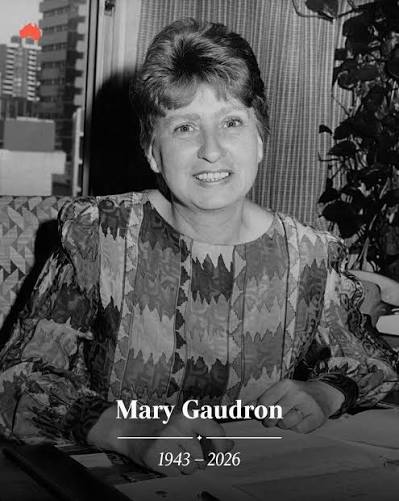
Mary Gaudron Changed Who Could Interpret Australia’s Constitution
Mary Gaudron, the first woman appointed to Australia’s High Court, has died aged 83. Her career linked a breakthrough for women in law with decisions on Indigenous land rights, discrimination and the dignity of work.
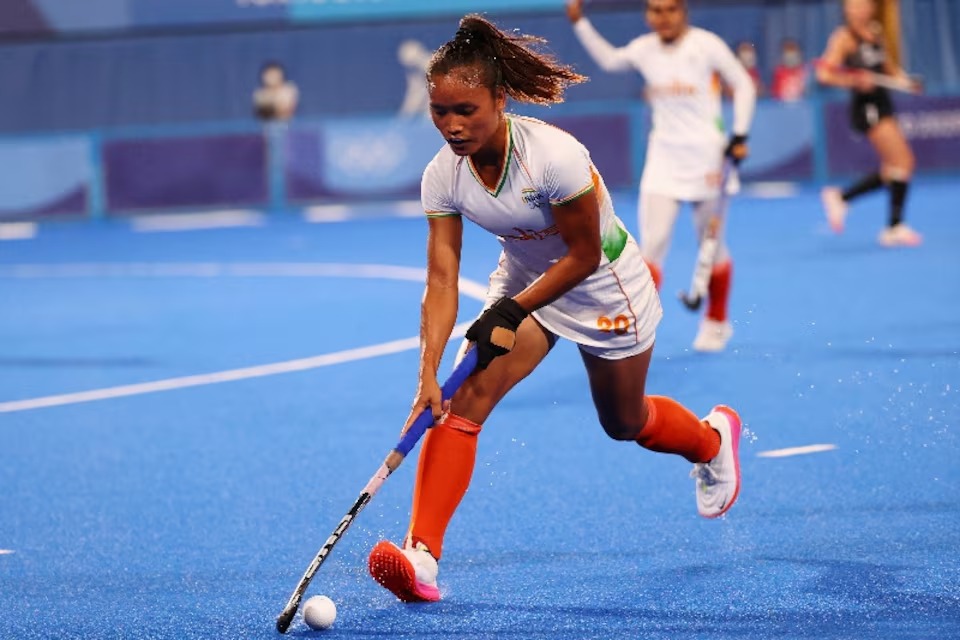
Lalremsiami’s Asian Games Ambition Begins With a Dirt Pitch in Mizoram
India forward Lalremsiami has turned a barefoot childhood route into an international hockey career and a bid for Asian Games gold. Her longer goal—building facilities for girls in Mizoram—shows why a sporting breakthrough matters most when it widens the path behind it.
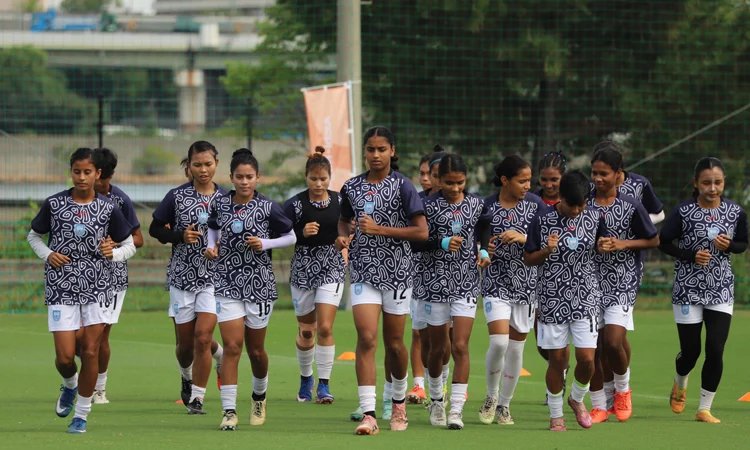
After a 10–0 Defeat, Maria Manda’s Answer Was Not Excuses. It Was: Get Better
Bangladesh opened its Asian Games women’s football campaign with a 10–0 defeat to DPR Korea. Captain Maria Manda’s response was neither denial nor despair: Bangladesh must keep facing stronger teams, work harder and prepare better. That mindset deserves a system capable of matching it.
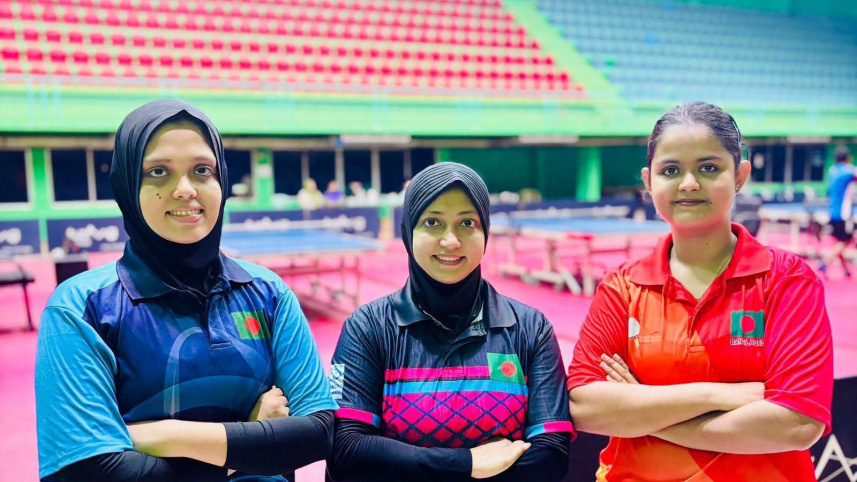
One Narail Family Put Four Women on Bangladesh’s Table Tennis Roster. That Is What a Sports Pipeline Can Look Like
Five-time champion Sonam Sultana Soma, Nowrin Sultana Mahi, Sadia Rahman Mou and Samanta Hossain Tushi come from the same extended family. Their rise from a Narail club to the national team shows how girls progress when family support, coaching, training partners and financial backing exist at the same time.
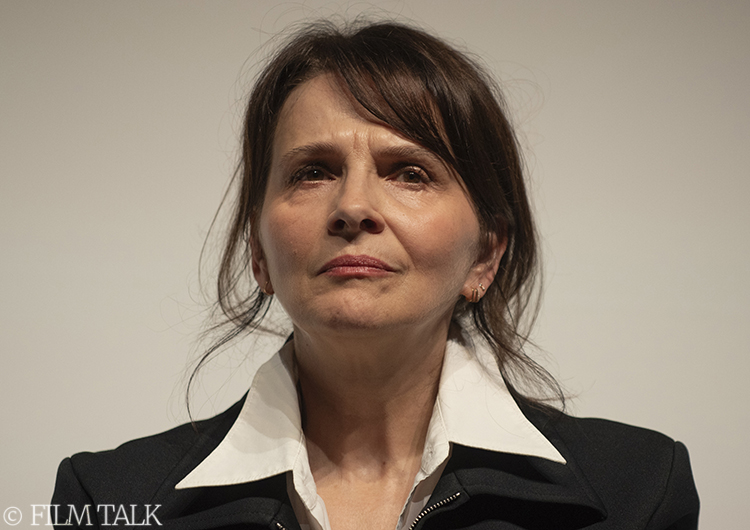
Zahra Joya Refuses to Let Afghanistan’s Women Vanish From the Record
In a new interview, Afghan journalist Zahra Joya connects her own forbidden education to the reporters still documenting life under Taliban rule. Her testimony shows why women’s journalism is not merely representation: it is evidence against enforced erasure.
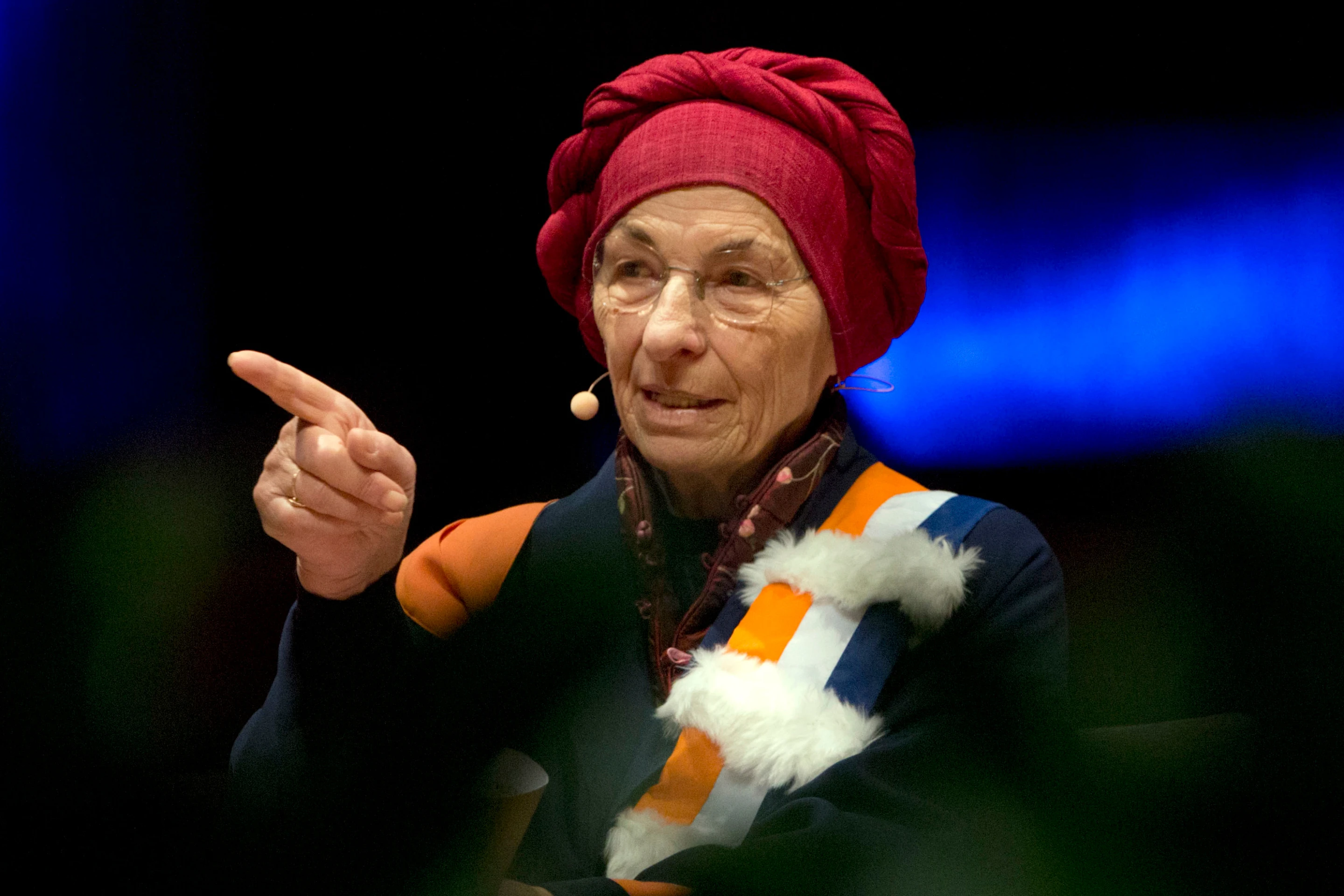
Emma Bonino Turned a Private Ordeal Into Half a Century of Public Freedom
Italian civil-rights leader Emma Bonino, who died on 11 September aged 78, transformed her experience of illegal abortion into a campaign that helped change national law. Her larger legacy is a warning that rights survive only when people keep organising to defend them.

Bangladesh Reached the Asia Cup Semifinal. The Next Level Is Turning Chances Into Pressure
Before facing India, Sharmin Akhter said aspiring champions have to play the strongest teams. Bangladesh’s 40-run semifinal defeat showed exactly what that next level demands: sharper fielding, more batting pressure and fewer opportunities handed back to elite opponents.
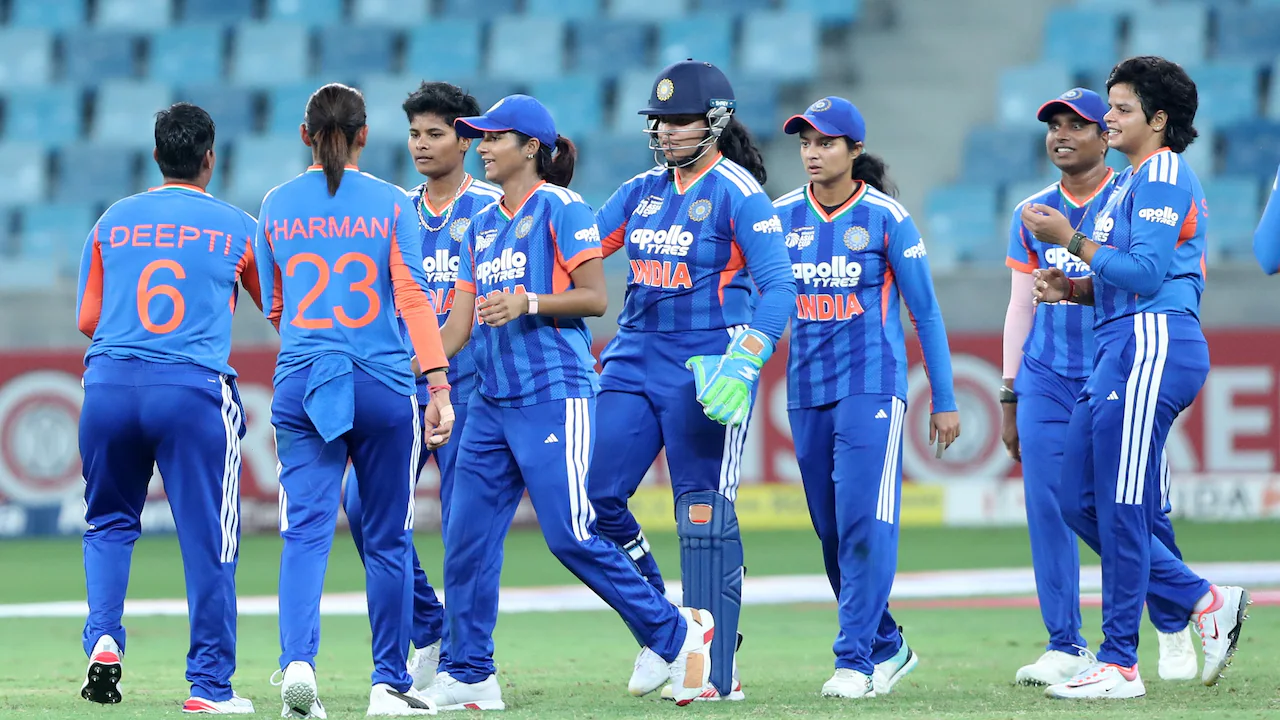
Bangladesh Reached the Asia Cup Semifinal. The Next Level Is Turning Chances Into Pressure
Before facing India, Sharmin Akhter said aspiring champions have to play the strongest teams. Bangladesh’s 40-run semifinal defeat showed exactly what that next level demands: sharper fielding, more batting pressure and fewer opportunities handed back to elite opponents.
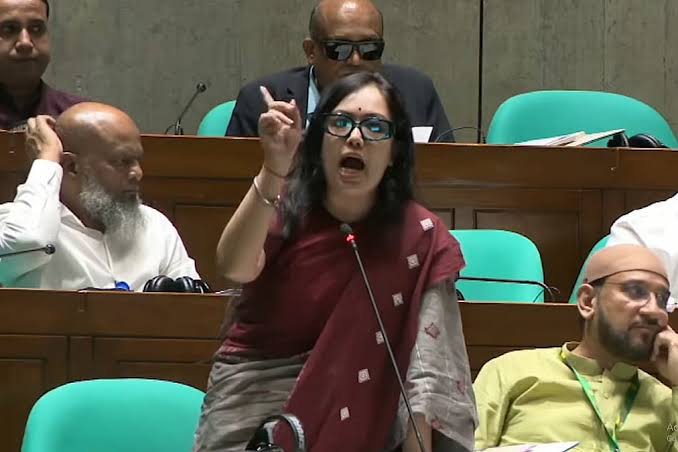
Rumeen Farhana Criticised the Government. Parliament Erupted. Her Right to Be Heard Should Not Depend on Agreement
Independent MP Rumeen Farhana’s criticism of the government over energy shortages, loan defaults and banking policy triggered loud protests from ruling-party lawmakers. In a parliament where only seven women won constituency seats, protecting substantive disagreement matters for women’s political voice as much as representation itself.
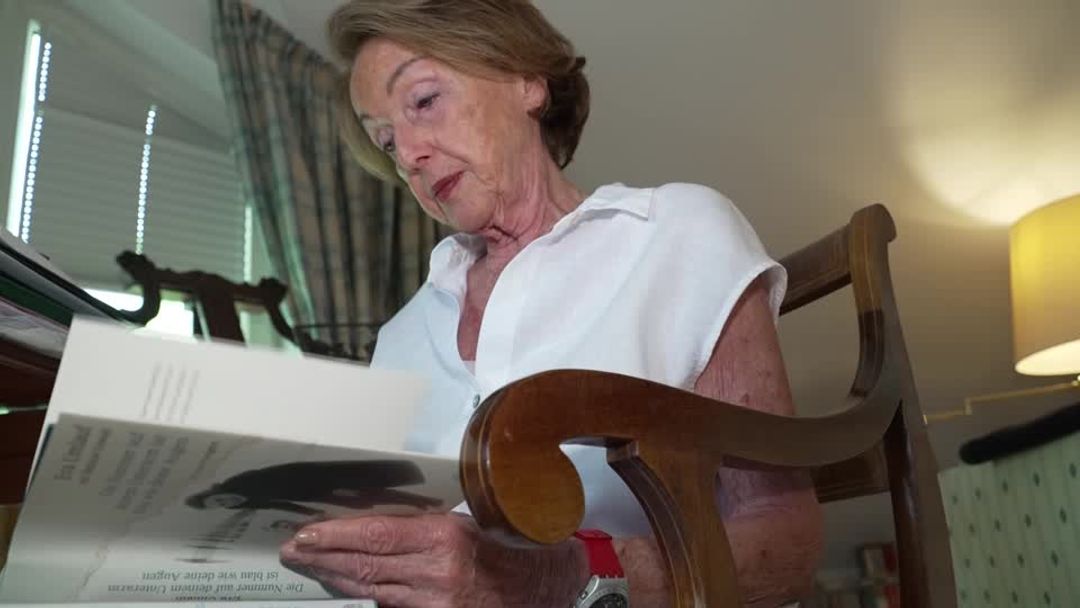
Eva Umlauf’s Warning After an AfD Victory Is About Memory—and Who Feels Safe Now
The Auschwitz survivor says the far right’s electoral advance in Saxony-Anhalt has frightened minority communities. Her intervention links historical remembrance to present-day choices about migration, education and democratic power.
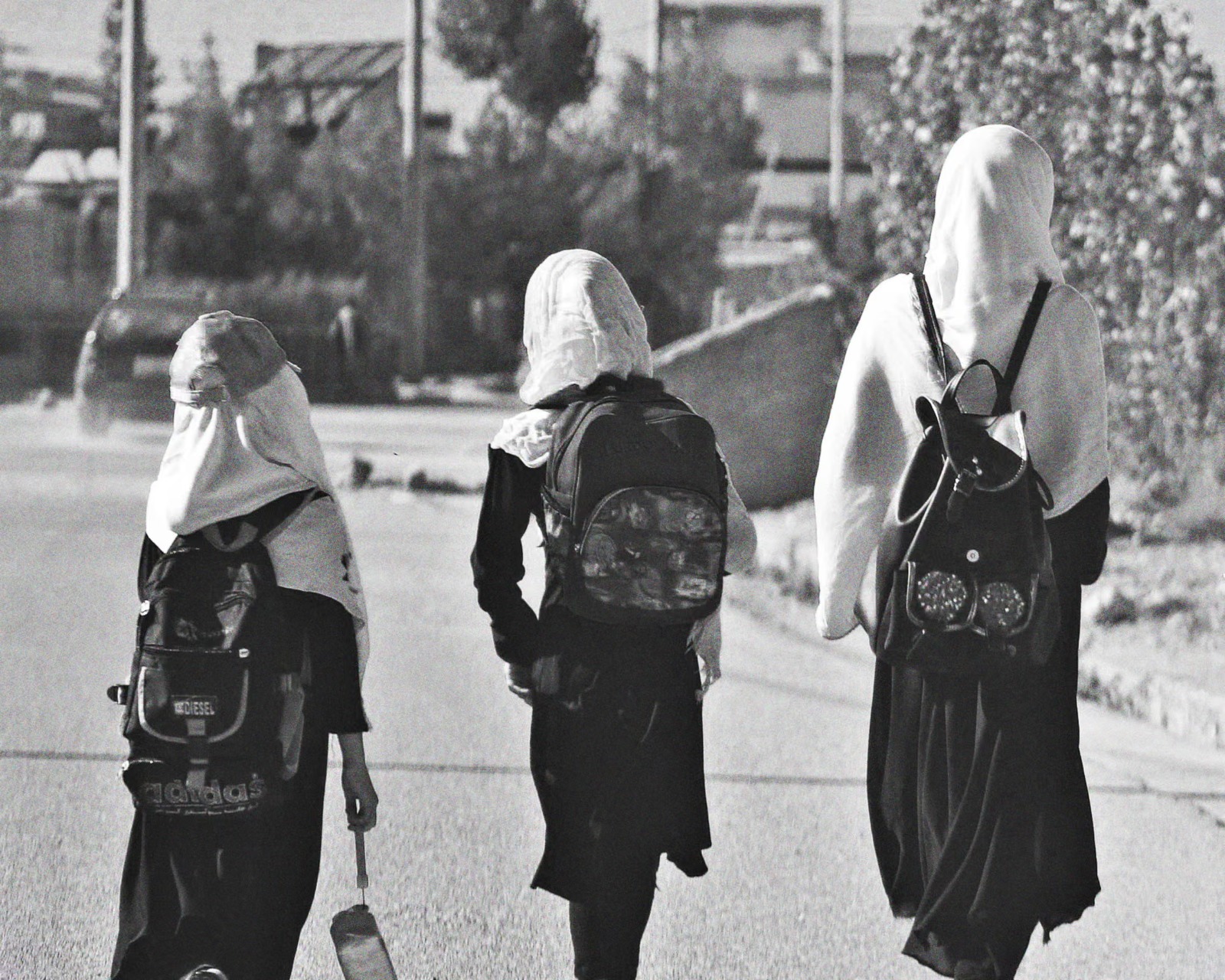
Three Afghan Sisters Keep Studying After Deportation Closed Every Official Door
Maahi, Shallah and Fatimah were expelled from Iran into a country where the Taliban bars girls from secondary school and women from university. Their unofficial lessons in Herat show both the determination of Afghan girls and the cost of policies that refuse to recognise their education.
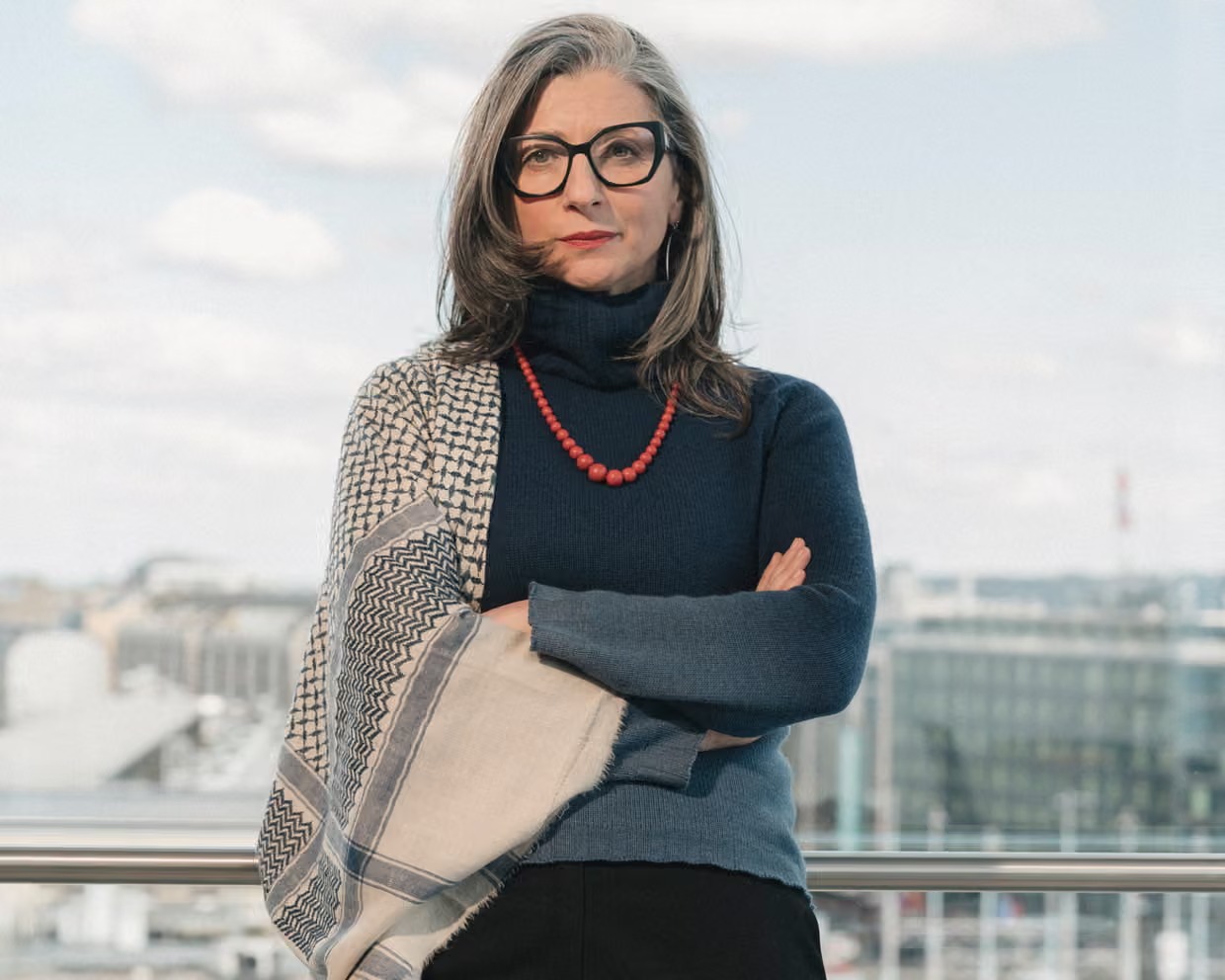
Francesca Albanese Says Britain’s Settlement-Trade Ban Must Be a Beginning
The UN special rapporteur welcomed Britain’s proposed ban on trade with Israeli settlements while arguing that goods alone are too narrow a test of legal consistency. Her intervention asks whether a policy reset will change material relationships or simply its language.
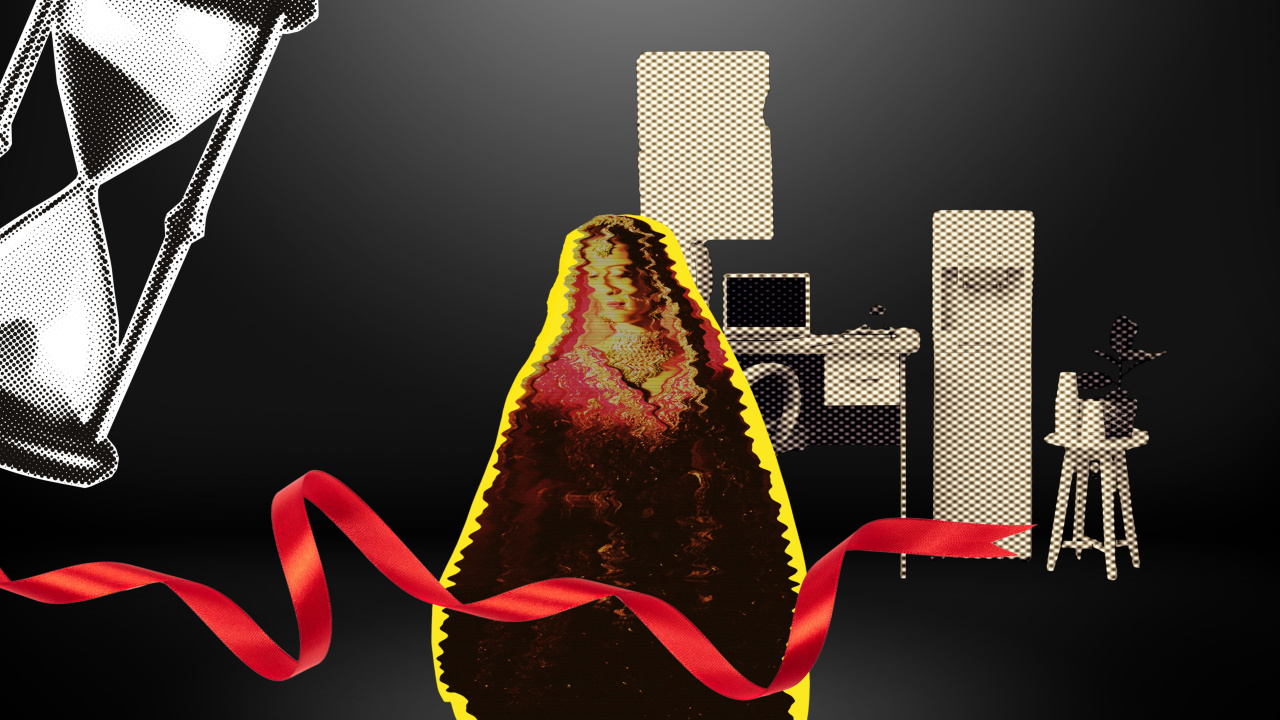
Bangladeshi Women Should Not Need a Deadline for Marriage
A new first-person essay from a Bangladeshi university teacher describes the relentless questions unmarried women face about age, appearance and marriage. The deeper issue is not whether women marry—it is why society continues to treat marriage as a deadline against which a woman’s life is measured.

Quechua Women in Cusco Are Turning Literacy Into Local Authority
A mobile community school in rural Peru has helped 200 Quechua-speaking women learn to read and write and at least 100 complete basic education. Its success rests on adapting education to women’s lives and recognising knowledge they already hold.
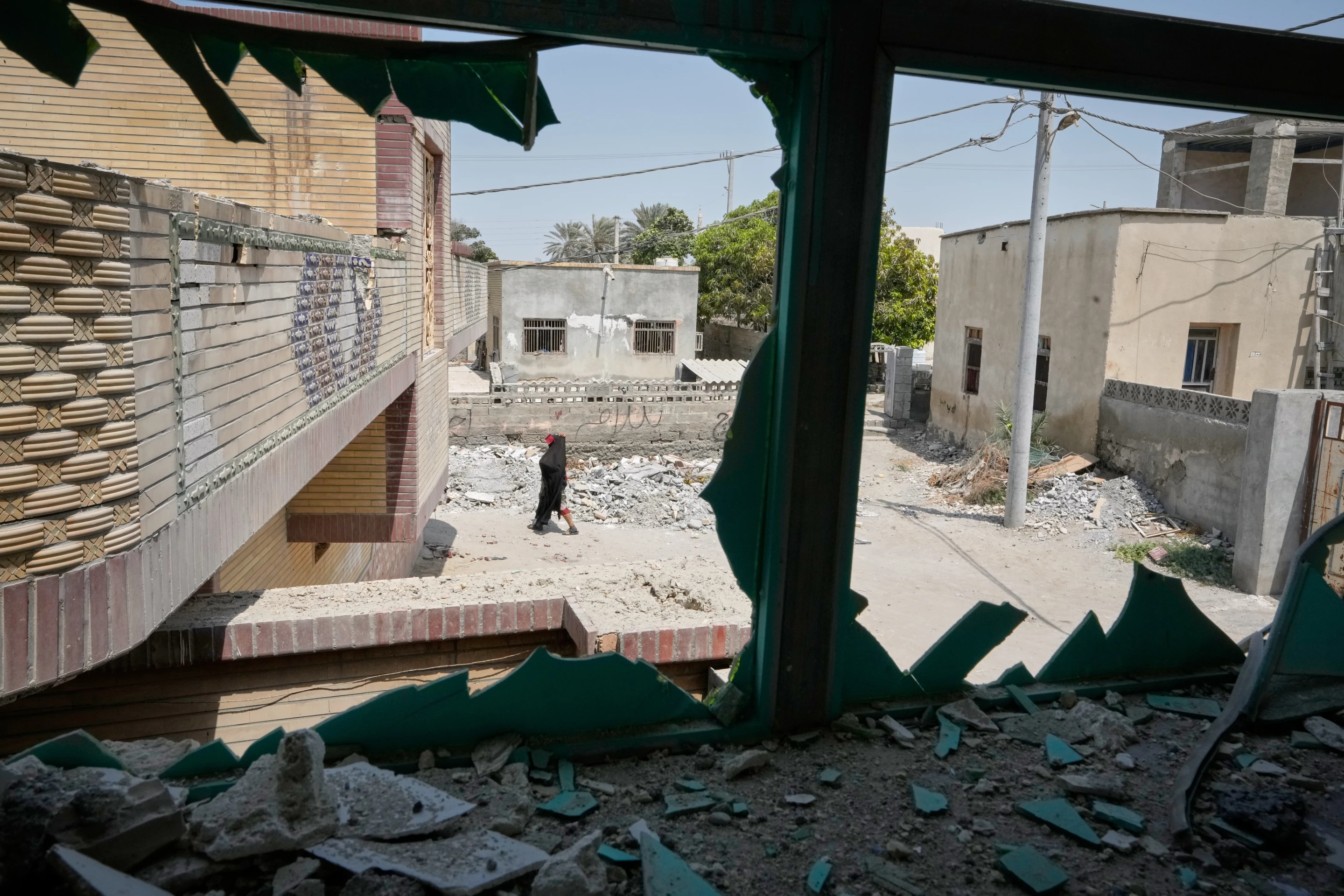
An Iranian Wedding Became a Test of Whether Civilian Harm Will Be Accounted For
Women and children waiting for a wedding celebration in southern Iran were caught in a deadly strike now under US review. Their testimony and the physical evidence make civilian protection—and a transparent investigation—the story, not a footnote to military claims.
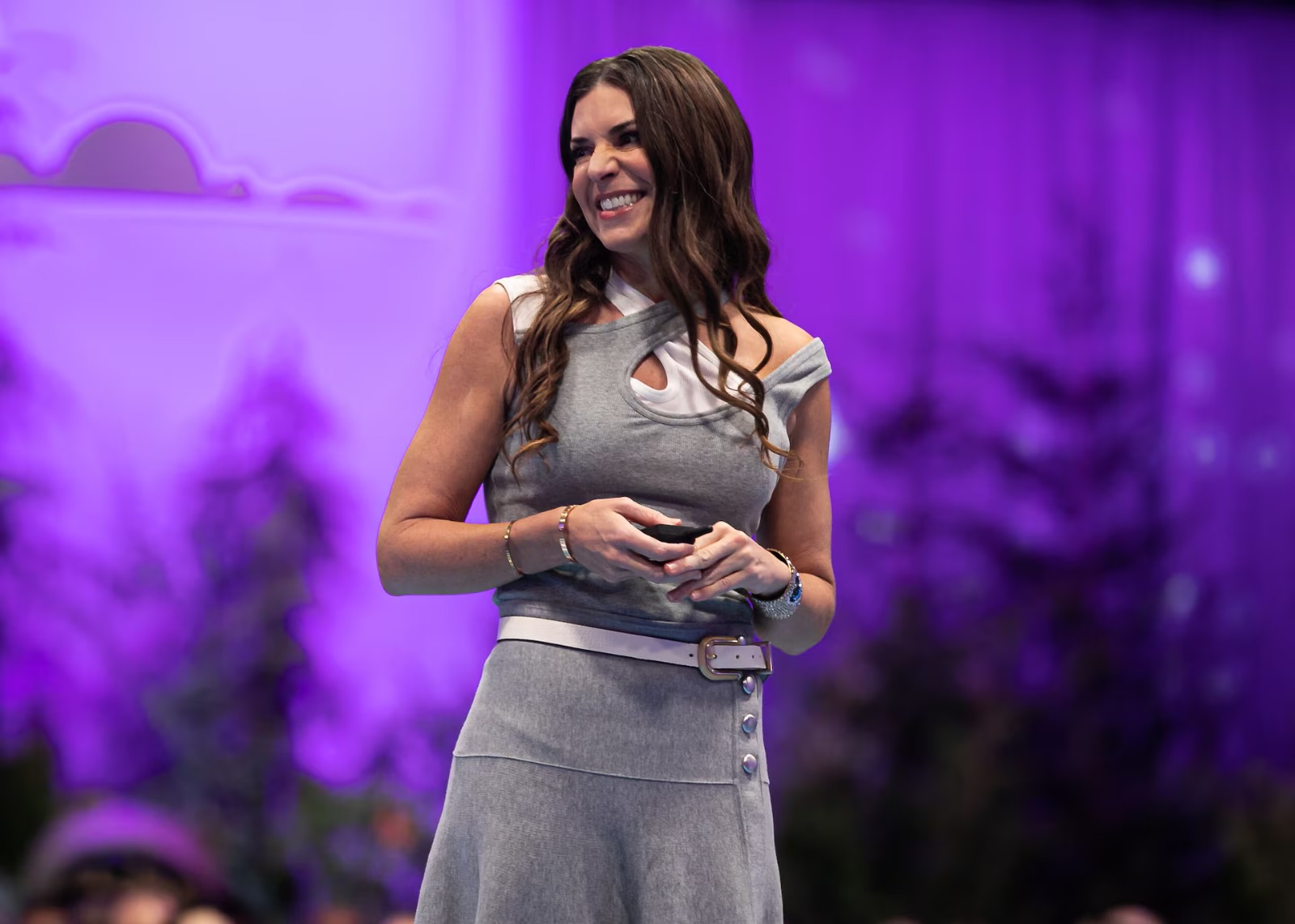
Sarah Franklin’s Career ‘Jungle Gym’ Makes Room for Sideways Ambition
Lattice chief executive Sarah Franklin describes a career built through lateral moves, technical fluency and access she had to create for herself. Her experience offers a useful counterweight to the corporate ladder, while leaving room to ask how leaders widen access for others.
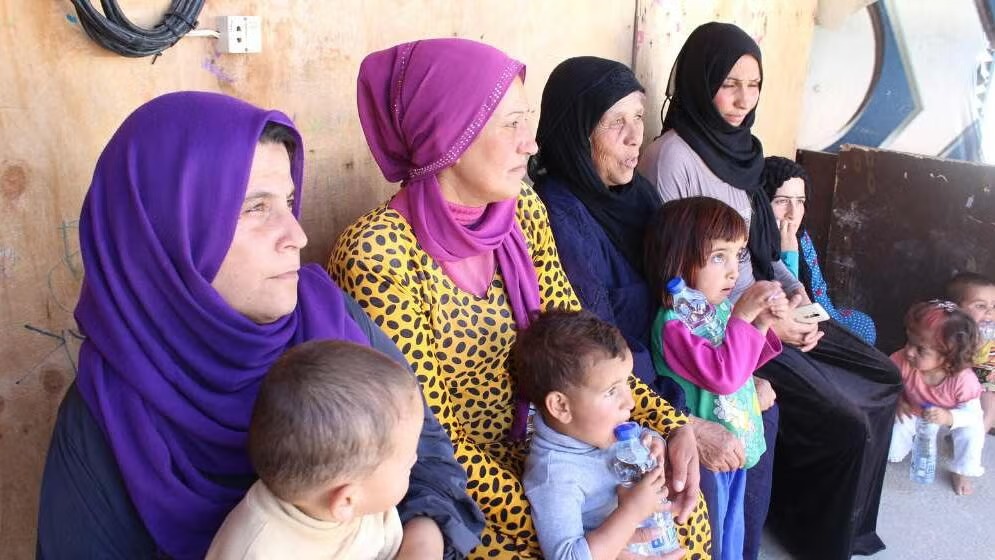
Three Lebanese Generations Describe a War That Never Stays in the Past
UN Women’s new oral-history feature follows a grandmother, mother and girl living through repeated conflict in Lebanon. Their accounts show how war changes education, care and expectations long after a strike ends.
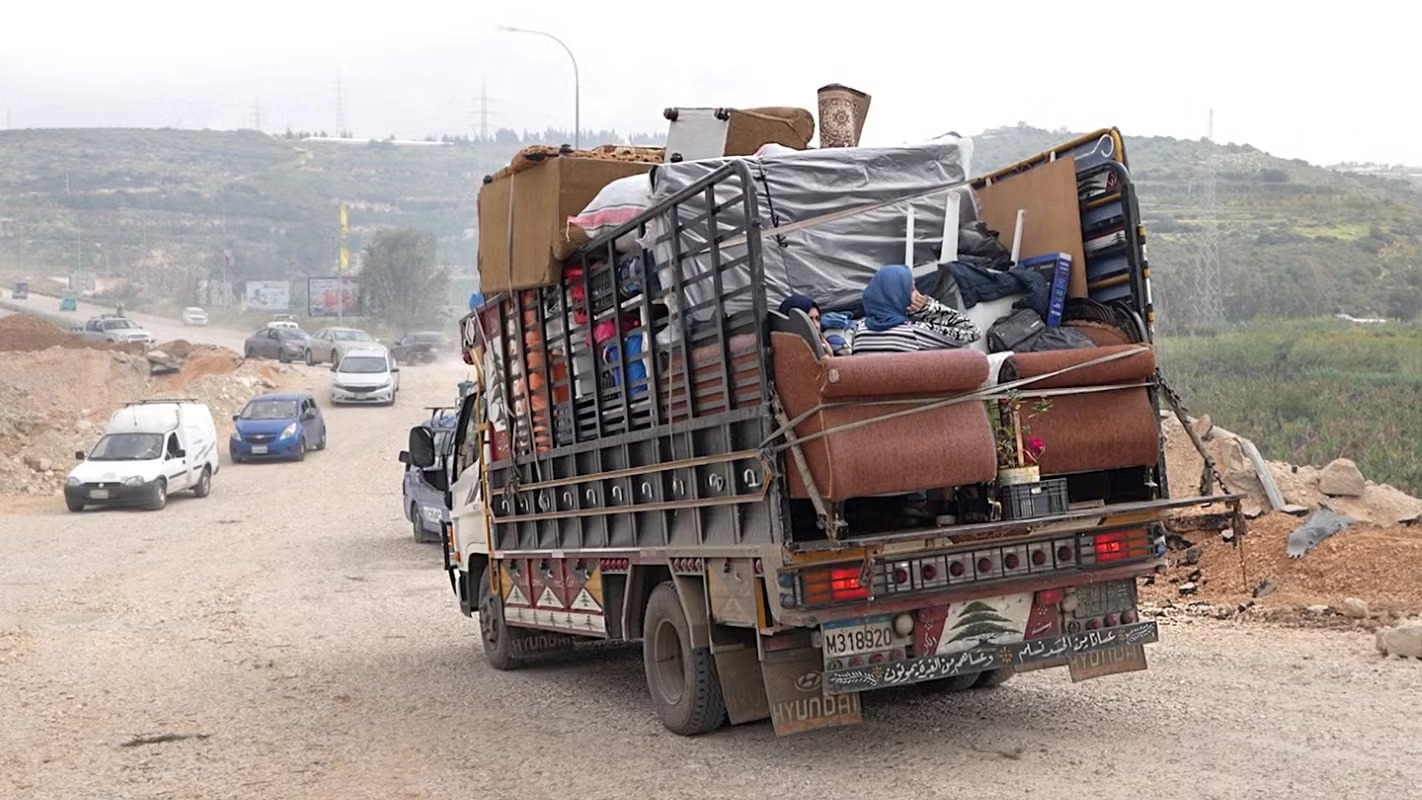
Three Lebanese Generations Describe a War That Never Stays in the Past
UN Women’s new oral-history feature follows a grandmother, mother and girl living through repeated conflict in Lebanon. Their accounts show how war changes education, care and expectations long after a strike ends.
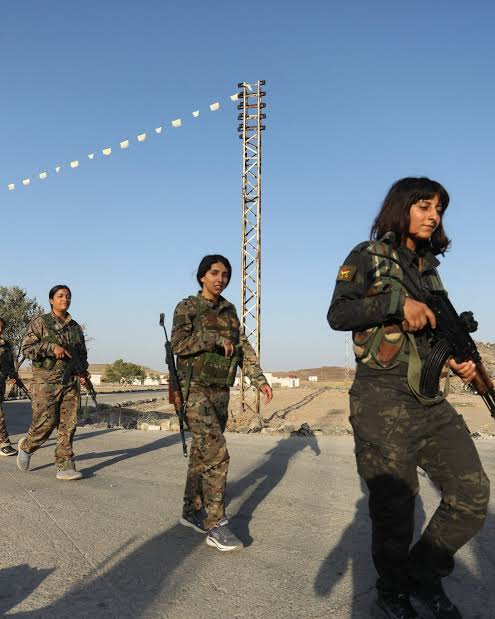
Syria’s Kurdish Women Fighters Want a Future They Helped Win
The YPJ became an international symbol in the campaign against Islamic State. Its members are now asking Syria’s new authorities for an organised security role, making their status a test of whether women’s wartime authority survives political transition.
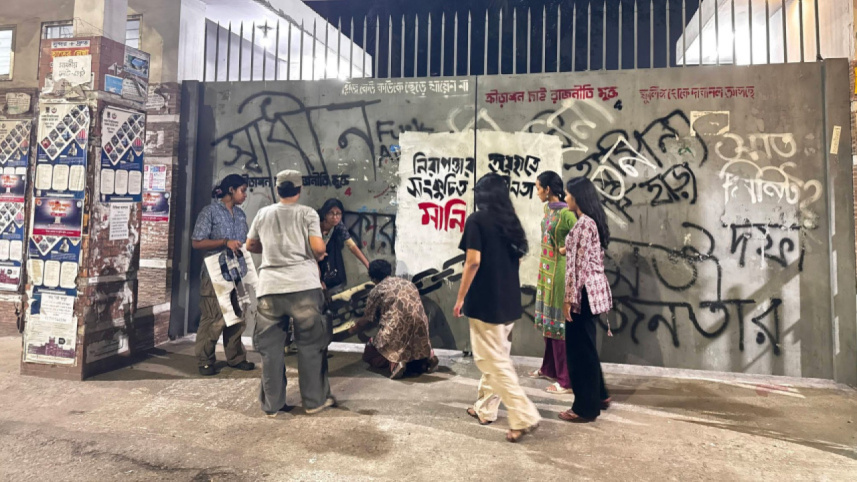
Dhaka University Gives Women One More Hour. Students Are Asking Why They Need a Curfew at All
Dhaka University has extended the closing time of women’s residential halls from 10pm to 11pm after weeks of student protests. But campaigners are still demanding 24-hour access, arguing that women should not have less freedom of movement than male students in the name of safety.
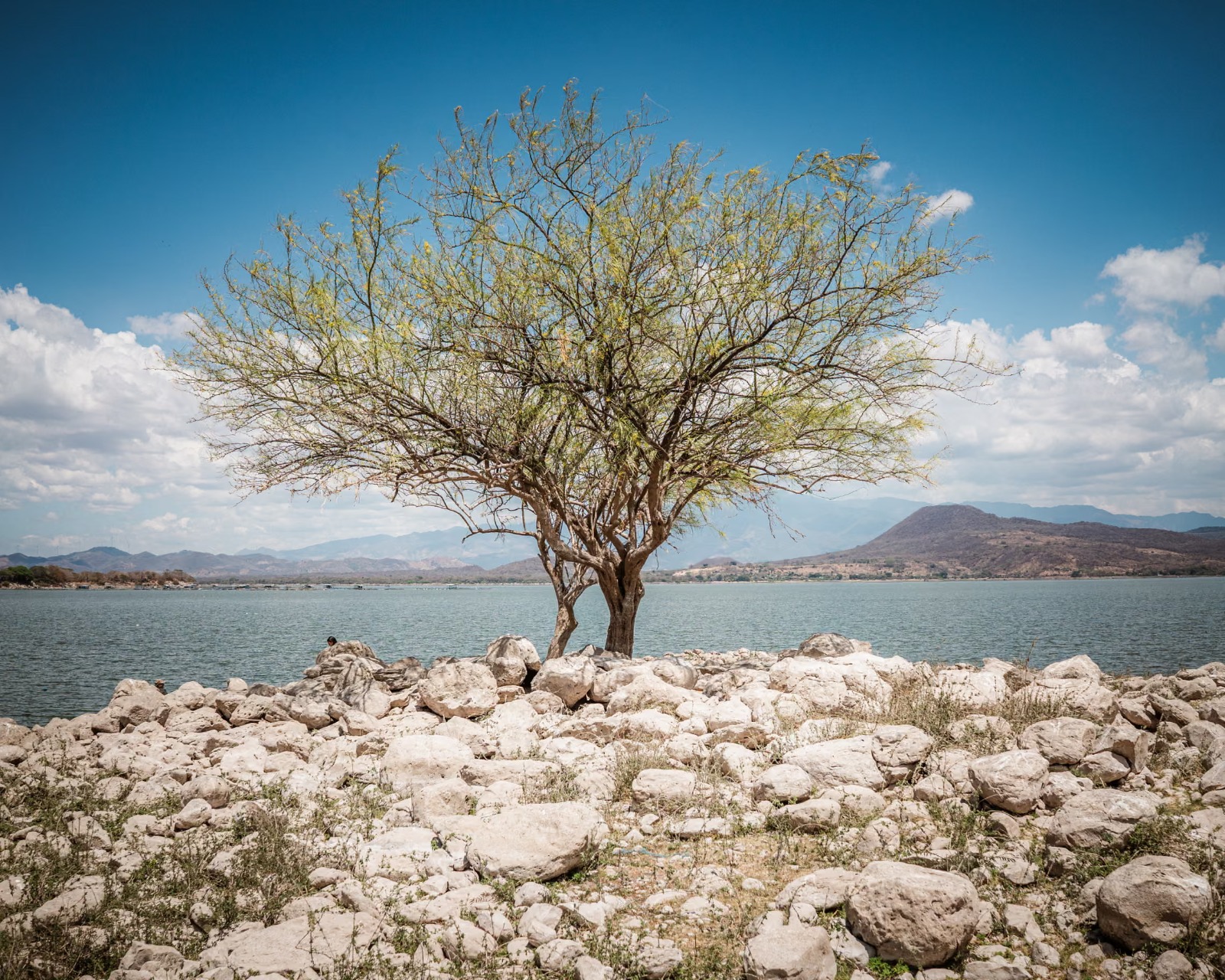
Guatemalan Women Say a Revived Gold Mine Could Drain the Water Beneath Their Homes
Construction has resumed at the Era Dorada gold project despite longstanding community opposition. Women living near the mine and downstream wetlands fear that water loss or contamination could threaten household survival, farming and fishing

Soweto Mothers Say Care Must Include the Person They Are Becoming
Longitudinal interviews show young mothers balancing love, financial pressure, altered ambitions and changing identities. Maternal services often address pregnancy and infant health without supporting that transition.
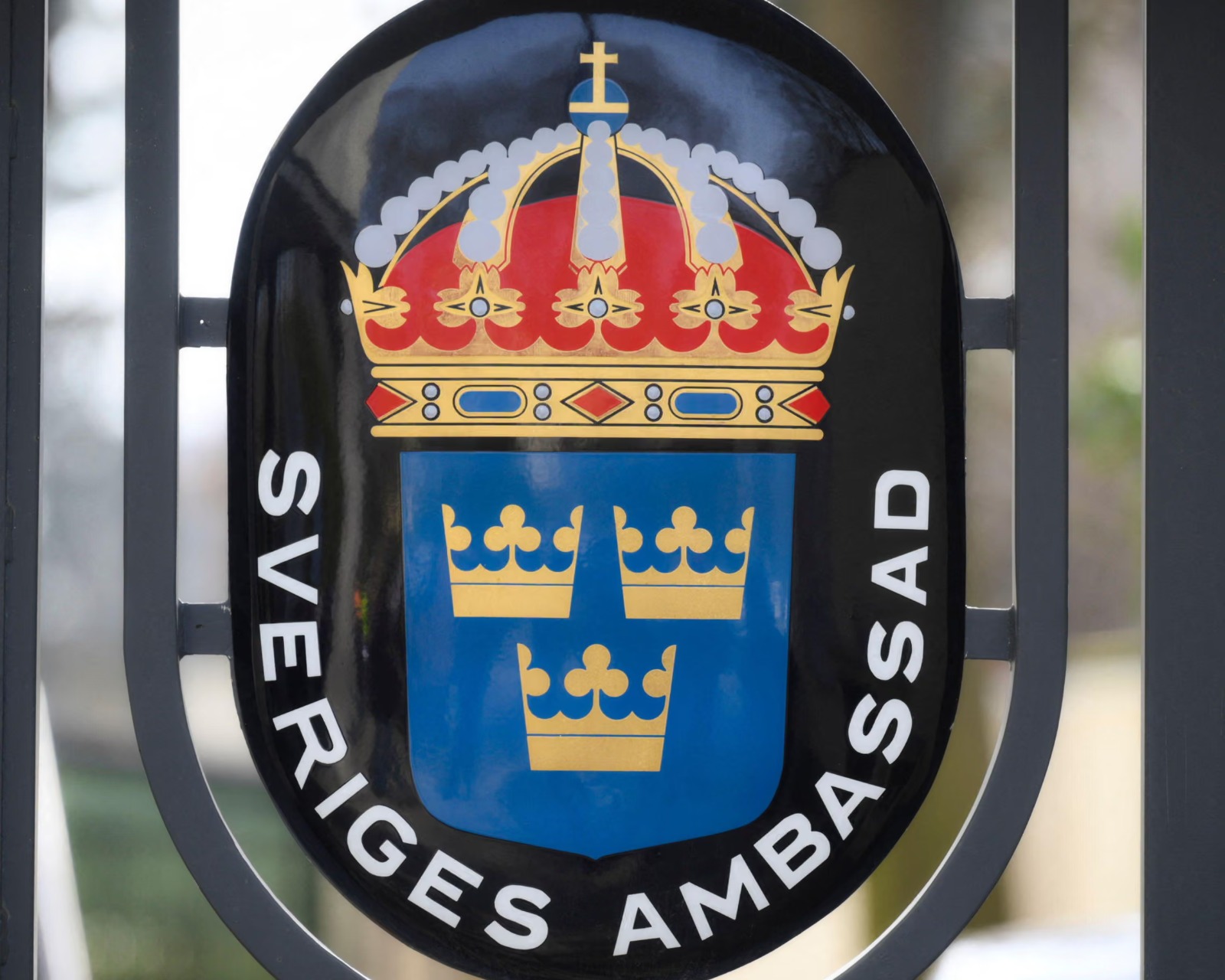
Liberian Women’s Advocates Warn Sweden’s Exit Is More Than a Budget Cut
Sweden’s bilateral aid programme in Liberia ends today after supporting women’s health, rights and peacebuilding for years. Liberian activists say the withdrawal threatens local organisations whose work cannot be replaced quickly by larger international institutions.

Dolly Parton Gave Working Women Language for Lives Pop Culture Often Ignored
Parton rarely adopted a formal feminist label, but her songwriting repeatedly examined women’s labour, double standards and autonomy. Her death invites attention to the social record embedded in her music.
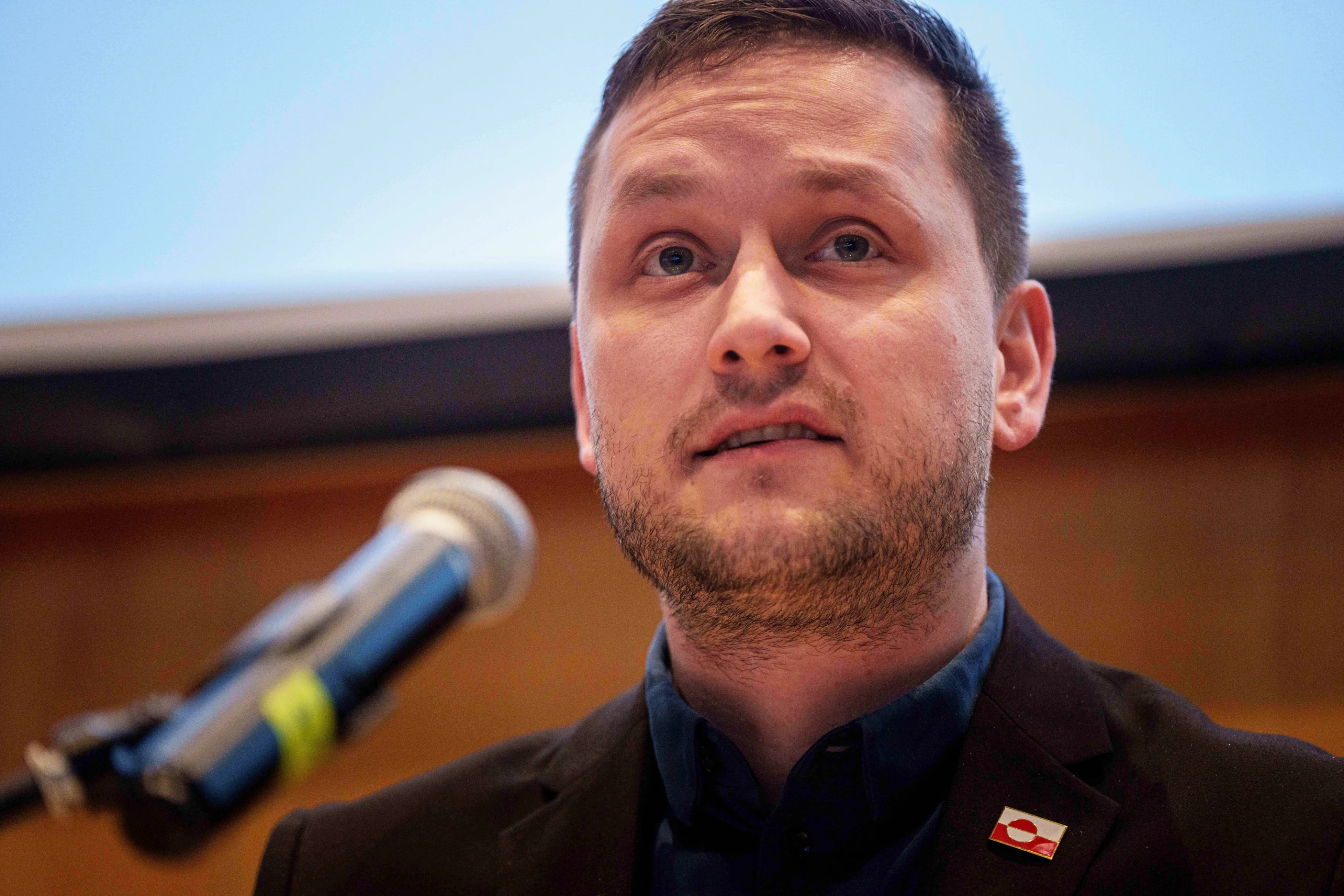
Greenland’s Contraception Inquiry Must Not Let a Legal Dispute Eclipse Women’s Testimony
Two reports disagree over how international law applies to Denmark’s contraception campaign in Greenland. Whatever legal classification ultimately emerges, the evidence establishes profound violations of Indigenous women’s bodily autonomy.
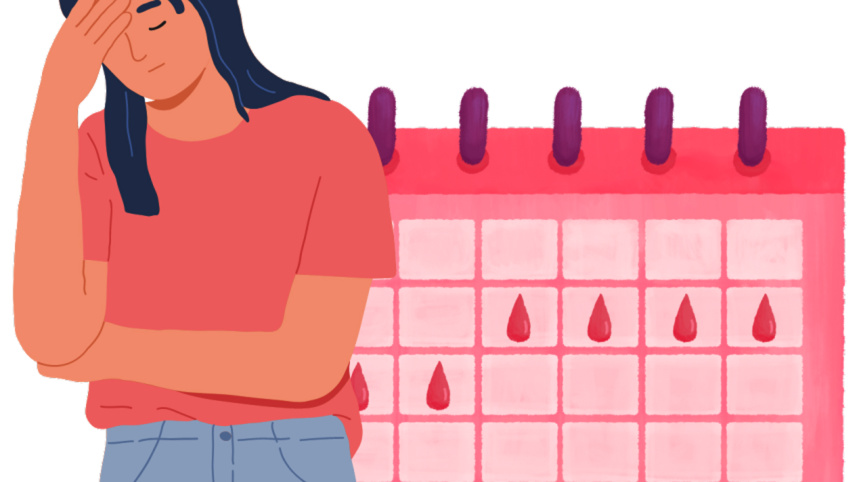
Period Pain Should Not Be a Test of How Much a Woman Can Endure at Work
A fresh call for menstrual leave in Bangladesh is reopening an uncomfortable workplace question: should women experiencing severe period symptoms have to choose between their health, attendance record and professional reputation?
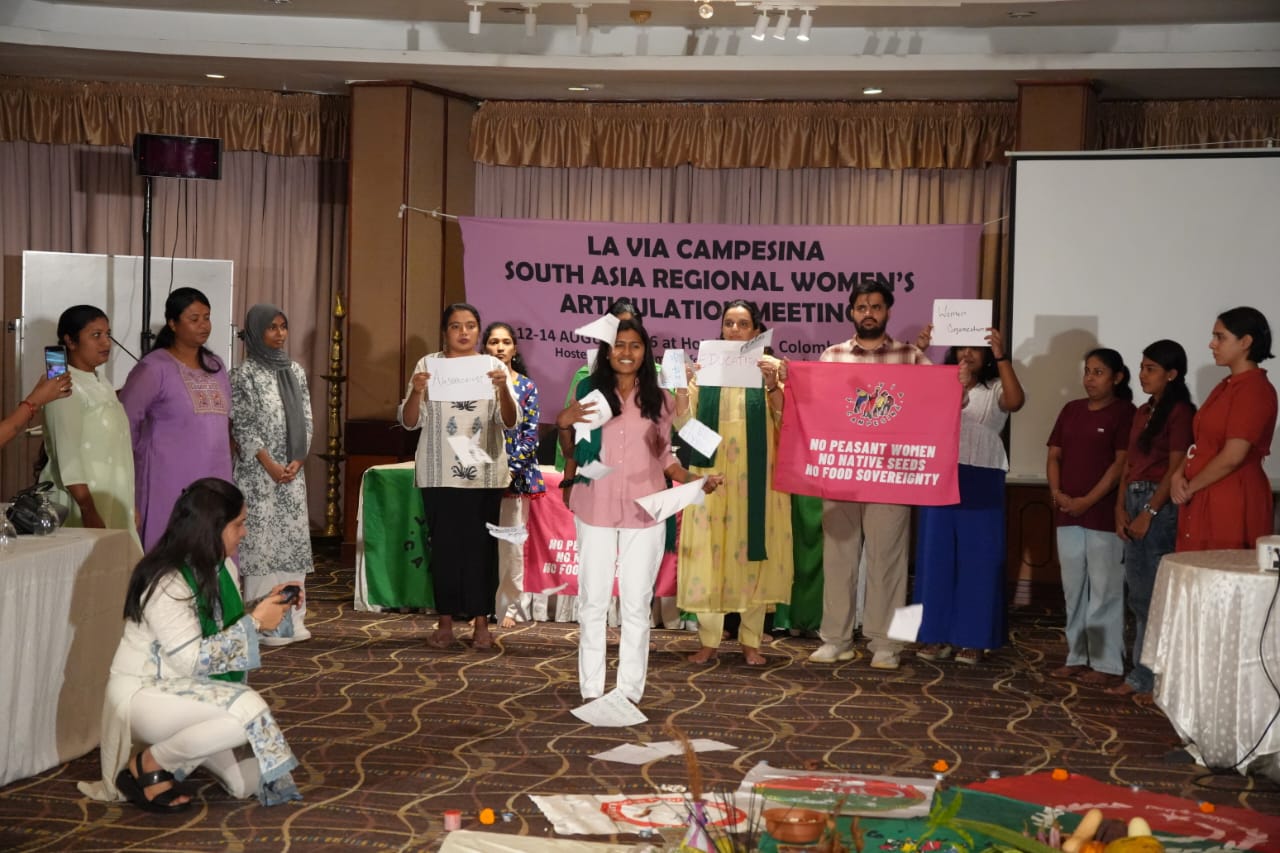
Women Athletes Deserve a Better Debate Than Biology Versus Belonging
New sex-eligibility rules have intensified disagreement over transgender and intersex participation in women’s sport. Athletes need policies grounded in evidence, privacy and procedural fairness—not hostility directed at individuals.

Women Athletes Deserve a Better Debate Than Biology Versus Belonging
New sex-eligibility rules have intensified disagreement over transgender and intersex participation in women’s sport. Athletes need policies grounded in evidence, privacy and procedural fairness—not hostility directed at individuals.
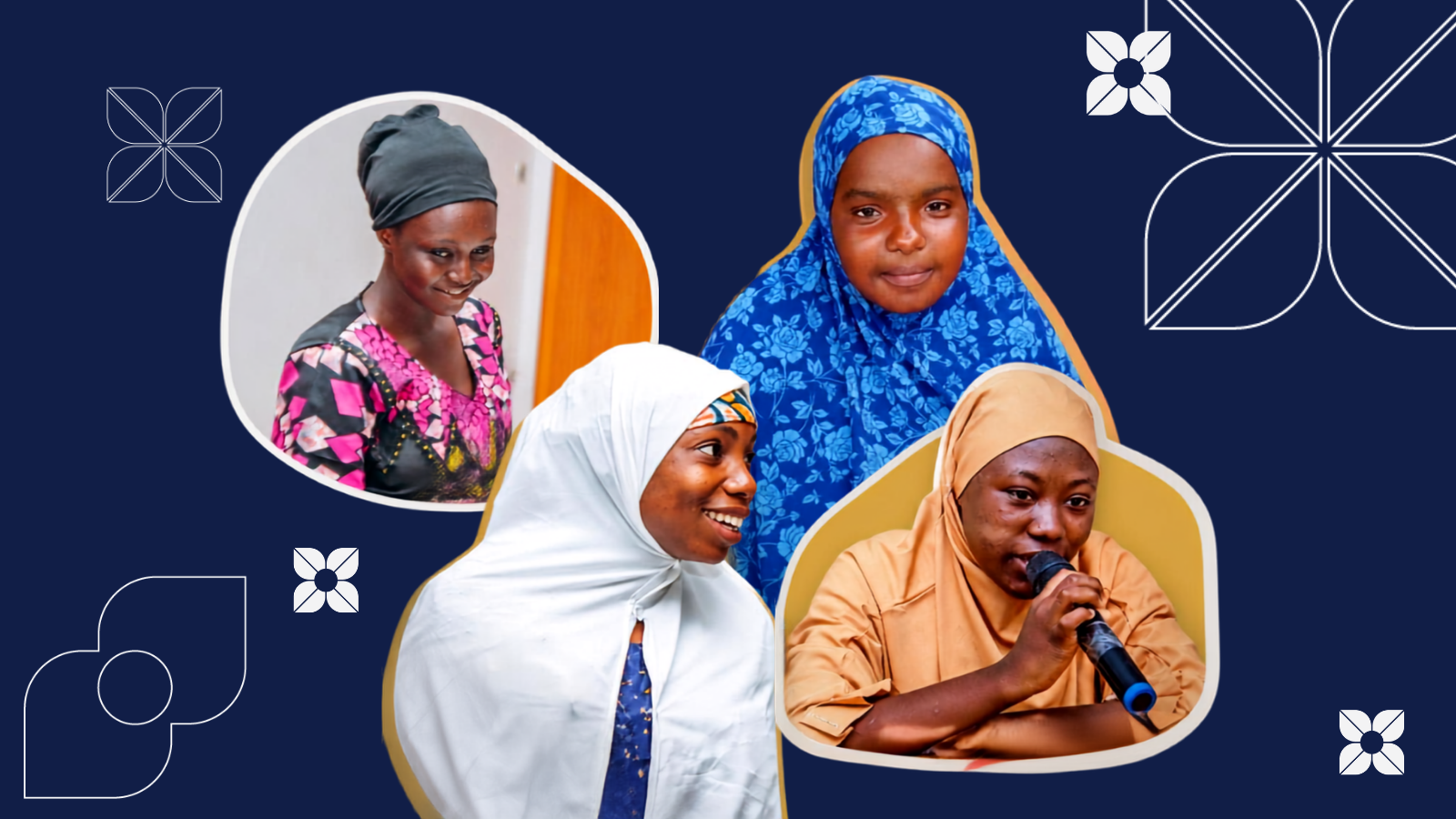
Married Girls in Nigeria Are Asking for Education, Not Erasure
Testimony gathered in northern Nigeria shows that marriage and motherhood do not end girls’ educational ambitions. The real barrier is a system that often stops seeing them as students—or even as children.
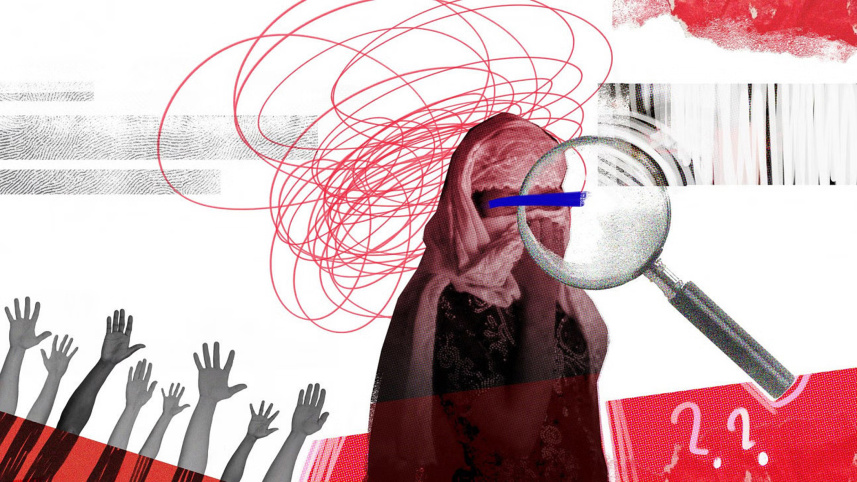
Stopping Violence Against Women Requires Men to Challenge Other Men
Bangladesh’s violence-against-women crisis cannot be addressed only by asking women to protect themselves. Families, schools and communities also need men and boys to challenge harassment, control and violence among their peers.
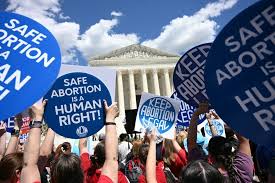
Women’s Online Abortion Accounts Reveal the Human Cost Behind U.S. Policy
New research examines how women describe medication-abortion experiences online following the US Supreme Court’s Dobbs decision. These accounts may document barriers that clinical and government data fail to capture.

Female Entrepreneurship Is Rising
A new analysis reports strong growth in women-founded businesses, but company formation alone does not establish equal access to finance, revenue or scale.
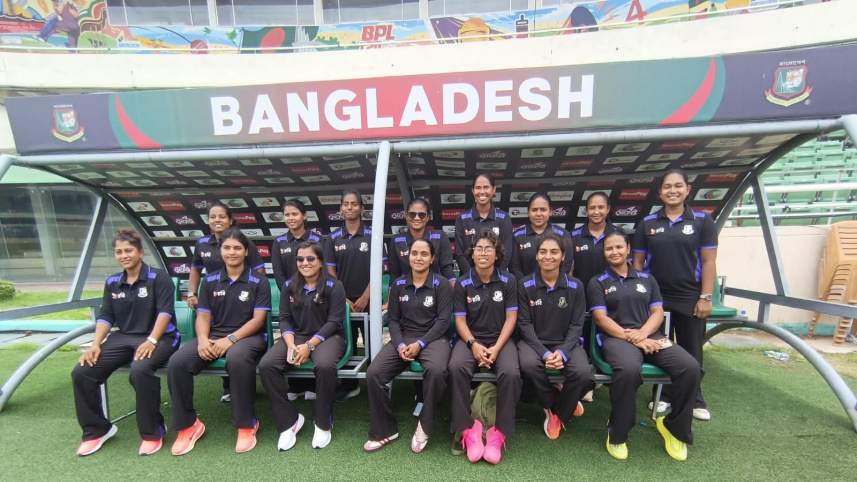
Nigar Sultana Joty Sets Bangladesh a Bigger Goal: Reach the Asia Cup Final
Bangladesh captain Nigar Sultana Joty says her team wants to break its recurring semifinal barrier at the Women’s T20 Asia Cup before pursuing an Asian Games medal.

Women-Only Buses Cannot Be the Final Answer to Women’s Unsafe Commutes
Bangladesh’s new Pink Bus service has revived an older debate: should women need separate transport to feel safe, or should every bus become safe enough for them to use without fear?
tudy Links Partners’ Objectification of Other Women to Lower Wellbeing HOLD — independent expert interpretation required before publication.
New research examines whether repeatedly seeing a partner objectify other women can affect women’s body image, self-esteem and relationship satisfaction.
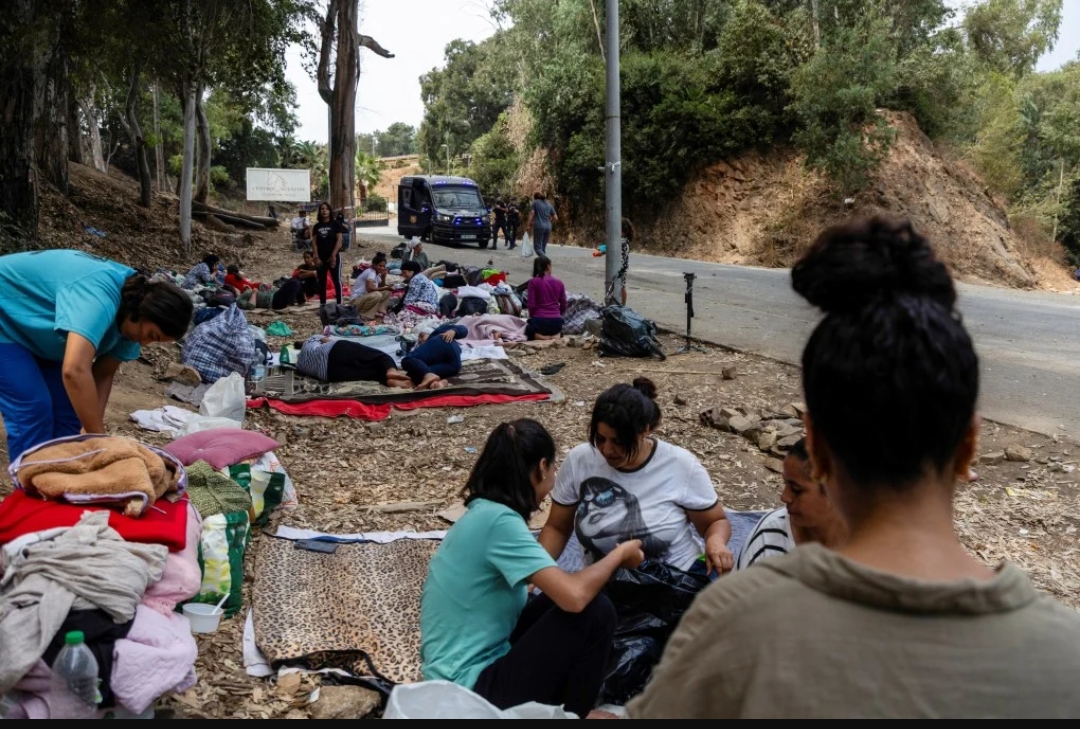
Migrant Women in Ceuta Say Harassment Compounds an Already Dangerous Journey
Women who reached Spain’s North African enclave during a mass border crossing say inadequate shelter and registration delays have exposed them to harassment and fear.

Migrant Women in Ceuta Say Harassment Compounds an Already Dangerous Journey
Women who reached Spain’s North African enclave during a mass border crossing say inadequate shelter and registration delays have exposed them to harassment and fear.
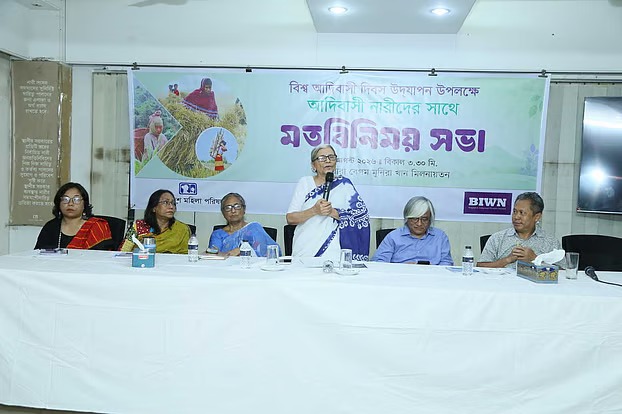
Bngladesh’s Indigenous Women Face a Double Burden — What Gets Left Out of the National Conversation
From land disputes and violence to gaps in healthcare and political voice, women from Indigenous communities face overlapping barriers that rarely receive sustained national attention.