
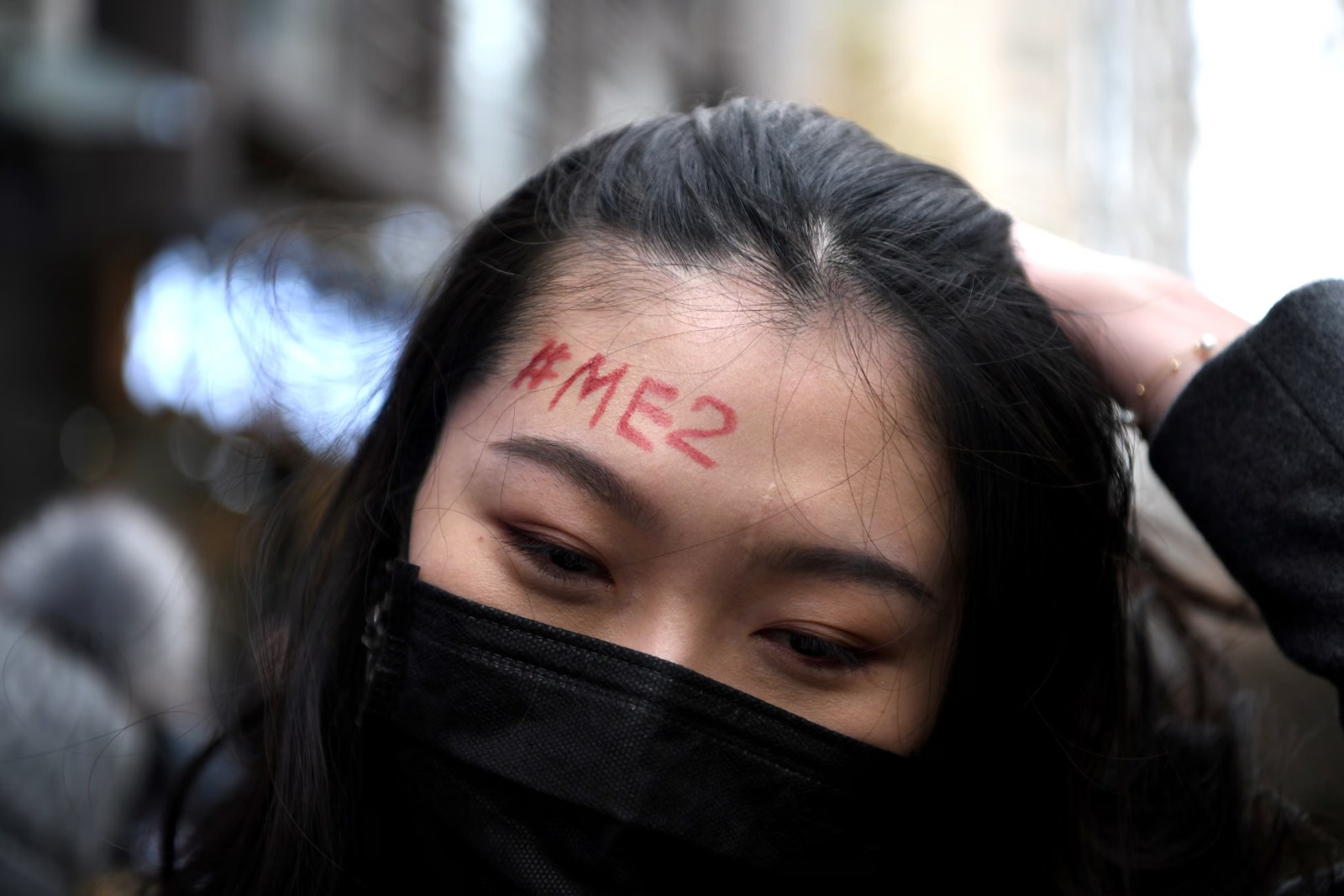
BEIJING — China’s feminist movement has become less visible but not absent, with organisers increasingly using private networks, art events and informal discussion groups to sustain work that once unfolded more openly online.
A Guardian report published on 21 September describes activists meeting in small circles or presenting gatherings through cultural and educational themes. The tactics reflect a political environment in which feminist accounts have been deleted, public events interrupted and prominent campaigners prosecuted.
Citizen journalist and women’s-rights advocate Sophia Huang Xueqin remains a defining case. Huang documented sexual harassment and helped bring China’s #MeToo movement into public view. She was detained in 2021 with labour-rights activist Wang Jianbing and later convicted of “inciting subversion of state power.” Rights groups have said the case punished peaceful expression and association.
The crackdown changed the movement’s operating model. Large hashtags can be rapidly blocked. Public venues may cancel at short notice. Organisers can expose participants to questioning simply by collecting names or publishing a programme. Smaller groups lower some risks, although they also limit reach and make fundraising, documentation and succession harder.
That shift should not be mistaken for failure. #MeToo altered the language available to Chinese women discussing workplace and university harassment. It also exposed the weakness of formal complaint systems and the personal costs imposed on those who challenge powerful institutions.
Women still face a difficult calculation. An anonymous account may protect a survivor but be dismissed as unverifiable. A named allegation can force attention but invite defamation claims, job loss, online abuse or police scrutiny. Independent reporting and fair procedures are necessary precisely because neither censorship nor social-media virality can determine the truth of an individual case.
The movement’s future will depend partly on whether quiet networks can preserve trust without becoming isolated. Secure communication, informed consent and careful handling of personal testimony are as important as public slogans. International supporters should avoid identifying participants or romanticising risk that they do not personally bear.
China’s feminists have not simply gone underground; they are experimenting with forms of community that can survive a hostile public sphere. Their reduced visibility measures the strength of state pressure, not the disappearance of women’s demands.




Join the discussion