
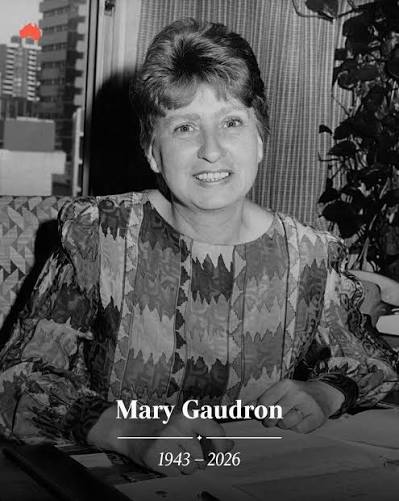
CANBERRA, Australia — Mary Gaudron’s death at 83 closes a life that altered both the composition of Australia’s highest court and the law it produced.
The High Court announced her death on 13 September, noting that she served as a justice from 1987 to 2003. When appointed, Gaudron was the first woman to sit on the court since its creation in 1903. She arrived after already becoming the first woman on the New South Wales Bar Council, the state’s first woman Queen’s Counsel and the youngest person appointed to the federal Conciliation and Arbitration Commission.
Those firsts were not decorative. Gaudron entered a profession whose networks, rituals and assumptions had been built largely by men, then exercised authority in cases that defined equality and public power.
She was part of the High Court majority in the 1992 Mabo decision, which rejected the legal fiction of terra nullius and recognised that Indigenous rights to land could survive British colonisation. The ruling did not resolve the dispossession of Aboriginal and Torres Strait Islander peoples, but it removed a foundational denial from Australian common law.
Her work also reflected long experience in industrial law. Before joining the court, Gaudron had served as solicitor-general of New South Wales and argued major equal-pay and discrimination matters. After retiring from the High Court, she joined the Administrative Tribunal of the International Labour Organization in Geneva.
Governor-General Sam Mostyn and Attorney-General Michelle Rowland were among those paying tribute, according to Australian reporting. The praise should not flatten a judge into a symbol. Judicial legacies are properly assessed through reasoning, outcomes and the institutions they leave behind, including judgments that remain open to disagreement.
Yet representation mattered in a direct way. Every woman lawyer appearing before Gaudron saw that constitutional authority was not inherently male. Her appointment also exposed the inadequacy of treating one woman as completion: more than a century after the court began, women are no longer unprecedented on the bench, but gender and class still shape entry, promotion and briefing opportunities across the profession.
Gaudron’s career joined two forms of change. She occupied a place from which women had been excluded, and she helped dismantle legal doctrines that excluded other people from recognition. The significance lies not only in being first, but in what she did once the door opened.




Join the discussion