Search SheFront
Find stories by keyword, Year, Month, category, Region, Country, contributor, coverage or language.

Women’s Monthly Heart-Rate Patterns Are a Research Clue, Not a Diagnosis
An analysis of long-term smartwatch records found multiday heart-rate rhythms in 70% of participants, with monthly patterns more common among women. The finding could guide future research, but it does not prove a menstrual cause or justify treatment based on a wearable graph.
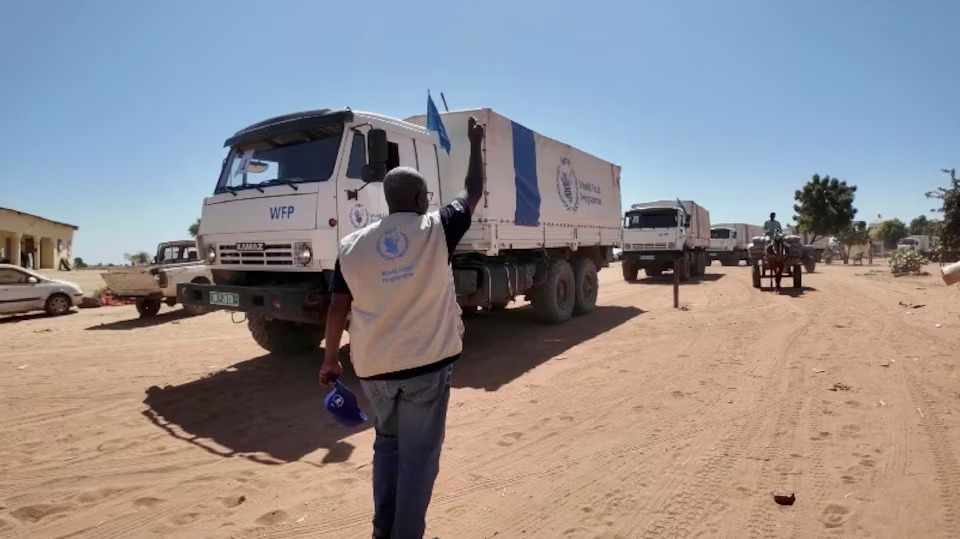
Sudan’s Food Lifeline Has Lost Two-Thirds of Its Funding
The World Food Programme says its Sudan budget has fallen from $645 million last year to about $206 million this year while nearly 20 million people face hunger. Women are absorbing the shortage through reduced meals, unsafe journeys and the collapse of care around pregnancy and displacement
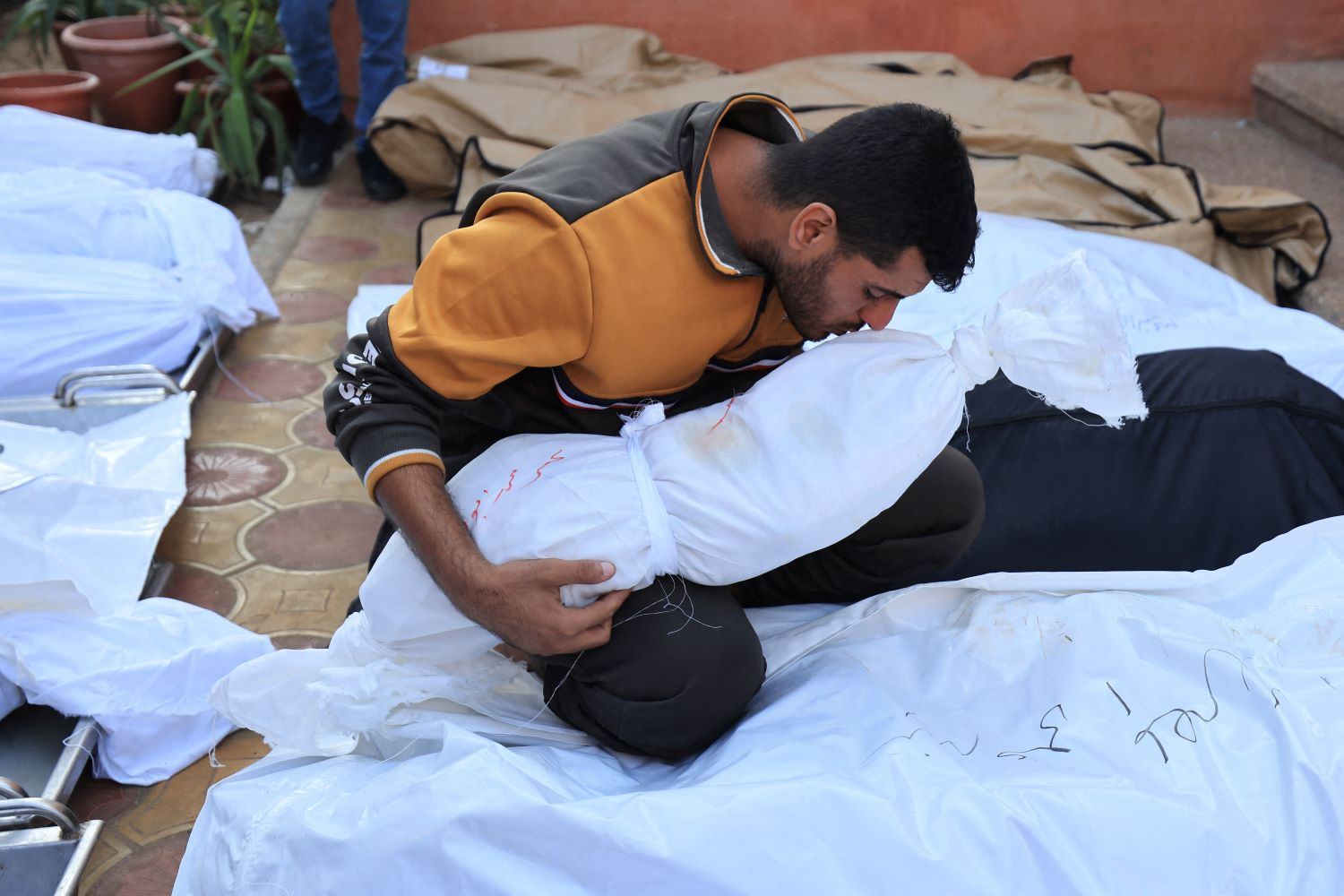
A Pregnant Woman’s Death Shows How Gaza’s Ceasefire Is Failing Civilians
Iman Shalouf and her unborn child died after she was shot inside her family’s tent in southern Gaza, according to Palestinian reporting. The case underlines that a ceasefire has little protective meaning when civilians, hospitals and water systems remain exposed to lethal harm.

Mary Gaudron Changed Who Could Interpret Australia’s Constitution
Mary Gaudron, the first woman appointed to Australia’s High Court, has died aged 83. Her career linked a breakthrough for women in law with decisions on Indigenous land rights, discrimination and the dignity of work.
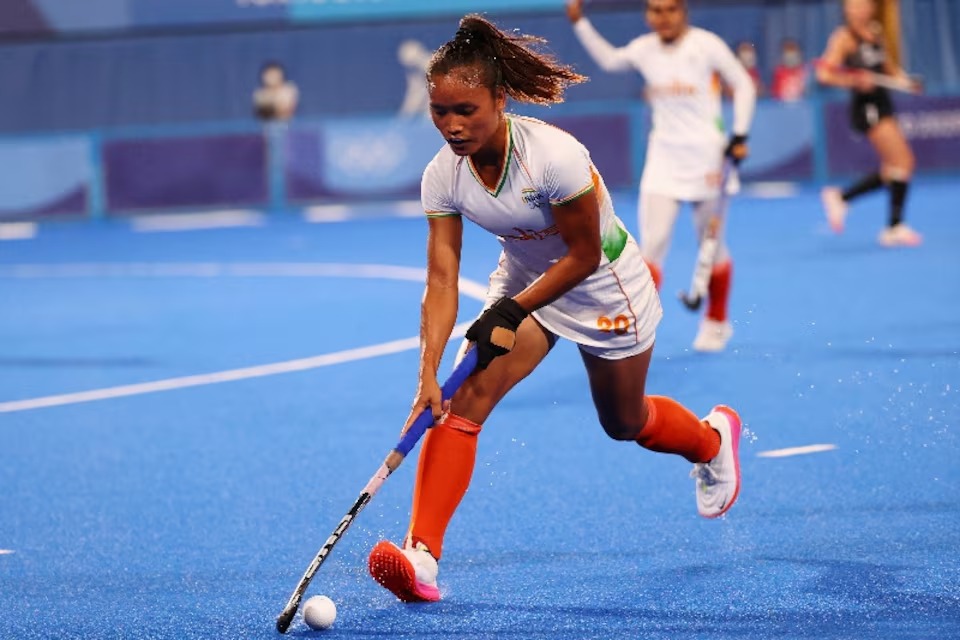
Lalremsiami’s Asian Games Ambition Begins With a Dirt Pitch in Mizoram
India forward Lalremsiami has turned a barefoot childhood route into an international hockey career and a bid for Asian Games gold. Her longer goal—building facilities for girls in Mizoram—shows why a sporting breakthrough matters most when it widens the path behind it.

Bangladeshi Women Founders Have Two Days Left to Compete for Tara’s Circle’s €100,000 Award Pool
Tara’s Circle 2026 is open worldwide to women founders and co-founders leading seed-stage or MVP-stage impact ventures. Fifteen projects will share €100,000 across health, technology, sustainability, social innovation and creative industries. Applications close 17 September at 12:00 CEST.

Nigar Sultana Joty Wants to Leave T20I Captaincy. Stepping Back Can Be a Leadership Decision Too
Bangladesh captain Nigar Sultana Joty has told the BCB she wants to give up T20I leadership after the Asian Games while remaining ODI captain, saying she wants greater focus on her batting. The board has not yet accepted the request. Leadership is not only knowing when to take responsibility—it can also mean deciding when a role should change.
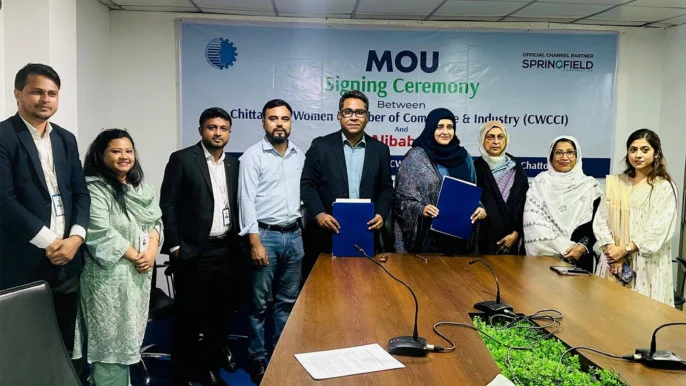
Women Entrepreneurs in Chattogram Get a Route Into Alibaba’s Global Marketplace. Listing Products Is Only the Beginning
Chittagong Women Chamber and Springfield Corporation, Alibaba.com’s Bangladesh channel partner, have signed an agreement to connect women entrepreneurs with international buyers and digital-export tools. The opportunity is real—but exporting requires logistics, compliance, pricing and buyer trust beyond simply opening an online account.

Swagata’s Career Makes a Case Against Telling Women Artists to Pick One Lane
Zinat Sanu Swagata has worked across acting, music, modelling and presenting since childhood. A piece of advice from Abdullah Al Mamun helped shape that path: becoming an actor did not mean abandoning directing or music. Her career shows why women’s creative identities do not have to fit one label.

Swagata’s Career Makes a Case Against Telling Women Artists to Pick One Lane
Zinat Sanu Swagata has worked across acting, music, modelling and presenting since childhood. A piece of advice from Abdullah Al Mamun helped shape that path: becoming an actor did not mean abandoning directing or music. Her career shows why women’s creative identities do not have to fit one label.

Bangladeshi Women Spend 5.9 Hours a Day on Unpaid Care. That Is a Labour-Market Policy Problem
Bangladesh’s Time Use Survey says women spend 5.9 hours daily on unpaid care and household work, compared with 0.8 hours for men. A new Dhaka dialogue is calling for care to be recognised, reduced and redistributed. If Bangladesh wants more women earning, childcare infrastructure is economic infrastructure.
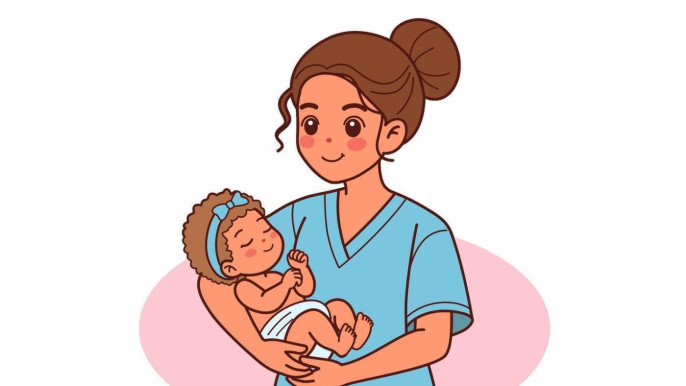
Bangladesh Is Taking Midwifery to the UN. The Promise Now Is 25,000 Professionals Where Women Actually Give Birth
Bangladesh and Sweden will co-host a UN General Assembly event on 24 September focused on integrating midwives into primary healthcare. Bangladesh has committed to train and deploy 25,000 midwives by 2030. The global leadership will matter most if the workforce reaches women outside major hospitals.

National University Says Women Need Safer Campuses. Now Bangladesh Needs to Define What ‘Safe’ Actually Means
National University’s vice-chancellor says child marriage, violence and social barriers are pushing girls out before higher education and has called for safer, more supportive campuses and greater female participation in STEM. The next step is turning “safe campus” from a speech into measurable standards.
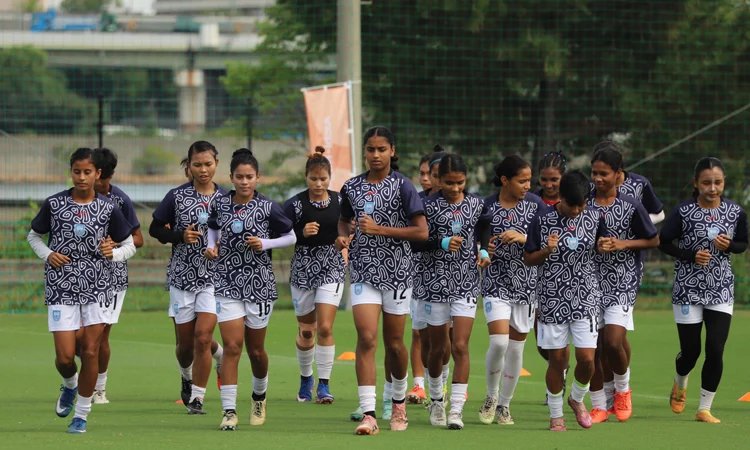
After a 10–0 Defeat, Maria Manda’s Answer Was Not Excuses. It Was: Get Better
Bangladesh opened its Asian Games women’s football campaign with a 10–0 defeat to DPR Korea. Captain Maria Manda’s response was neither denial nor despair: Bangladesh must keep facing stronger teams, work harder and prepare better. That mindset deserves a system capable of matching it.

Shanchita Haque Put Bangladesh’s Women-Centred Promises on the UN Record. Now They Need Measurable Delivery
Bangladesh’s Deputy Permanent Representative to the UN has told UN Women that the government is advancing Family Cards in women’s names, free education for girls, reproductive and mental-health services and lifecycle social protection. International commitments matter—but leadership is strongest when the promises can be measured at home.
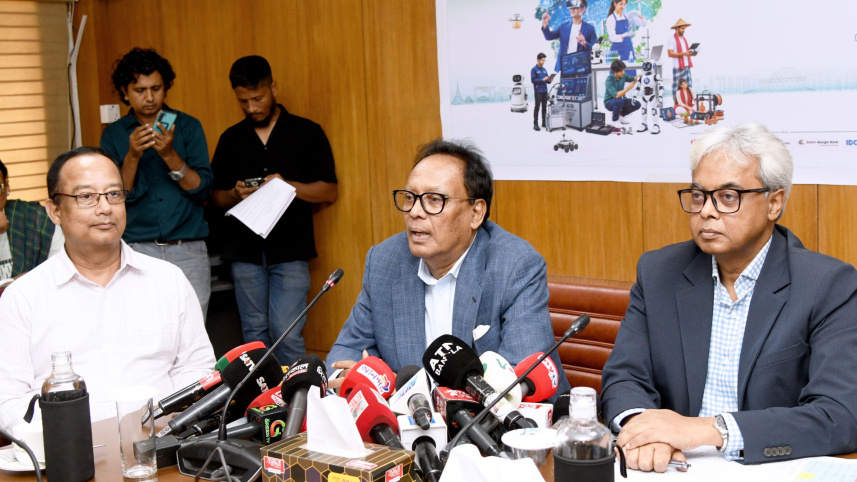
Bangladesh Opens a Fair With 1,000+ Innovations. Women Innovators Should Not Be Invisible in the Numbers
More than 100 innovators and startup founders are showcasing over 1,000 ideas at Bangladesh Innovation Fair 2026, which opened in Dhaka today. The government wants to move inventions from laboratories to markets. One useful measure of that ecosystem will be whether it tracks who gets investment—including women founders and researchers.

Runa Laila Is Alive. The AI Death Hoax Shows How Easily a Cultural Icon Can Be Turned Into Clickbait
AI-generated videos and images falsely claiming that Runa Laila was dying or dead circulated online this week. Her daughter confirmed the singer is healthy and urged followers to report the accounts. The episode raises a cultural question as much as a technology one: who protects an artist’s identity when anyone can manufacture a convincing false version of her life?
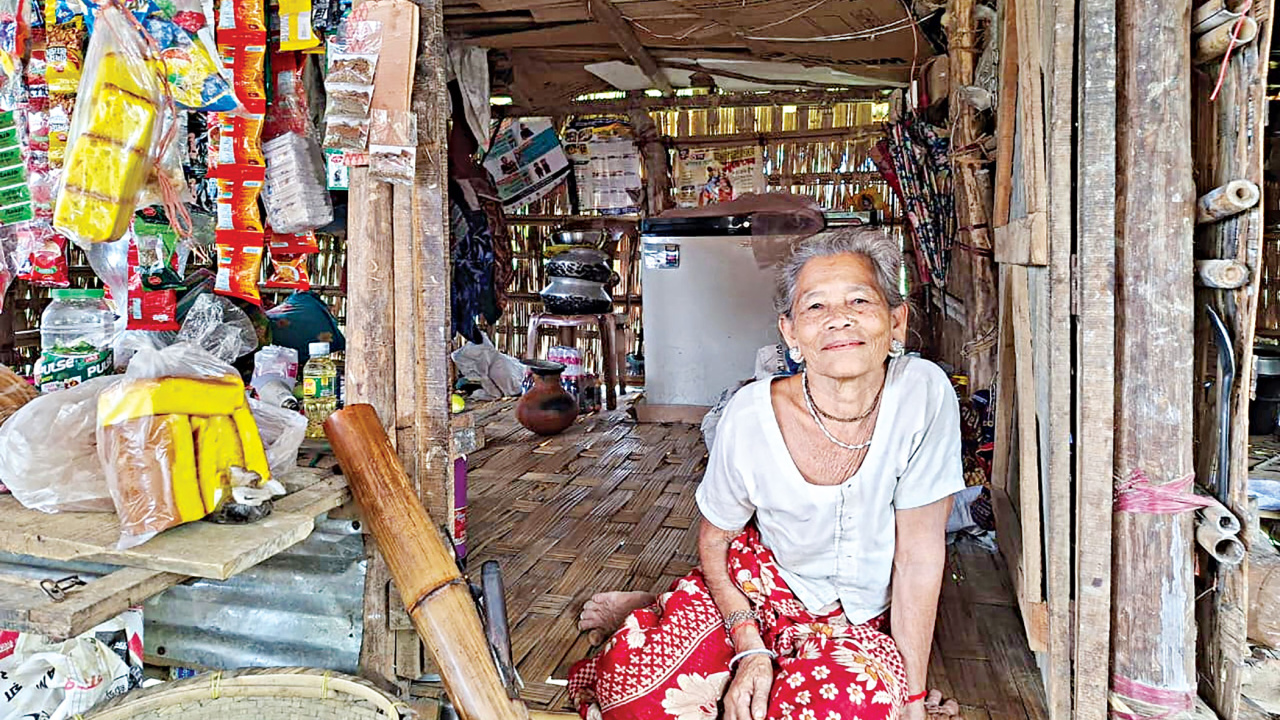
Paisano Marma Started With Tk500. Four Months Later, Her Food Business Had Sold More Than Tk10,000
Indigenous women in Khagrachhari are moving from irregular day labour into small businesses through training, market links and storage facilities. Paisano Marma’s Tk500 start shows why the crucial ingredient is not training alone—it is giving women somewhere to sell afterwards.
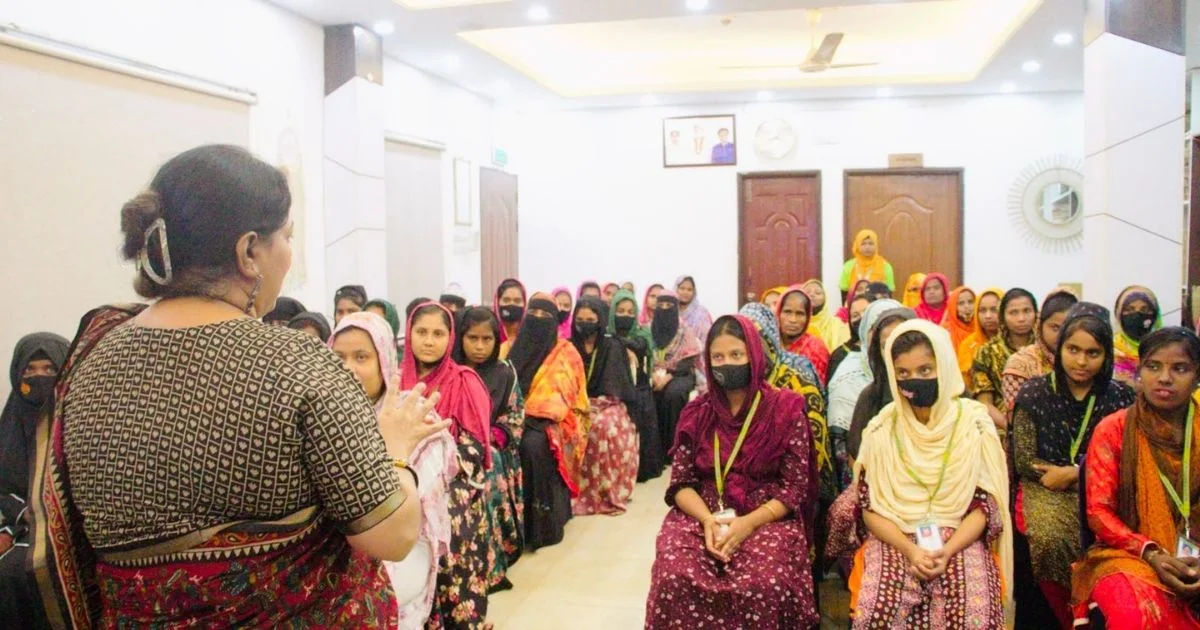
110 Women Factory Workers Joined Mental-Health Sessions. Awareness Should Be the First Layer, Not the Whole Safety Net
Psychologists recently held workplace mental-health sessions for 110 women workers in Pabna and Gazipur. Normalising conversations about stress is valuable, but women working under production pressure also need confidential counselling, referral systems and workplaces that reduce—not simply teach them to cope with—psychological strain.
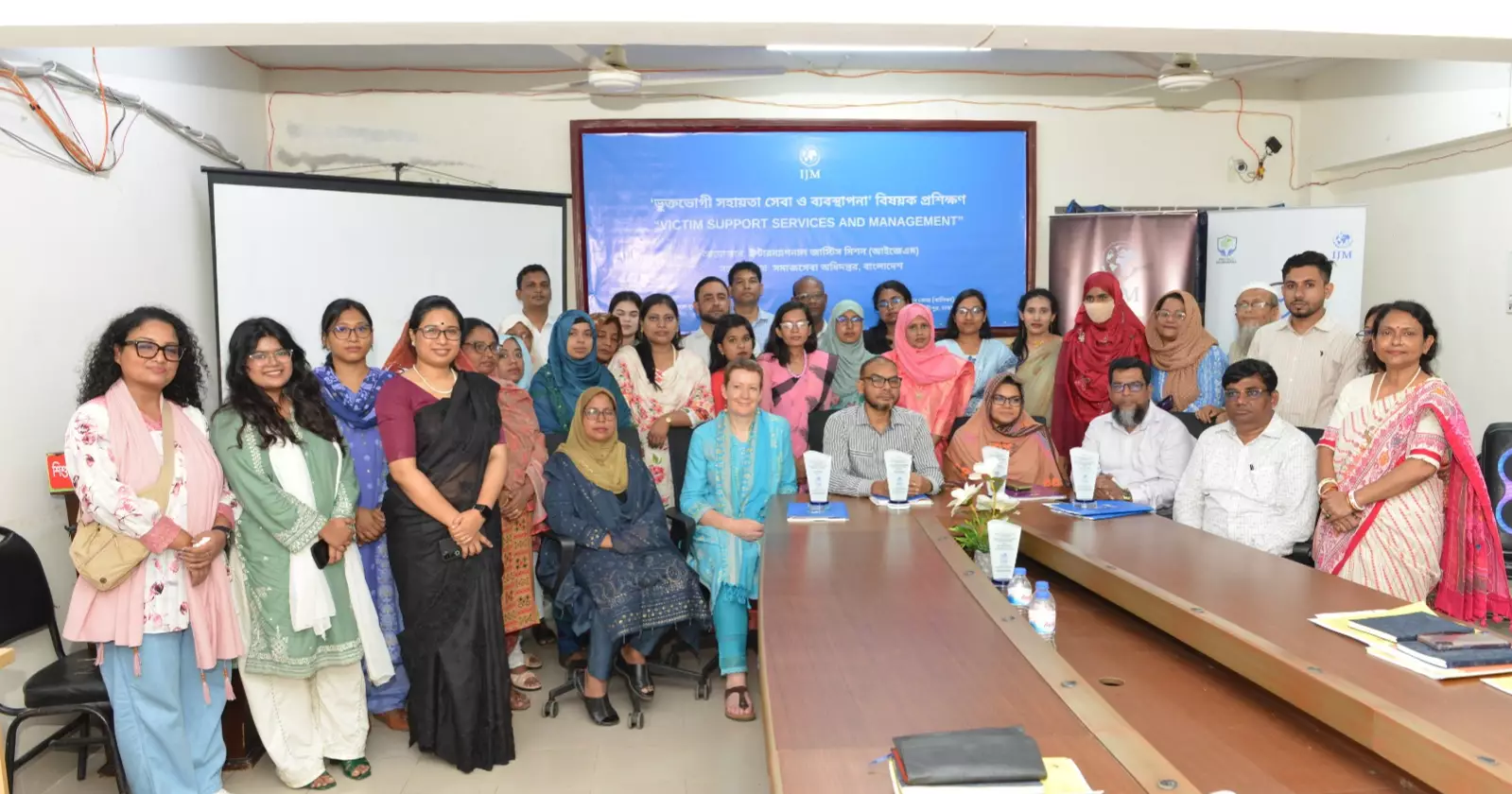
For Girls Rescued From Sexual Exploitation, the Case Does Not End at Rescue
Twenty-five caregivers at Bangladesh’s only government Child Development Centre for girls in Gazipur have received specialised training on supporting children affected by commercial sexual exploitation. That matters because rescue is only the first stage of recovery—and institutions entrusted with girls need to be safe enough to deserve their trust.
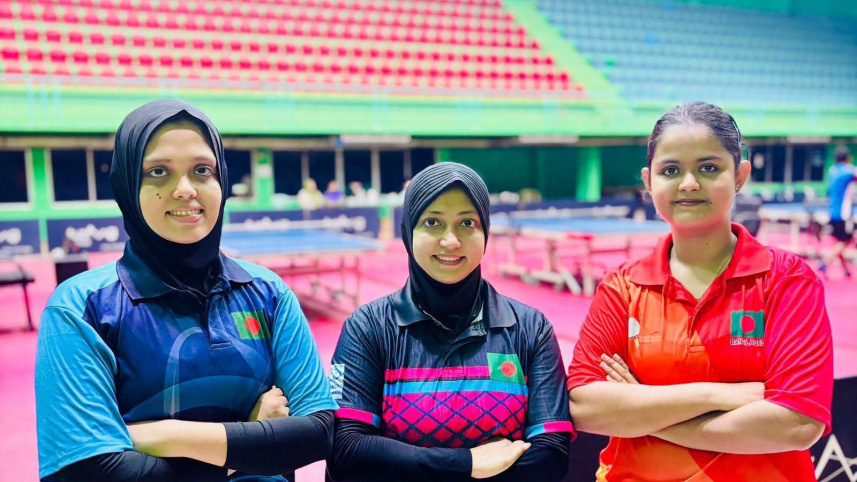
One Narail Family Put Four Women on Bangladesh’s Table Tennis Roster. That Is What a Sports Pipeline Can Look Like
Five-time champion Sonam Sultana Soma, Nowrin Sultana Mahi, Sadia Rahman Mou and Samanta Hossain Tushi come from the same extended family. Their rise from a Narail club to the national team shows how girls progress when family support, coaching, training partners and financial backing exist at the same time.

US Inflation Rose in August, Squeezing Budgets Built Around Care
US consumer prices rose 0.4% in August and 3.4% over 12 months, with energy contributing heavily. The headline is gender-neutral, but households led by women and workers carrying unpaid care often have the least room to absorb volatile essentials.
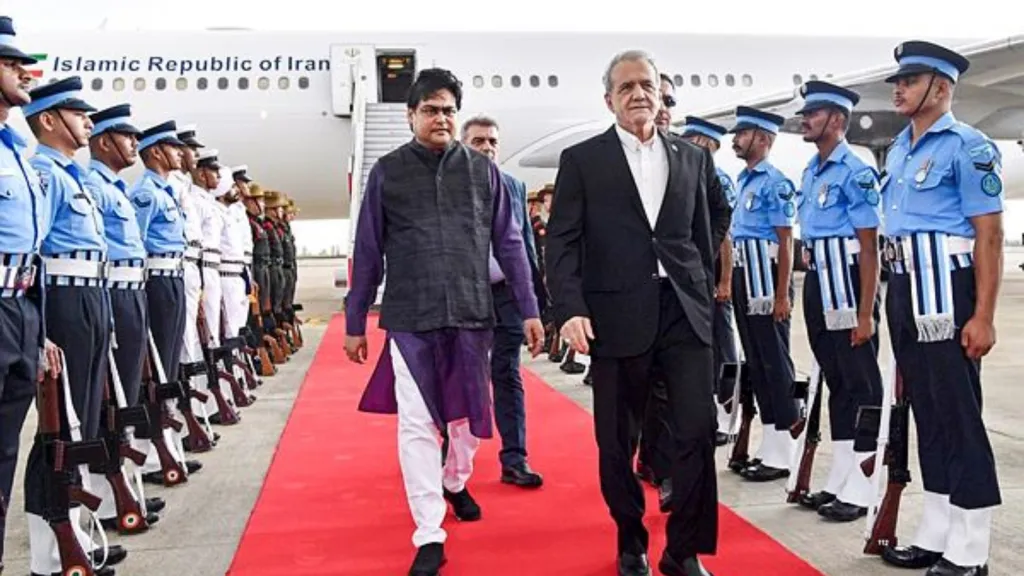
BRICS Women Want Trade Networks That Move Beyond Ceremonial Inclusion
Women business leaders at the BRICS Business Forum called for direct company-to-company links, finance and market access across member states. The practical test is whether summit language produces contracts for women-led firms rather than another parallel network without purchasing power.
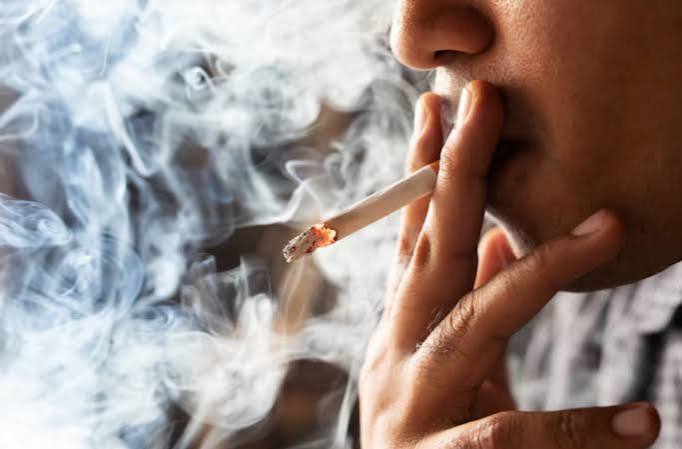
WHO Review Links Cigarette Smoking to Lower Fertility—And Finds Quitting Matters
A WHO review says women who currently smoke face an estimated 40% higher risk of infertility than non-smokers, while former smokers fare better than current smokers. The evidence supports cessation care, not blame for people already navigating infertility.