woman and society
37 published stories in this view. Follow the topic to personalize SheFront.
Stories about woman and society
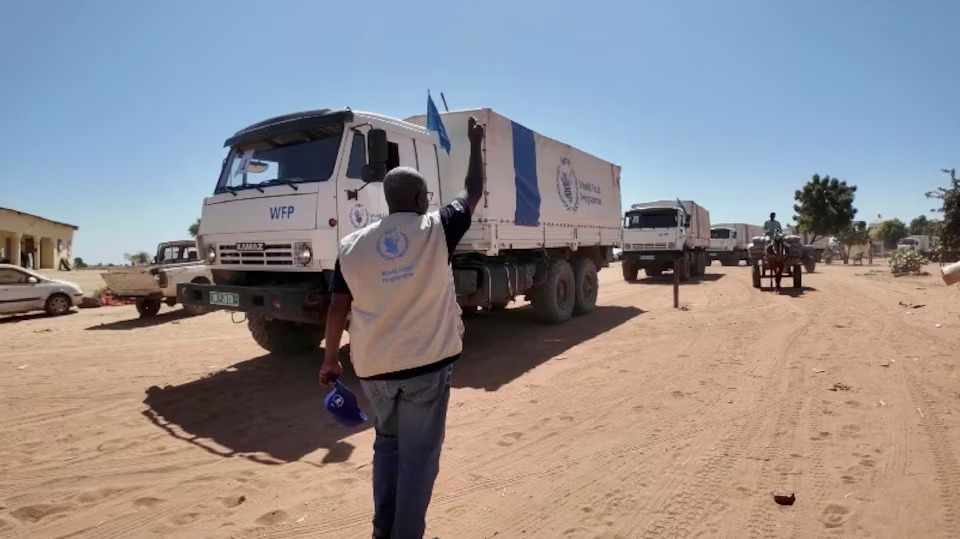
Sudan’s Food Lifeline Has Lost Two-Thirds of Its Funding
The World Food Programme says its Sudan budget has fallen from $645 million last year to about $206 million this year while nearly 20 million people face hunger. Women are absorbing the shortage through reduced meals, unsafe journeys and the collapse of care around pregnancy and displacement
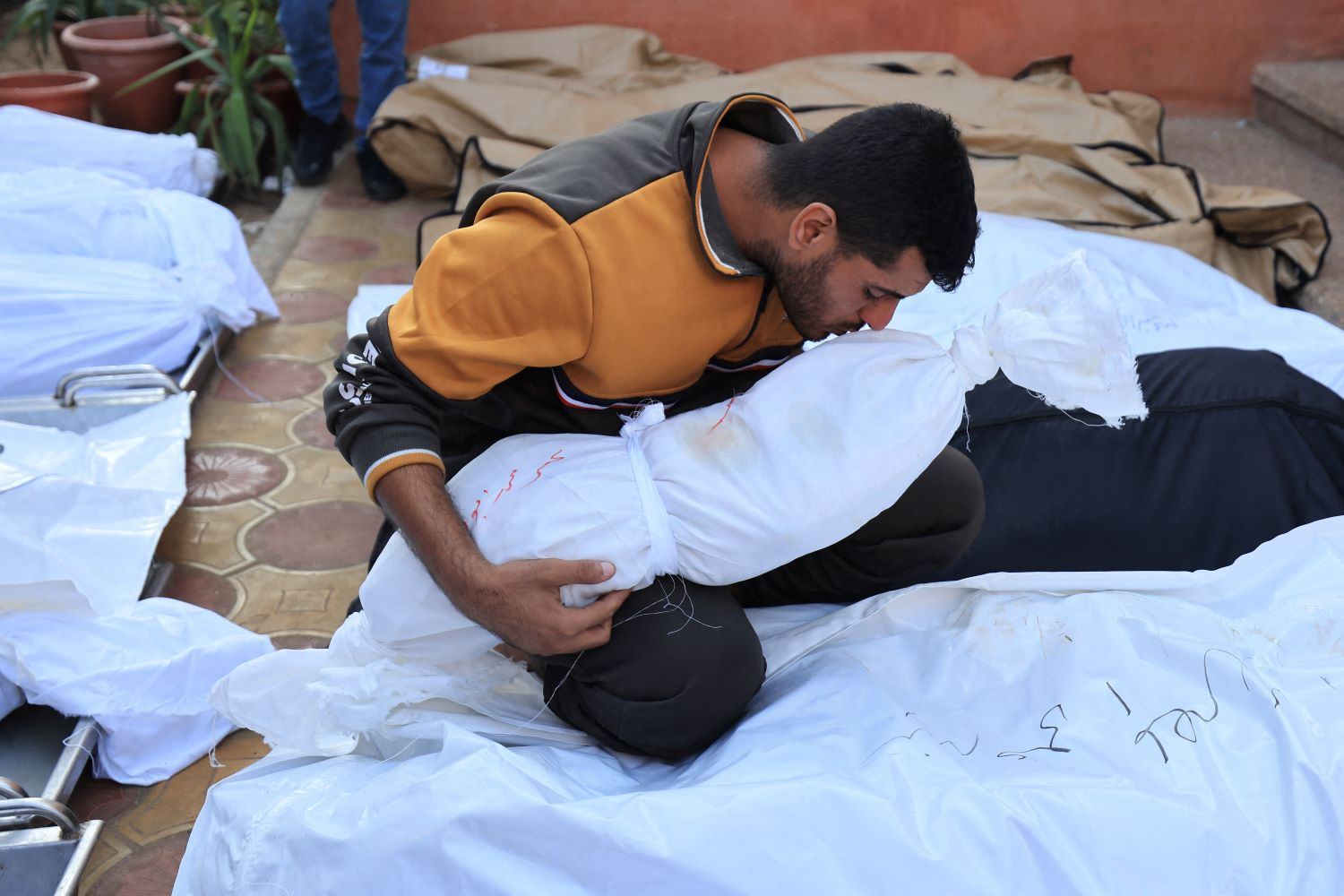
A Pregnant Woman’s Death Shows How Gaza’s Ceasefire Is Failing Civilians
Iman Shalouf and her unborn child died after she was shot inside her family’s tent in southern Gaza, according to Palestinian reporting. The case underlines that a ceasefire has little protective meaning when civilians, hospitals and water systems remain exposed to lethal harm.
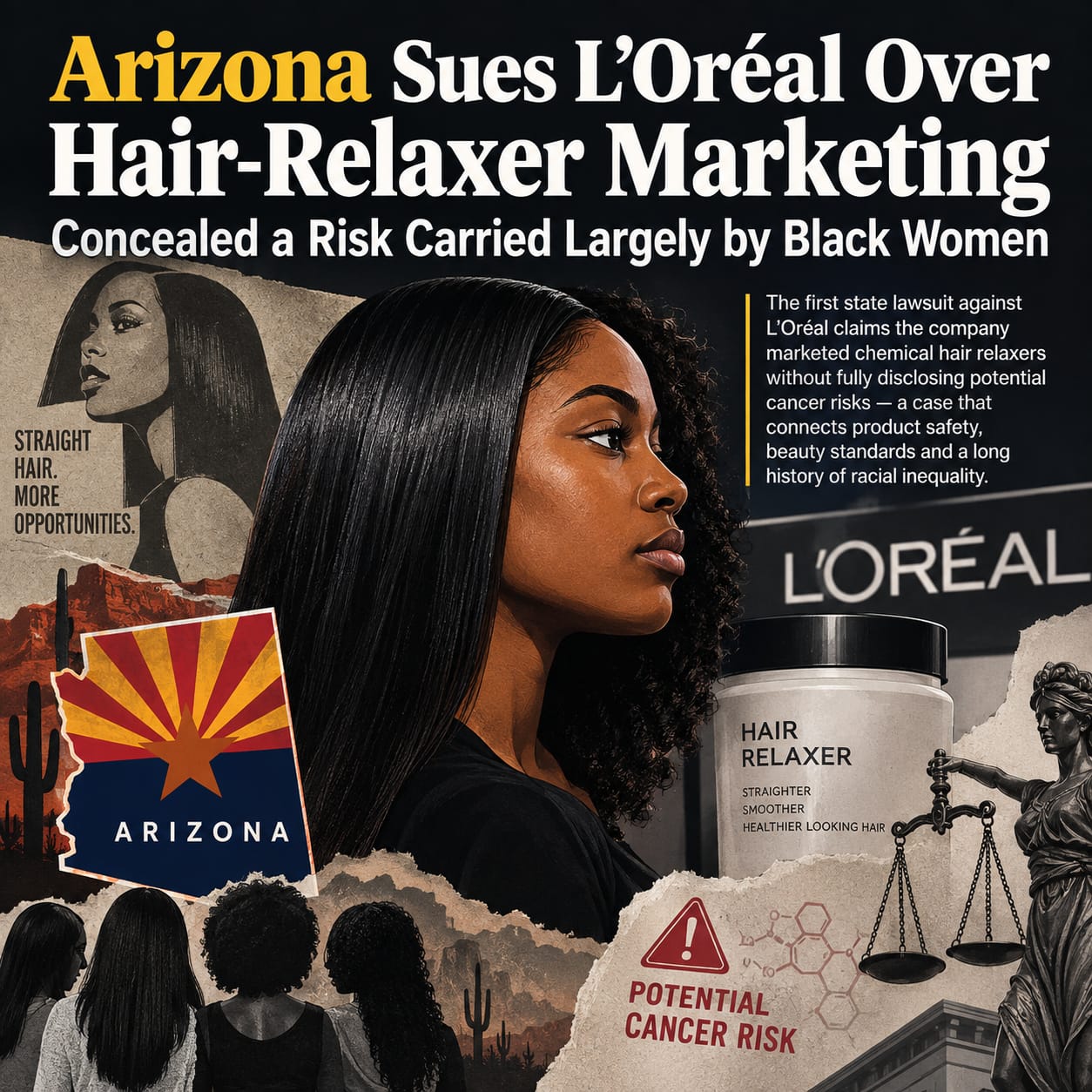
Arizona Says Hair-Relaxer Marketing Concealed a Risk Carried Largely by Black Women
Arizona has become the first US state to sue L’Oréal over alleged concealment of cancer risks associated with chemical hair relaxers. The case joins product safety to a history in which Black women were marketed conformity as beauty and professionalism.

Hungary’s Government Could Reopen Adoption Decisions to Same-Sex Couples
Prime Minister Peter Magyar says professionals, not politicians, should decide whether gay and lesbian applicants may adopt. Repealing the Orbán-era restriction would remove a barrier, but equal treatment will depend on the law and its implementation.
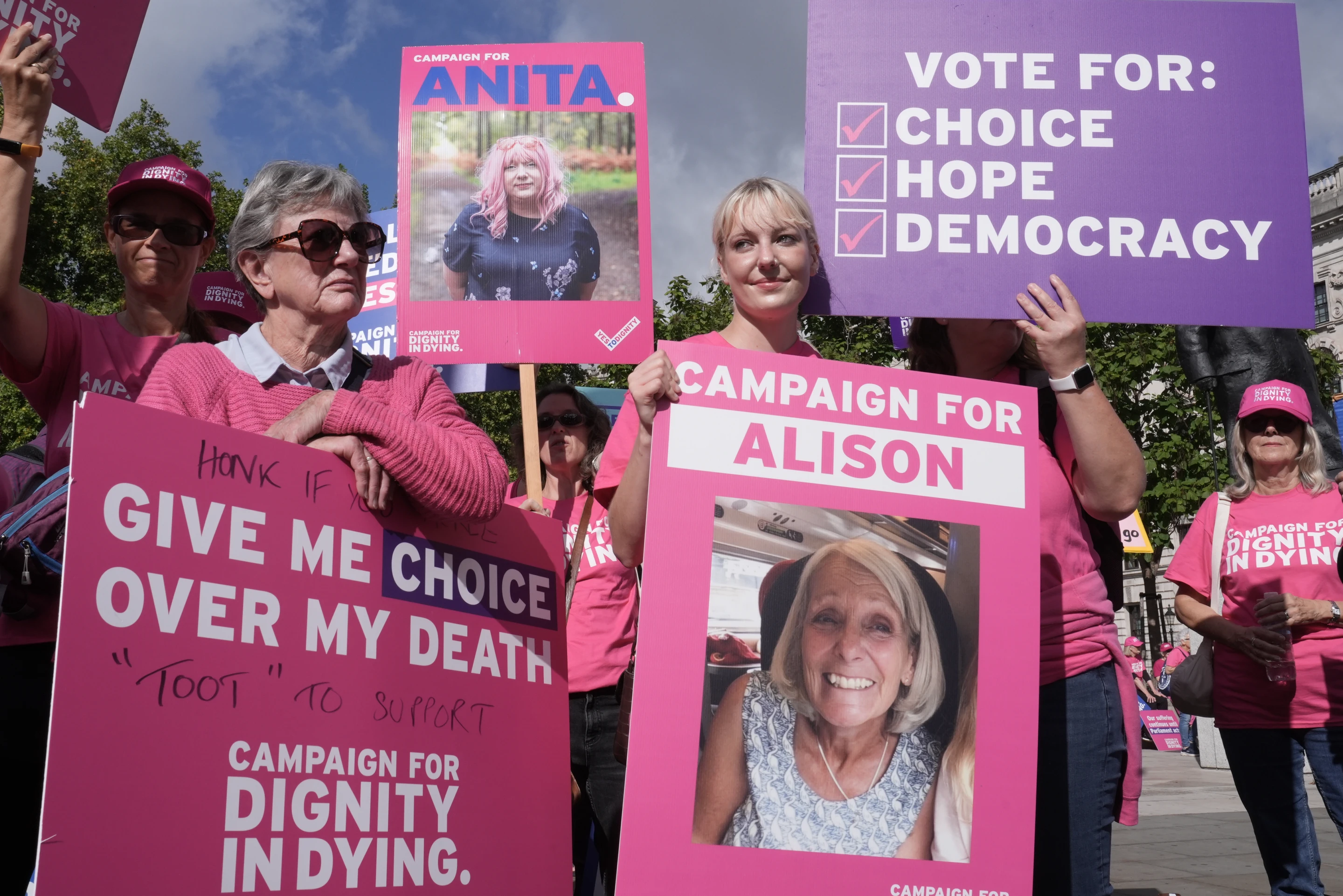
UK MPs Reject Assisted-Dying Bill After a Debate Shaped by Care and Safeguards
Britain’s House of Commons rejected a new assisted-dying bill by 286 votes to 270. The result leaves the law unchanged and renews scrutiny of palliative care, disability rights and the largely female workforce that would help implement any future system.
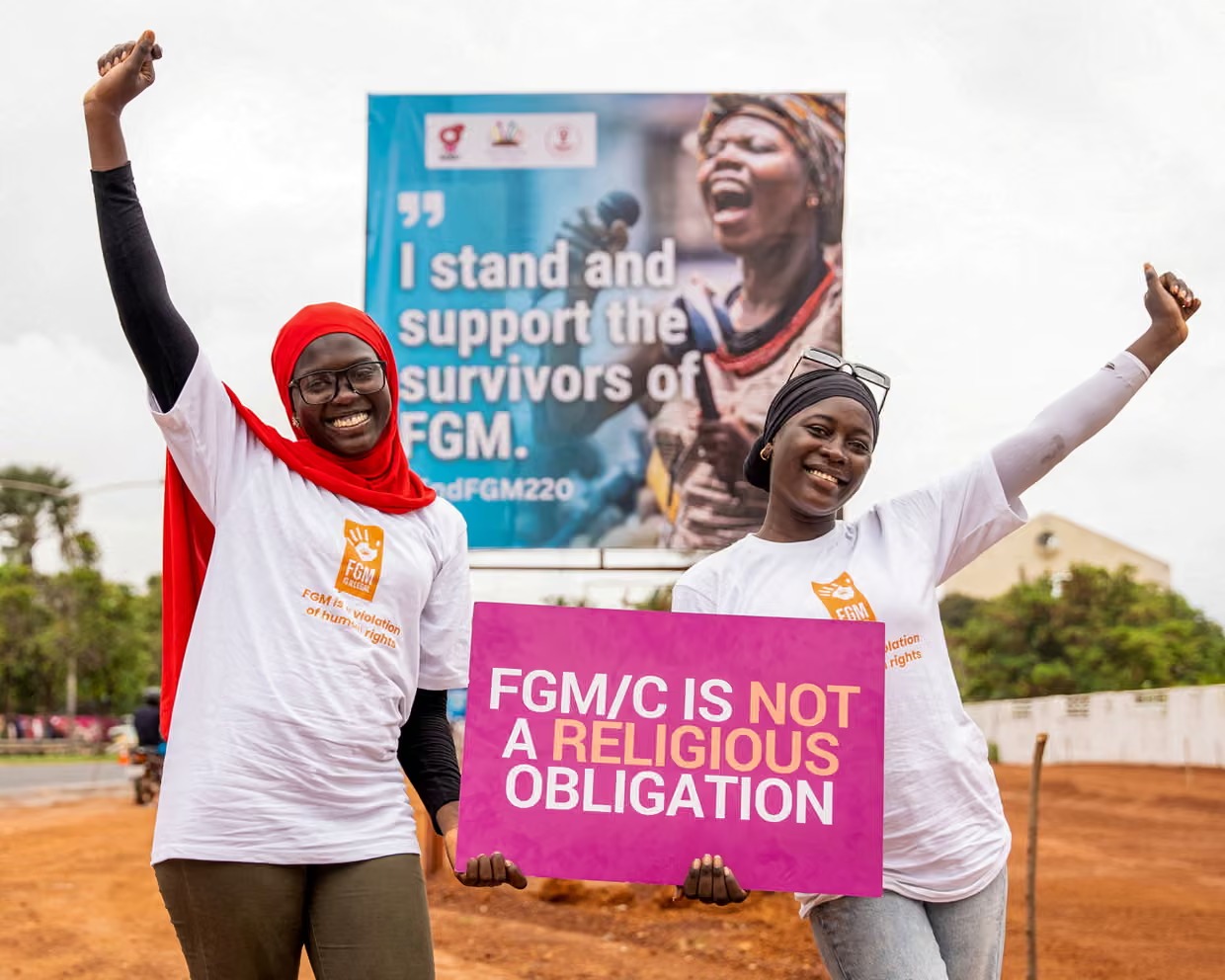
New $15.5 Million Fund Bets on Frontline Leadership to End FGM
The Her Horizon Fund begins with $15.5 million and aims to pool $100 million for survivor-led and community organisations fighting female genital mutilation. Its promise depends on whether money reaches local groups predictably and with decision-making power attached.
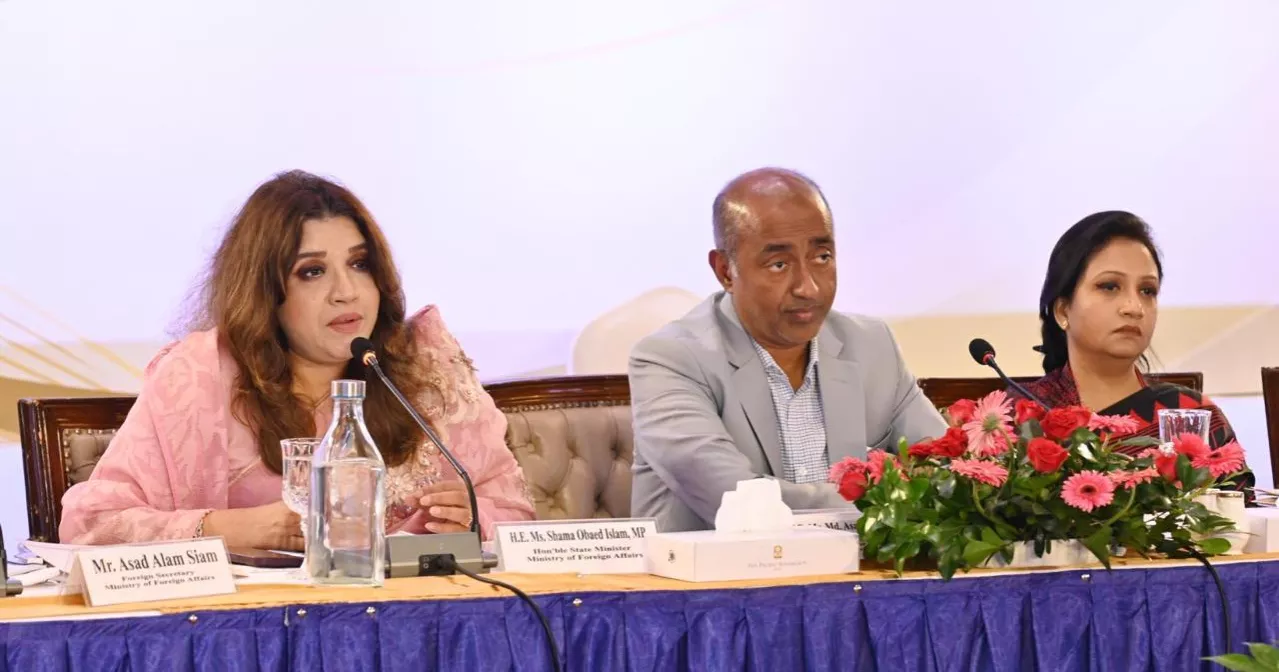
Bangladesh’s Plan Against Online Abuse of Women Just Got More Concrete: Laws, Platforms and Survivor Support
Bangladesh first announced plans for a global platform against digital harassment earlier this month. A new Dhaka Dialogue has now moved the discussion toward legal reform, AI evidence, platform accountability, synthetic-media labelling and survivor-centred reporting systems.
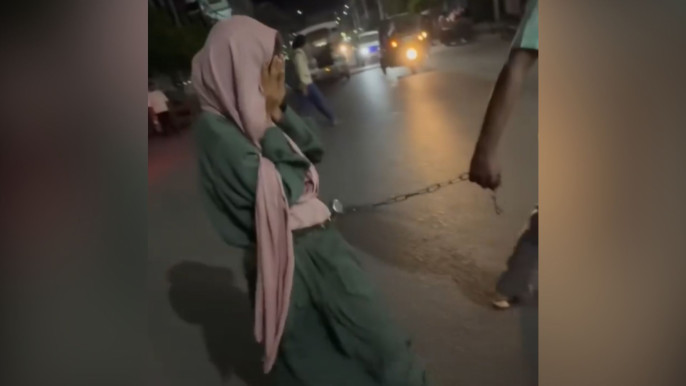
A 16-Year-Old Was Chained and Dragged Over a Theft Allegation. An Accusation Is Not Permission to Punish a Child
Three men have been arrested after a 16-year-old girl was allegedly beaten, chained around the waist and dragged through a Sylhet street over a theft allegation. Bangladesh law allows limited citizen detention in specific circumstances—it does not authorise public punishment.

Bangladesh’s Banks Are Hiring More Women Again. Why Are So Few Reaching the Top?
Bangladesh’s banks added 910 women employees in the first half of 2026. But women still make up just 16.5% of the banking workforce—and only around one in ten senior-level employees. New central bank data suggest that hiring women is only part of the challenge.

Paracetamol Study Finds Differences in Girls’ Reproductive Development—not Future Infertility
A Danish observational study linked prenatal paracetamol exposure with smaller average ovarian and uterine measurements in girls. The research cannot prove the medicine caused the differences, cannot predict fertility and does not justify abruptly abandoning treatment for pain or fever during pregnancy.

Noel Clarke Faces Six Sexual-Offence Charges Involving Five Women
British prosecutors have authorised six charges over alleged conduct between 2007 and 2016. Active proceedings require precise, restrained reporting that protects both the complainants and the defendant’s right to a fair trial.
Noel Clarke Faces Six Sexual-Offence Charges Involving Five Women
British prosecutors have authorised six charges over alleged conduct between 2007 and 2016. Active proceedings require precise, restrained reporting that protects both the complainants and the defendant’s right to a fair trial.
Australia’s Violence Report Says Progress Is Too Slow for the Harm Women Face
The national Domestic, Family and Sexual Violence Commissioner says sexual-violence reporting reached its highest recorded rate in 2024 and family law can still be weaponised. The report shifts attention from promises to whether systems produce measurable safety.

# Stopping One Wedding Isn’t Enough: Why Bangladesh’s Child-Marriage Fight Has to Change What Families Believe
A new Bangladesh campaign is taking aim at something harder to change than the law: the social beliefs that continue to make child and forced marriage seem acceptable, necessary or even protective for girls
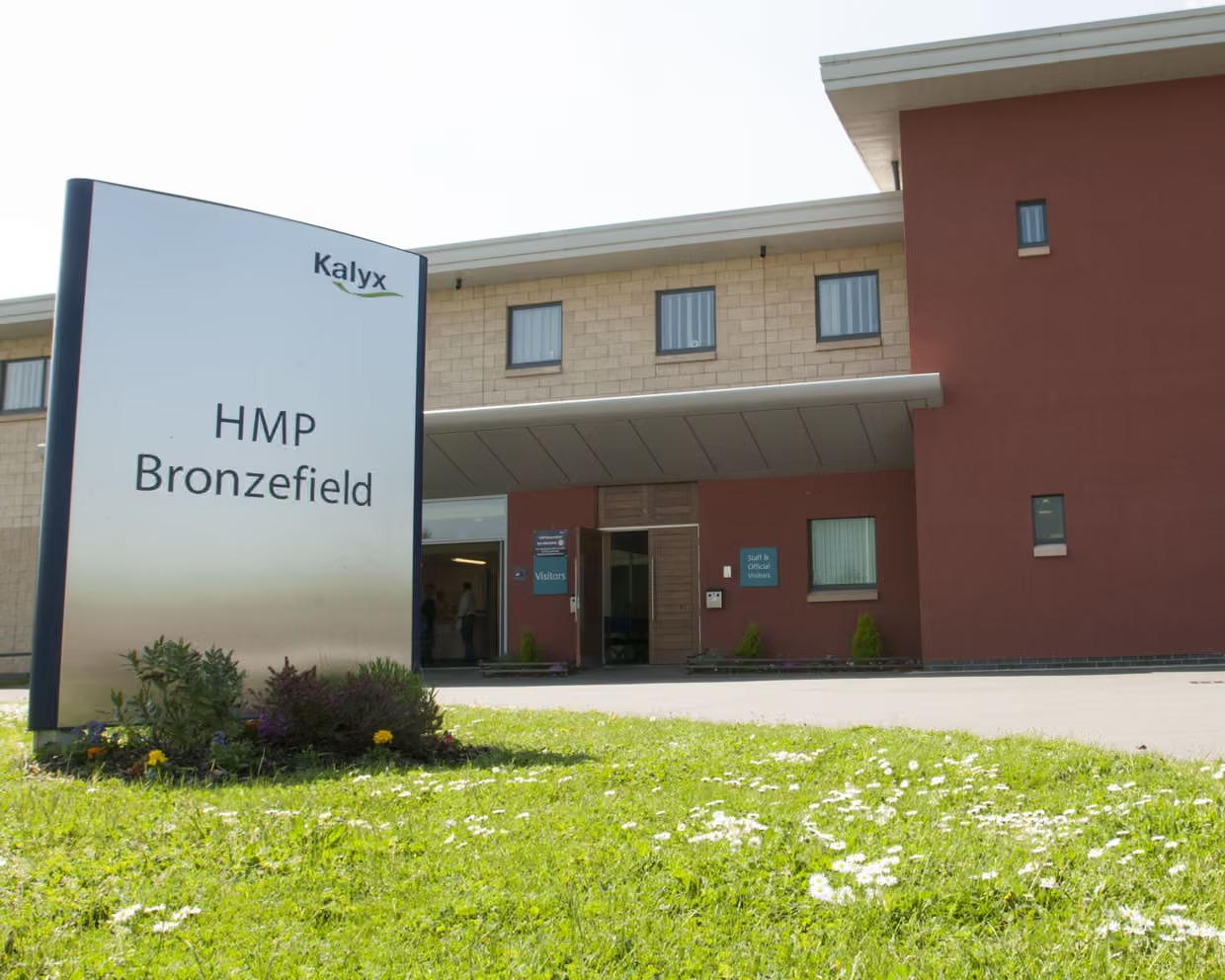
Britain Considers Shrinking Women’s Prisons to Ease Men’s Capacity Crisis
: Ministers are reviewing whether parts of the women’s prison estate could be converted for men. Reformers see an opening to reduce unnecessary imprisonment of women, but warn that removing beds before building community support would transfer rather than solve the crisis.
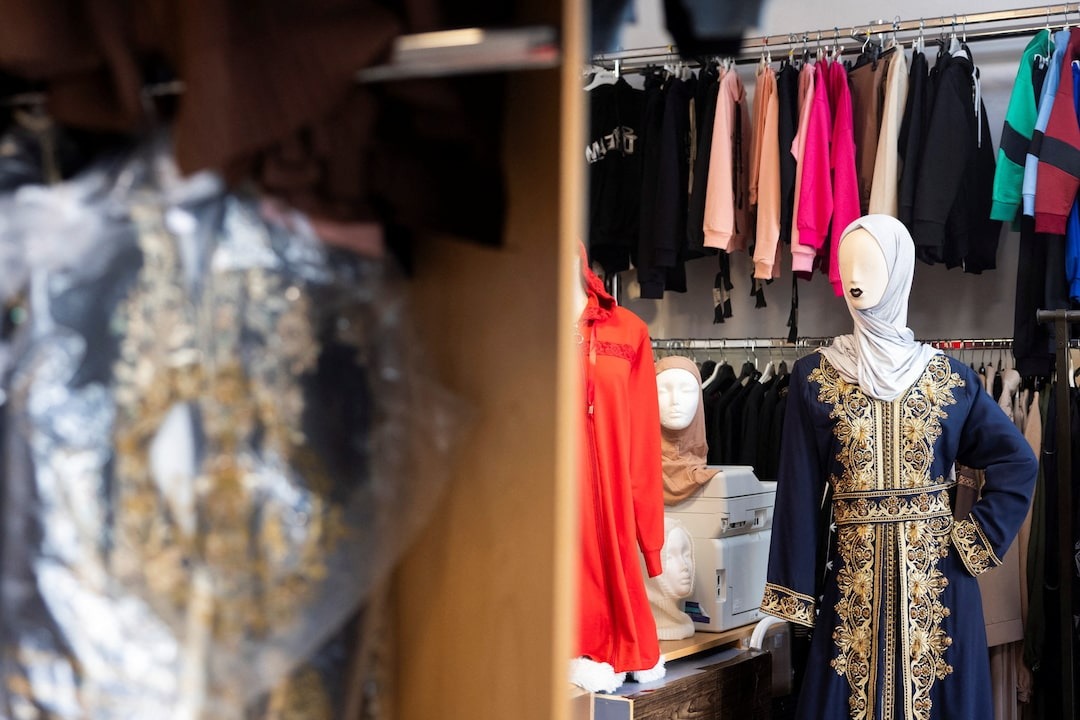
Austria’s Headscarf Ban Meets Its First Test in Classrooms
Austria’s prohibition on Islamic headscarves for schoolgirls under 14 is taking effect as the new term begins. The government calls it protection from coercion; critics say a rule singling out Muslim girls cannot deliver equality.
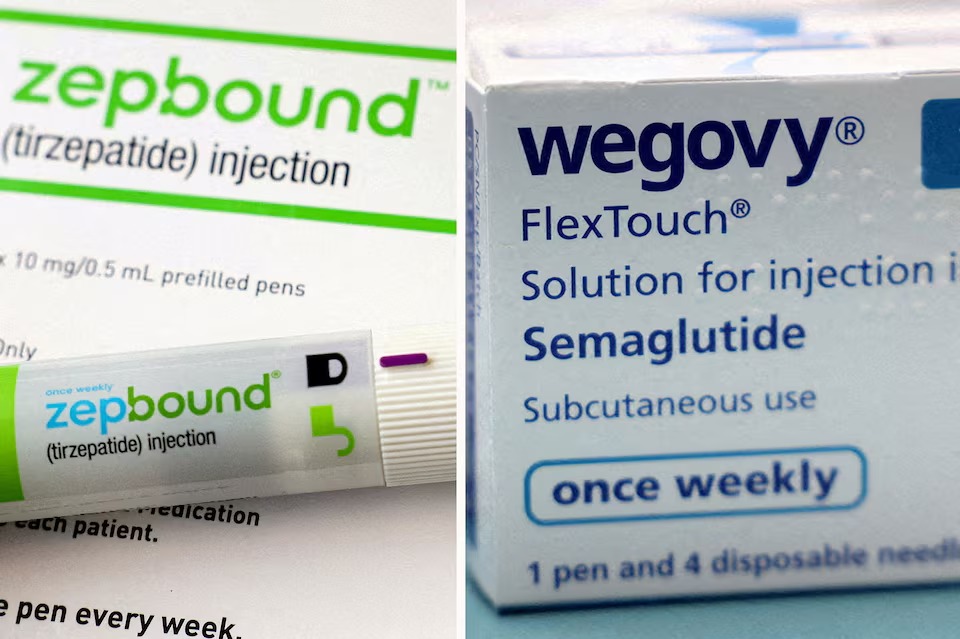
Weight-Loss Prescribing for US Children Under 12 Has Surged—Evidence Must Catch Up
A large health-record study found a steep rise in GLP-1 prescriptions for children aged eight to 11 with obesity, nearly all of them with severe disease. The trend could help girls facing serious complications, but long-term safety, access and sex-specific outcomes remain uncertain.
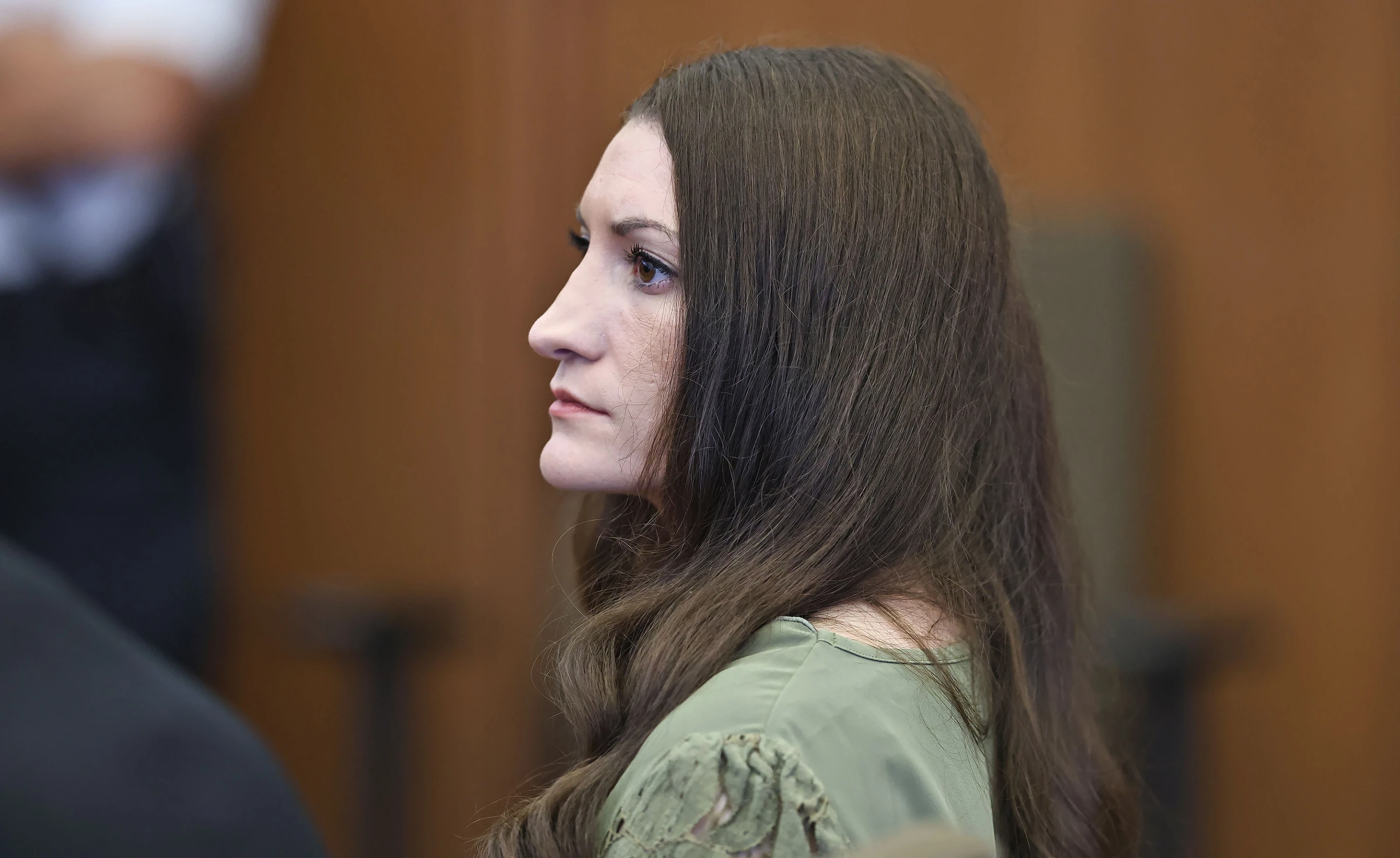
A Deadlocked Trial Exposed the Gaps Around Postpartum Psychosis
A Massachusetts jury could not agree whether Lindsay Clancy was criminally responsible when she killed her three children. The case cannot diagnose other mothers, but it has exposed how little many families and clinicians know about a rare, severe and treatable postpartum emergency.
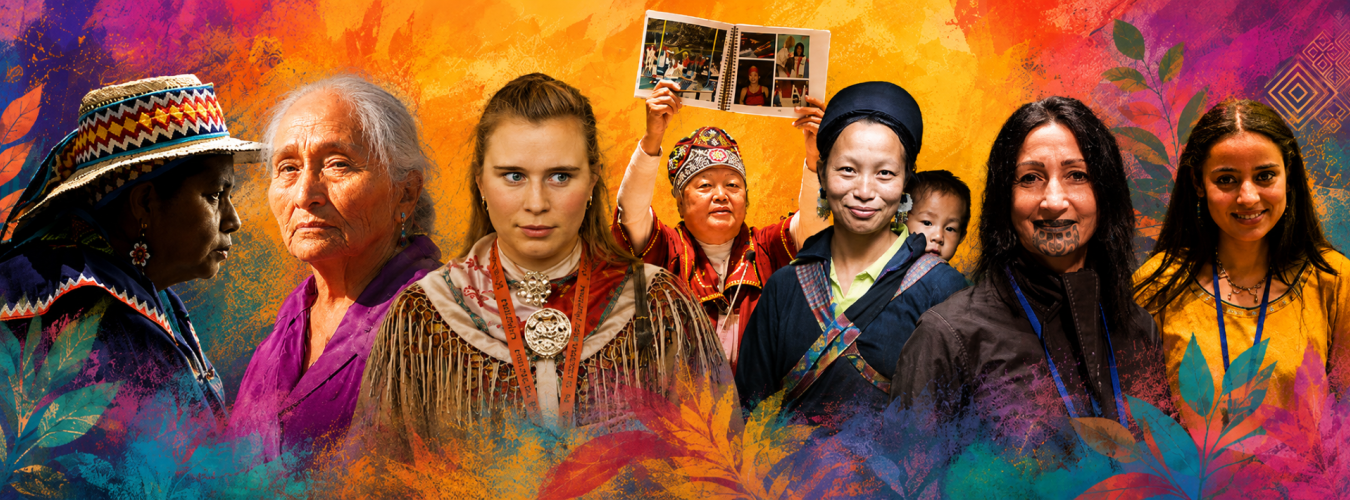
The UN’s First Indigenous Women and Girls Day Must Be More Than Recognition
The United Nations is formally observing 5 September as the International Day of the World’s Indigenous Women and Girls for the first time. Indigenous organisers say the milestone should produce direct funding, decision-making power and implementation of rights already agreed.
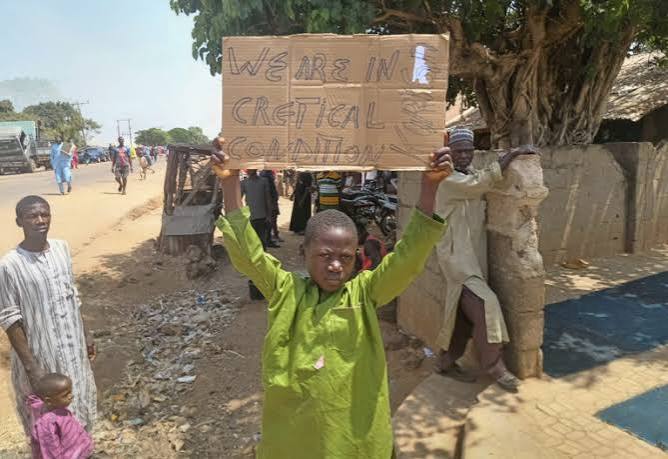
A Mother and Newborn Are Among Hundreds Missing After Nigeria’s Mass Abduction
Families in Niger state say they have received no contact from kidnappers two weeks after a coordinated assault. One woman was taken with a baby she had delivered only a week earlier, exposing the acute danger captivity creates for mothers and infants.
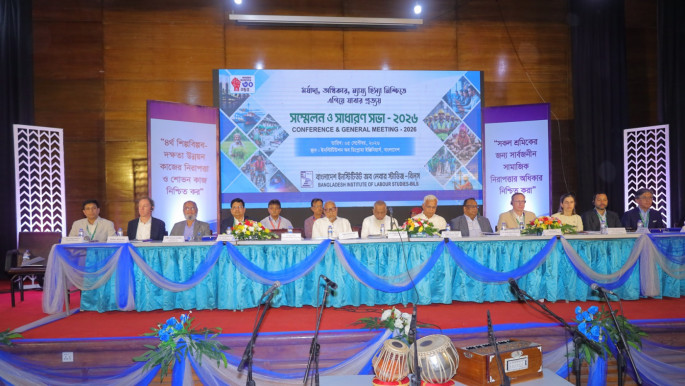
Women Make Up More Than Half of Bangladesh’s Garment Workforce. Why Aren’t More Leading the Unions?
Bangladesh’s labour movement is calling for more women in trade-union leadership. With women making up about 54% of the garment workforce, the question is no longer simply whether women work—it is whether they have an equal voice when wages, safety and workplace rights are negotiated.
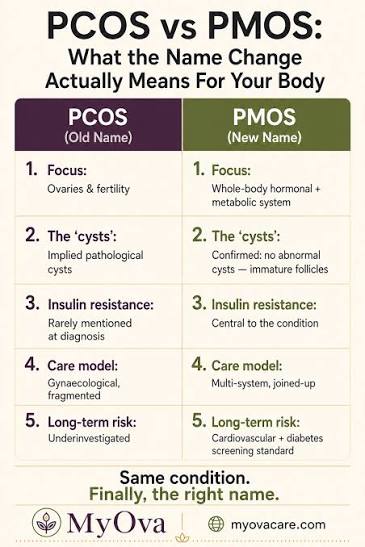
PCOS Has a New Name: What Women Should Know About PMOS
A condition millions of women know as PCOS is now being called Polyendocrine Metabolic Ovarian Syndrome, or PMOS. The new name does not mean your previous diagnosis was wrong—it is intended to better reflect what the condition actually does throughout the body.
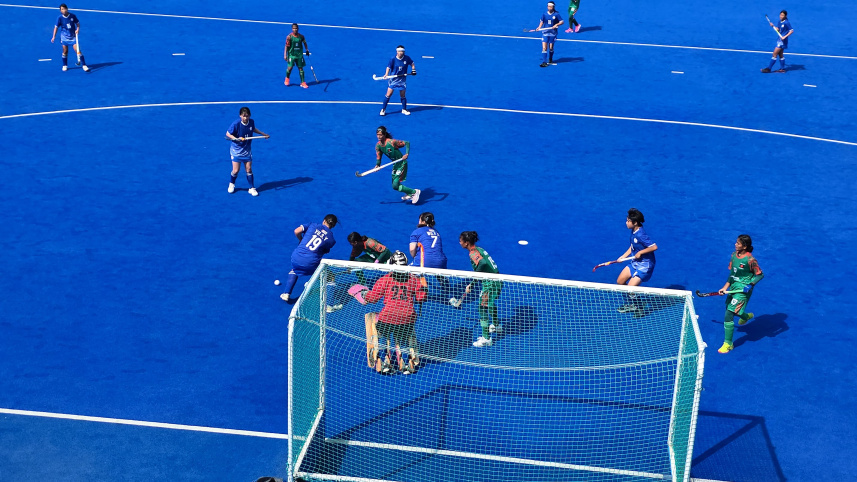
Seven Goals, One Statement: Bangladesh’s Young Women Open Junior Asia Cup in Style
Bangladesh’s U-20 women’s hockey team began its Junior Asia Cup campaign with a commanding 7–0 victory over Chinese Taipei. Beyond the scoreline, the result comes at an important moment for a sport trying to build a stronger pathway for Bangladeshi girls.

Romania’s New Tate Indictment Must Be Reported Around Evidence, Not Spectacle
Romanian prosecutors have indicted Andrew and Tristan Tate in a new case involving alleged trafficking of minors and other offences. The serious allegations demand survivor-centred scrutiny, clear separation from parallel proceedings and respect for the presumption of innocence.
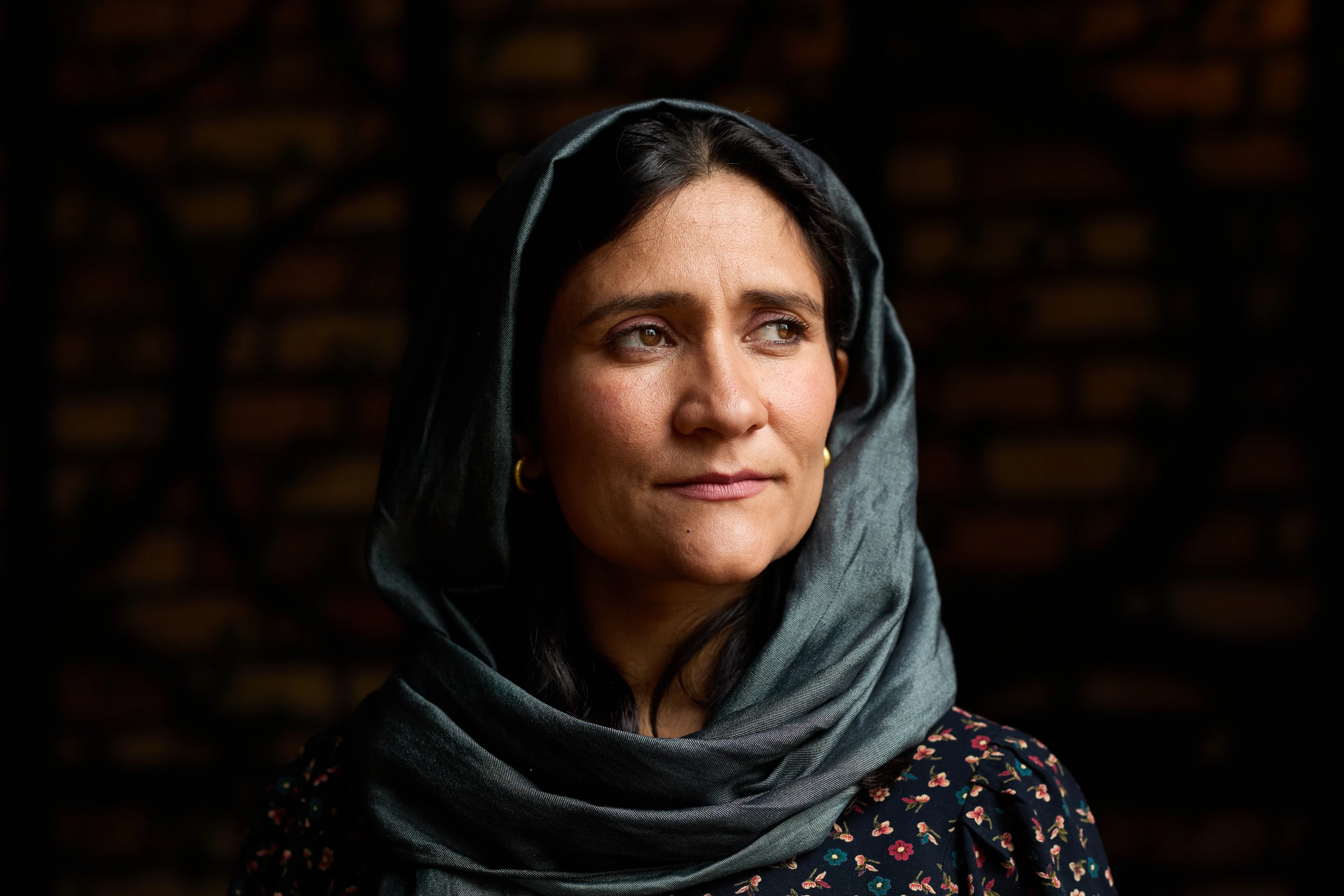
Afghan Girls Begin a School Year on a Campus Built to Outlast Exile
The School of Leadership, Afghanistan has opened its permanent Rwandan campus after evacuating from Kabul in 2021. Its 122 students demonstrate what uninterrupted education can preserve, while millions of girls inside Afghanistan remain excluded from secondary school.
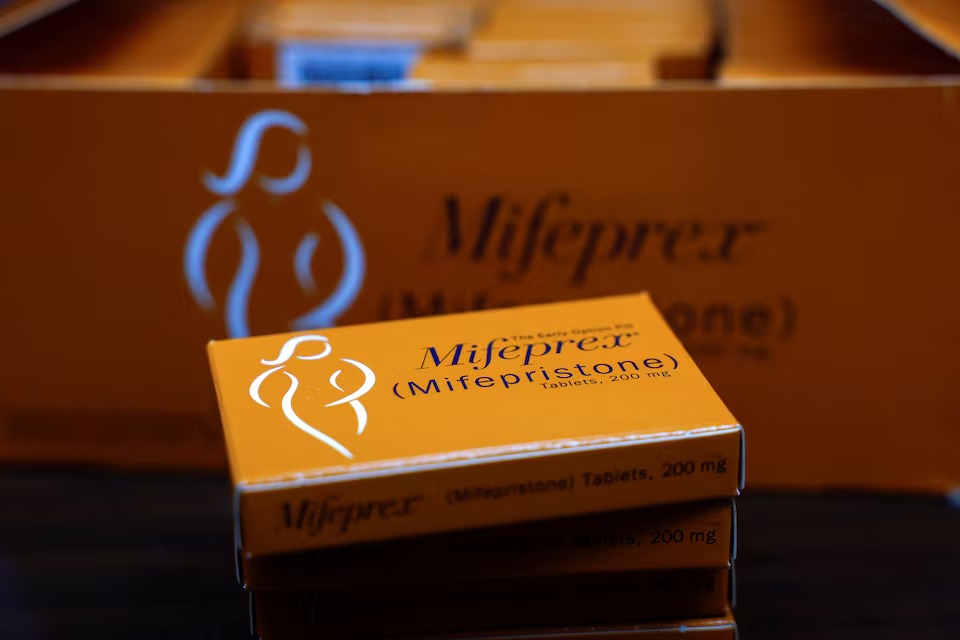
Mifepristone Case Is Paused, but the National Threat to Access Remains
A federal judge has paused Florida and Texas’s challenge to the abortion drug until 1 December or completion of an FDA review. Access remains unchanged for now, but the court refused to dismiss a case seeking nationwide restrictions.
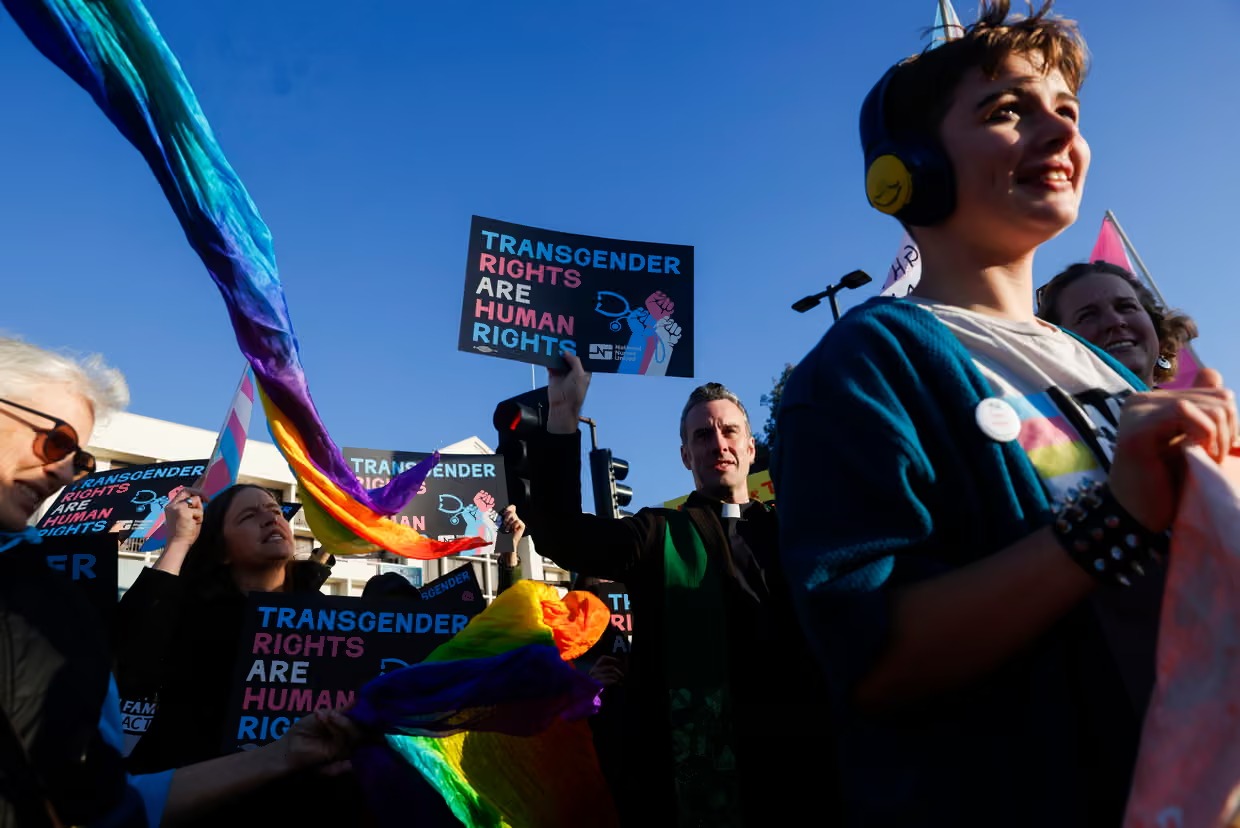
California Ruling Leaves Trans Girls’ School-Sports Policy in Place
A federal judge dismissed the US Justice Department’s challenge to California’s inclusive school-sports rules. The decision turns on notice and federal funding law, not a nationwide resolution of the fairness debate.

Mifepristone Case Is Paused, but the National Threat to Access Remains
A federal judge has paused Florida and Texas’s challenge to the abortion drug until 1 December or completion of an FDA review. Access remains unchanged for now, but the court refused to dismiss a case seeking nationwide restrictions.
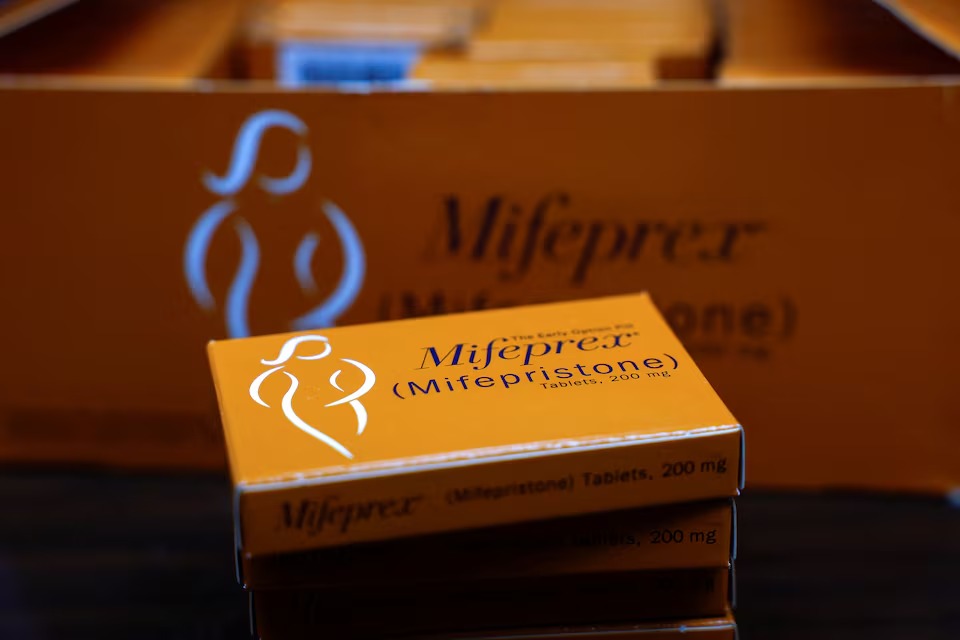
Mifepristone Case Is Paused, but the National Threat to Access Remains
A federal judge has paused Florida and Texas’s challenge to the abortion drug until 1 December or completion of an FDA review. Access remains unchanged for now, but the court refused to dismiss a case seeking nationwide restrictions.
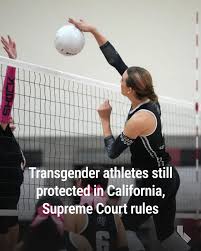
California Ruling Leaves Trans Girls’ School-Sports Policy in Place
A federal judge dismissed the US Justice Department’s challenge to California’s inclusive school-sports rules. The decision turns on notice and federal funding law, not a nationwide resolution of the fairness debate

A Phone Contract Forced a Survivor Back Into Contact With Her Abuser
A British customer says O2 repeatedly required contact with an abusive former partner before it would separate a family account. The company has apologised, but the case shows how ordinary administrative rules can extend financial and coercive control.
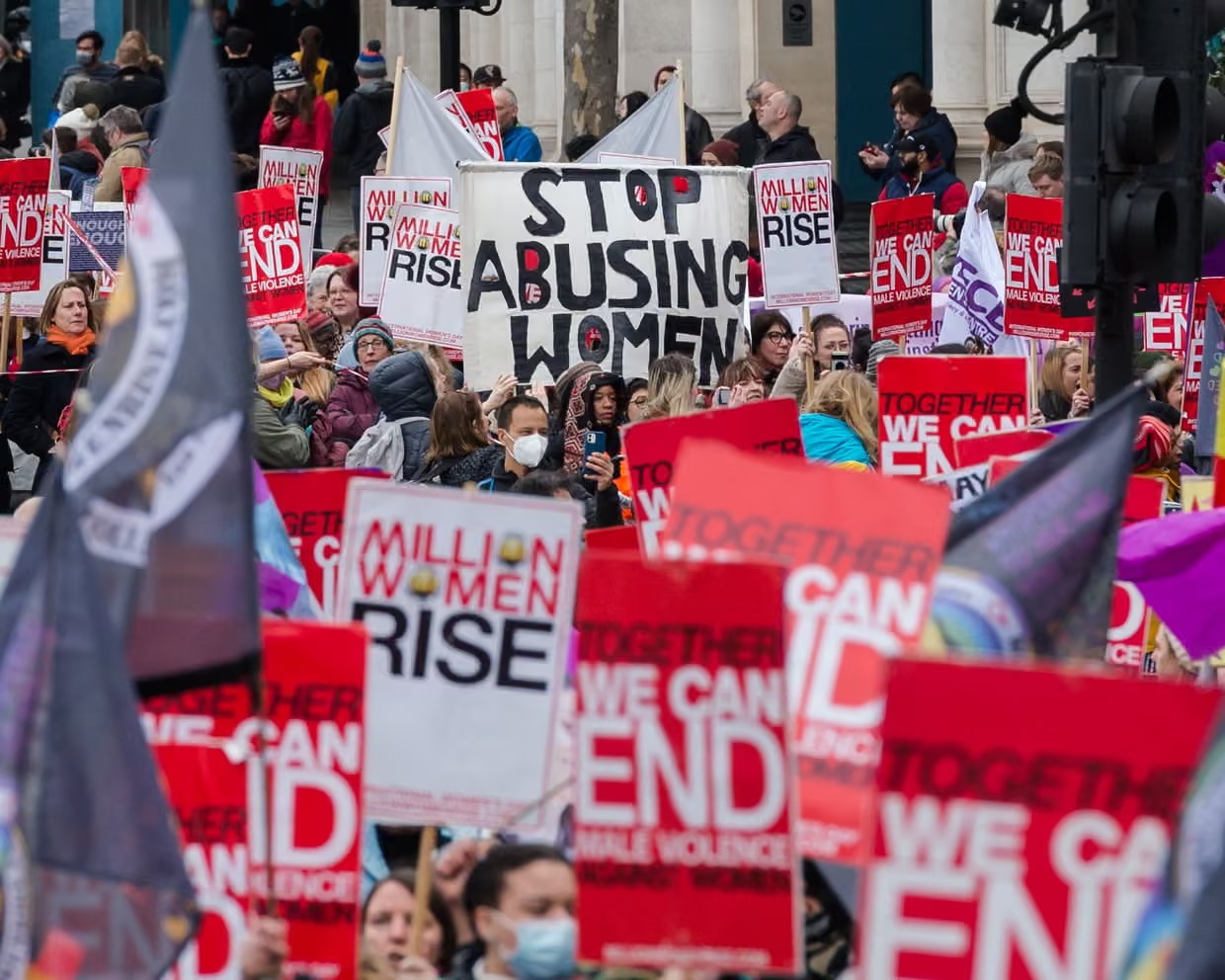
Scotland’s Violence Pledge Faces the Harder Test of Implementation
Scotland’s first minister has placed violence against women and girls at the centre of his governing agenda. Previous legal reforms were ambitious, but campaigners say weak implementation and strained services have limited their effect.
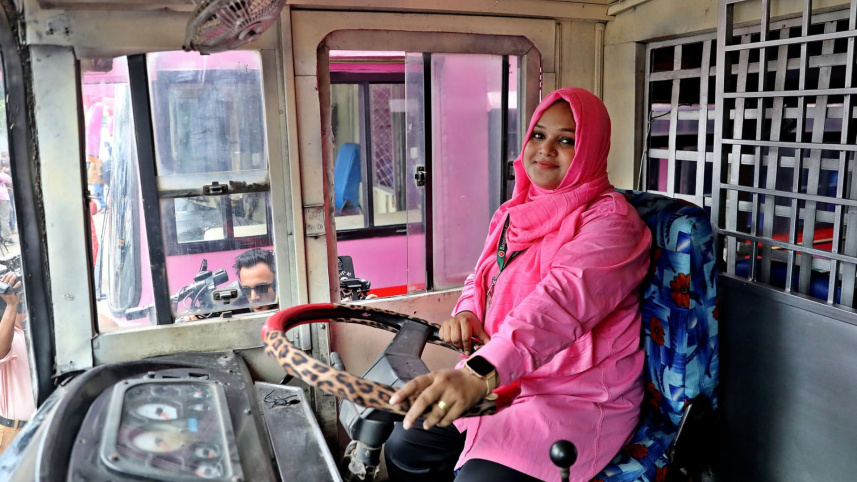
BRTC Is Recruiting Women Drivers for Pink Bus — Here’s Who Can Apply
Women aged 21 to 35 can attend walk-in driving tests in Gazipur from August 30 to September 1. Selected candidates will receive free heavy-vehicle training, with accommodation and meals covered by BRTC.
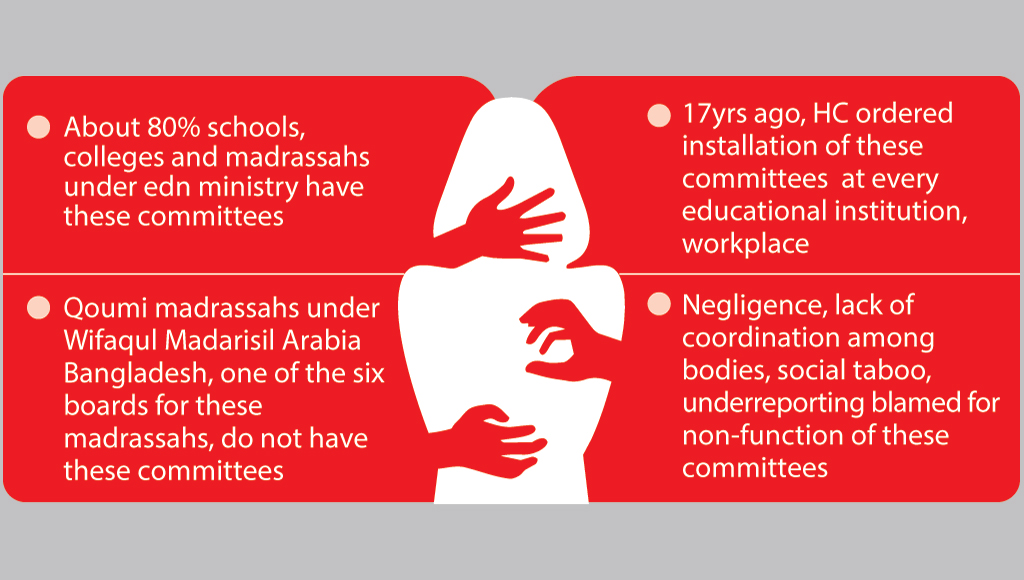
Bangladesh Universities Have Sexual-Harassment Committees. Why Aren’t Many of Them Working?
Seventeen years after the High Court ordered educational institutions to create formal complaint mechanisms, Bangladesh’s university regulator says many campus sexual-harassment committees are still not functioning properly. A new UGC–UN Women initiative is trying to close the gap between having a committee on paper and having a system students can actually trust.

‘Practical Magic 2’ Returns With Women Across Generations at Its Centre
Sandra Bullock and Nicole Kidman return as stars and producers almost three decades after the original film. The sequel’s significance lies in women retaining authority over a major studio story as they age.
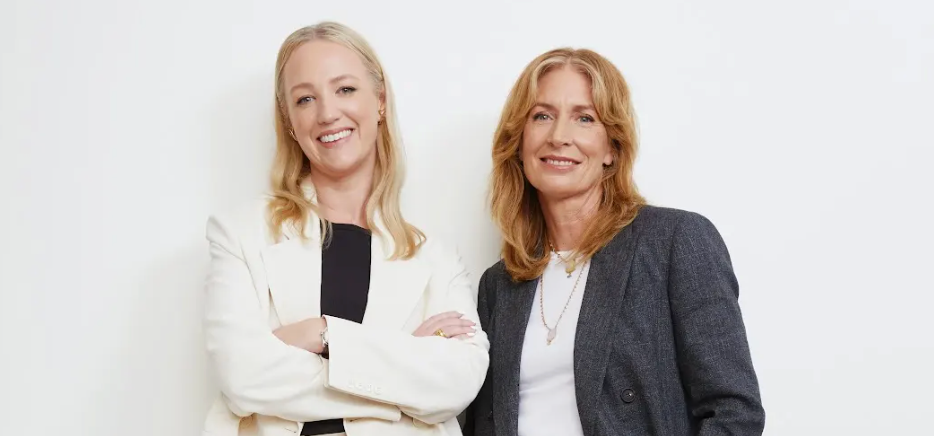
Women-Led Capital F Closes $17 Million Fund for the ‘Female Economy’
Capital F says it will invest in women’s health, digital commerce and safer technology. The fund is notable both for what it backs and for who controls its investment decisions.
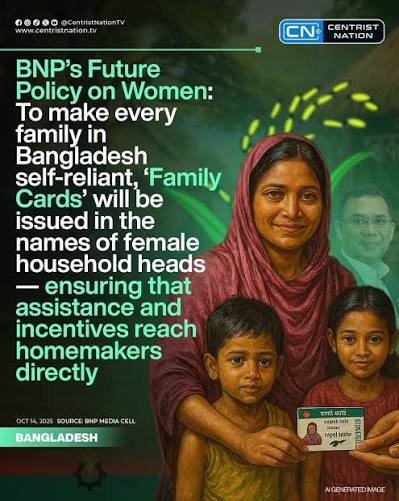
Bangladesh Is Putting Family Support in Women’s Names
Bangladesh’s Family Card Programme sends household support through women and female heads of families. A new government policy note sees major potential for women’s empowerment — but early evidence raises a harder question: who actually controls the money after it arrives?