
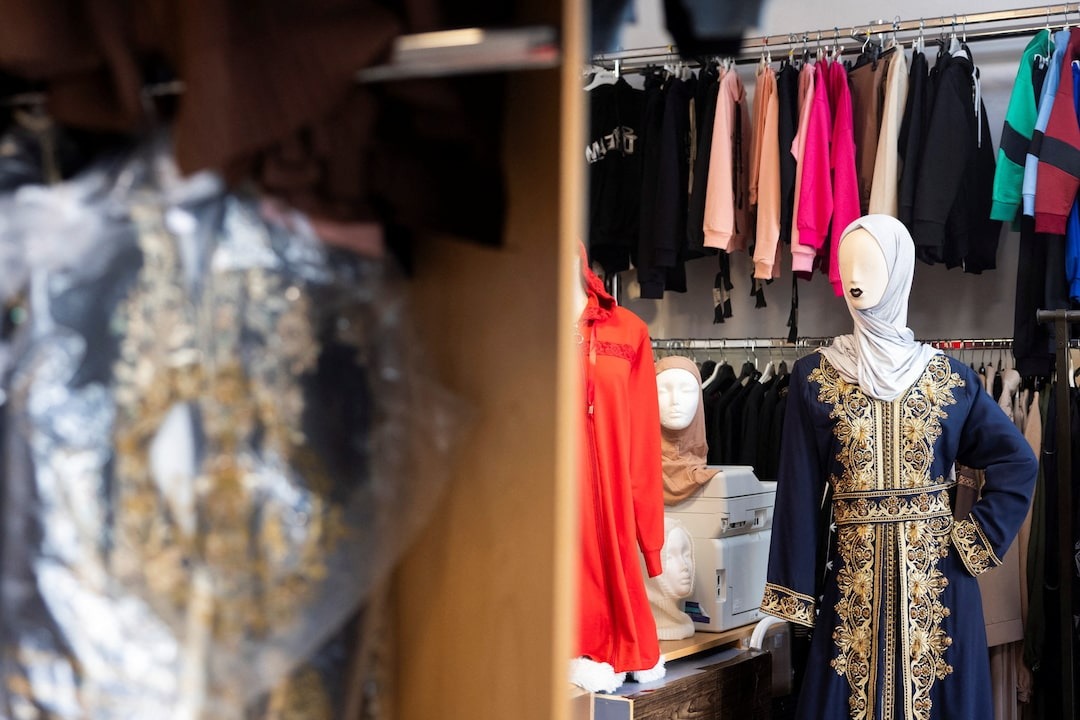
VIENNA — Austria’s ban on Islamic headscarves for girls younger than 14 is moving from statute book to school corridor as pupils return in Vienna, Lower Austria and Burgenland.
The measure, added to the School Education Act and passed in December 2025, applies to public and private schools. It prohibits head coverings defined by reference to Islamic tradition. Teachers report suspected breaches to school leadership; after discussions with families, parents or guardians can face fines ranging from €150 to €800.
The centrist coalition presented the law as a child-protection and gender-equality measure, arguing that young girls should not be pressured to display religious modesty. The far-right Freedom Party also supported it. The Islamic Religious Community in Austria says the law discriminates against Muslims and has indicated that legal challenges are likely.
Those competing claims cannot be resolved by attaching the word freedom to either side. Some girls may experience family or community coercion. Others may understand a headscarf as faith, identity or personal choice. A blanket prohibition removes the garment from all of them and places schools in the role of policing a practice associated with one religion.
Austria’s Constitutional Court declined an earlier attempt to challenge the new measure before it took effect. That was not a ruling that the ban is constitutional. In 2020, the court struck down a prohibition covering younger primary-school pupils, finding that it violated religious neutrality because it targeted Muslim students.
The first weeks of enforcement will reveal practical harms. Officials should publish how many pupils are reported, which interventions occur before a fine, whether students miss lessons and whether girls are moved into home schooling. Data must be anonymised so children do not become symbols in a national culture war.
Schools also need confidential safeguarding. If a pupil says she is being forced to dress in a particular way, professionals should assess her safety and family circumstances. If she says the covering is her own choice, educators should not manufacture coercion from assumption. In either situation, exclusion from education is the worst outcome.
The state has a legitimate duty to protect children and equal access to education. It also has a duty not to impose unequal restrictions through religiously specific law. Austria’s classroom test is therefore larger than compliance: it is whether the government can show that a policy presented as liberating girls does not isolate the very girls it claims to free.

Join the discussion