
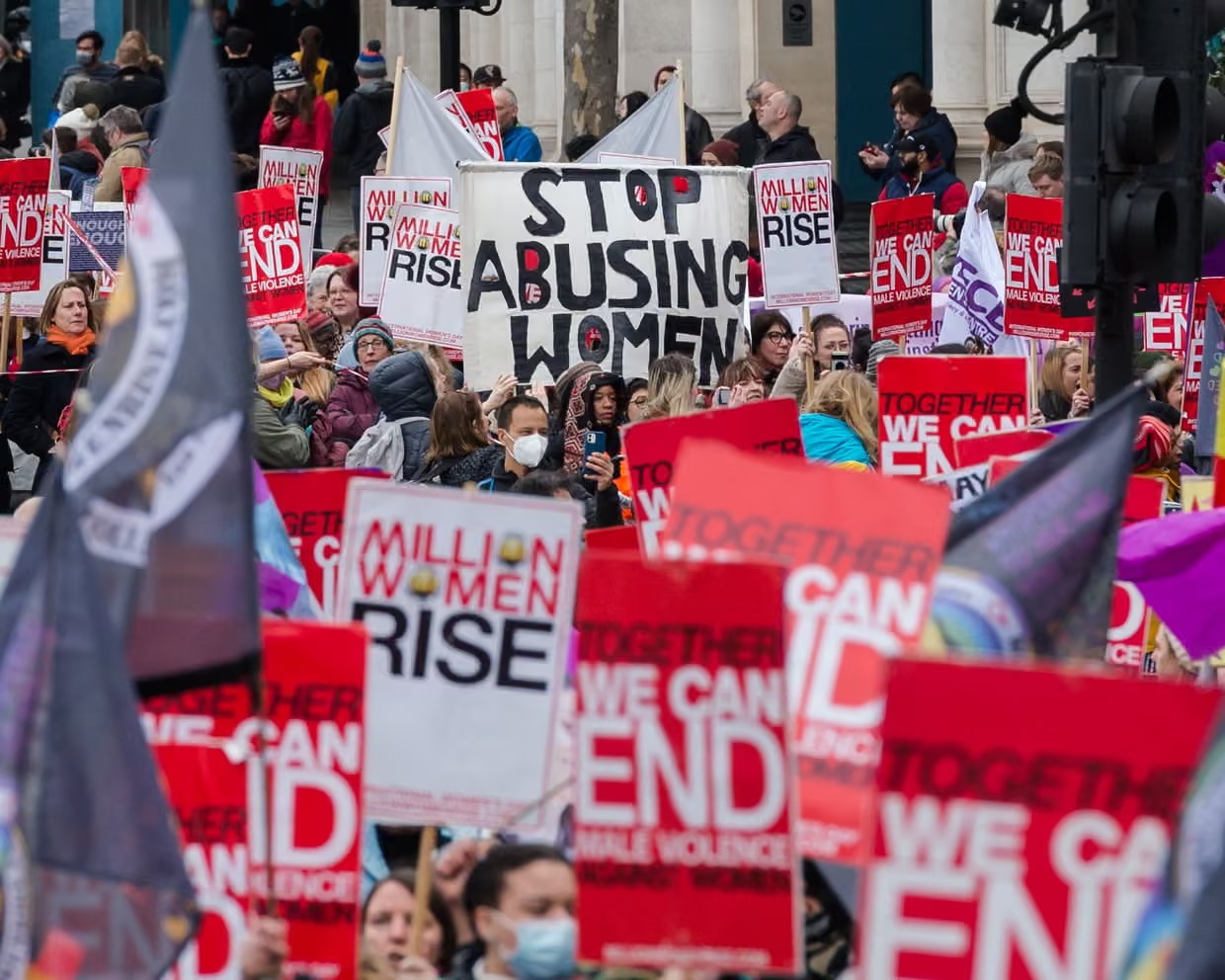
EDINBURGH, Scotland — First Minister John Swinney has promised to make ending violence against women and girls a central ambition of Scotland’s government, shifting attention from whether the country has policies to whether its institutions can deliver them.
Scotland already possesses a substantial policy architecture. Its Equally Safe strategy covers prevention, survivor services and justice responses. A 2018 law created a specific domestic-abuse offence capable of recognising a continuing pattern of coercive control rather than isolated assaults.
Further reforms included domestic-abuse protection measures and the 2025 abolition of Scotland’s “not proven” verdict. That verdict had attracted concern in sexual-offence cases because an acquittal could be returned without jurors choosing between guilty and not guilty.
Yet recorded sexual crimes increased by 10% in the latest year and reached their highest level since comparable records began in 1971, according to figures cited by The Guardian. The total includes both recent and historic reports and must not be interpreted as a simple measure of crimes occurring in one year.
Only about 4% of recorded domestic-abuse crimes were prosecuted using the 2018 offence last year. Campaigners argue that police training, charging decisions and prosecutorial practice have not changed sufficiently to realise the law’s potential.
New technology adds further pressure. Location tracking, image-based abuse, synthetic sexual material and control exercised through household accounts can extend violence beyond physical proximity.
Swinney has acknowledged that prevention requires action on economic inequality as well as immediate protection. That connection matters: a woman cannot safely leave an abusive household if she has no affordable home, income, legal advice or childcare.
The government now needs a delivery document with budgets, deadlines and named institutions. It should report waiting times for advocacy, refuge capacity, legal-aid availability, prosecution outcomes and use of protective orders.
Schools and community programmes also need sustained funding. Prevention cannot be reduced to telling girls how to avoid danger; it must challenge boys and men who learn to treat control, sexual pressure or online humiliation as ordinary.
Scotland’s legal innovations remain useful internationally. Their limitations are equally instructive.
A statute can name coercive control, but it cannot investigate a report, find a safe bed or represent a survivor in court. Those tasks require trained people and dependable money.
Swinney’s pledge will become meaningful when women encounter a functioning system—not when another strategy is announced.

Join the discussion