
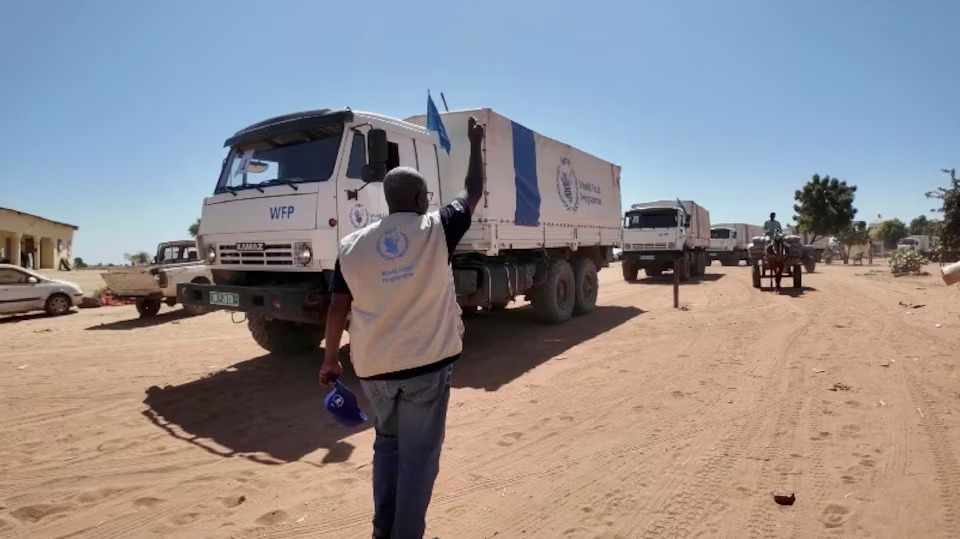
PORT SUDAN, Sudan — The World Food Programme is narrowing an already inadequate food response in Sudan after its annual funding fell by roughly two-thirds.
Acting Executive Director Carl Skau told Reuters on 14 September that WFP’s Sudan budget had dropped from $645 million last year to about $206 million this year. The agency needs nearly $300 million more to sustain its current operation, he said.
Sudan’s war between the army and the Rapid Support Forces has displaced about 14 million people and pushed nearly 20 million into hunger, according to the figures Reuters reported. WFP is concentrating assistance on five million of the most vulnerable people and currently reaches about four million, often with partial rations.
The calculation behind “prioritisation” is severe. It decides which communities receive something, which receive less and which remain outside the programme. In places including Tawila and El Obeid, arrivals and continuing insecurity have created needs far larger than available supplies.
Women and girls do not experience those cuts evenly. WFP’s reporting from Sudan describes mothers reducing their own meals to feed children. Displaced women may travel farther to find food, water or fuel, increasing exposure to violence. Pregnant and breastfeeding women need more nutrition, while clinics that could identify and treat malnutrition are themselves closing as aid budgets shrink.
Funding is not the only barrier. Fighting, checkpoints, damaged roads and restrictions imposed by armed actors can delay or prevent delivery. Donors therefore need to finance food, logistics and local partners, while conflict parties must permit safe, sustained access. Money without access cannot move grain; access without money cannot fill a warehouse.
The crisis also demands transparent measurement. WFP should publish how ration sizes and recipient numbers change as funding falls, and donors should disclose commitments when they are paid rather than when they are announced. Governments reducing humanitarian budgets should state which populations their decisions leave uncovered.
Sudanese civilians should not be made dependent indefinitely on emergency distributions. Restoring markets, farms and incomes requires an end to violence and functioning public institutions. Until then, food aid is not a substitute for peace; it is the line keeping people alive while peace is absent.
The present shortfall turns that line into a selection process. Nearly 20 million people cannot be fed by a programme resourced for a fraction of them, and women will continue converting the global funding gap into smaller portions at home.
Join the discussion