
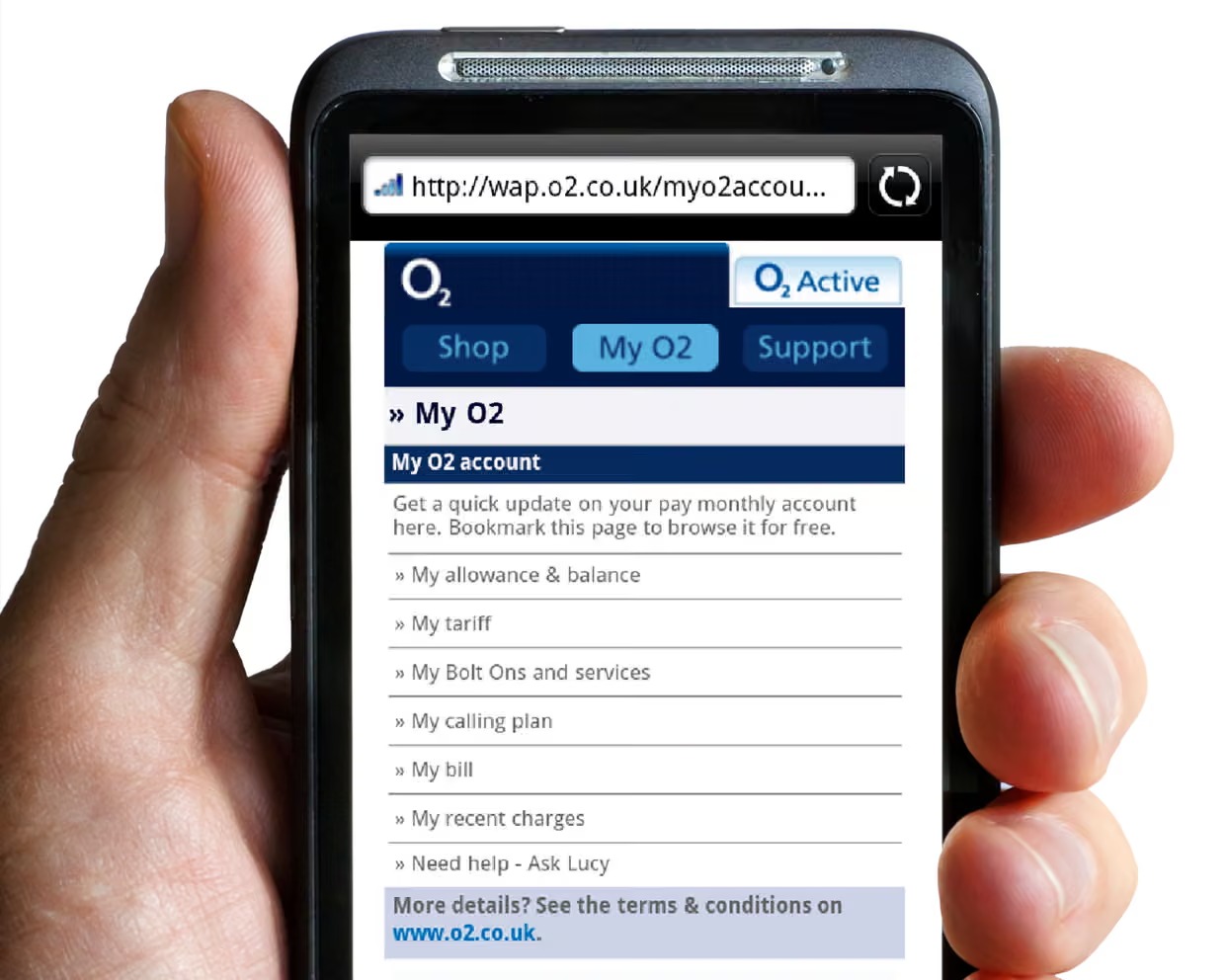
LONDON — A woman trying to remove an abusive former partner from her family phone account was instructed to join him on a call—or meet him in person—despite explaining the potential danger.
The customer, whose identity was withheld, told The Guardian that her former partner stopped contributing to the account after leaving. O2 said both parties needed to participate in a conference call before their numbers could be separated.
When the former partner said he could not join remotely, the customer met him in a busy park to complete the procedure while protecting her new address. After an hour, the children’s numbers were transferred but his was not.
O2 subsequently told her to arrange another joint call or pay the outstanding charges and end the contract. It also issued a £164 early-termination fee connected with the transferred numbers.
The requirement effectively turned a contractual procedure into renewed contact. For someone experiencing coercive or economic abuse, obtaining an ex-partner’s agreement may be impossible or become another opportunity for delay, intimidation and debt.
After The Guardian intervened, O2 used a different process: it issued a seven-day notice allowing the former partner to transfer his number, cancelled the £164 charge and offered £200 in compensation.
The company acknowledged that it already had policies allowing abuse survivors to disconnect unwanted numbers safely without meeting a former partner. It said those protections had not been offered accurately.
That admission shifts the problem from the absence of policy to its operation. A safeguard fails if frontline employees cannot identify the relevant procedure, incorrectly reject a disclosure or repeatedly return a customer to the ordinary workflow.
Telecommunications providers hold infrastructure essential for banking, employment, healthcare and personal safety. Shared accounts can reveal call records, location-related information or the continuity of a survivor’s number. Disconnecting hastily can also cut access to emergency contacts.
Providers therefore need specialist teams able to separate accounts without alerting an alleged abuser prematurely or demanding evidence that could place the customer at risk. Staff should offer safe contact methods and avoid recording unnecessary details in accounts accessible to multiple users.
Regulators should require companies to test these processes through survivor organisations and publish anonymised information on complaints and resolutions.
The lesson extends beyond one phone company. Banks, utilities, insurers and digital subscriptions routinely design household accounts around cooperative separation.
Domestic abuse makes that assumption unsafe. A survivor should not have to negotiate with the person she is escaping before a company will recognise her as an independent customer.



Join the discussion