
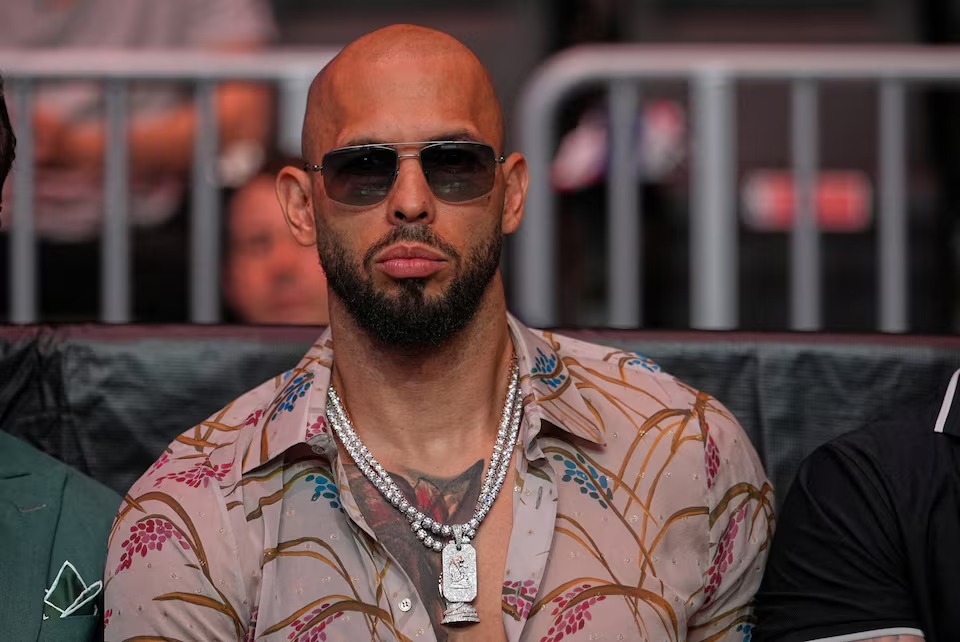
BUCHAREST, Romania — Romanian prosecutors have sent Andrew Tate and his brother Tristan to trial in a new case alleging trafficking of minors, sexual activity with a minor, money laundering and witness tampering.
The organised-crime prosecution agency DIICOT announced the indictment on 4 September. Prosecutors allege that women and girls were recruited through false romantic relationships, then coerced into producing online sexual content. One alleged victim was 15, according to Reuters and the Associated Press.
Andrew Tate is also accused of money laundering and attempting to influence testimony; Tristan is charged with complicity in some alleged offences. Prosecutors say proceeds from the operation were used to acquire luxury vehicles. Both brothers deny wrongdoing.
An indictment is an accusation, not a verdict. A judge must review the case before a trial proceeds, and the prosecution must establish every offence with admissible evidence. Reporting should use “alleged” consistently and avoid presenting a social-media persona as proof of criminal conduct.
The new case is separate from an earlier Romanian prosecution alleging human trafficking, rape and participation in an organised criminal group. That indictment was returned to prosecutors over procedural defects. It is also distinct from charges in Britain, where the brothers are expected to face proceedings after their current US detention and extradition process are resolved.
Those overlapping jurisdictions make precision essential. A ruling, delay or evidentiary failure in one case does not automatically decide another.
Survivor-centred reporting requires equal discipline. Alleged victims should not be identified through leaked details, online speculation or descriptions that allow followers to trace them. Their sexual histories are not public evidence, and contradictions should be assessed in court rather than converted into harassment campaigns.
The case matters beyond one influencer because prosecutors describe a model of exploitation built through intimacy, digital platforms and monetised audiences. The alleged method does not depend on abduction by strangers. It relies on trust, isolation and economic control—patterns that anti-trafficking services have long warned can be hidden behind apparently voluntary relationships.
Romanian authorities must now demonstrate that their investigation can survive judicial scrutiny. That means protected witnesses, reliable financial evidence, interpreters and defence access, not public relations around a famous defendant.
The brothers’ visibility guarantees attention. Justice will depend on resisting the attention economy they understand so well: neither treating notoriety as guilt nor allowing spectacle to eclipse the women and girls whose allegations brought the case to court.



Join the discussion