
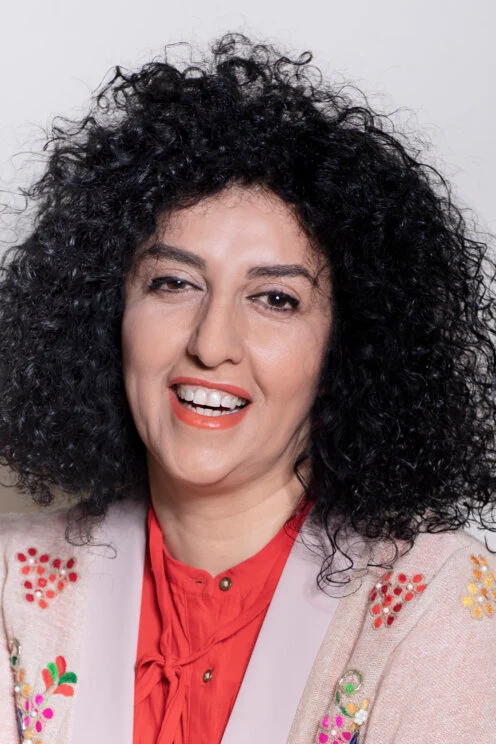
TEHRAN — Iranian human-rights defender Narges Mohammadi says ordinary people are paying simultaneously for war, economic pressure and a state campaign against dissent, while women continue to resist restrictions on their lives.
Mohammadi spoke to the Associated Press in an interview published on 19 September, during a temporary medical release from prison. She described being beaten during her latest arrest in December and said the cumulative prison terms imposed on her now total 44 years. Iranian authorities have repeatedly prosecuted her over peaceful activism, including opposition to compulsory hijab rules and the death penalty.
The 2023 Nobel Peace Prize laureate has spent much of the past decade behind bars or under restrictions. Her account is therefore not a distant commentary on Iran’s politics. It comes from someone whose health, family life and freedom have been repeatedly disrupted by the state.
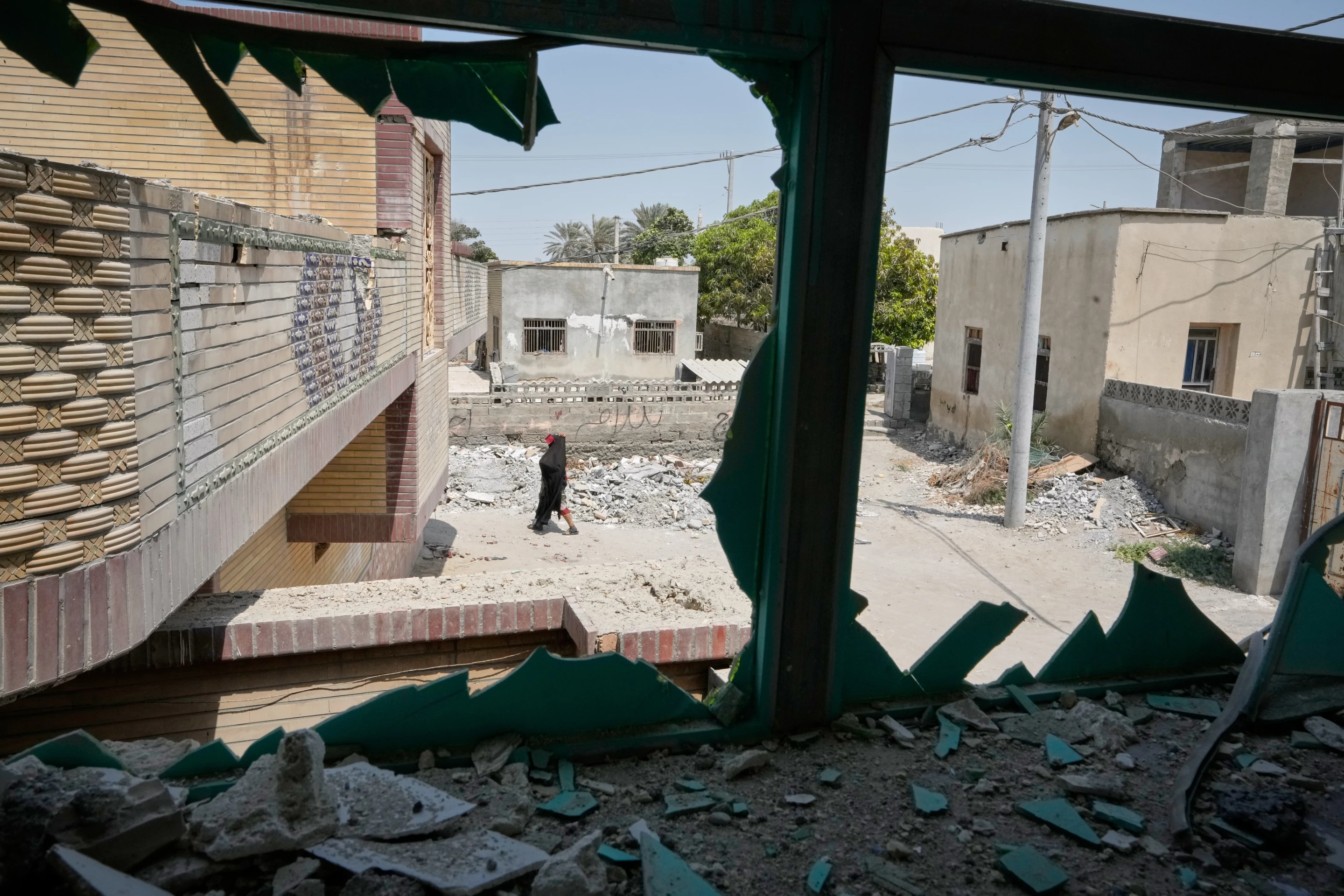
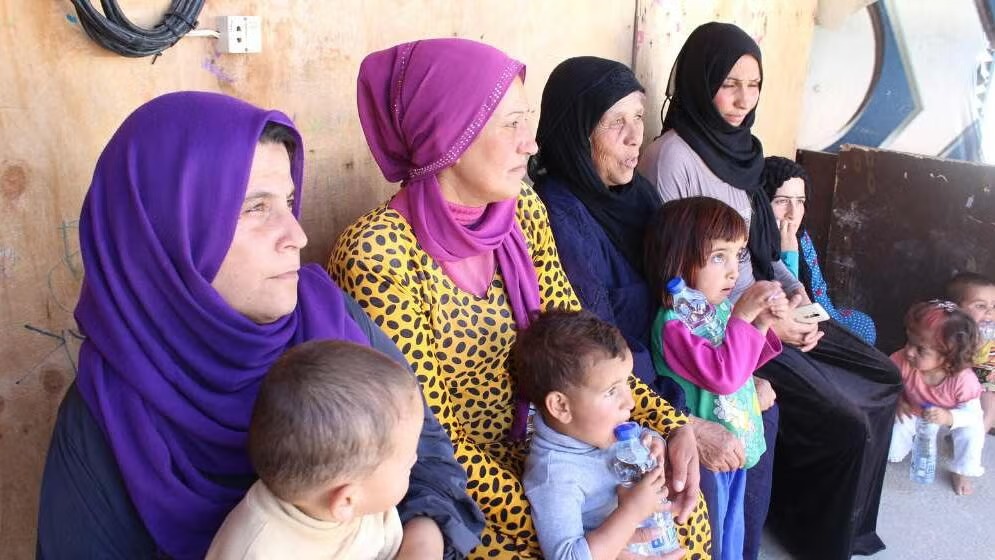
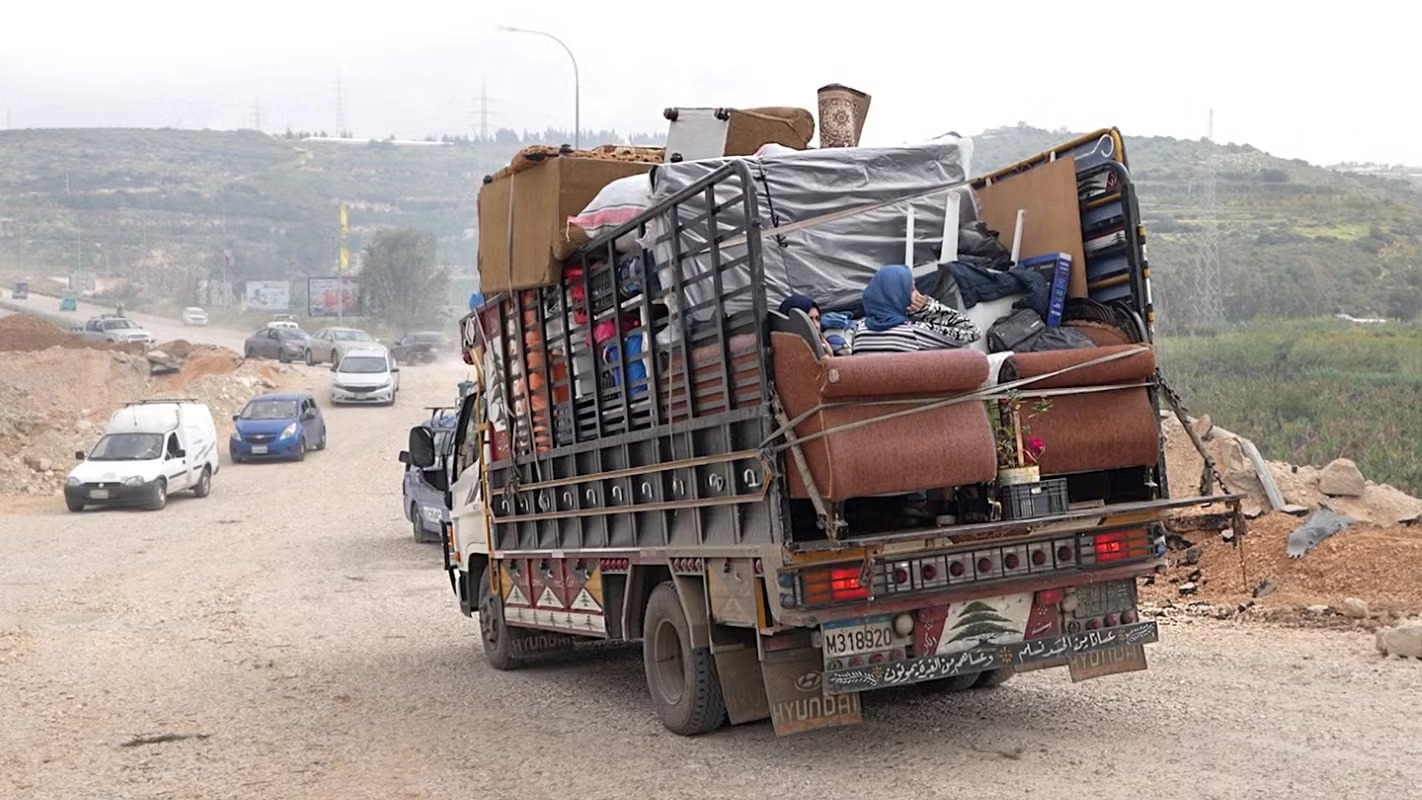
Mohammadi also placed domestic repression within a wider crisis. Conflict involving Iran and its neighbours has brought fear, deaths and greater economic insecurity. Governments often use wartime conditions to demand unity and narrow the space for criticism. For women’s-rights organisers, that can mean more surveillance, fewer safe meeting places and less international attention to everyday abuses.
Her planned memoir, A Woman Never Stops Fighting, is expected to appear in English and Persian in 2027. The title captures a central tension in her public life: the world celebrates her courage, but recognition has not protected her from imprisonment or allowed her to live normally with her family.
Readers should also resist reducing Iran’s women to symbols. The “Woman, Life, Freedom” movement did not produce a single leadership structure or a simple political programme. It changed public expectations through many forms of action, from refusing compulsory dress rules to documenting arrests and sustaining families of prisoners.
Mohammadi’s testimony cannot independently establish every allegation about her treatment; those claims require investigation and access that Iranian authorities tightly control. But her record of detention, prosecution and international recognition is well documented.
The significance of her latest message is its refusal to separate peace from rights. A society cannot be protected by silencing the people who describe its failures, and war does not make women’s freedom a secondary issue. It makes independent voices harder—and more necessary—to hear.
Join the discussion