
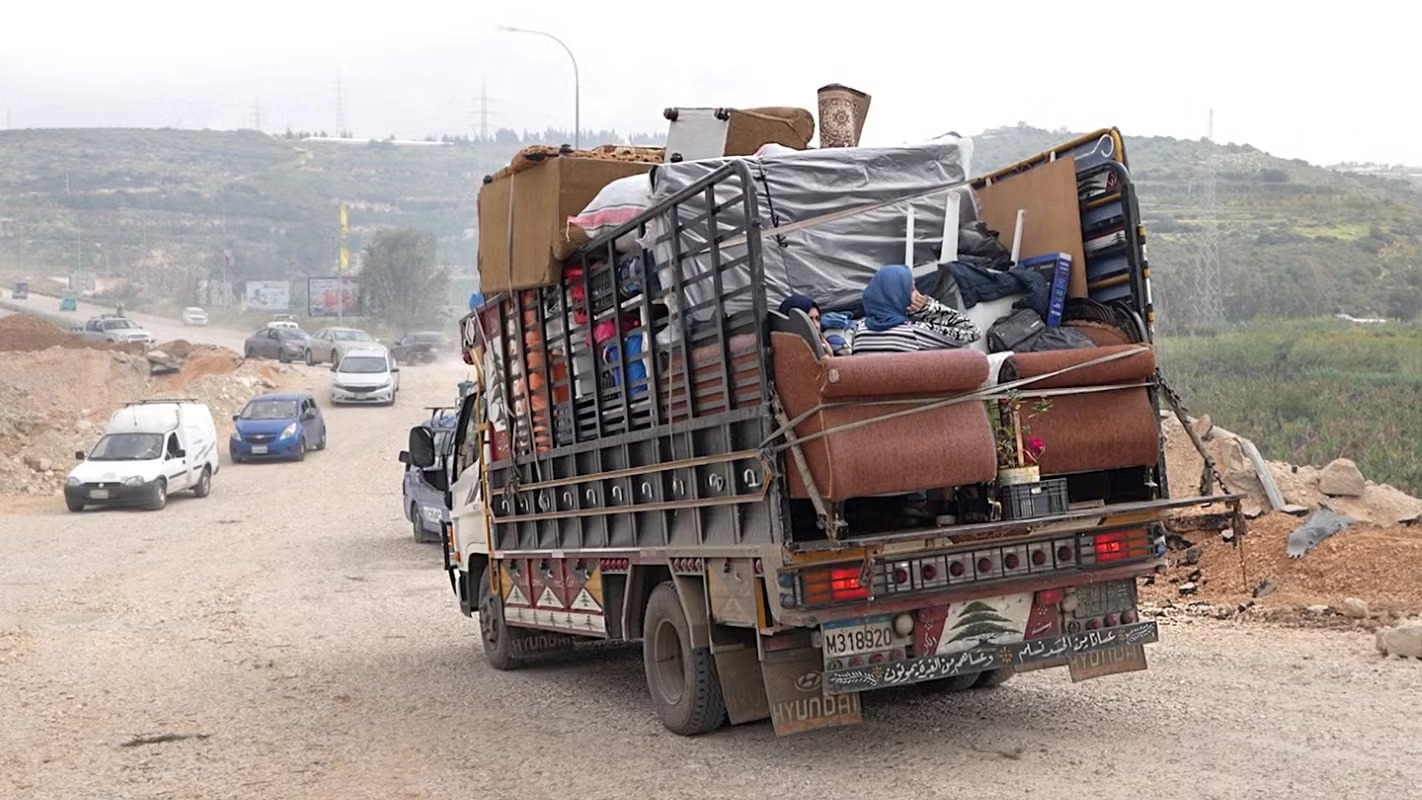
BEIRUT, Lebanon — A new series of testimonies from Lebanese women shows how conflict becomes an inheritance: remembered by grandmothers, reorganising the lives of mothers and narrowing the futures available to girls.
UN Women published the feature on 2 September after speaking with women and girls from three generations about trauma, loss and everyday survival during Lebanon’s continuing crisis. The accounts are personal rather than a representative survey, but they reveal consequences that casualty totals and damage maps routinely miss.
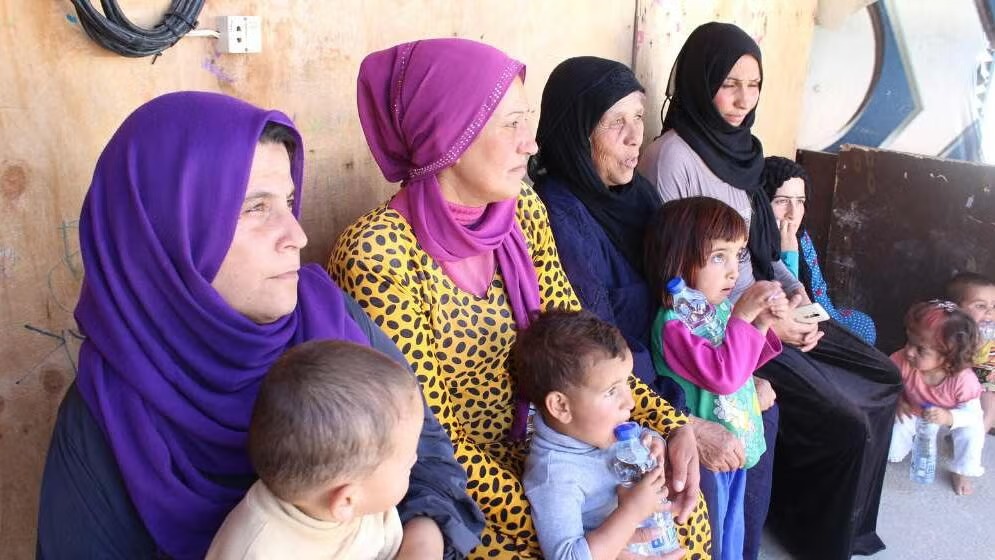
Older women carry memories of earlier wars while again managing displacement and shortages. Women in midlife describe supporting children and relatives while trying to preserve income, housing and medical care. Girls confront interrupted schooling and uncertainty about whether plans made before the latest escalation remain possible.
The stories sit within a much larger emergency. UN agencies reported earlier this year that more than 620,000 women and girls had been displaced in Lebanon. Reuters reported in March that 13,500 displaced women were pregnant and about 1,500 were expected to give birth within a month, often while health facilities and transport routes were under pressure.
Those figures should not turn women into a single category of vulnerability. Women also organise shelter supplies, maintain family networks, earn income and document abuses. Their labour is essential to survival, but it can be exploited when humanitarian systems assume that women will provide unlimited unpaid care.
Aid should therefore be designed around the full course of displacement. Immediate needs include safe shelter, menstrual supplies, maternal care and protection from gender-based violence. Longer-term recovery requires school continuity, childcare, legal documents, cash women can control and livelihoods that do not disappear when a family moves.
Psychological support must also avoid treating distress as an individual defect. Fear, grief and sleeplessness can be reasonable responses to repeated violence. Services should offer confidential care while recognising that mental health cannot be separated from safety, housing and the possibility of return.
The feature’s intergenerational structure is its strongest contribution. It resists the idea that each escalation begins a new story. Children absorb adults’ memories and coping strategies; mothers make choices under constraints created before they were born; older women watch another generation encounter dangers they hoped had ended.
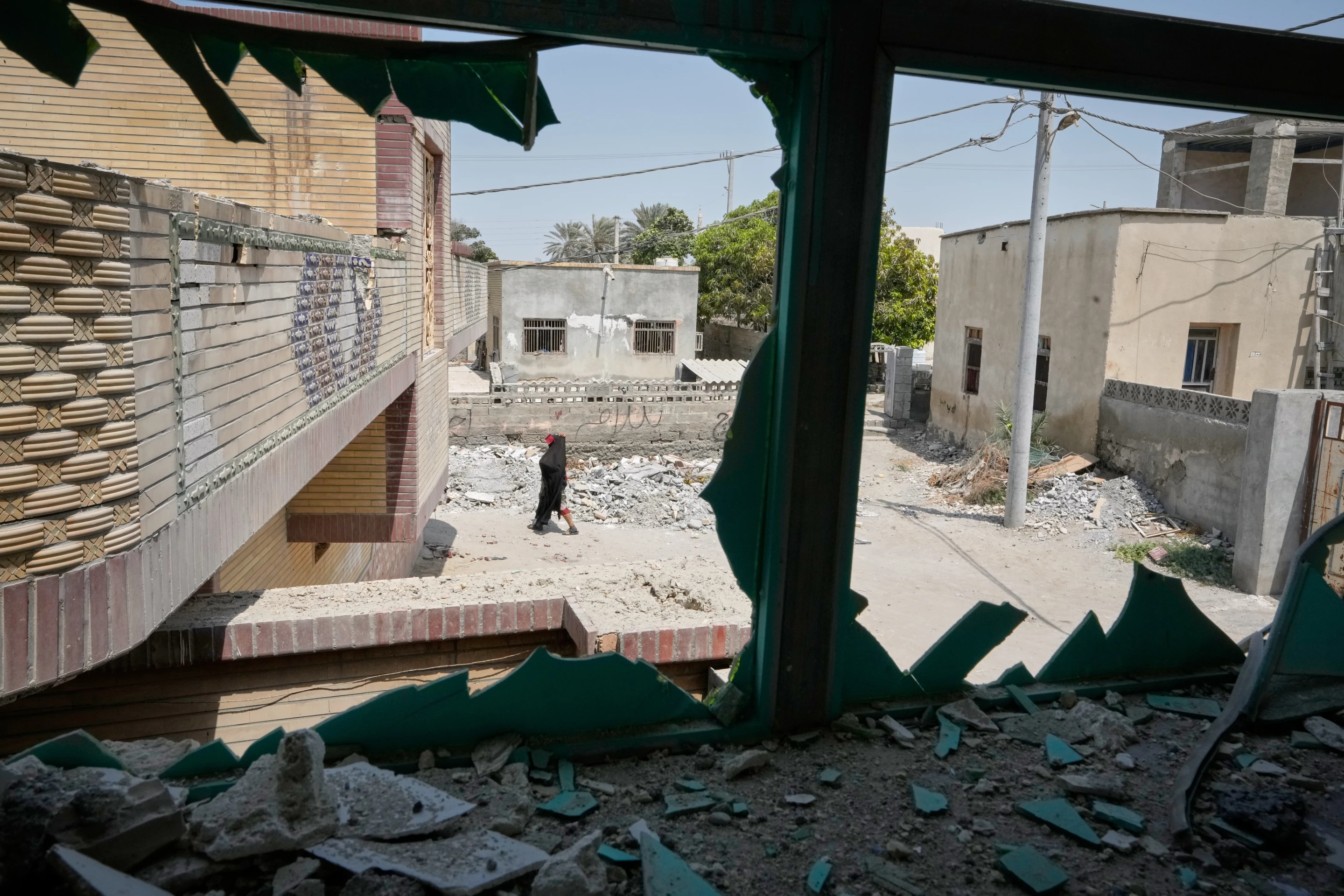
These testimonies cannot establish responsibility for particular military incidents. They do establish a public obligation: ceasefire and reconstruction decisions must include the people who have carried conflict through homes, schools and bodies across decades.

Join the discussion