
Health
24 published stories in this view. Follow the topic to personalize SheFront.
Stories about Health

Women’s Monthly Heart-Rate Patterns Are a Research Clue, Not a Diagnosis
An analysis of long-term smartwatch records found multiday heart-rate rhythms in 70% of participants, with monthly patterns more common among women. The finding could guide future research, but it does not prove a menstrual cause or justify treatment based on a wearable graph.
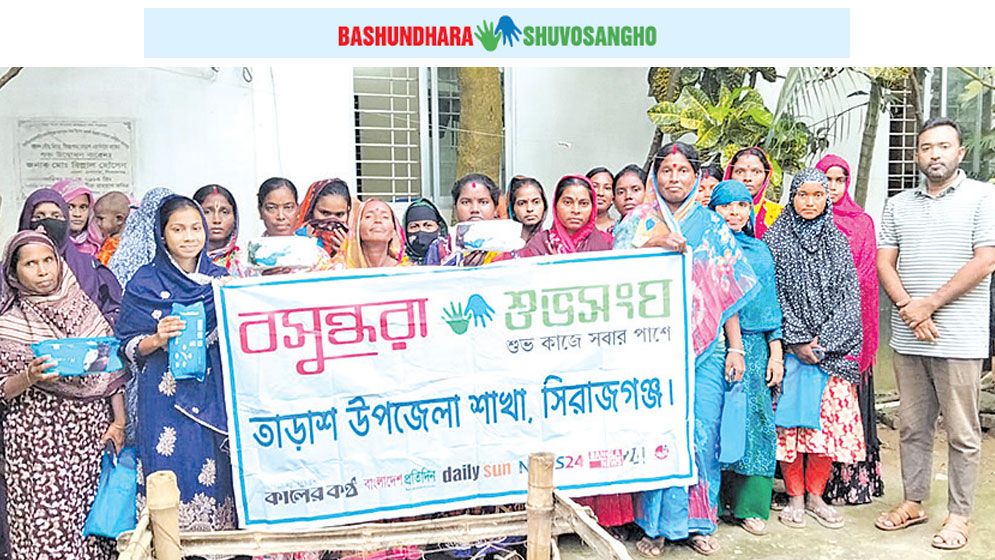
Tarash Is Talking Openly About Periods. Bangladesh Still Needs Affordable Products and Private Facilities
Women and adolescent girls in a Sirajganj community joined an open discussion on menstruation this week and received sanitary pads. Awareness helps dismantle stigma—but Bangladesh’s menstrual-health challenge is also about affordability, school facilities, privacy and reliable access to products.

WHO Says Bangladesh Has Crossed a Maternal-Mortality Milestone. It Is Not the Finish Line
WHO has recognised Bangladesh for bringing maternal mortality below the Ending Preventable Maternal Mortality benchmark of 140 deaths per 100,000 live births. That is substantial progress—but it should not be confused with the global SDG target of fewer than 70.

India’s First Endometriosis Genome Study Adds South Asian Data—but No Diagnostic Test
Researchers found 21 suggestive genetic regions in Indian women with surgically confirmed endometriosis. The work starts to correct an ancestry gap in research, but the signals are not ready to diagnose disease or predict any woman’s risk.
Gestational Diabetes Can Signal Type 2 Diabetes More Than a Decade Earlier
Danish cohort data show that women with previous gestational diabetes developed type 2 diabetes at a median age nearly 13 years younger than other women with the disease. The preliminary conference research strengthens the case for long-term follow-up after pregnancy, not blame.
Ten-Year Evidence Supports One-Week Radiotherapy for Early Breast Cancer
Long-term FAST-Forward trial results support five radiotherapy sessions over one week for selected patients after breast-cancer surgery. The shorter schedule could reduce travel and treatment costs without compromising control, but it is not appropriate for every diagnosis.
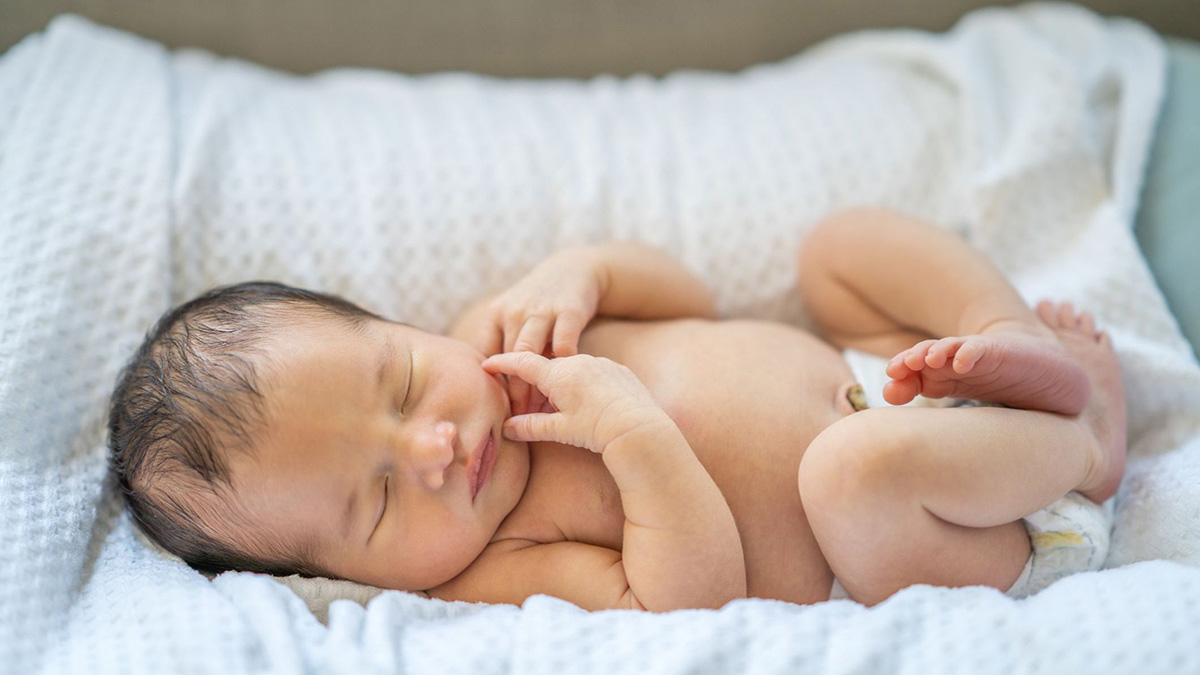
Newborn Girls Are Missing Vitamin K Protection at Higher Rates
US hospital data show a steep rise in newborns not receiving the vitamin K injection, with girls affected disproportionately. The shot prevents rare but potentially fatal internal bleeding and is not a vaccine.

Five-Part Blood Score Could Help Spot ‘Broken-Heart’ Syndrome Earlier
Researchers developed a score that distinguished takotsubo syndrome from acute coronary disease before angiography in two patient groups. The result is promising for a condition affecting mainly postmenopausal women, but it requires further clinical validation.
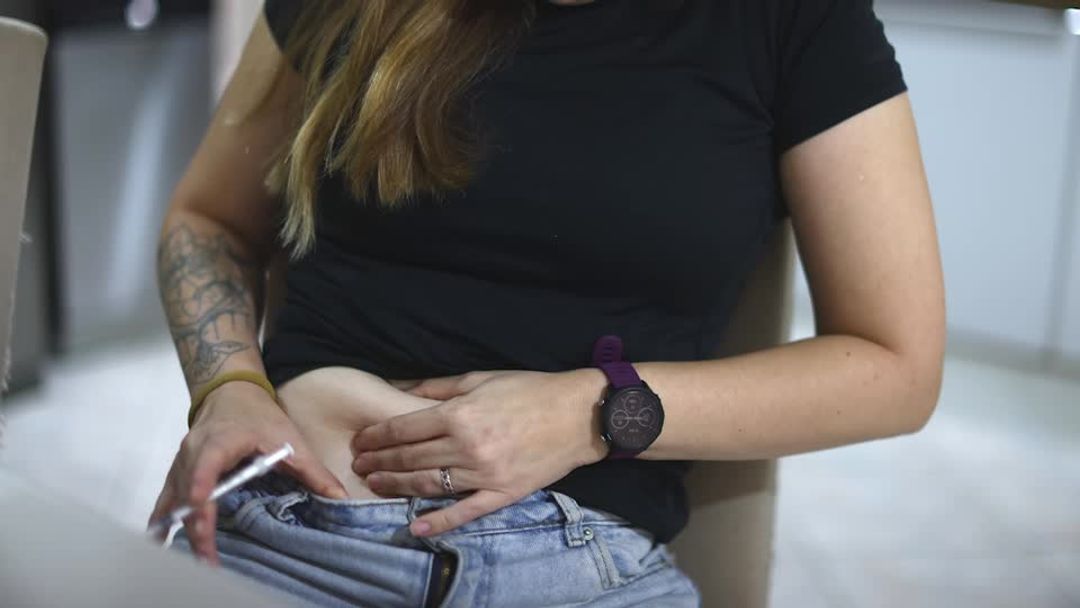
Brazil’s Cheap Weight-Loss Injections Carry a Cost Women Cannot See
Demand for GLP-1 medicines has produced a market in compounded and smuggled injections whose ingredients and storage may be uncertain. Affordability and appearance pressure help explain demand, but they do not make unverified products safe.
Nearly One in Three US Women in Their Twenties Had Never Received Cervical Screening
A national analysis found a substantial rise in younger women reporting no previous cervical-cancer screening. The trend requires better access and communication, not blame directed at patients.
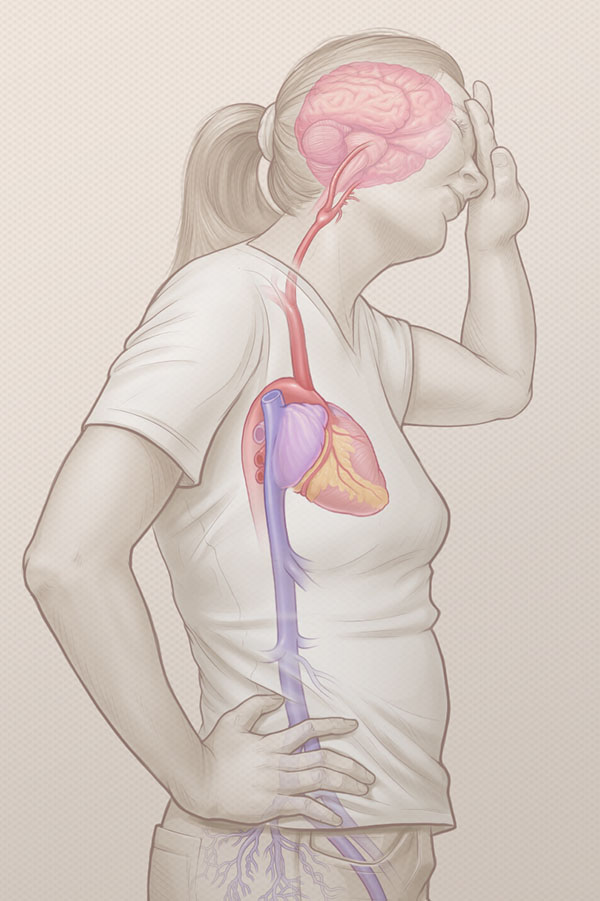
New Heart-Attack Definition Could Reduce the Diagnostic Gap for Women
International cardiology bodies have adopted sex-specific blood-test thresholds and clearer recognition of heart-attack mechanisms more common among women. The guidance could improve diagnosis but is not a tool for self-assessment.
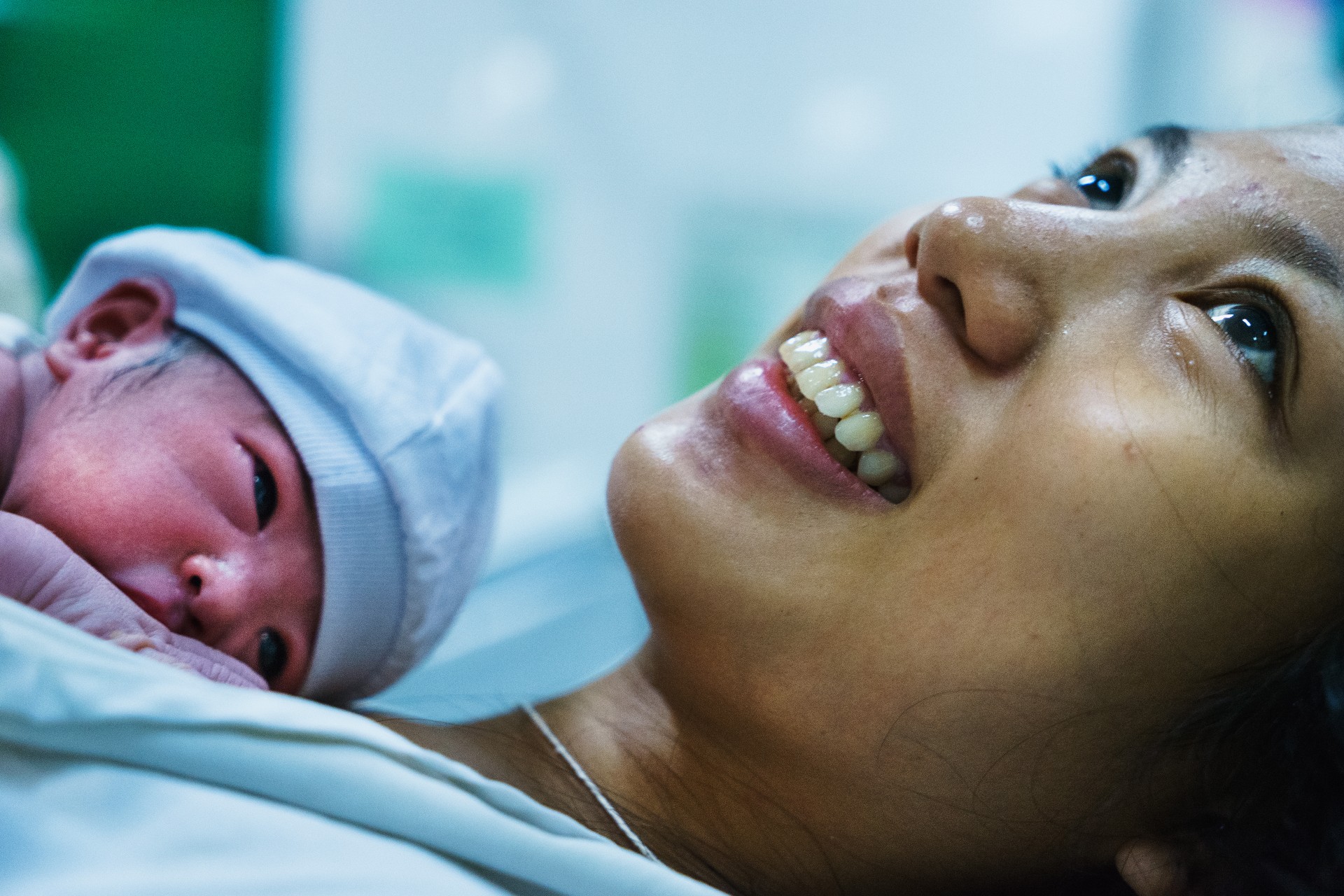
Breastfeeding Study Finds Better Lipid Measures After Gestational Diabetes—But Not Proof of Cause
Japanese researchers found an association between intensive breastfeeding and healthier lipid levels shortly after pregnancies affected by gestational diabetes. The result should support better lactation care, not guilt women who cannot or choose not to breastfeed.
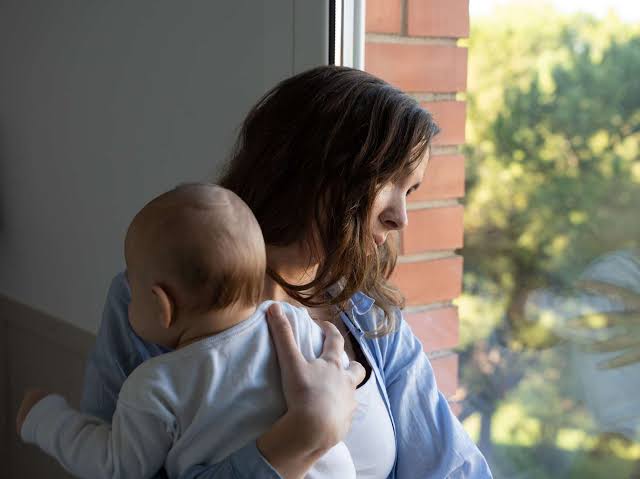
More Than 15,000 UK Mothers May Have Undiagnosed PTSD After Childbirth Each Year
A new evidence review identifies a major gap in postnatal mental healthcare, with childbirth-related PTSD often mistaken for depression. Recognition must lead to trauma-informed treatment, not pressure on women to retell distressing experiences.
Canada Launches National Study of Menopause’s Health and Economic Effects
The Can-RISE study is recruiting participants to examine menopause across healthcare, work, caregiving and daily life. Its value will depend on reaching people routinely excluded from women’s-health research.
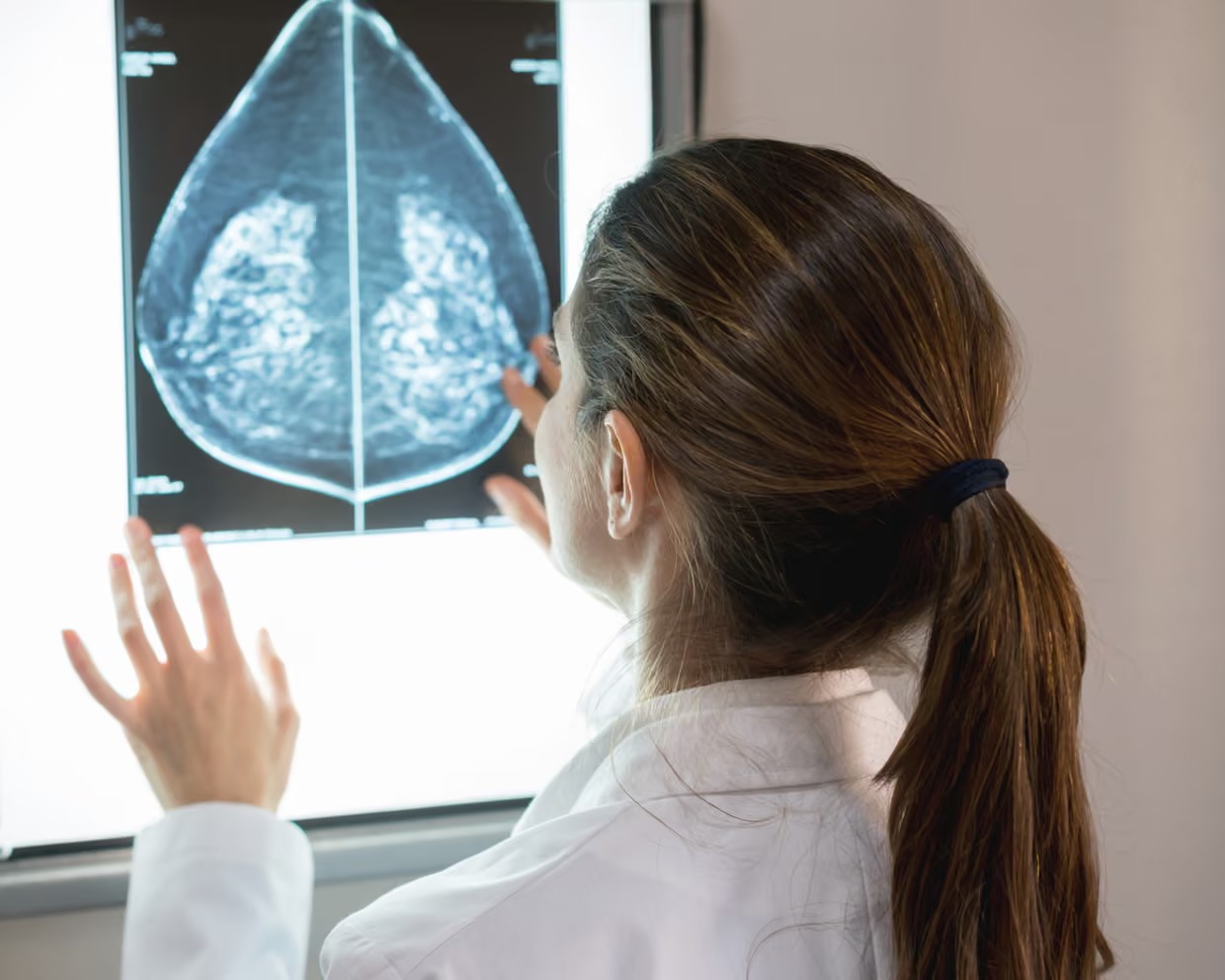
AI Study Suggests Mammograms Could Also Flag Women’s Heart Disease
: Researchers trained a model on almost 100,000 mammogram images to identify cardiovascular conditions. The result is promising, but it is not yet a diagnostic service or a reason to change screening advice.
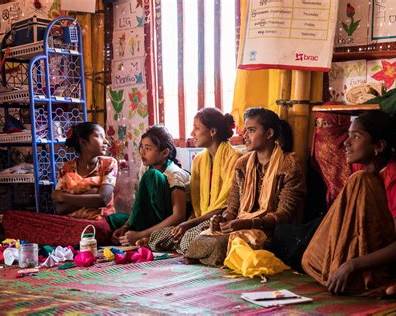
As Aid Shrinks, the Safe Spaces Protecting Rohingya Women Are Being Hollowed Out
In Cox’s Bazar, women-only centres have spent years helping Rohingya women report violence, access healthcare, receive counselling and simply find somewhere they feel safe. A new investigation warns that funding cuts are stripping away the prevention work that made those spaces effective — just as reported gender-based violence is rising.
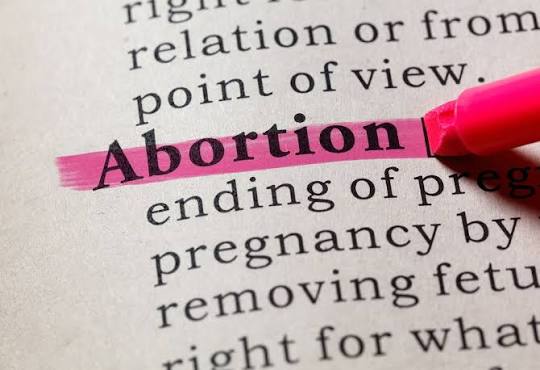
Study of Abortion Narratives Highlights the Need for Clear Aftercare Information
Women’s online accounts following medication abortion may reveal confusion, isolation and difficulty identifying trustworthy healthcare information.
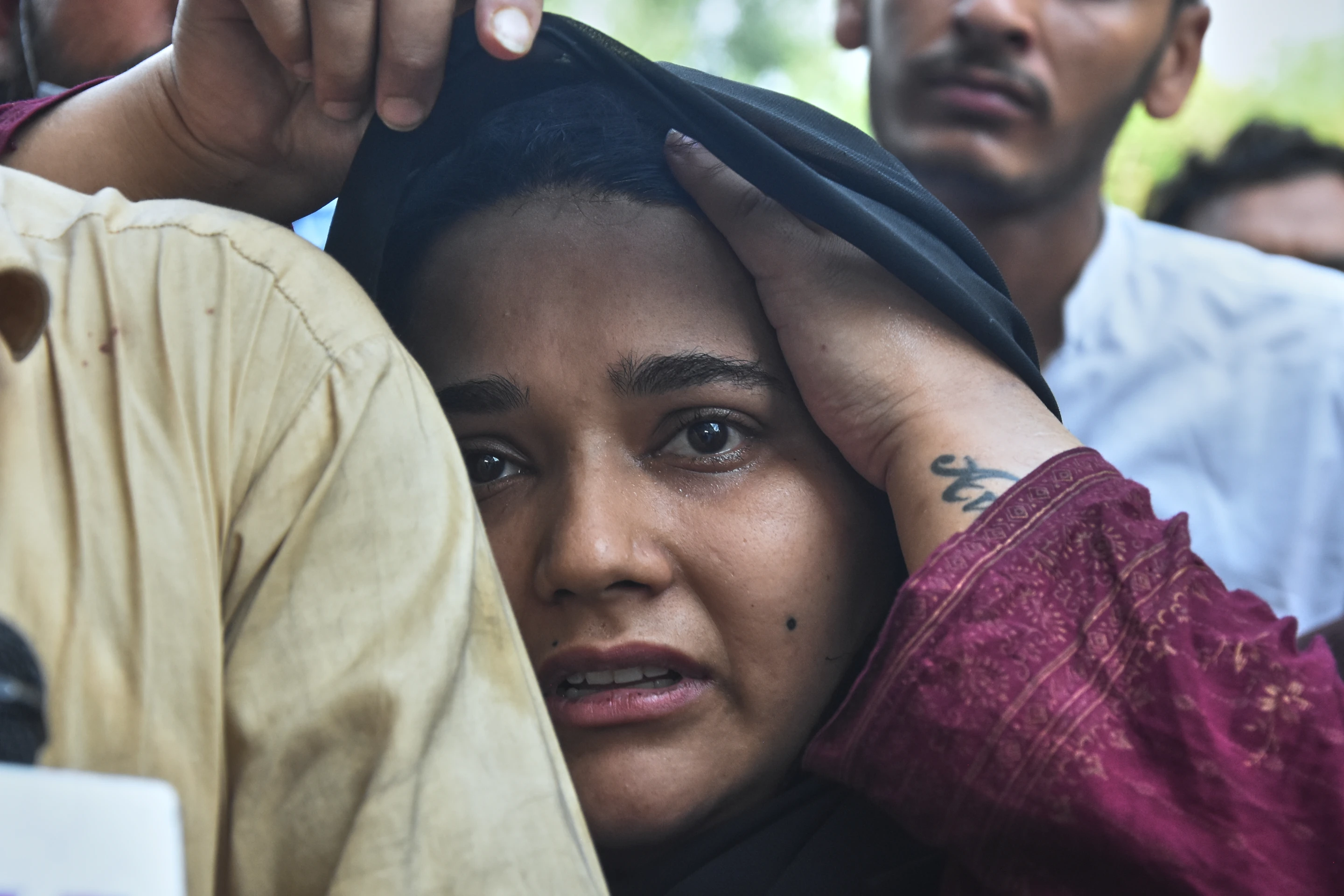
Newborn Fire Deaths Expose the Special Risks Inside Intensive-Care Nurseries
The Islamabad hospital fire demonstrates why neonatal units require layered fire protection designed around infants who cannot be evacuated conventionally.

Quantitative Science Could Help Expose the Women’s Health Data Gap HOLD — obtain independent methodological comment before publication.
A new digital-health paper argues that biased data and measurement practices continue to limit progress in women’s healthcare.
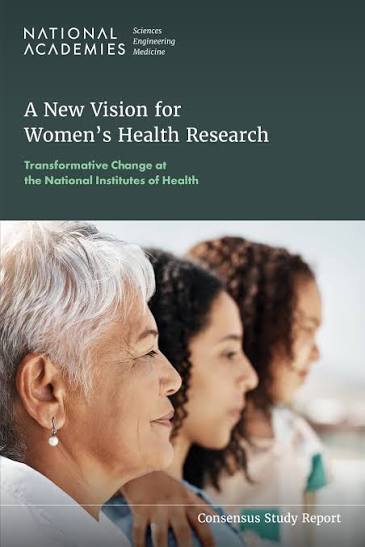
National Academies Project Seeks to Measure Gaps in US Women’s Health Research
The project will examine how funding is distributed across conditions affecting women and develop a framework for identifying persistent research gaps.
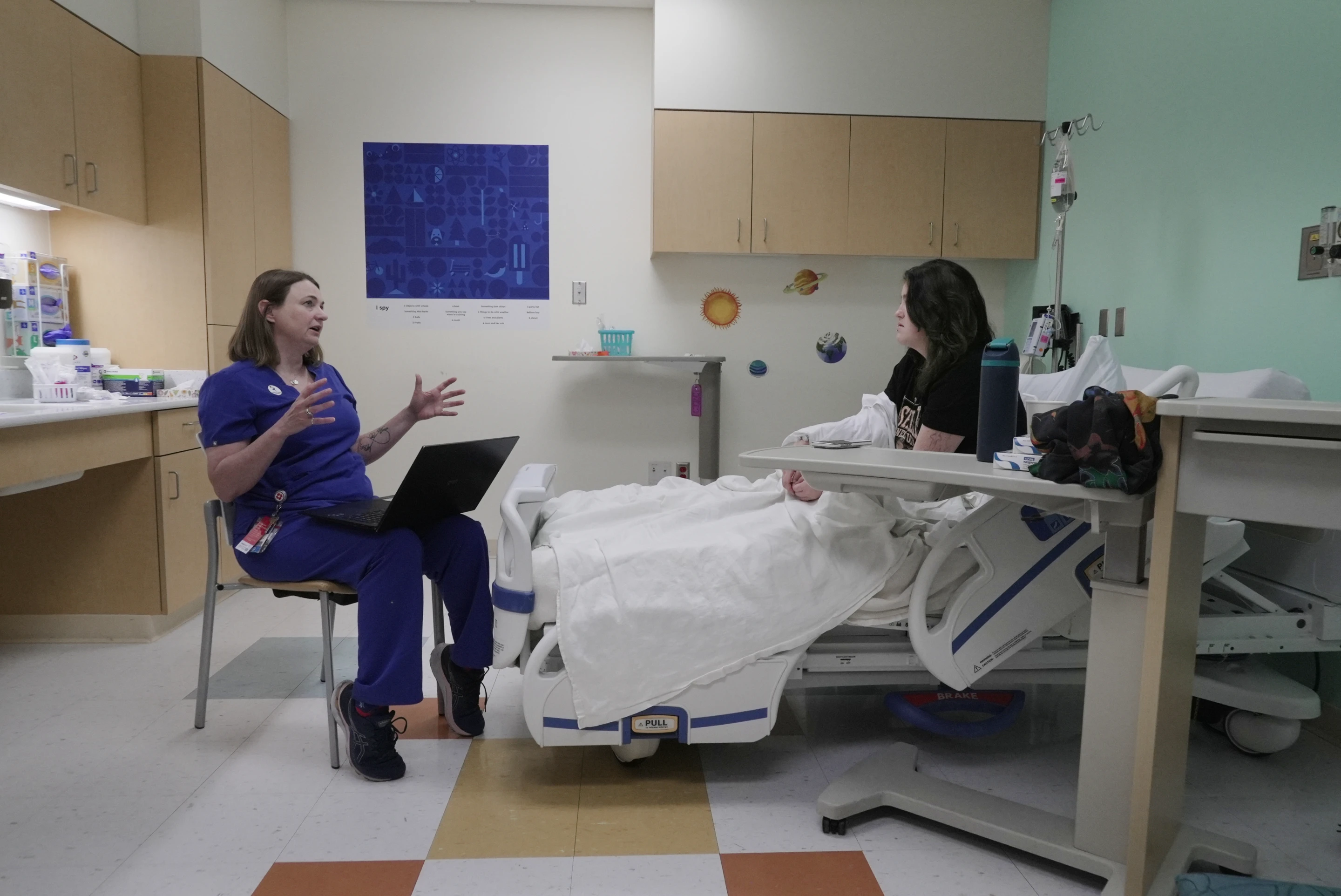
GLP-1 Medicines Show Early Promise for PMOS—but Evidence Remains Limited
Small studies suggest obesity medicines may improve metabolic and reproductive symptoms associated with the hormonal condition formerly called PCOS.
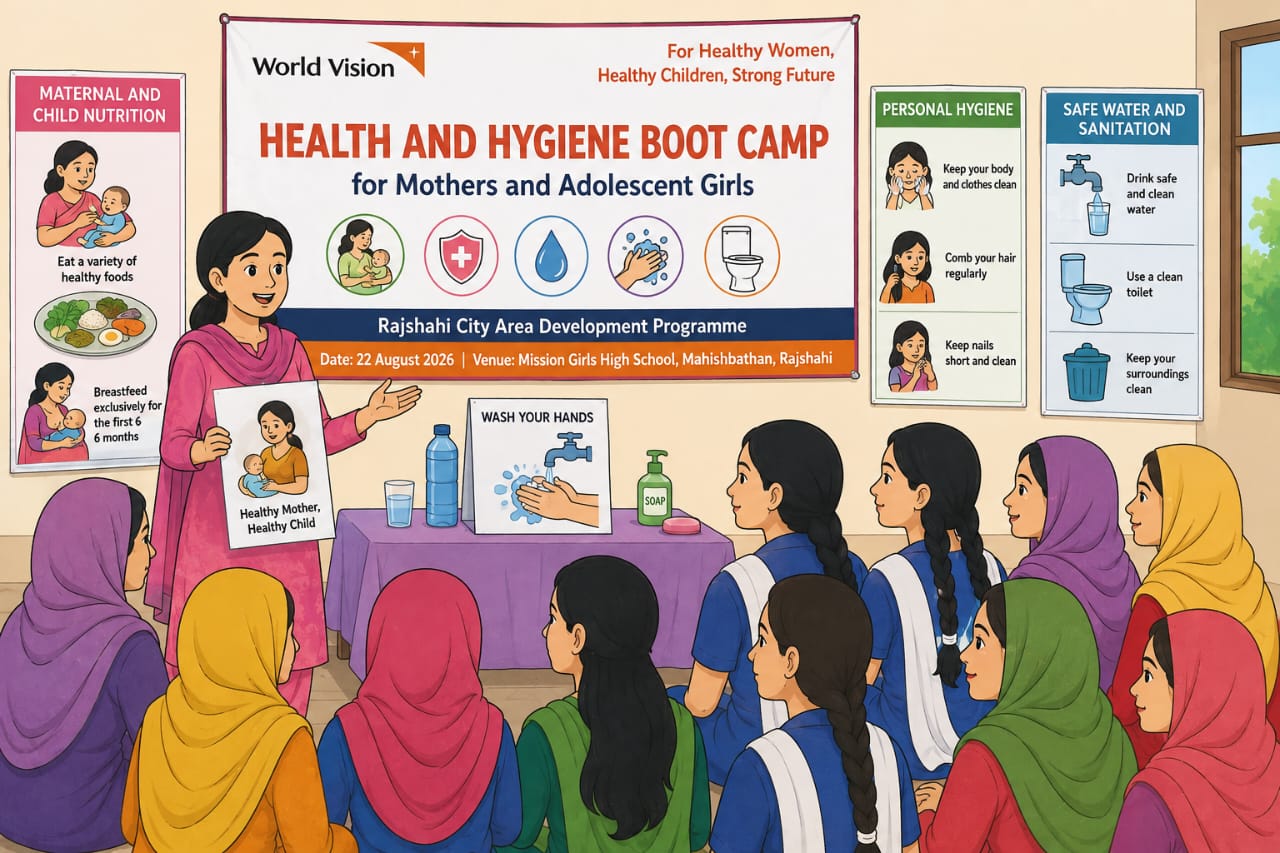
250 Mothers and Adolescent Girls Join Health and Hygiene Programme in Rajshahi
A World Vision Bangladesh initiative brought mothers and teenage girls together for hands-on learning on nutrition, hygiene, safe motherhood and child health — highlighting why prevention often begins with knowledge at home.

More Than 100 Female Workers Reportedly Fall Ill at Adamjee EPZ Factory
The cause remains unconfirmed after workers at Universal Menswear in Narayanganj became sick one after another. A BEPZA official initially suggested heatstroke, raising wider questions about occupational health and heat protection for women in Bangladesh’s garment sector.

Woman Dies After C-Section in Faridpur; Health Ministry Orders Five-Day Probe
The family of Konika Rani Mondol alleges surgical gauze was left inside her abdomen during a caesarean delivery. A five-member committee has been ordered to investigate the case as questions grow over maternal and surgical safety in Bangladesh.