
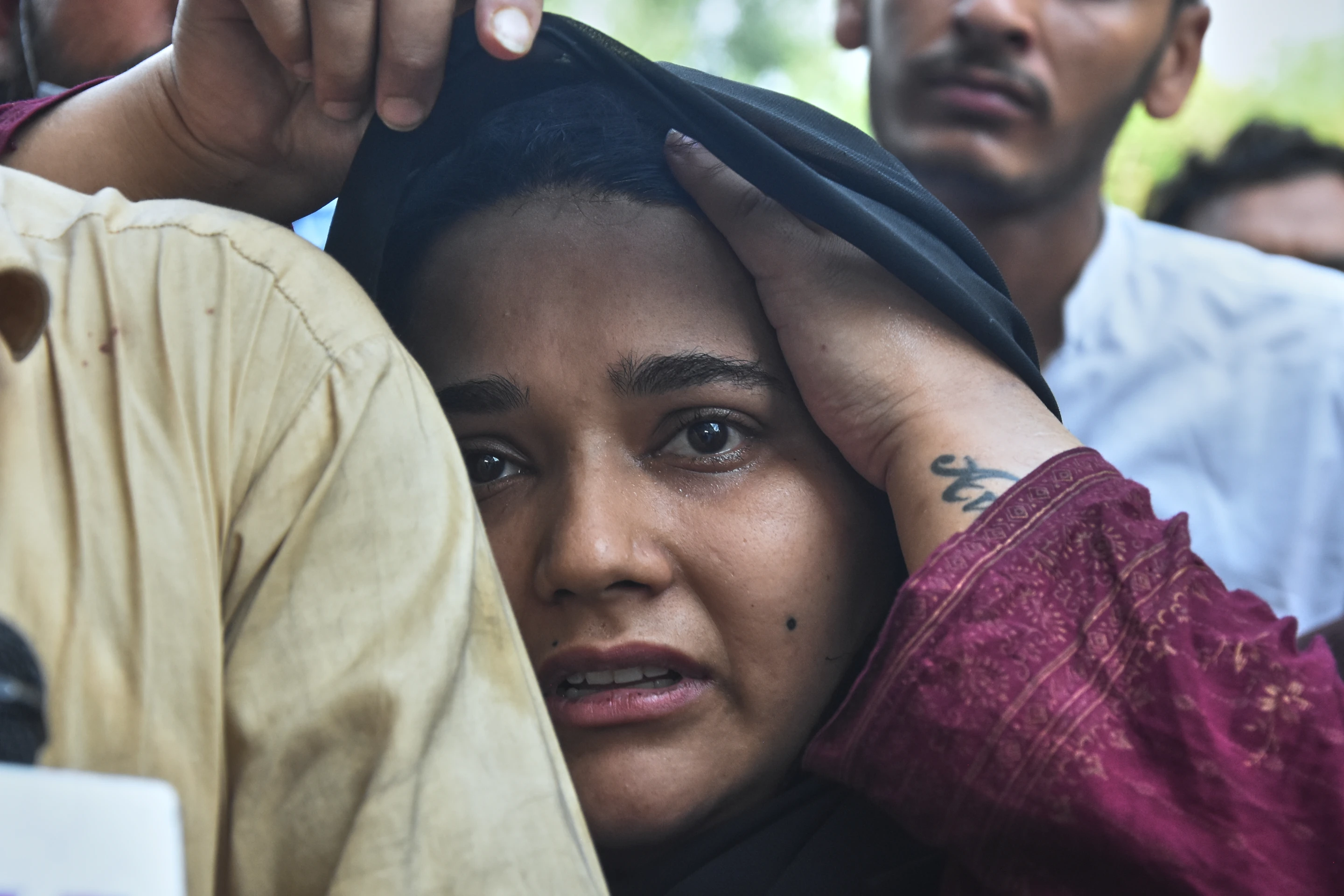
ISLAMABAD, Pakistan — The deaths of 14 newborns in an Islamabad hospital fire have renewed urgent questions about how neonatal units prepare for fires and electrical emergencies.
Neonatal care depends on incubators, monitors, infusion equipment and oxygen. These technologies save lives, but they also create complex evacuation conditions.
Infants may depend on warmth, ventilation or intravenous treatment and cannot follow instructions or move independently. Staff must maintain lifesaving support while transferring several babies through smoke or failing power systems.
A safe nursery therefore needs multiple defensive layers. Electrical equipment should receive scheduled maintenance; oxygen must be stored and delivered safely; alarms should be audible and visible; exits must remain unobstructed; and smoke should be contained before spreading.
Evacuation equipment and written responsibilities are equally important. Staff need to know which babies require immediate portable respiratory support and how many infants each available team can safely move.
Hospital drills should simulate real constraints rather than simply demonstrate an empty route. Exercises need to include night shifts, reduced staffing, blocked exits and communication failure.
Mothers and parents also require reliable information during an emergency. Uncontrolled crowds can obstruct responders, but keeping families uninformed can deepen trauma and distrust. Hospitals should assign trained staff to communicate verified updates.
Authorities must avoid announcing a cause before fire investigators examine electrical systems, oxygen supplies, maintenance records and staff testimony. Blaming an individual prematurely can conceal structural failures.
Pakistan’s health authorities should conduct precautionary inspections of comparable neonatal units rather than waiting for the final report. Identifying defective wiring or non-functioning alarms elsewhere could prevent another disaster.
The tragedy should not be framed as an unavoidable accident. Hospital fires become mass-casualty events when prevention, containment and evacuation systems fail together.
The children’s families deserve an independent investigation and a public record of corrective action across the health system.



Join the discussion