
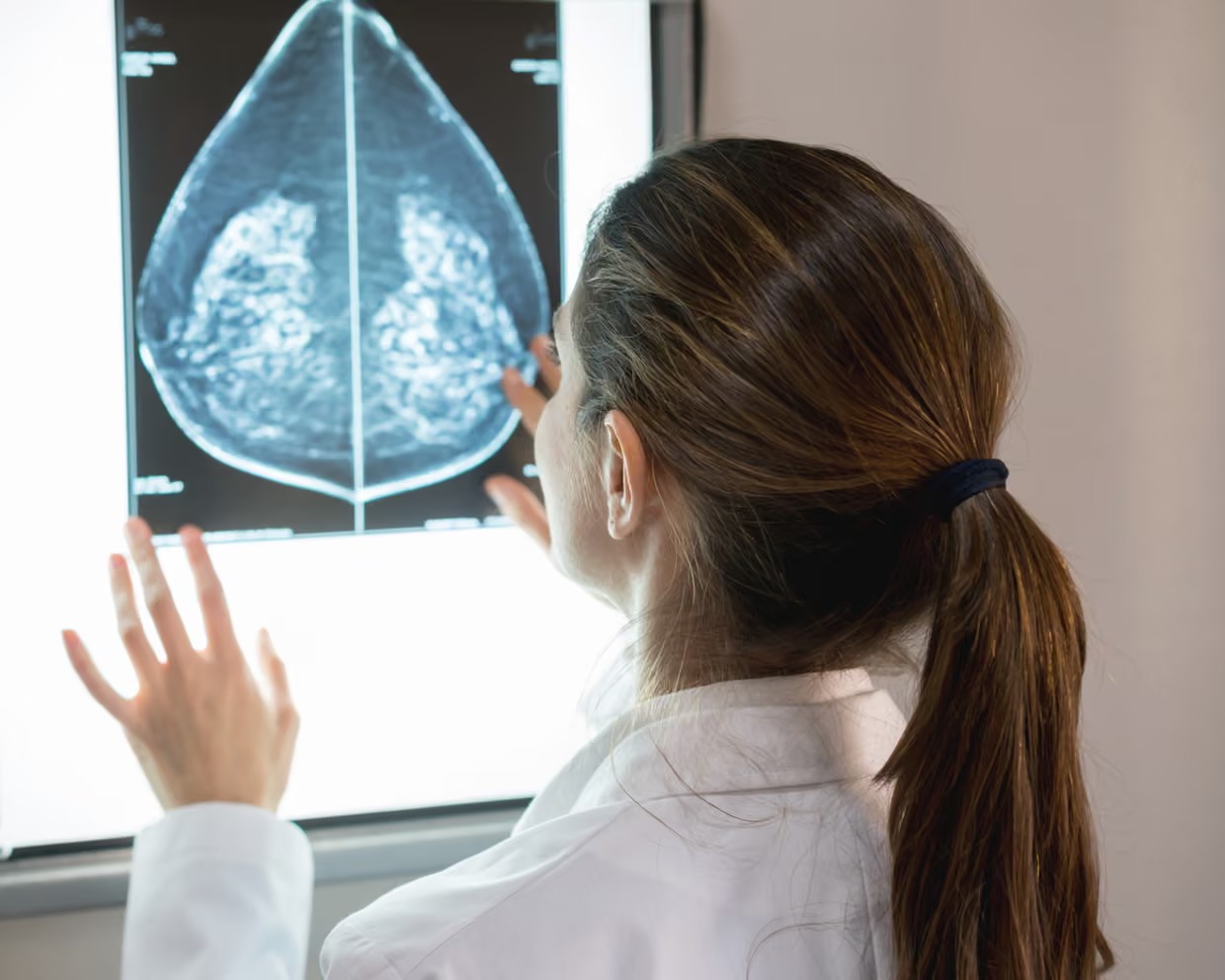
MUNICH, Germany — Artificial intelligence may allow routine mammograms to flag signs associated with cardiovascular disease, potentially turning an established breast-cancer examination into a second opportunity to identify women at risk.
Researchers from Israel analysed 97,364 mammogram images belonging to 29,921 women with an average age of 54. They compared the images with medical records and trained a machine-learning model to distinguish women with high blood pressure, coronary heart disease or a previous stroke.
The findings were presented at the European Society of Cardiology’s annual congress in Munich and reported on 27 August.
According to the researchers, the model distinguished women with a recorded stroke history with 86% reliability. The corresponding figures were 79% for high blood pressure and 78% for coronary heart disease. Those percentages should not be interpreted as proof that the system can independently diagnose an individual patient.
The study is important because cardiovascular disease is a leading cause of death among women but is often perceived as a predominantly male condition. Symptoms can be overlooked, women remain underrepresented in some cardiovascular research, and risk may be recognised only after disease has progressed.
Mammography reaches many women during midlife, when blood pressure and other cardiovascular risks become increasingly important. Analysing an existing image could theoretically provide additional information without requiring another imaging appointment.
Several questions remain unanswered. The model needs external validation across countries, ethnic groups, equipment types and healthcare systems. Researchers must report false-positive and false-negative rates, explain what features the algorithm uses and determine whether acting on its predictions improves health outcomes.
Privacy is another concern. A breast-screening image collected for cancer detection should not automatically be reused for unrelated analysis without appropriate governance, patient information and data protection.
Women should not seek extra mammograms for heart screening on the strength of this presentation. Mammography involves low-dose radiation and remains governed by breast-cancer screening guidelines. Cardiovascular risk is currently assessed through established measures such as blood pressure, medical history, cholesterol and diabetes status.
The research offers a credible possibility, not a completed clinical pathway. Its value will depend on whether future trials show that the technology detects risk accurately, equitably and early enough to change care.
Source Check: The Guardian, 27 August 2026; European Society of Cardiology related primary research briefing, 9 March 2026; NHS mammography guidance, accessed 27 August 2026.
Image recommendation: Commission a medical illustration showing a mammogram and heart-risk analysis, credited “Illustration: SheFront.” Do not use identifiable patient scans or imply the tool is clinically available.


Join the discussion