
Search SheFront
Find stories by keyword, Year, Month, category, Region, Country, contributor, coverage or language.

WHO Review Links Cigarette Smoking to Lower Fertility—And Finds Quitting Matters
A WHO review says women who currently smoke face an estimated 40% higher risk of infertility than non-smokers, while former smokers fare better than current smokers. The evidence supports cessation care, not blame for people already navigating infertility.
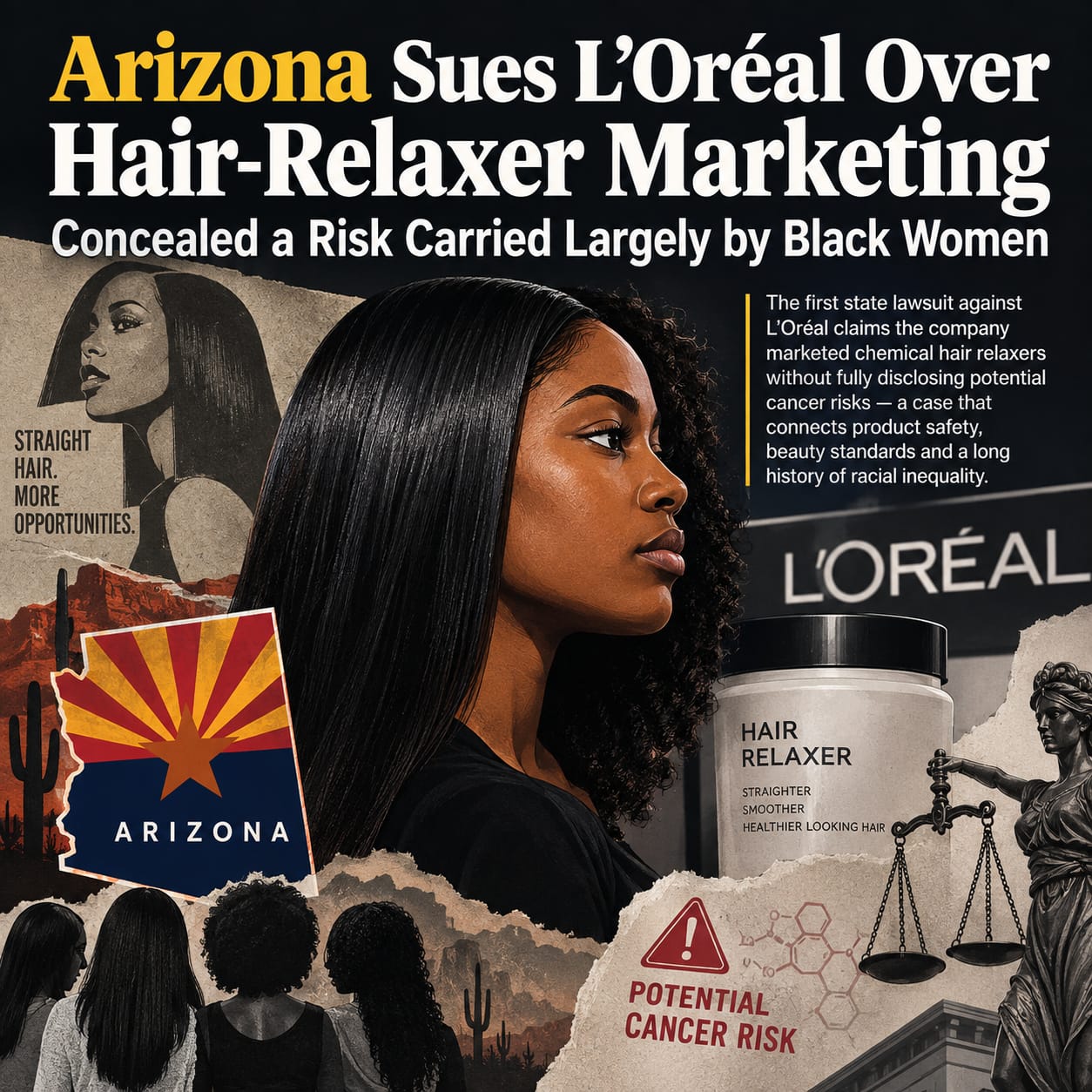
Arizona Says Hair-Relaxer Marketing Concealed a Risk Carried Largely by Black Women
Arizona has become the first US state to sue L’Oréal over alleged concealment of cancer risks associated with chemical hair relaxers. The case joins product safety to a history in which Black women were marketed conformity as beauty and professionalism.

A Breast-Cancer Trial Missed Its Goal—Without Erasing Camizestrant’s Other Evidence
Camizestrant plus palbociclib did not significantly delay progression in a large first-line trial. Patients should read this as a result about one combination and treatment setting, not as proof that the medicine has no role in breast-cancer care.

Hungary’s Government Could Reopen Adoption Decisions to Same-Sex Couples
Prime Minister Peter Magyar says professionals, not politicians, should decide whether gay and lesbian applicants may adopt. Repealing the Orbán-era restriction would remove a barrier, but equal treatment will depend on the law and its implementation.
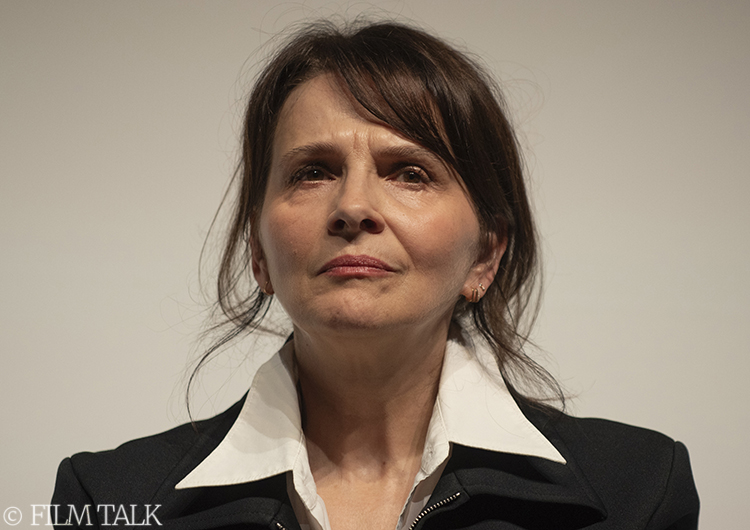
Zahra Joya Refuses to Let Afghanistan’s Women Vanish From the Record
In a new interview, Afghan journalist Zahra Joya connects her own forbidden education to the reporters still documenting life under Taliban rule. Her testimony shows why women’s journalism is not merely representation: it is evidence against enforced erasure.
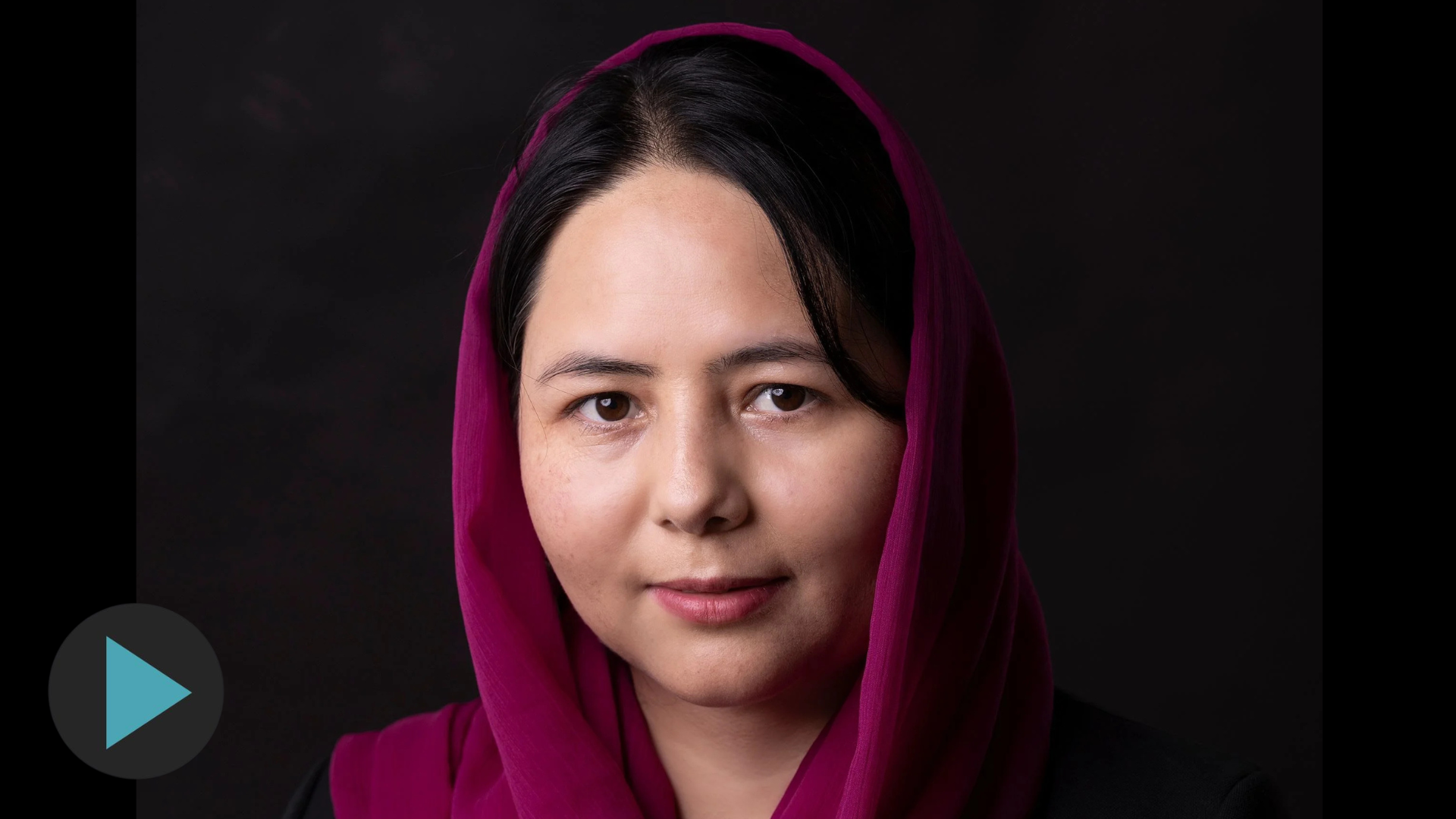
Zahra Joya Refuses to Let Afghanistan’s Women Vanish From the Record
In a new interview, Afghan journalist Zahra Joya connects her own forbidden education to the reporters still documenting life under Taliban rule. Her testimony shows why women’s journalism is not merely representation: it is evidence against enforced erasure.

Texas Ruling Finds TikTok’s Child-Safety Filter Did Not Match Its Promise
A judge found that TikTok misled users about how its Restricted Mode handled content. For girls and all young users, safety settings are meaningful only when parents and teenagers can understand what they actually block—and regulators can test those claims.

Anthropic’s Threat Report Shows AI Scaling Surveillance—and Manufactured Intimacy
Anthropic says users deployed Claude in surveillance operations targeting ethnic, religious and political communities and in dating apps populated by thousands of false personas. The cases show how AI can industrialise coercion and deception even when it does not invent the underlying abuse.
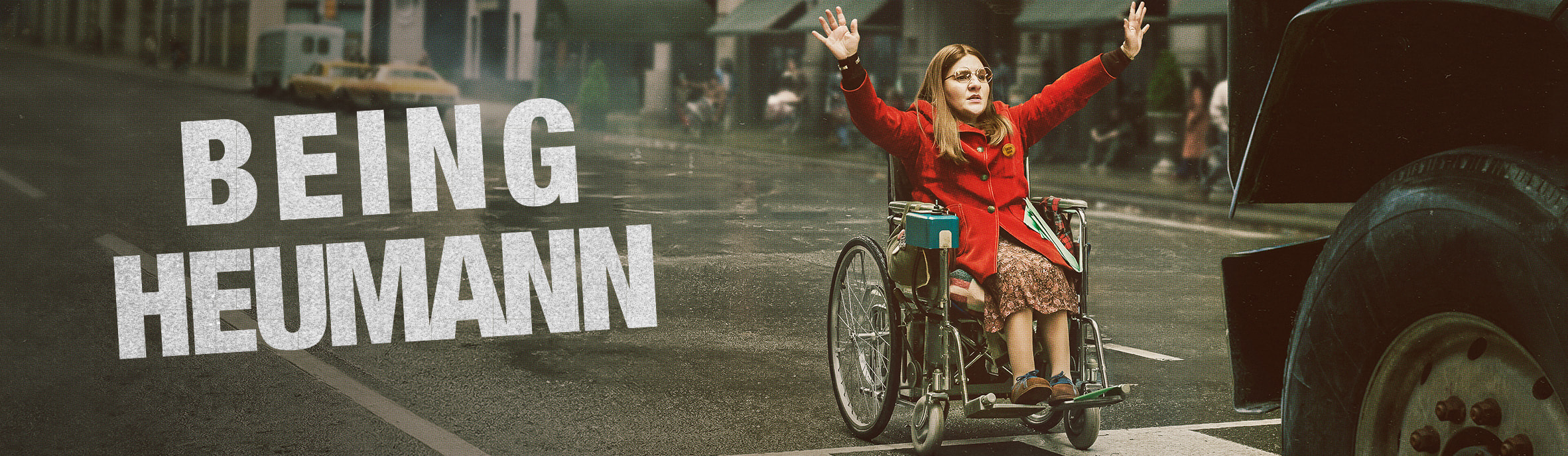
Being Heumann Brings a Disabled Woman’s Political Strategy to the Centre of the Frame
Siân Heder’s new drama about disability-rights organiser Judith Heumann premiered in Toronto with a large disabled cast. Its importance lies not only in representation but in showing accessibility as the outcome of organised political pressure, not benevolence.

Amazon Pregnancy Lawsuit Puts Everyday Workplace Adjustments on Trial
Four former US warehouse workers accuse Amazon of denying pregnancy accommodations and punishing medically necessary absences. Amazon disputes the claims; the proposed class action will test whether a federal right enacted in 2022 changes conditions for hourly workers in practice.

Six Weeks for Fathers Could Give Mothers More Room to Recover and Stay Employed
A campaign backed by 105 UK Labour MPs seeks six weeks of paternity leave paid at 90% of earnings. Better leave for partners is also women’s economic policy because it can redistribute early care, support maternal recovery and weaken the assumption that mothers alone step back from work.

Postpartum-Psychosis Case Returns to Court With the Medical Emergency Still Misunderstood
Lindsay Clancy’s lawyer has asked a Massachusetts judge to acquit her after a mistrial in the deaths of her three children. The unresolved criminal case should not obscure a clear clinical fact: postpartum psychosis is rare, treatable and requires immediate emergency assessment.

Menopause Supplements Promise Precision That the Evidence Does Not Yet Provide
A UK market analysis found 201 menopause supplements with widely varying ingredients, doses and prices, while evidence for symptom relief remains limited. Women deserve clear labelling and clinical advice—not the assumption that “natural” means effective or risk-free.
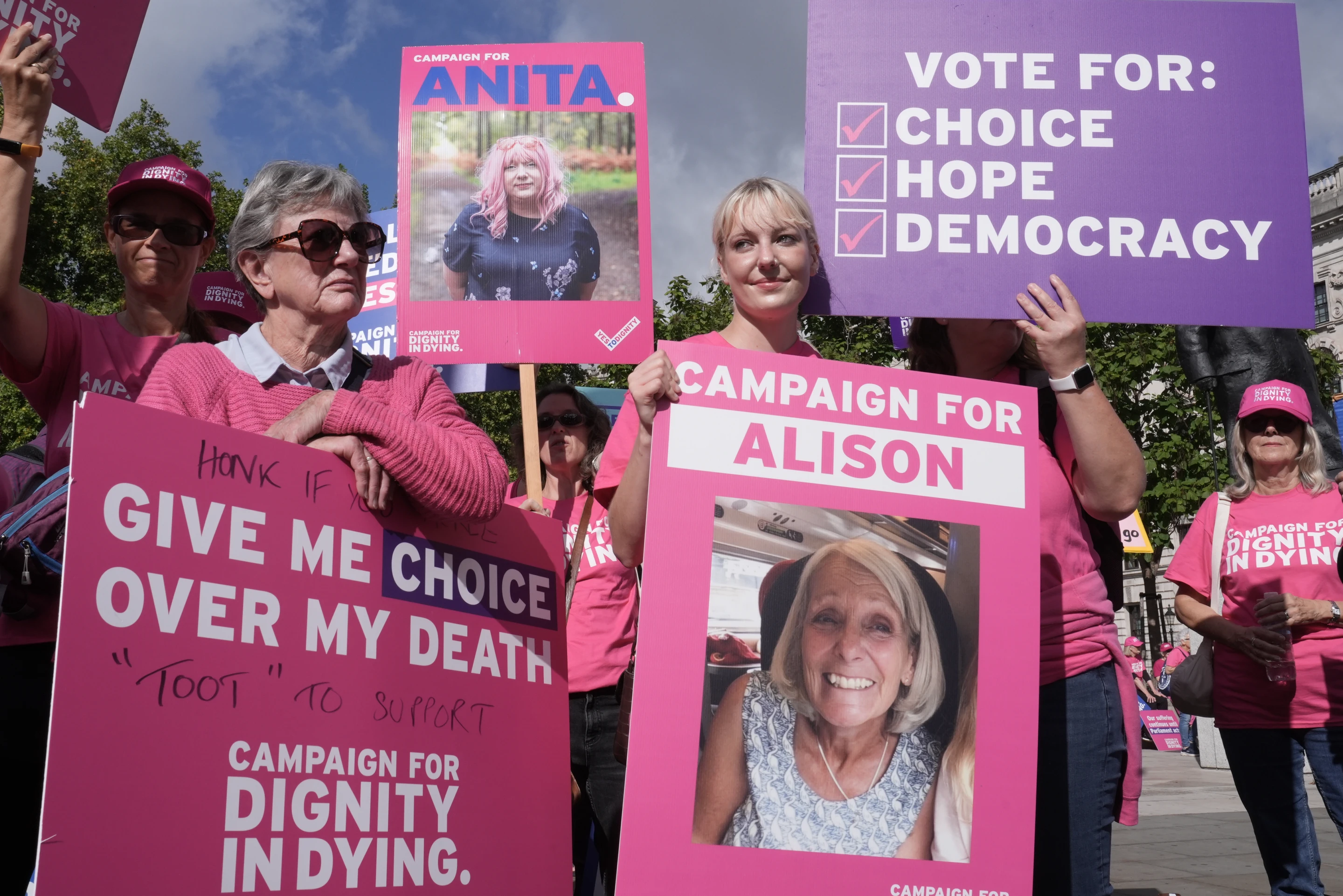
UK MPs Reject Assisted-Dying Bill After a Debate Shaped by Care and Safeguards
Britain’s House of Commons rejected a new assisted-dying bill by 286 votes to 270. The result leaves the law unchanged and renews scrutiny of palliative care, disability rights and the largely female workforce that would help implement any future system.
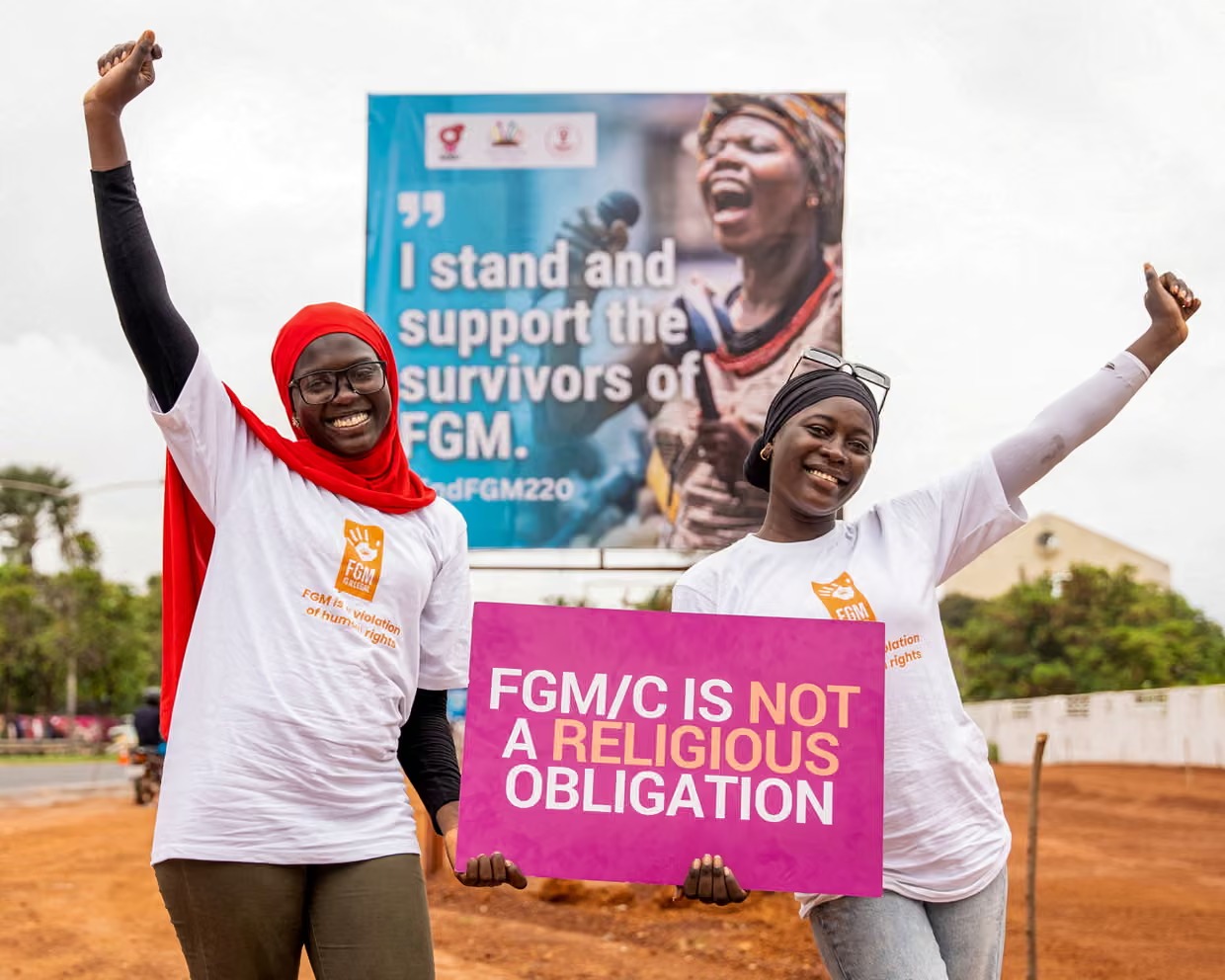
New $15.5 Million Fund Bets on Frontline Leadership to End FGM
The Her Horizon Fund begins with $15.5 million and aims to pool $100 million for survivor-led and community organisations fighting female genital mutilation. Its promise depends on whether money reaches local groups predictably and with decision-making power attached.
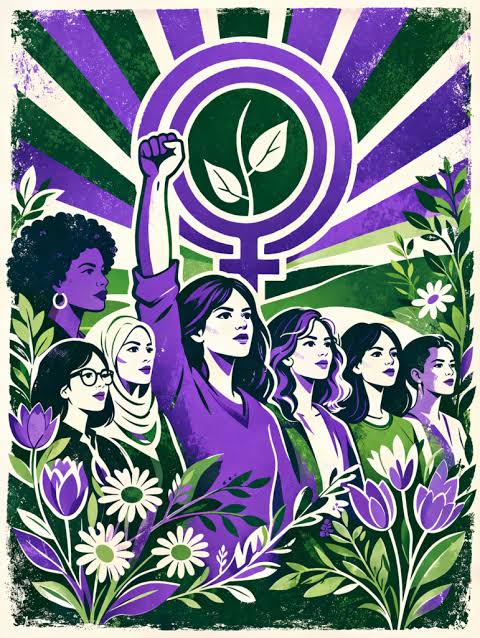
Green Women’s Misogyny Claims Test Whether a Progressive Party Listens Inward
Women in England and Wales’s Green Party say they have been sidelined, patronised or intimidated and want the autumn conference to order structural reforms. The allegations are not findings of misconduct, but they pose a legitimate test of whether an equality platform is reflected in internal practice.
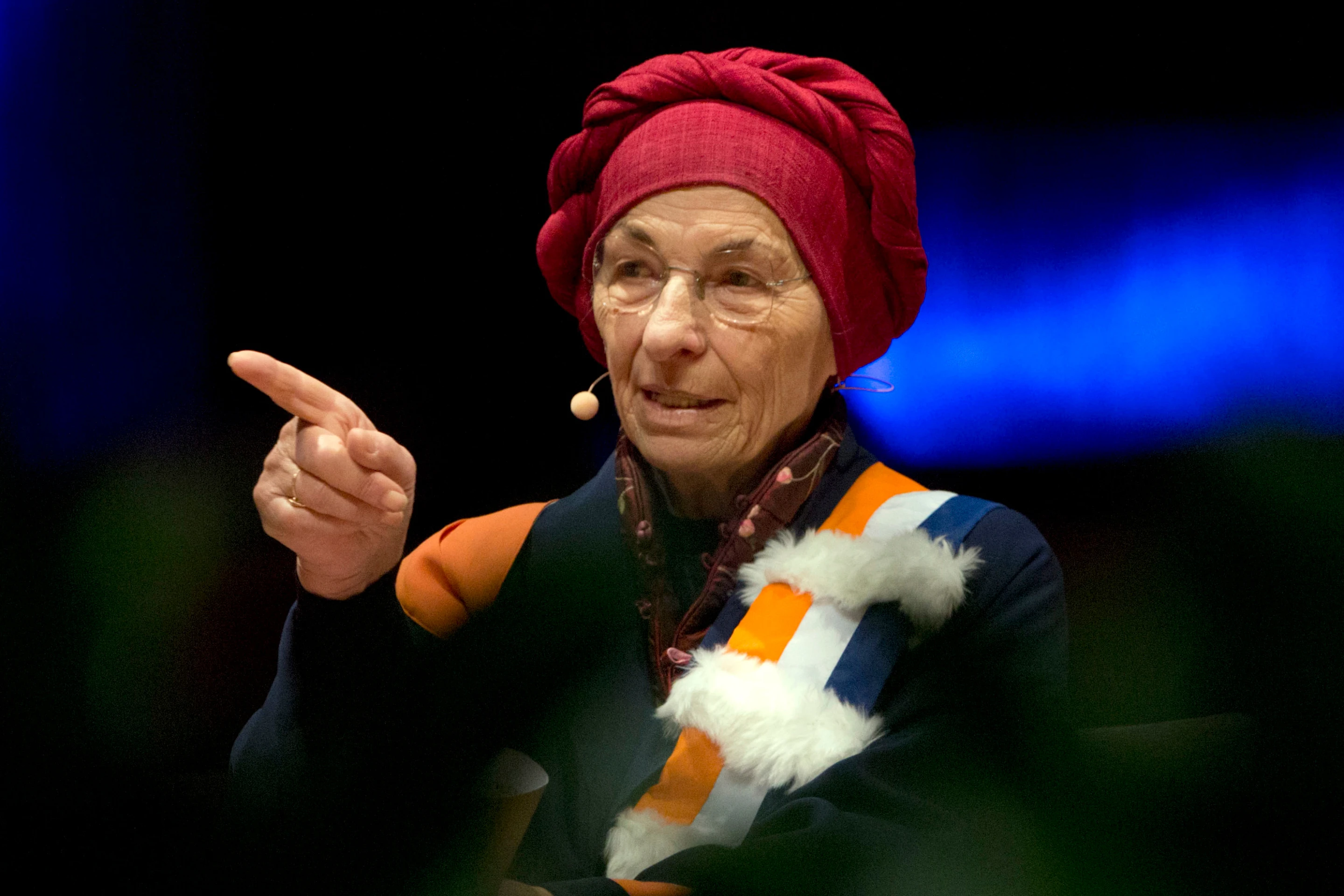
Emma Bonino Turned a Private Ordeal Into Half a Century of Public Freedom
Italian civil-rights leader Emma Bonino, who died on 11 September aged 78, transformed her experience of illegal abortion into a campaign that helped change national law. Her larger legacy is a warning that rights survive only when people keep organising to defend them.

Tarash Is Talking Openly About Periods. Bangladesh Still Needs Affordable Products and Private Facilities
Women and adolescent girls in a Sirajganj community joined an open discussion on menstruation this week and received sanitary pads. Awareness helps dismantle stigma—but Bangladesh’s menstrual-health challenge is also about affordability, school facilities, privacy and reliable access to products.

Bangladesh’s Plan Against Online Abuse of Women Just Got More Concrete: Laws, Platforms and Survivor Support
Bangladesh first announced plans for a global platform against digital harassment earlier this month. A new Dhaka Dialogue has now moved the discussion toward legal reform, AI evidence, platform accountability, synthetic-media labelling and survivor-centred reporting systems.

Bangladesh Reached the Asia Cup Semifinal. The Next Level Is Turning Chances Into Pressure
Before facing India, Sharmin Akhter said aspiring champions have to play the strongest teams. Bangladesh’s 40-run semifinal defeat showed exactly what that next level demands: sharper fielding, more batting pressure and fewer opportunities handed back to elite opponents.

Aydha Mehnaz Is Turning Global Luxury Experience Into a New Advisory Business With a Dhaka Footprint
Bangladeshi-French fashion and brand strategist Aydha Mehnaz has launched Avari, an independent advisory group headquartered in New York with plans to strengthen its presence in Dhaka. It is a reminder that startup ecosystems include businesses built around knowledge, strategy and creative intellectual capital—not only software.

Pooja Sengupta Marks 12 Years of Turongomi by Turning Tagore’s Tree Hymn Into a Climate-Era Dance Work
Turongomi marked 12 years with the fifth staging of Dhora Toru Kabyo – Nature’s Tale, conceptualised and directed by Pooja Sengupta. Inspired by Tagore’s Brikkhobandana, the work uses dance to ask what happens when the human relationship with nature becomes exploitation.
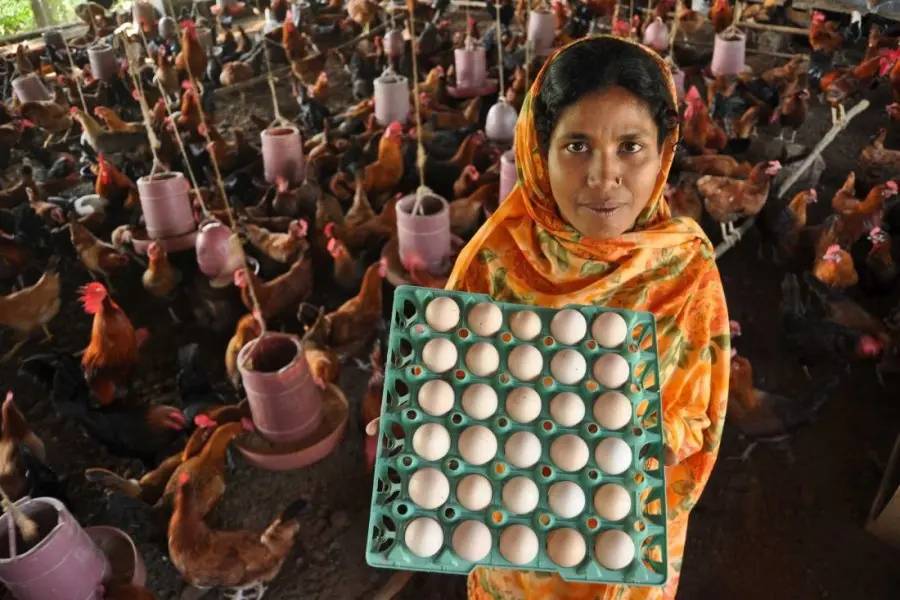
BRDB Approves Tk40.2 Lakh for 23 Rural Women Entrepreneurs. Now the Businesses Need to Grow
A new Bangladesh Rural Development Board approval memo lists 23 women in six upazilas receiving Tk40.2 lakh in entrepreneur loans for activities ranging from livestock to small retail. The important next metric is not money approved—it is businesses surviving and generating income.
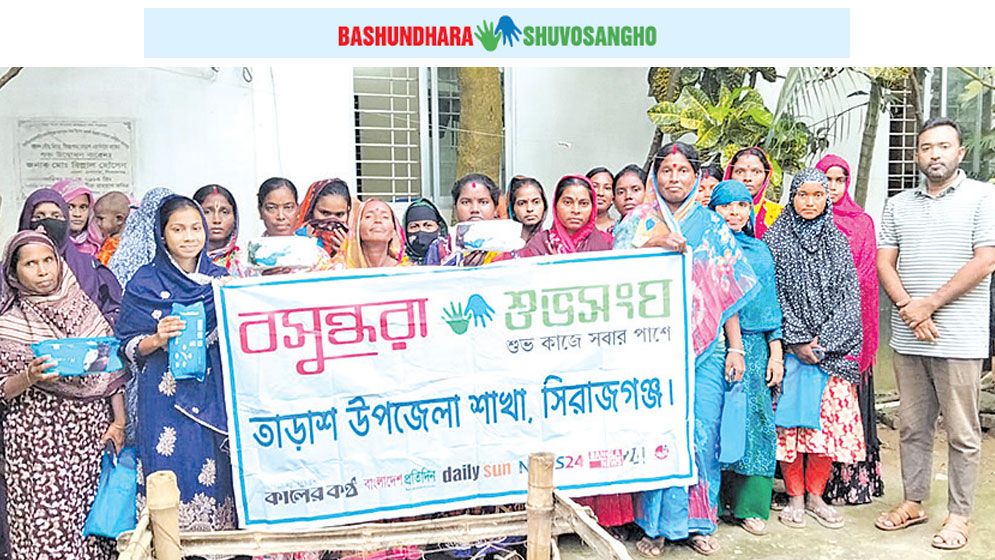
Tarash Is Talking Openly About Periods. Bangladesh Still Needs Affordable Products and Private Facilities
Women and adolescent girls in a Sirajganj community joined an open discussion on menstruation this week and received sanitary pads. Awareness helps dismantle stigma—but Bangladesh’s menstrual-health challenge is also about affordability, school facilities, privacy and reliable access to products.