Search SheFront
Find stories by keyword, Year, Month, category, Region, Country, contributor, coverage or language.

Noel Clarke Faces Six Sexual-Offence Charges Involving Five Women
British prosecutors have authorised six charges over alleged conduct between 2007 and 2016. Active proceedings require precise, restrained reporting that protects both the complainants and the defendant’s right to a fair trial.
Australia’s Violence Report Says Progress Is Too Slow for the Harm Women Face
The national Domestic, Family and Sexual Violence Commissioner says sexual-violence reporting reached its highest recorded rate in 2024 and family law can still be weaponised. The report shifts attention from promises to whether systems produce measurable safety.
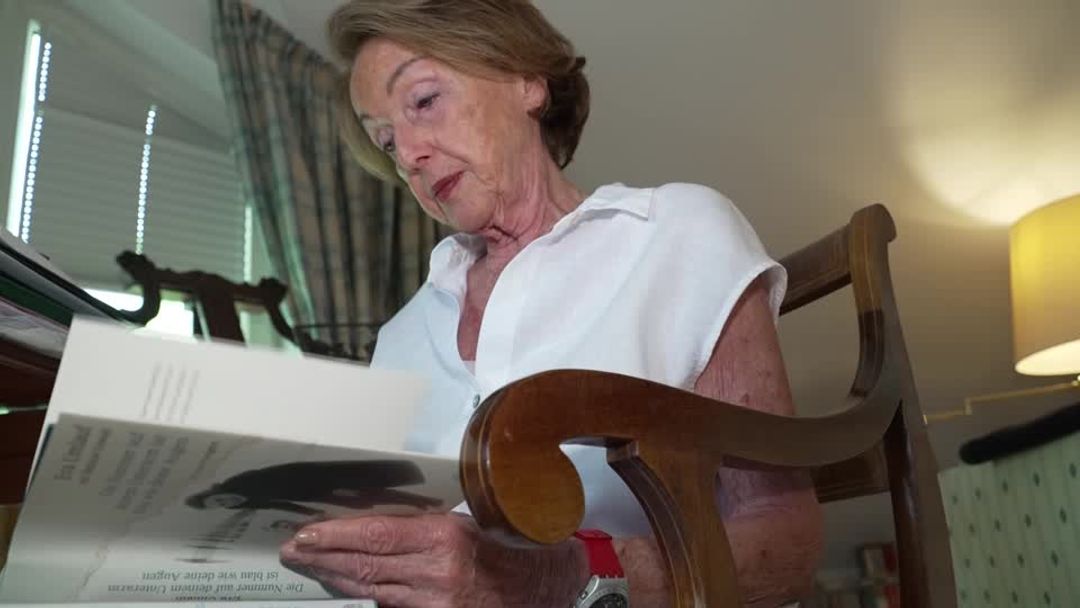
Eva Umlauf’s Warning After an AfD Victory Is About Memory—and Who Feels Safe Now
The Auschwitz survivor says the far right’s electoral advance in Saxony-Anhalt has frightened minority communities. Her intervention links historical remembrance to present-day choices about migration, education and democratic power.
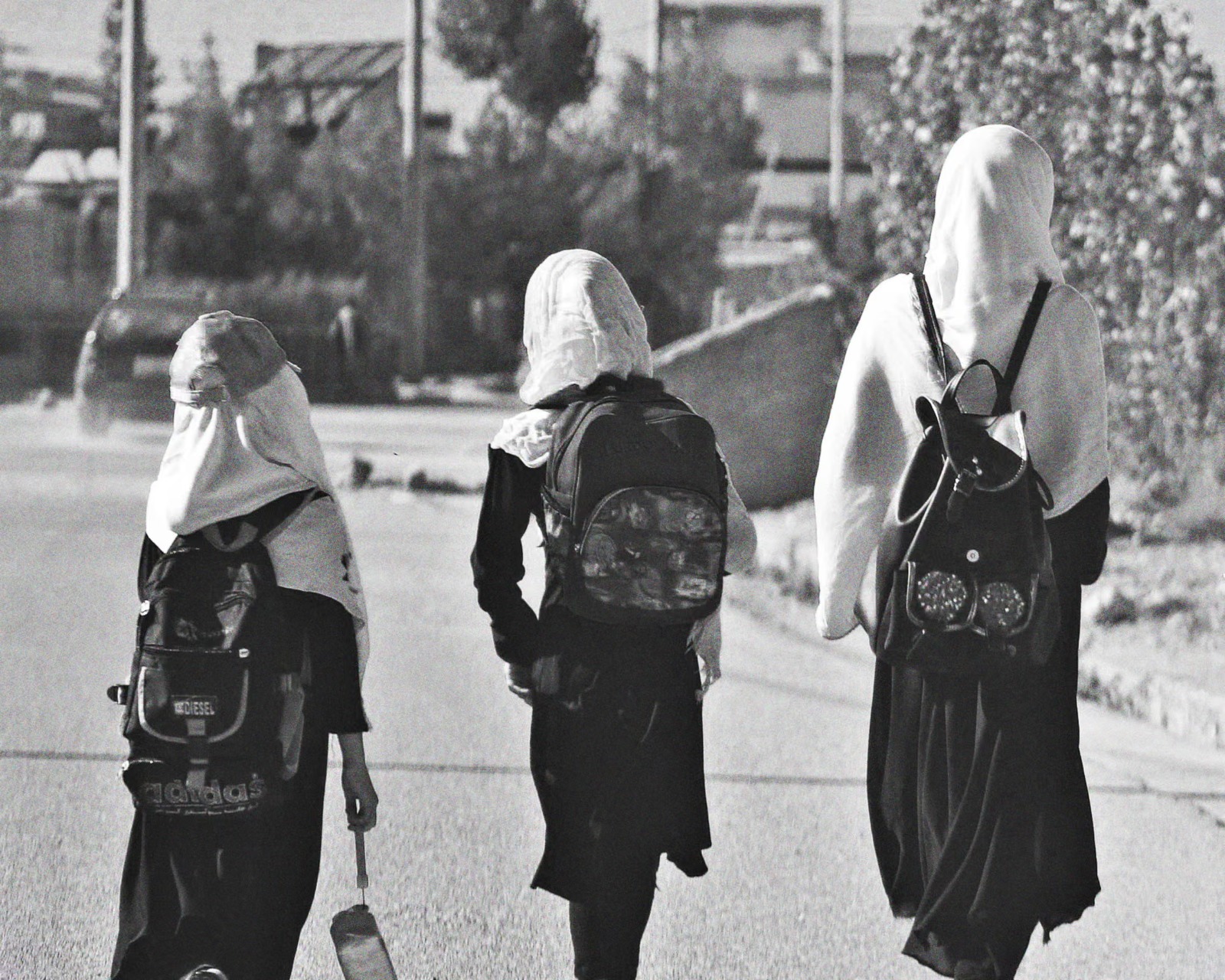
Three Afghan Sisters Keep Studying After Deportation Closed Every Official Door
Maahi, Shallah and Fatimah were expelled from Iran into a country where the Taliban bars girls from secondary school and women from university. Their unofficial lessons in Herat show both the determination of Afghan girls and the cost of policies that refuse to recognise their education.

# Stopping One Wedding Isn’t Enough: Why Bangladesh’s Child-Marriage Fight Has to Change What Families Believe
A new Bangladesh campaign is taking aim at something harder to change than the law: the social beliefs that continue to make child and forced marriage seem acceptable, necessary or even protective for girls
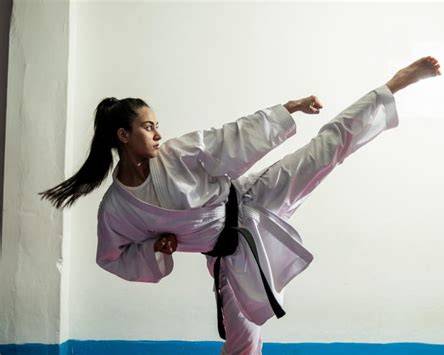
Women Outnumber Men in Bangladesh’s Asian Games Team. So Why Are So Few Coaches and Officials Women?
Bangladesh will send more women than men to the 2026 Asian Games—a striking sign of how far women athletes have progressed. But behind the athletes, the gender balance changes dramatically: just 12 of the contingent’s 73 coaches and officials are women.
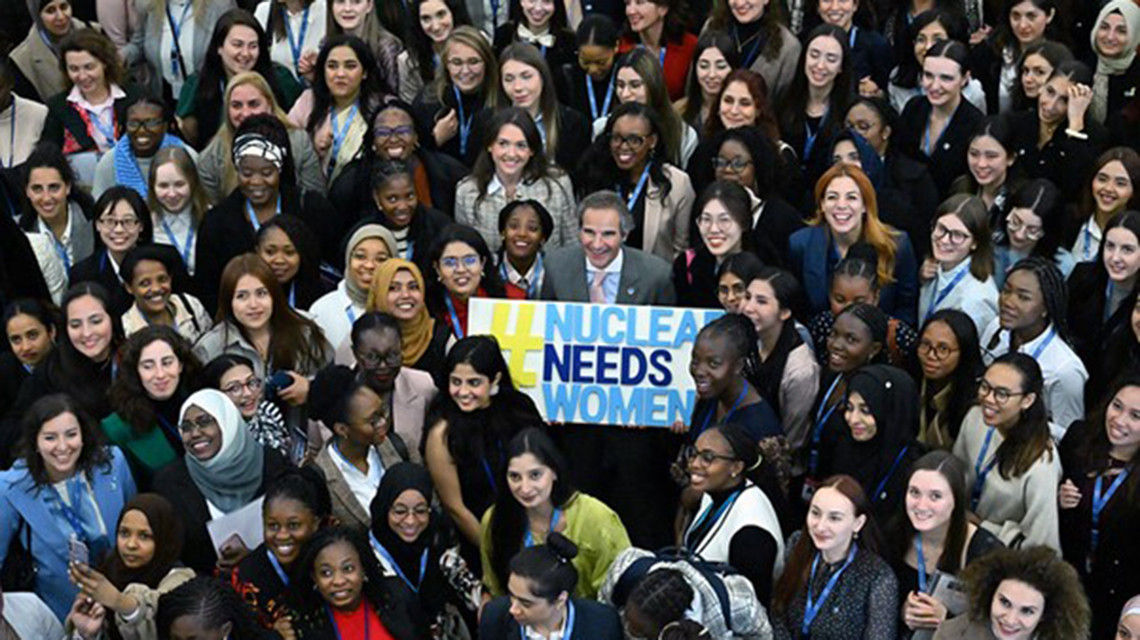
IAEA Fellowship Offers Women Up to €40,000 for Nuclear Master’s Study
Women from IAEA member states who are accepted to or enrolled in a nuclear-related master’s programme can seek tuition and living-cost support. Applications close on 31 October, and eligibility extends beyond nuclear engineering to medicine, safety, law and related fields.

CyberSafe and SANS Offer African Women a Fully Funded Route Into AI Security
Experienced African women in cybersecurity can apply for nine months of advanced AI-security training and certification. The deadline is 10 September at noon West Africa Time, making this the edition’s most urgent opportunity
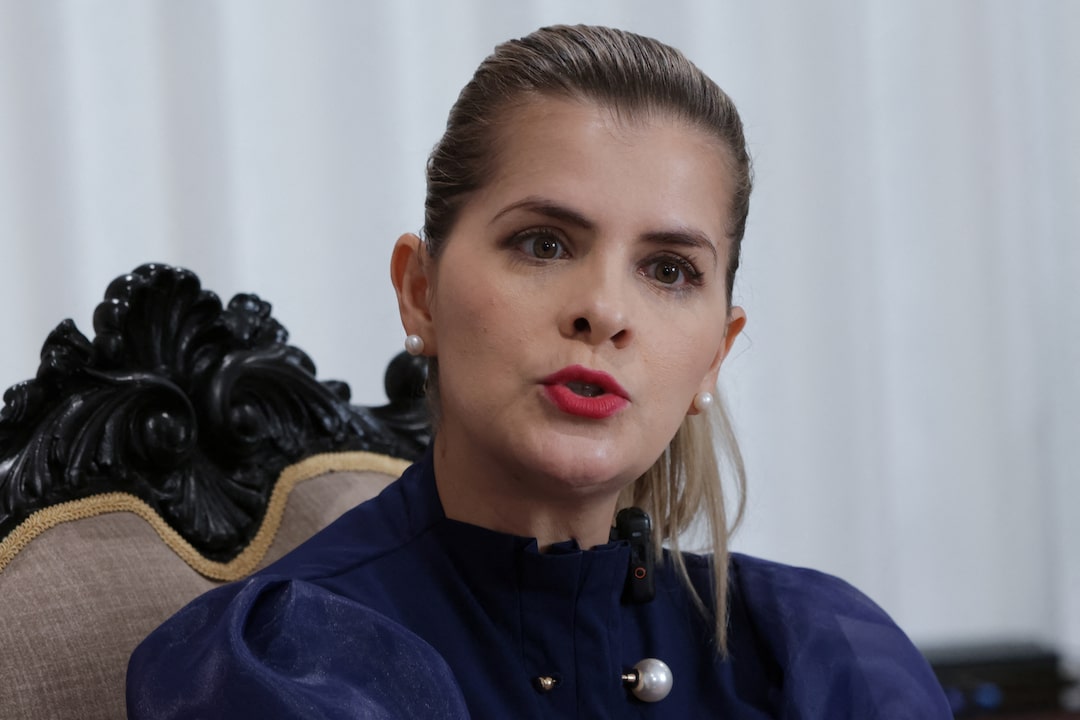
Laura Fernández Opens Costa Rica’s Security Debate to US Ground Forces
Costa Rica’s president says US ground operations could help fight transnational crime, while stressing that no plan exists and lawmakers would have to approve one. The proposal tests how a woman elected on security credentials balances urgency with a constitution built around civilian rule.

Ilya Espino de Marotta Takes Charge of the Panama Canal
The marine engineer has become the first woman to administer the Panama Canal after four decades inside the institution. Her defining test is a water project that must protect global shipping, drinking supplies and communities facing resettlement.
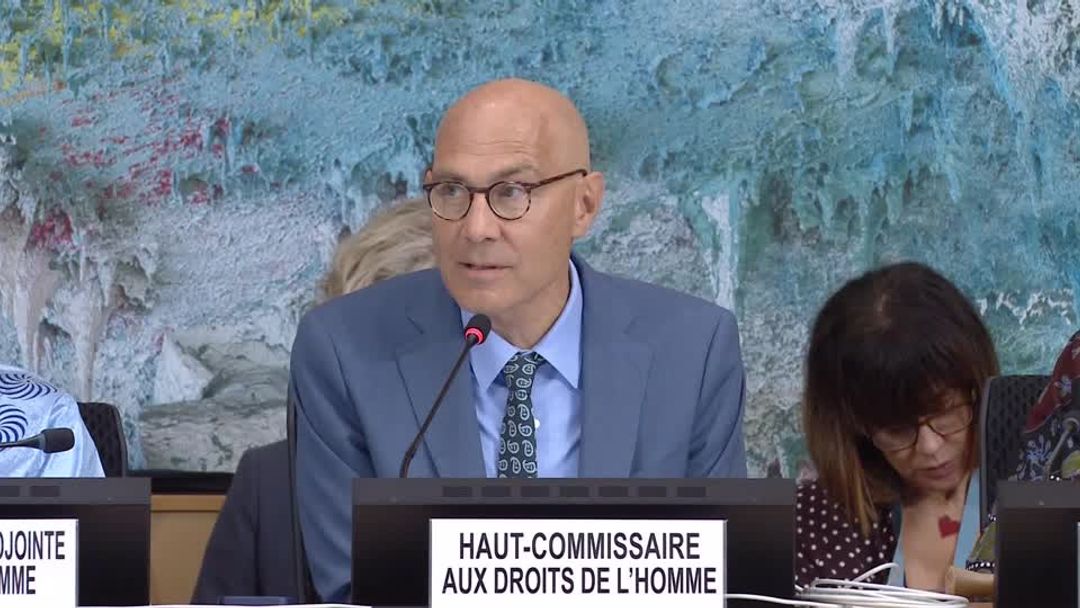
UN Rights Chief Demands Hard Limits Before Advanced AI Outruns Oversight
Volker Türk has called for strong global guarantees around advanced AI and warned against control concentrated among a few companies and individuals. A credible safety regime must treat discrimination and gendered digital violence as present harms, not distractions from hypothetical catastrophe.
Australia’s Online-Safety Bill Would Make AI ‘Nudification’ a Design Risk
: Australia is preparing a digital duty of care that would require platforms to assess foreseeable harm in AI and recommender systems. For women and girls targeted by image-based abuse, the crucial shift is from removing one image to preventing a product from enabling the abuse at scale.

Momo Boyd Refuses the Narrow Genres Assigned to Black Women
The Infinity Song member’s solo work places rural Michigan, soft rock and Black womanhood in the same frame. Her new profile is less a celebrity update than a case study in how genre labels decide who is permitted complexity.

The Bayeux Tapestry Returns to England—and So Does the Question of Women’s Work
The British Museum is preparing to display the 70-metre embroidery in England for the first time in nearly a millennium. Its battle narrative contains only three women, but the labour of women may be embedded in nearly every stitch.
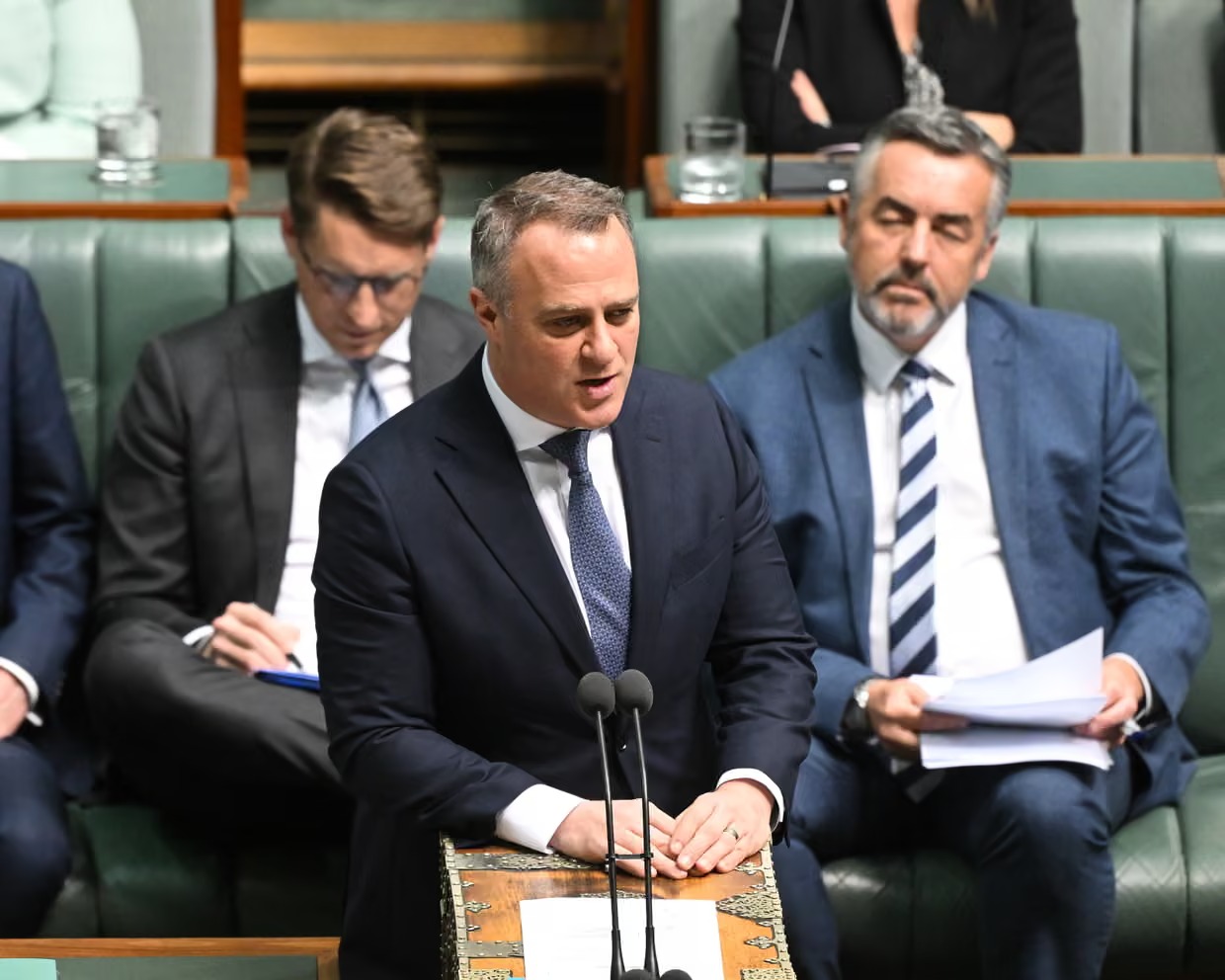
Victoria’s Work-From-Home Bill Moves Toward a Decisive Vote
Australia’s Victoria state is advancing a statutory right to work remotely for up to two days where reasonable, after delaying commencement and revising costs for employers. The design could help caregivers while preserving a divide between remote-capable and frontline work.
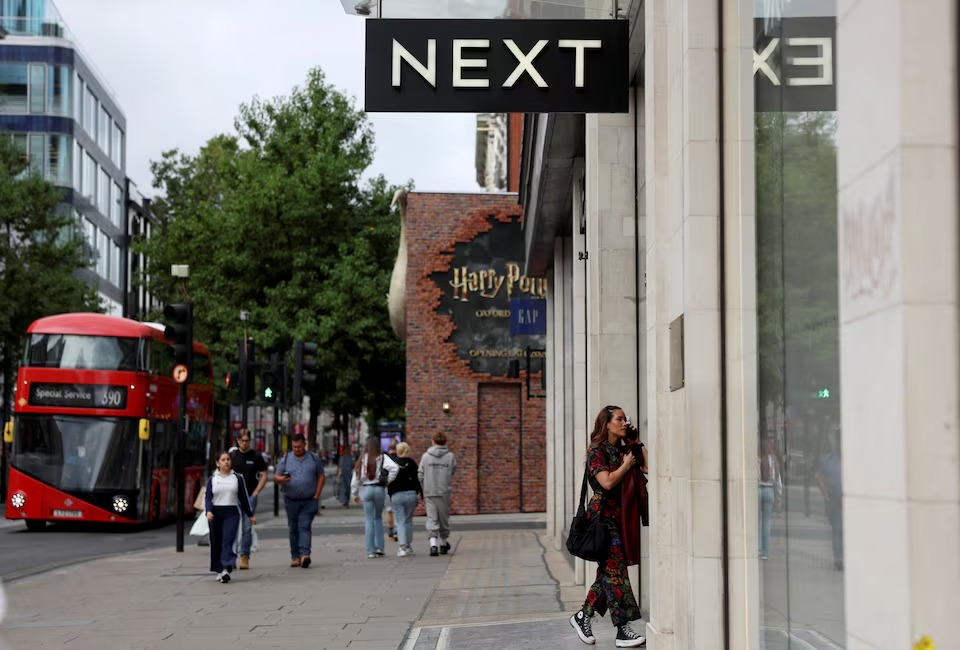
Next’s Equal-Pay Appeal Resets a Major Test for Women in Retail
Britain’s Employment Appeal Tribunal accepted market recruitment pressures as justification for higher basic pay in male-dominated warehouses than in female-dominated stores. Other premium-pay claims survived, and the workers plan a further appeal
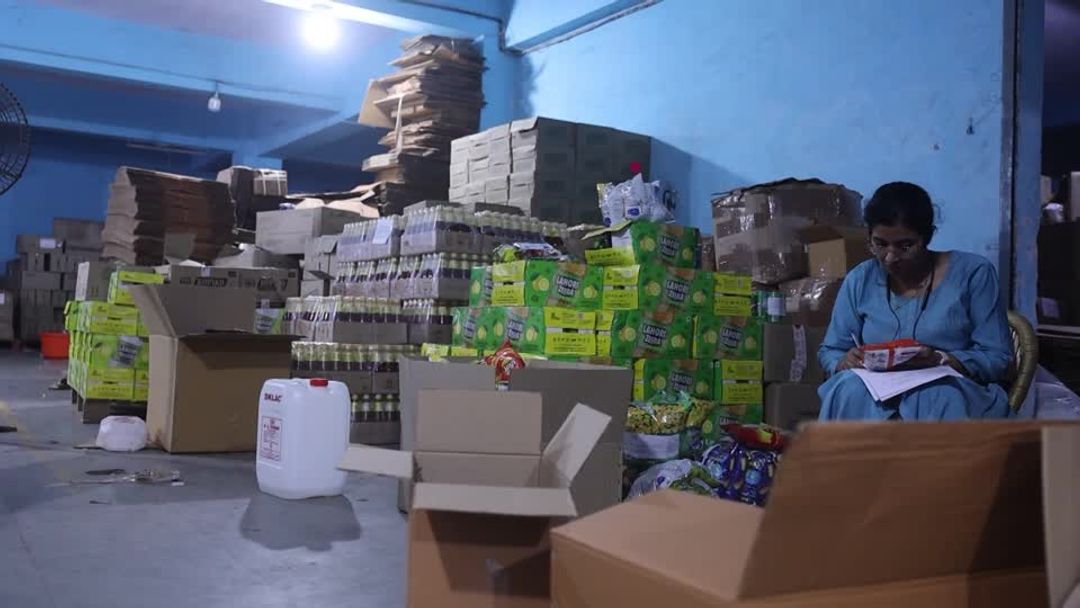
India’s Food-Label Fight Turns on a Two-Nutrient Loophole
: Health advocates have asked India’s Supreme Court to reject warning-label rules that may leave a high-sugar product unmarked unless another nutrient also exceeds limits. The case will test whether front-of-pack labels communicate a real risk or merely the appearance of regulation.
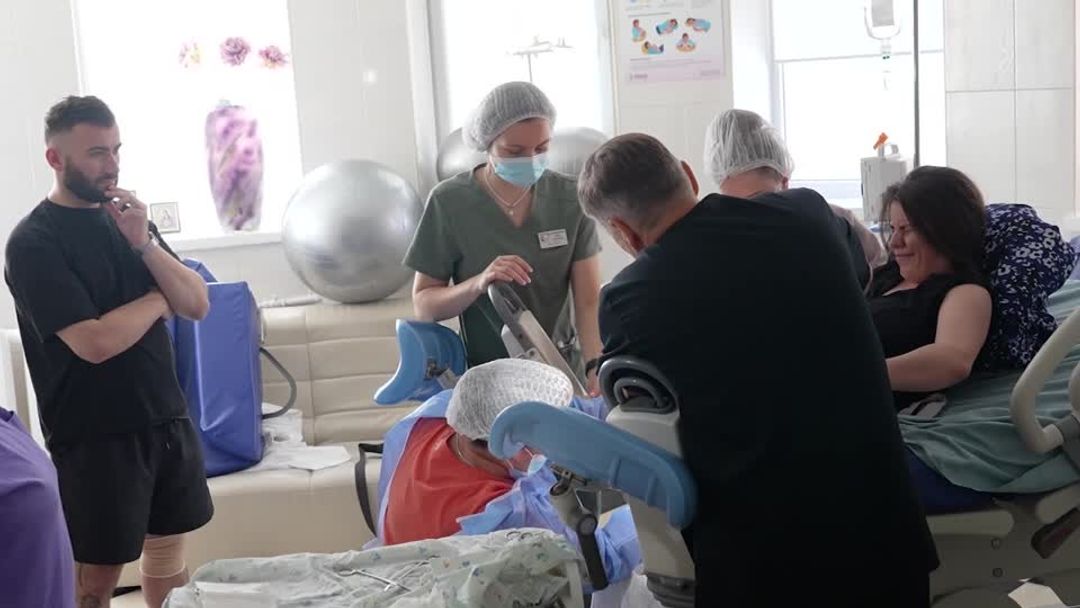
Kyiv’s Maternity Teams Keep Delivering as Air Raids Intensify
Mothers and clinicians in Ukraine’s capital are making urgent decisions about labour during repeated drone attacks. Their experience shows that maternal care in war depends on shelters, power, water and staff—not resilience slogans.
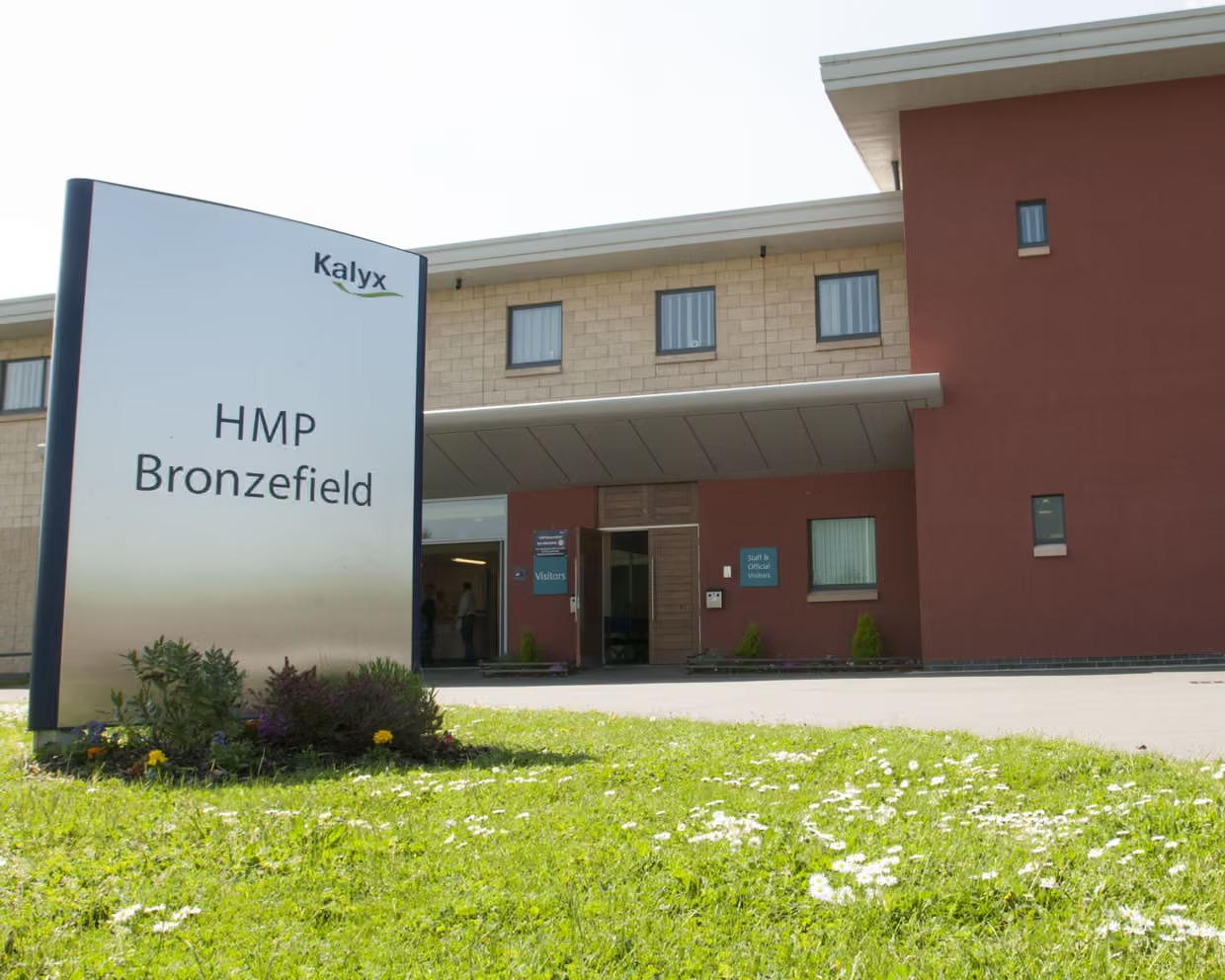
Britain Considers Shrinking Women’s Prisons to Ease Men’s Capacity Crisis
: Ministers are reviewing whether parts of the women’s prison estate could be converted for men. Reformers see an opening to reduce unnecessary imprisonment of women, but warn that removing beds before building community support would transfer rather than solve the crisis.
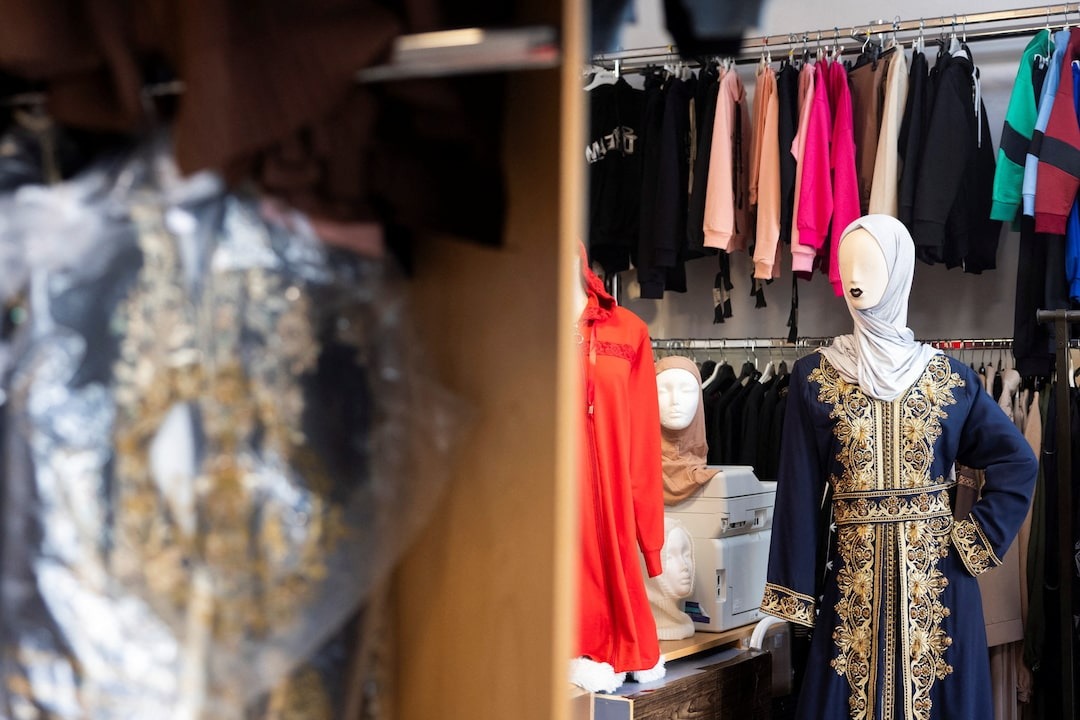
Austria’s Headscarf Ban Meets Its First Test in Classrooms
Austria’s prohibition on Islamic headscarves for schoolgirls under 14 is taking effect as the new term begins. The government calls it protection from coercion; critics say a rule singling out Muslim girls cannot deliver equality.
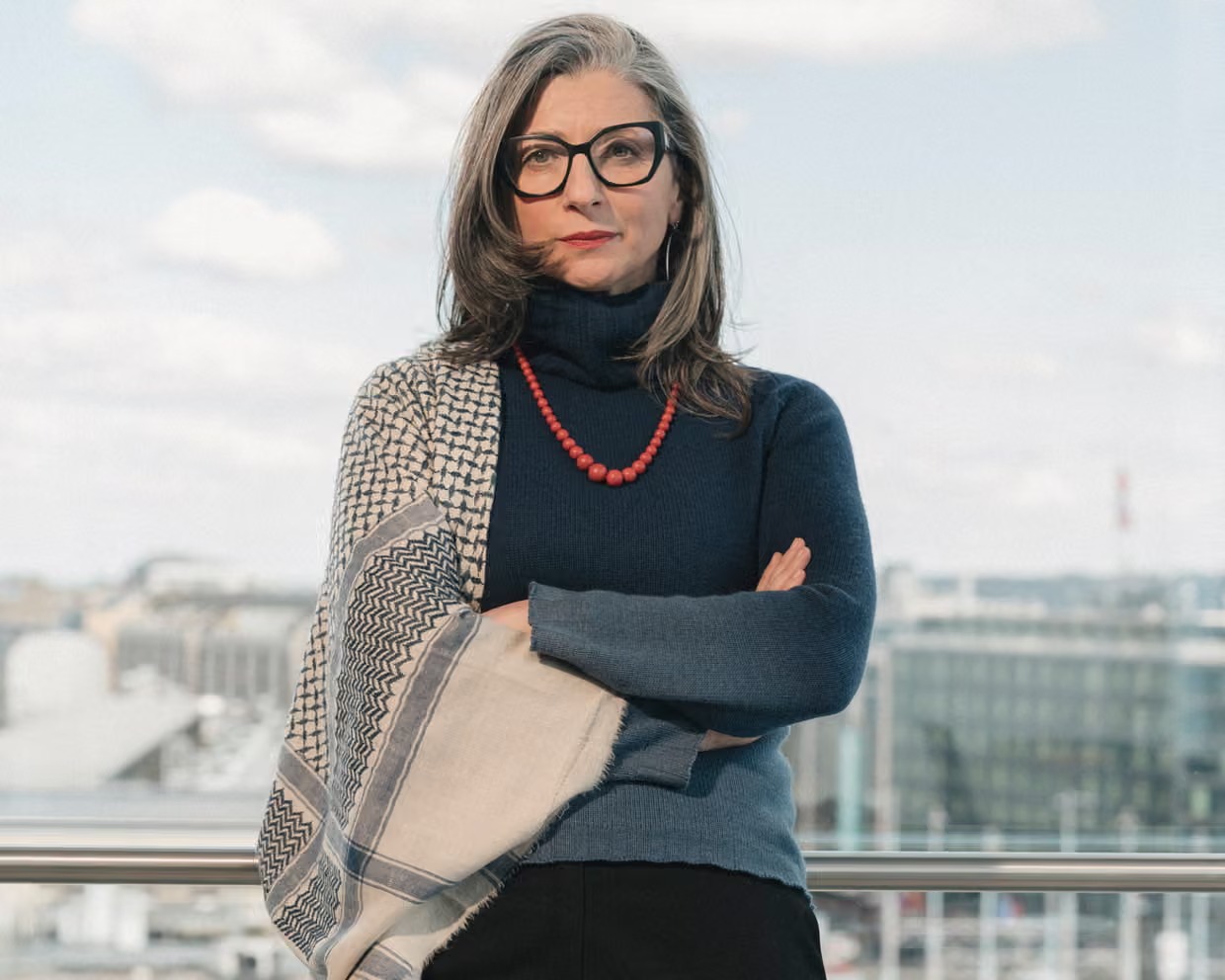
Francesca Albanese Says Britain’s Settlement-Trade Ban Must Be a Beginning
The UN special rapporteur welcomed Britain’s proposed ban on trade with Israeli settlements while arguing that goods alone are too narrow a test of legal consistency. Her intervention asks whether a policy reset will change material relationships or simply its language.
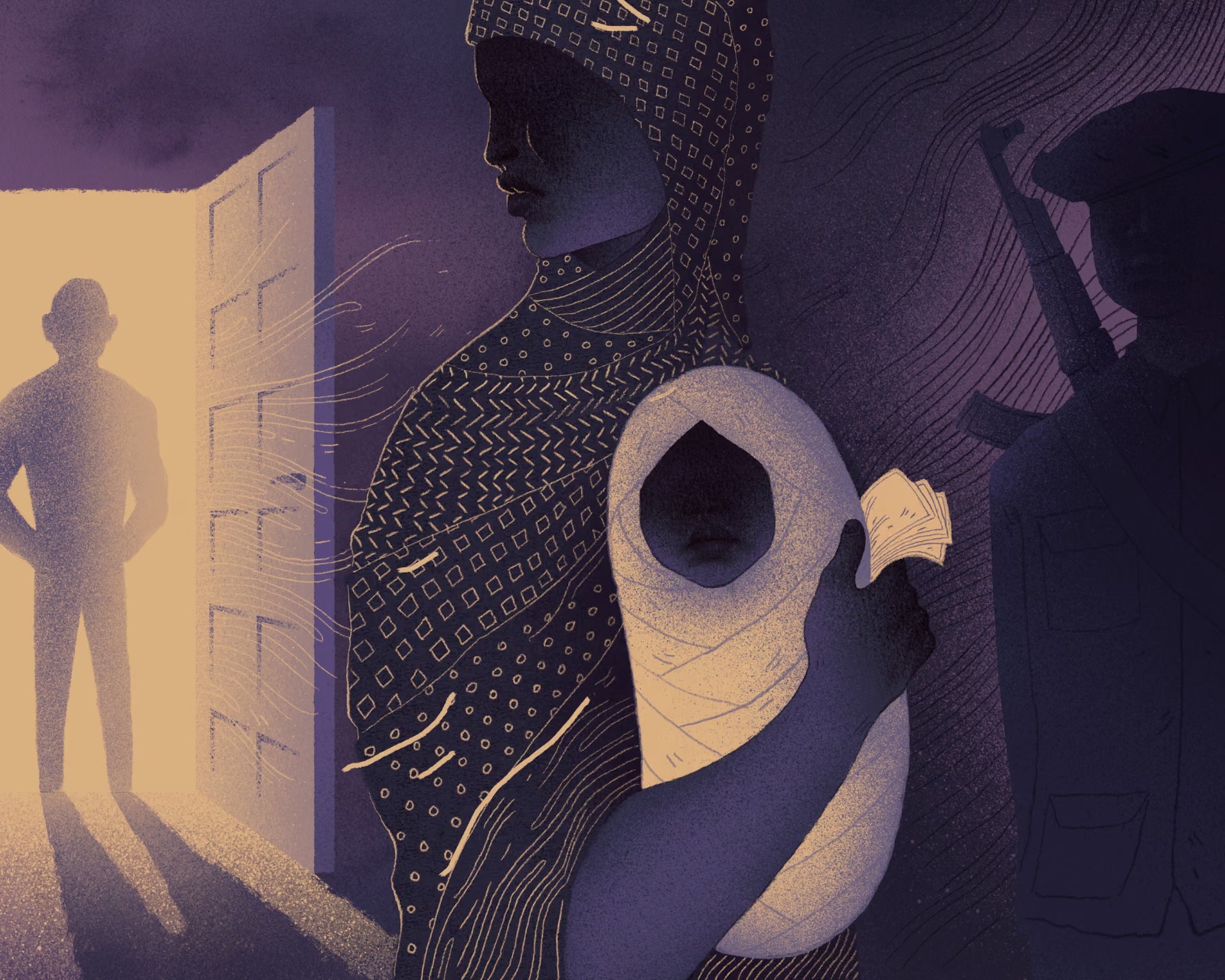
Sudanese Women in Egypt Describe the Price of Survival Without Protection
Refugee women and girls who escaped Sudan’s war say poverty, insecure legal status and shrinking aid are exposing them to sexual exploitation in Egypt. Their testimony shifts attention from border crossings to the conditions that determine whether refuge is actually safe.
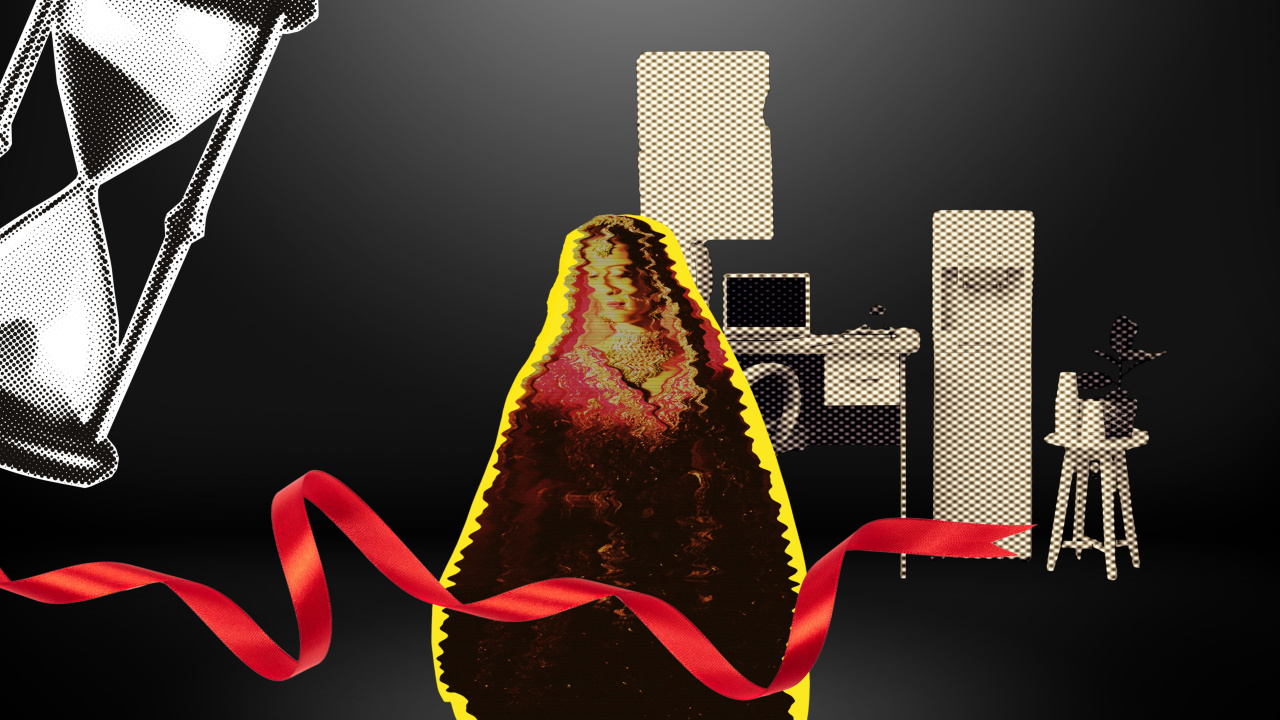
Bangladeshi Women Should Not Need a Deadline for Marriage
A new first-person essay from a Bangladeshi university teacher describes the relentless questions unmarried women face about age, appearance and marriage. The deeper issue is not whether women marry—it is why society continues to treat marriage as a deadline against which a woman’s life is measured.
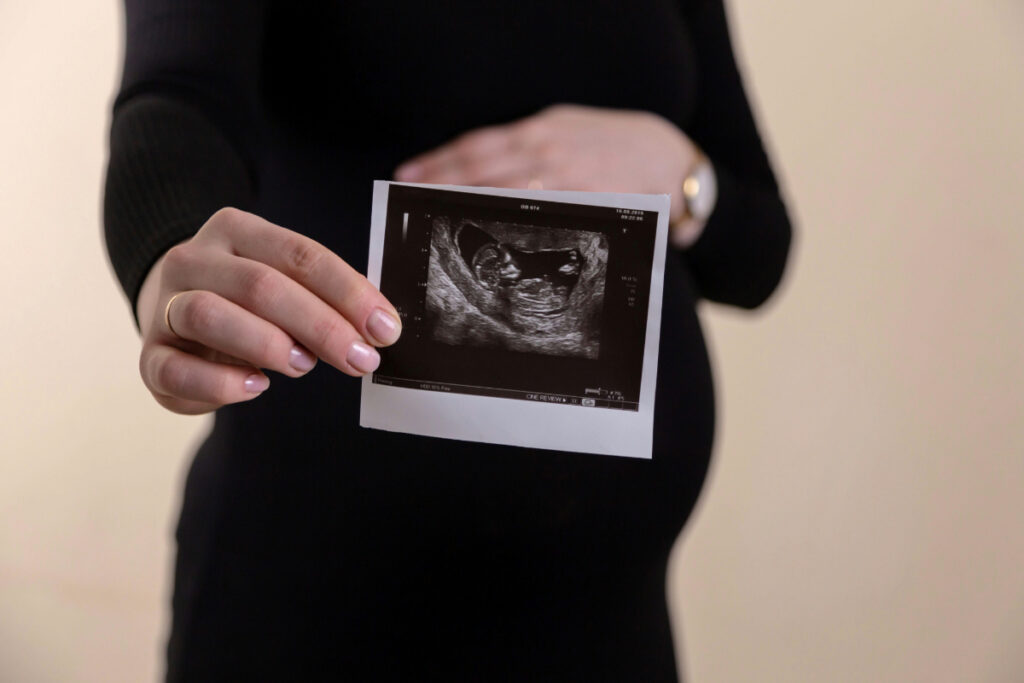
Illume Fertility’s Sale Shows Consolidation Reaching the Clinic Door
Canada’s The Fertility Partners has sold five US Illume Fertility offices to the much larger IVI RMA network. Scale may support laboratories and technology, but patients need continuity, price transparency and control over reproductive data during ownership changes.