
Editor’s summary:
WASHINGTON — Consumer prices in the United States rose faster in August, increasing pressure on household budgets even as the underlying inflation rate remained lower than the overall figure.
The Bureau of Labor Statistics reported on 11 September that the Consumer Price Index increased 0.4% during the month and 3.4% over the year. Excluding food and energy, prices rose 0.3% in August and 2.4% over 12 months.
Gasoline accounted for more than a third of the monthly increase, according to analysis reported by Axios. That distinction matters: volatile energy prices can lift the headline rapidly even when broader price growth is steadier. It does not make the increase imaginary for a worker who must drive to a job, school or medical appointment.
The federal release does not say that August inflation affected all women more than all men. Its gender relevance comes through income, family structure and care. Women are overrepresented among single parents and in many lower-paid care and service jobs, while unpaid responsibilities can limit the ability to add hours or travel farther for cheaper goods.
Price averages also hide different shopping baskets. A household spending heavily on rent, childcare, food and transport may experience a sharper constraint than the national index suggests. Families without savings must respond immediately by delaying bills, reducing food quality or using expensive credit.
Policymakers should avoid treating inflation and care policy as separate questions. Affordable public transport, predictable work schedules, childcare support and paid leave can reduce the financial damage caused when essentials rise. Those measures do not replace monetary policy, but they affect which households carry the adjustment.
Workers should read the release alongside wages. A pay rise larger than inflation can improve purchasing power; a smaller one can leave a household worse off despite a higher nominal salary. Individual circumstances depend on occupation, location and the costs actually paid.
The next inflation report may move in either direction as energy prices change. One month should not be treated as a settled trend. But the August increase is a reminder that macroeconomic improvement is not experienced at the same speed in every kitchen.
For SheFront readers, the important question is not whether inflation has a gender. It is whether incomes, public services and bargaining power allow women to respond without sacrificing care, health or long-term financial security.
Source Check: US Bureau of Labor Statistics, 11 September 2026; Axios, 11 September 2026; US Bureau of Labor Statistics CPI portal, accessed 12 September 2026.
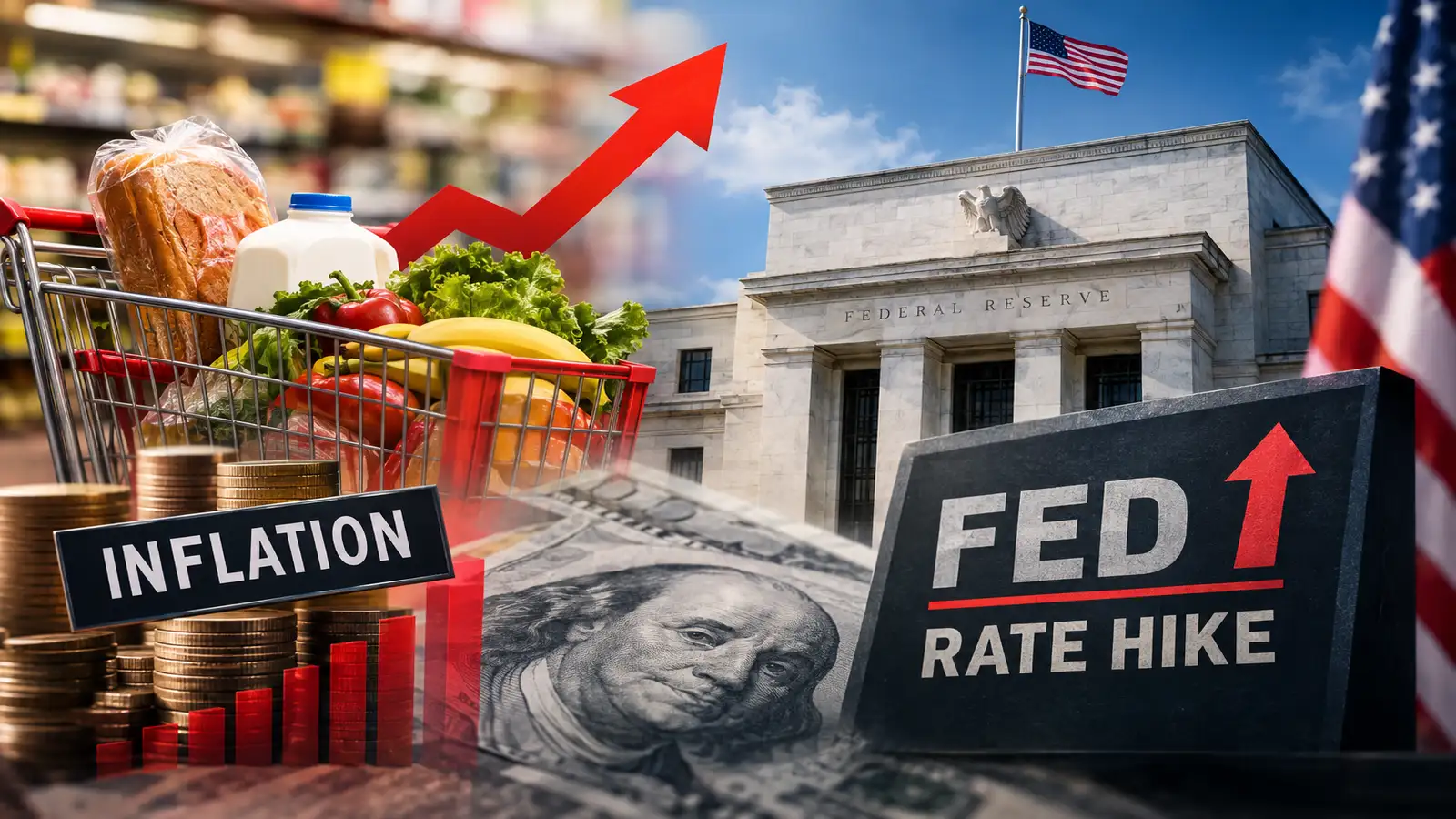
Image recommendation: Make an original household-budget graphic separating the 0.4% monthly headline increase from the 0.3% core increase and noting gasoline’s contribution. Credit: “Graphic: SheFront; data: US BLS.” Reference: BLS release.




Join the discussion