
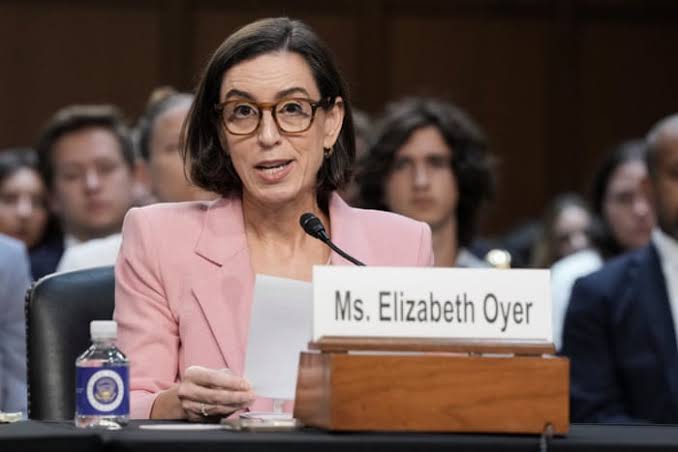
WASHINGTON — Former US pardon attorney Liz Oyer has sued the Justice Department, alleging that she was unlawfully dismissed after declining to recommend restoration of actor Mel Gibson’s right to possess firearms.
The complaint, filed on 3 September in federal court in Washington, seeks reinstatement, back pay and benefits, as well as a declaration that the firing violated civil-service protections. Its allegations have not been proven.
Oyer served as pardon attorney from 2022 until March 2025. She says senior officials asked her office to assess Gibson’s request despite his 2011 no-contest plea in a domestic-violence case. Her recommendation concluded that the record did not justify restoration, she alleges, and she was dismissed after resisting pressure to change it.
Deputy Attorney General Todd Blanche has denied that the Gibson matter caused the termination and said he did not know about it at the time. The department has offered a different explanation involving Oyer’s clemency recommendations during the Biden administration. Those competing accounts will require documents, testimony and a judicial assessment.
The gender dimension is not that professional disagreement automatically becomes discrimination. It lies in the substance of the decision and the recurring workplace risk faced by officials asked to replace expert judgment with political preference.
Firearm restoration demands an individual review of law, rehabilitation and public safety. A celebrity’s access to senior officials should not carry more evidentiary weight than a domestic-violence record. Equally, a past conviction should not create a permanent, unreviewable ban when the law permits relief.
Oyer’s office was designed to bring consistency to that balance. If her allegation is correct, firing the official who supplied an unwelcome answer would weaken the credibility of every later recommendation. If the department’s explanation is correct, it should be able to document a lawful performance-based decision unrelated to Gibson.
The case also illustrates why formal channels matter for women inside institutions. Whistleblowing and dissent are often celebrated after wrongdoing becomes public, while the employee who raises a concern bears the immediate loss of salary, reputation and professional access.
A previous administrative appeal by Oyer was dismissed, according to reporting on the new suit. The federal complaint creates another route but not a guaranteed remedy.
The court need not endorse Oyer’s policy judgment to protect the process by which it was made. Public servants must be accountable, including for poor decisions. They must also be able to give a documented professional answer without treating a powerful person’s preferred outcome as a condition of employment.




Join the discussion