
Career and money
31 published stories in this view. Follow the topic to personalize SheFront.
Stories about Career and money
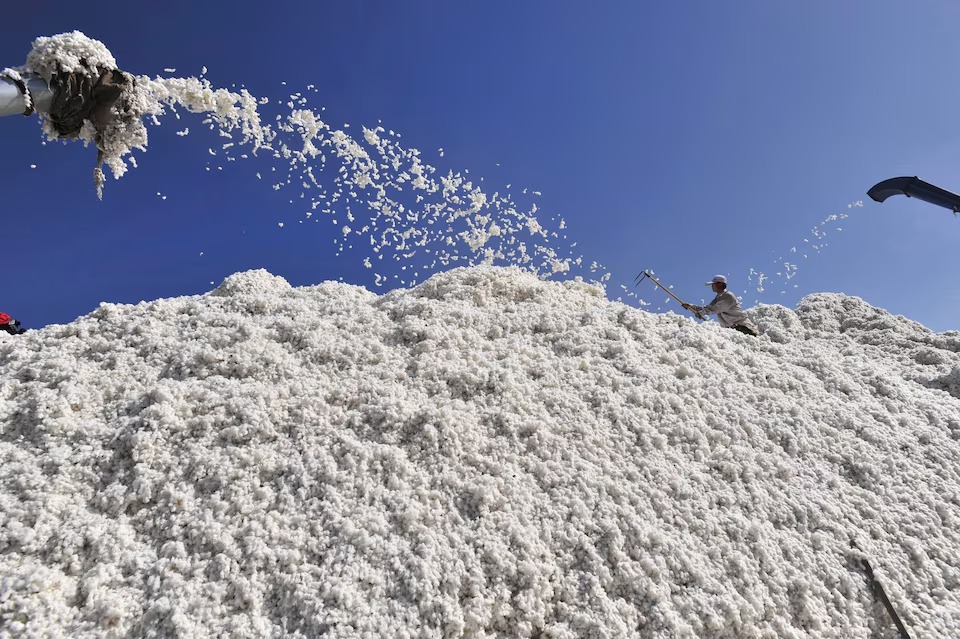
Europe’s Forced-Labour Guidance Needs Workers, Not Audits, at the Centre
New EU implementation guidance prepares companies and authorities for a 2027 ban on products made with forced labour. Human Rights Watch says the framework is a positive step but still needs stronger worker participation, remedy and transparency.

US Inflation Rose in August, Squeezing Budgets Built Around Care
US consumer prices rose 0.4% in August and 3.4% over 12 months, with energy contributing heavily. The headline is gender-neutral, but households led by women and workers carrying unpaid care often have the least room to absorb volatile essentials.
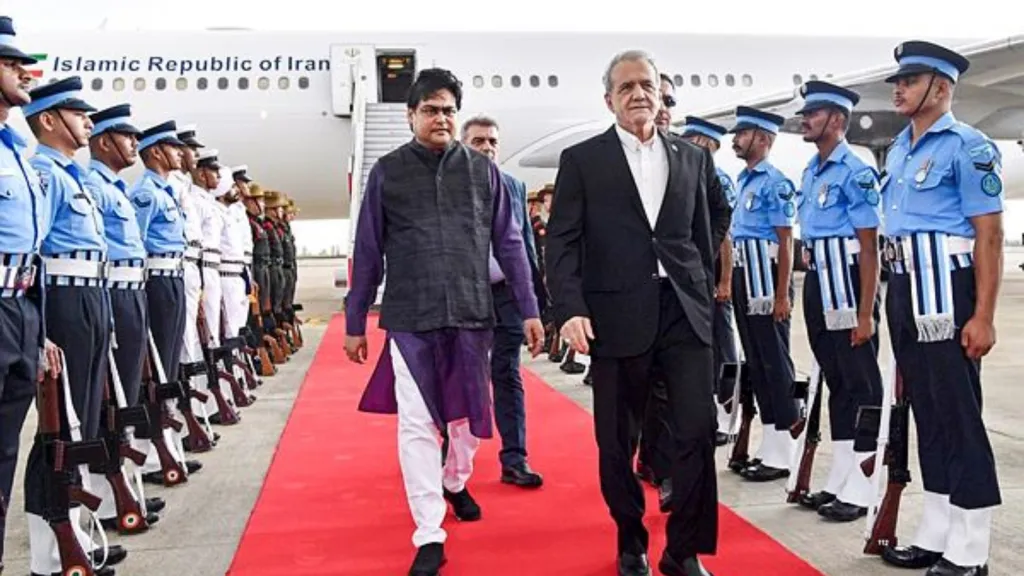
BRICS Women Want Trade Networks That Move Beyond Ceremonial Inclusion
Women business leaders at the BRICS Business Forum called for direct company-to-company links, finance and market access across member states. The practical test is whether summit language produces contracts for women-led firms rather than another parallel network without purchasing power.

Amazon Pregnancy Lawsuit Puts Everyday Workplace Adjustments on Trial
Four former US warehouse workers accuse Amazon of denying pregnancy accommodations and punishing medically necessary absences. Amazon disputes the claims; the proposed class action will test whether a federal right enacted in 2022 changes conditions for hourly workers in practice.
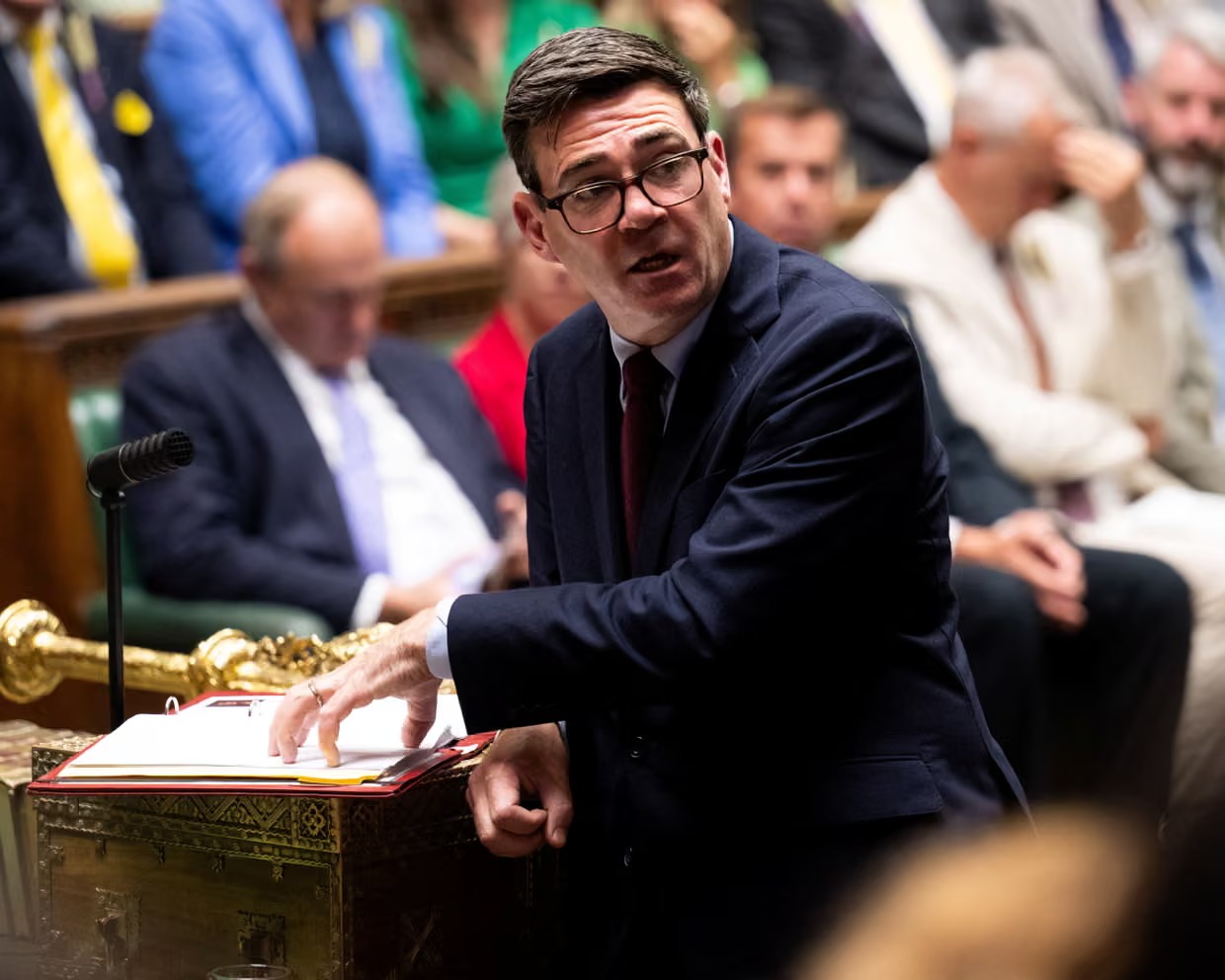
Six Weeks for Fathers Could Give Mothers More Room to Recover and Stay Employed
A campaign backed by 105 UK Labour MPs seeks six weeks of paternity leave paid at 90% of earnings. Better leave for partners is also women’s economic policy because it can redistribute early care, support maternal recovery and weaken the assumption that mothers alone step back from work.
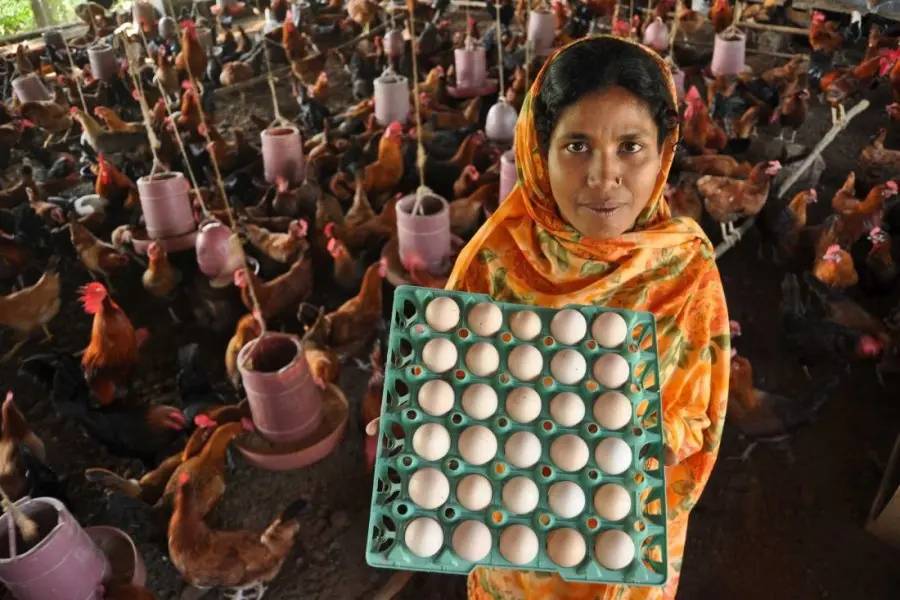
BRDB Approves Tk40.2 Lakh for 23 Rural Women Entrepreneurs. Now the Businesses Need to Grow
A new Bangladesh Rural Development Board approval memo lists 23 women in six upazilas receiving Tk40.2 lakh in entrepreneur loans for activities ranging from livestock to small retail. The important next metric is not money approved—it is businesses surviving and generating income.

Bangladesh’s Banks Are Hiring More Women Again. Why Are So Few Reaching the Top?
Bangladesh’s banks added 910 women employees in the first half of 2026. But women still make up just 16.5% of the banking workforce—and only around one in ten senior-level employees. New central bank data suggest that hiring women is only part of the challenge.

Spain’s Football Fertility Benefit Expands Choice—but Cannot Replace Maternity Rights
Spain’s football federation will support egg freezing and assisted reproduction for eligible players and referees through 2029. The scheme may help athletes plan families, but critics warn that reproductive technology must remain voluntary and accompany strong protection during pregnancy and return to play.

New Zealand’s Public-Service Walkout Puts Pay and Service Cuts Into the Election
Nearly 10,000 public servants stopped work for several hours after rejecting wage offers they say fall behind living costs. Because women are heavily represented in public and community services, the dispute links household pay with the capacity of government systems people rely on.
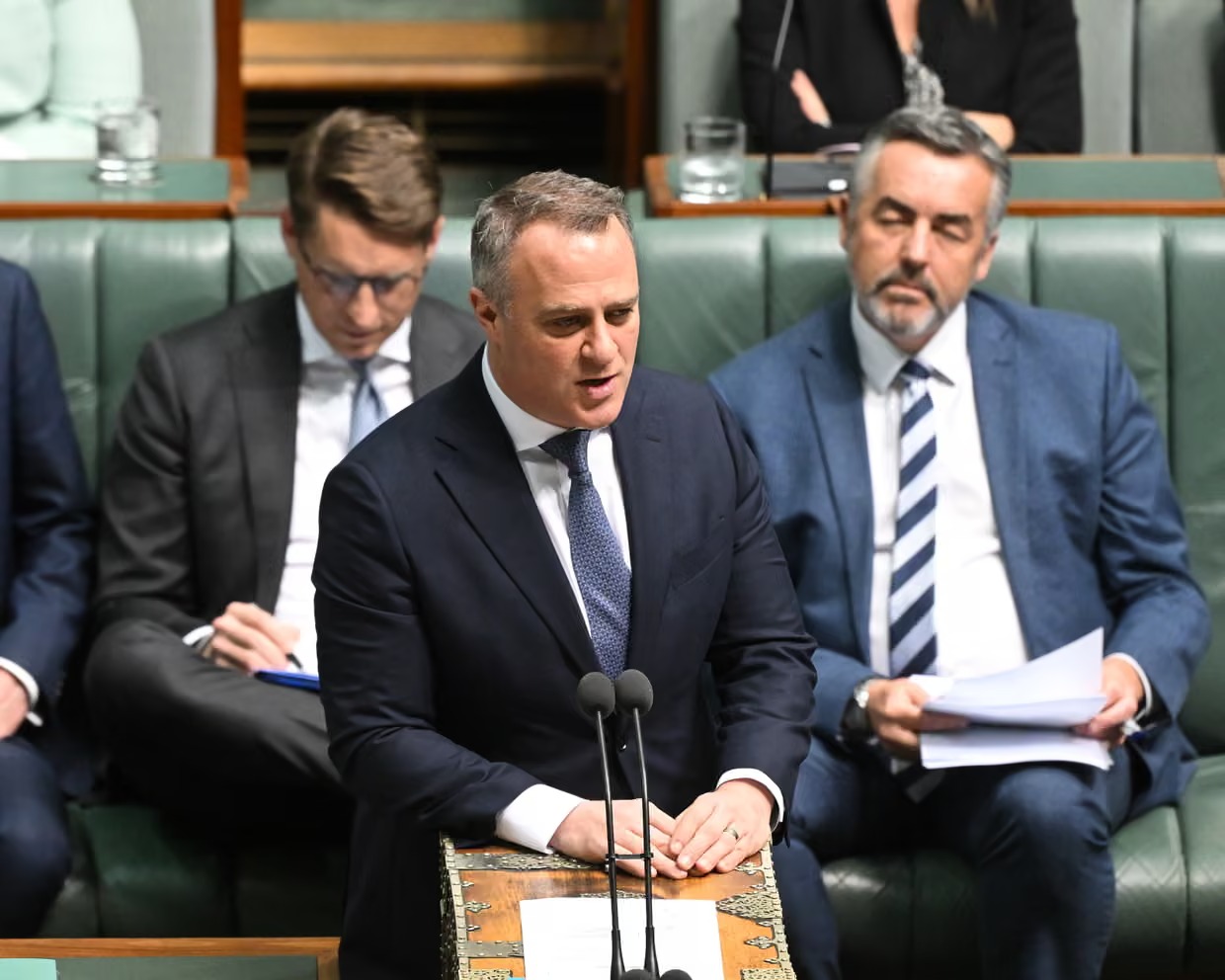
Victoria’s Work-From-Home Bill Moves Toward a Decisive Vote
Australia’s Victoria state is advancing a statutory right to work remotely for up to two days where reasonable, after delaying commencement and revising costs for employers. The design could help caregivers while preserving a divide between remote-capable and frontline work.
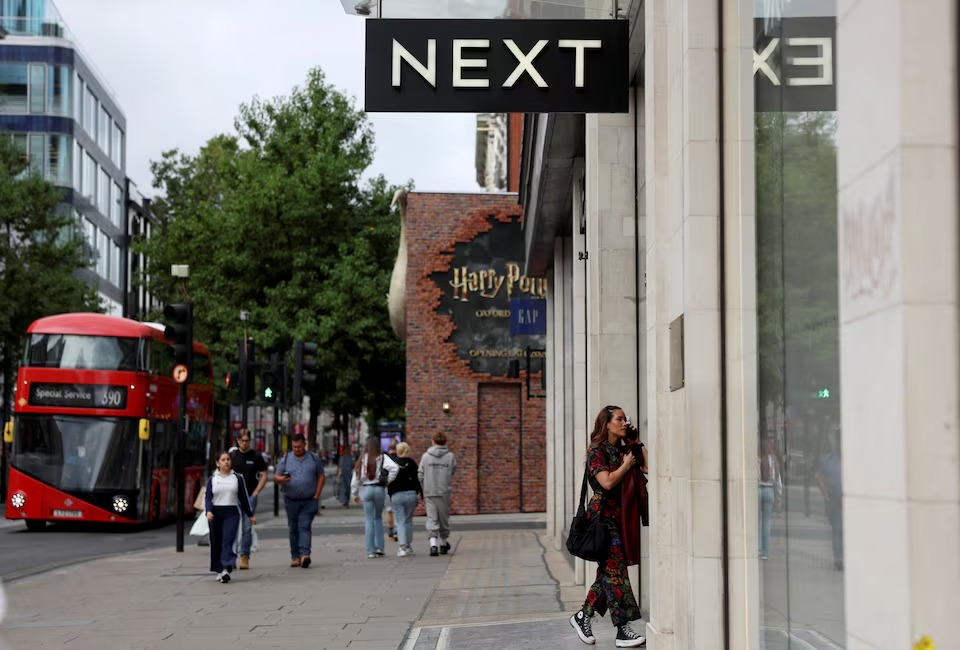
Next’s Equal-Pay Appeal Resets a Major Test for Women in Retail
Britain’s Employment Appeal Tribunal accepted market recruitment pressures as justification for higher basic pay in male-dominated warehouses than in female-dominated stores. Other premium-pay claims survived, and the workers plan a further appeal
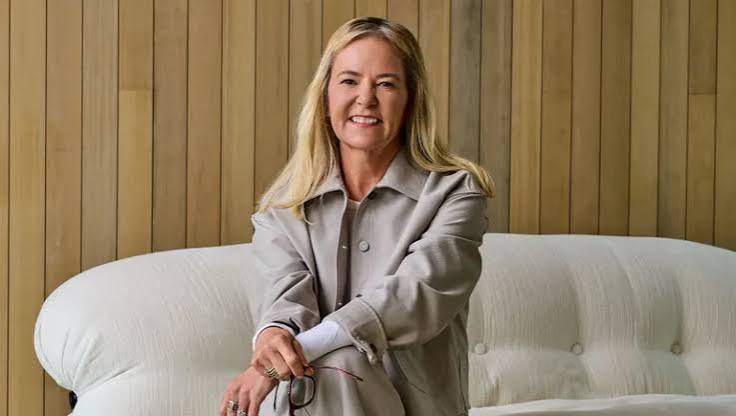
Heidi O’Neill Will Take Over Lululemon With Its Core Women’s Business Sliding
Incoming chief executive Heidi O’Neill starts on 8 September after Lululemon cut its forecast and reported a sharp decline in leggings sales. Her challenge is not symbolic representation but rebuilding product trust without making workers or suppliers absorb the cost.
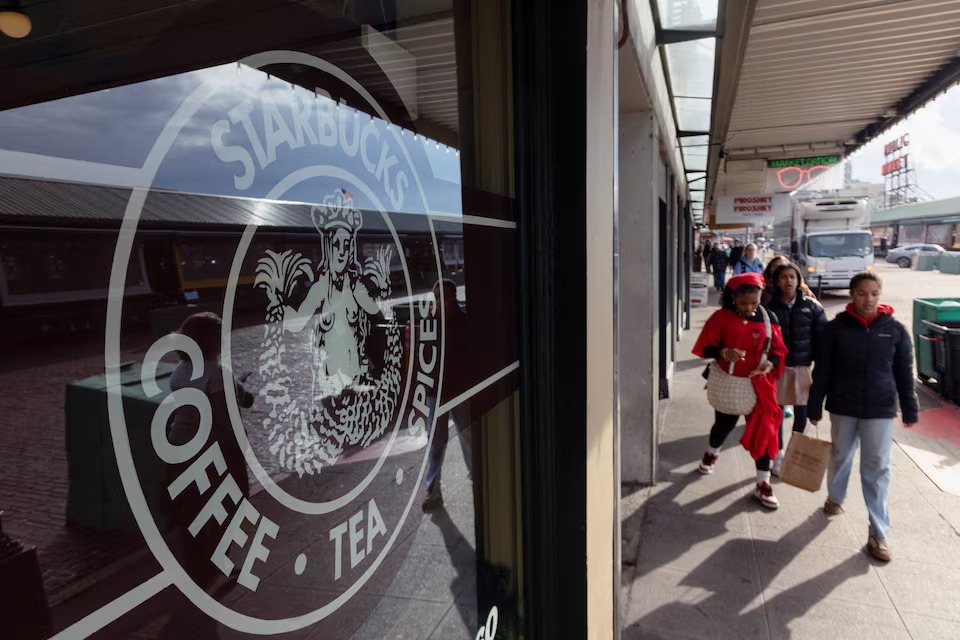
Court Preserves Finding That Starbucks Threatened a Pregnant Worker’s Benefits
A US appeals court rejected most labour-board findings against Starbucks but left intact a finding that a manager unlawfully threatened maternity benefits during a union campaign. The narrow result shows why pregnancy support must never be presented as conditional on workplace silence.
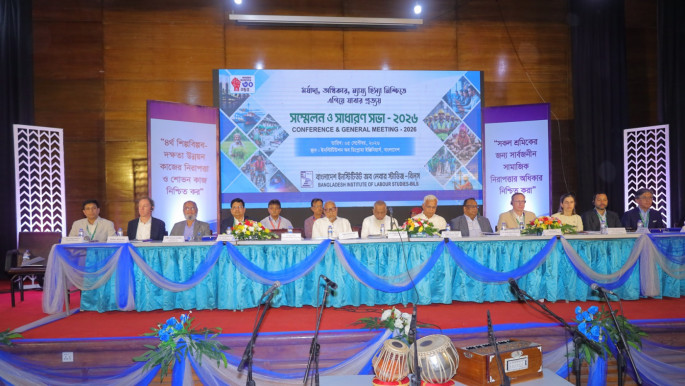
Women Make Up More Than Half of Bangladesh’s Garment Workforce. Why Aren’t More Leading the Unions?
Bangladesh’s labour movement is calling for more women in trade-union leadership. With women making up about 54% of the garment workforce, the question is no longer simply whether women work—it is whether they have an equal voice when wages, safety and workplace rights are negotiated.
America Added 162,000 Jobs, but the Headline Conceals Where Women Work
US hiring rebounded in August and adult women’s unemployment stood at 3.5%. The sector data show gains in restaurants and local education alongside information-industry losses—making job quality and who received the work as important as the total.
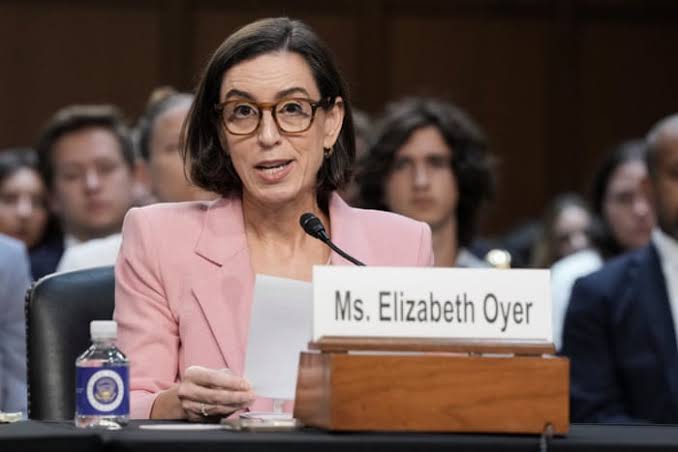
Liz Oyer’s Lawsuit Tests Whether Professional Judgment Can Survive Political Pressure
Former US pardon attorney Liz Oyer says she was fired after refusing to recommend restoring Mel Gibson’s gun rights. The Justice Department disputes that account; the lawsuit turns a personnel conflict into a test of evidence, public safety and civil-service independence.
Australia’s September Payment Rise Helps Single Parents—but Deeming Rates Also Climb
Parenting Payment Single will rise by A$20.90 a fortnight from 20 September as benefits are indexed. Higher assumed investment returns may offset part of the gain for some recipients with savings.
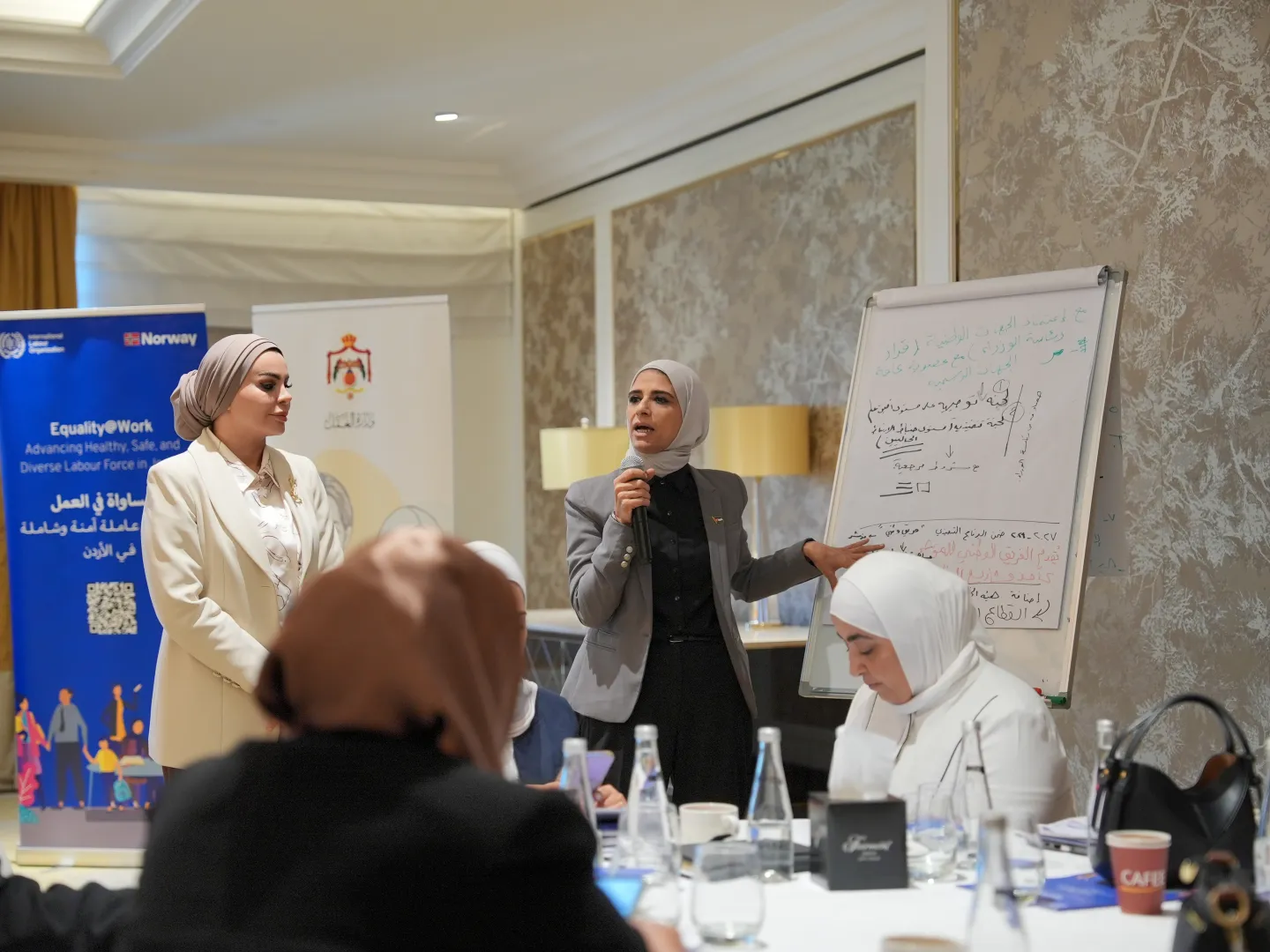
Jordan Has More Than 30 Women’s Employment Initiatives—But Few Directly Change Participation
Jordan is developing a unified mechanism to coordinate programmes intended to bring more women into paid work. Mapping found substantial activity but weak connections between many initiatives and the national participation target.

When the Farm Math Failed, Hallie Shoffner Took Rural Debt Into Politics
The Arkansas farmer liquidated equipment after her family operation became financially untenable and is now running for the US Senate. Her campaign turns an individual loss into a debate about credit, commodity prices and who can survive in agriculture.
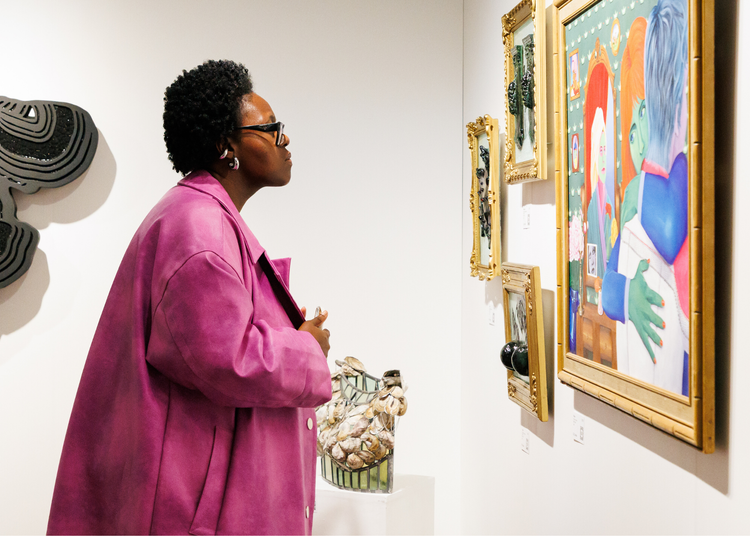
Washington’s FEMME Art Fair Treats Women Artists as an Economic Force
More than 100 women artists are participating in a four-day fair that sends artwork-sale proceeds directly to artists and curators. The model shifts attention from representation alone to who receives the money generated by culture.
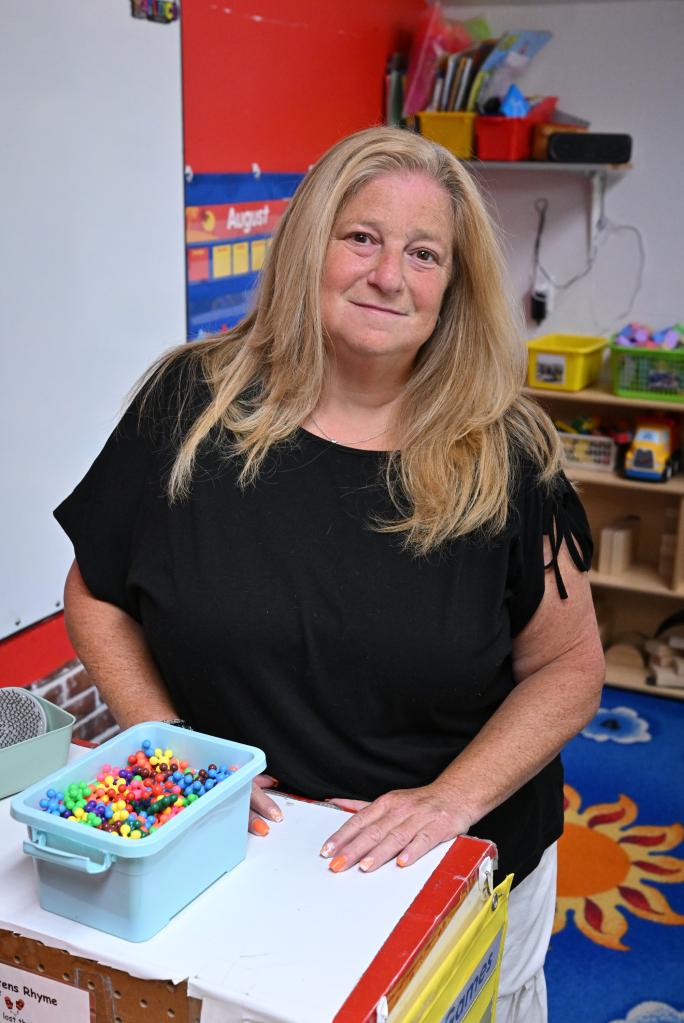
New York Childcare Providers Say Public Expansion Is Being Financed From Their Own Pockets
Providers preparing to open free childcare classrooms say advances have been delayed, forcing some to use savings or credit. The dispute illustrates how public care programmes can transfer financial risk to the women and small organisations delivering them.
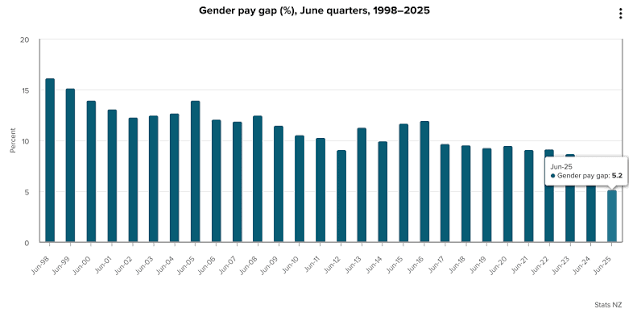
New Zealand’s Gender Pay Gap Edges Up After Last Year’s Record Low
Women’s median hourly earnings were 5.3% below men’s in the June quarter, compared with 5.2% a year earlier. The small change is a reminder that a national average can stall while larger gaps remain hidden by occupation and ethnicity.
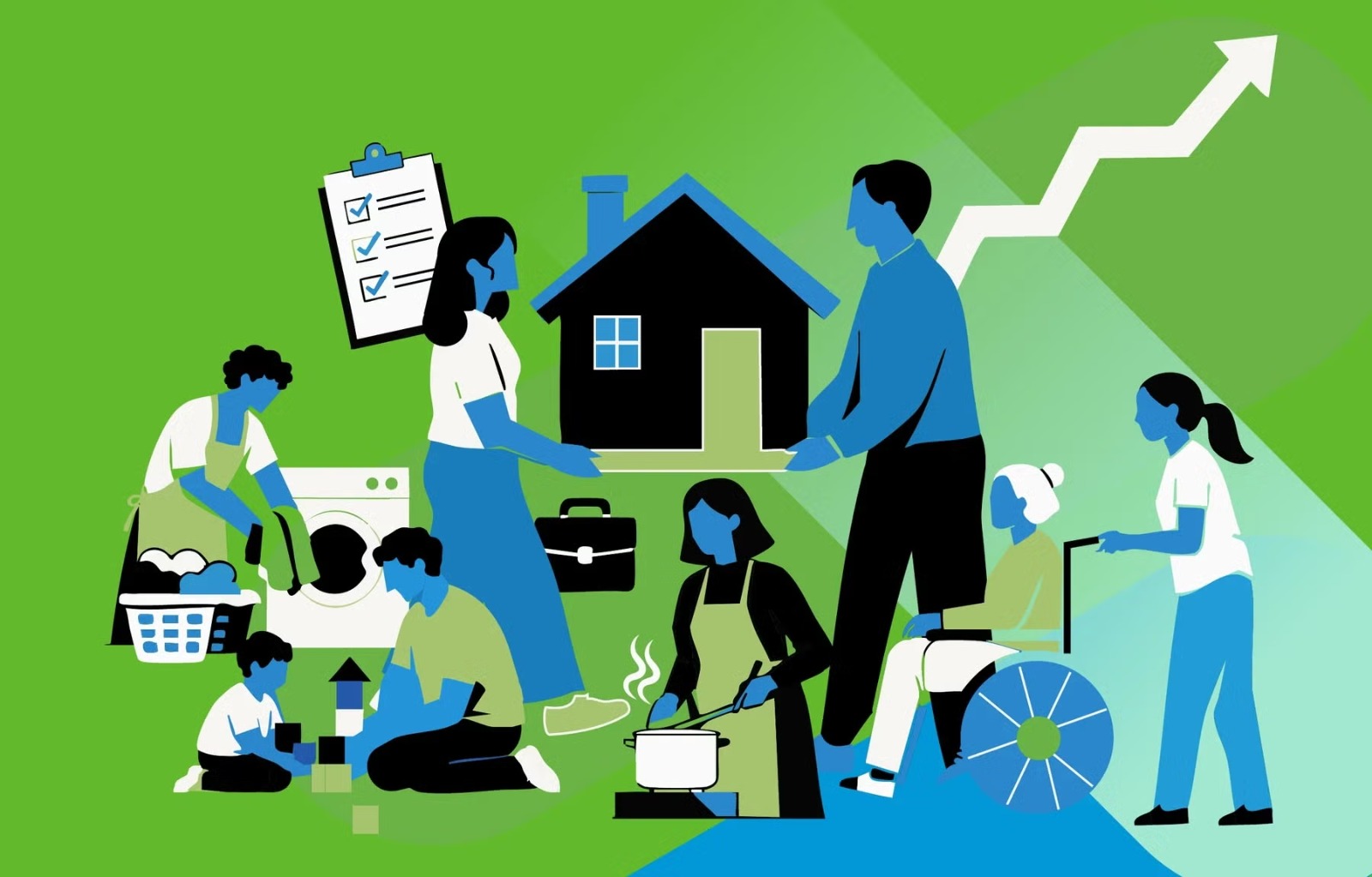
Registration Has Made Uzbekistan’s Domestic Workers Visible—Not Fully Protected
More than 260,000 people have registered as self-employed domestic-service workers in Uzbekistan, and about 91% are women. Legal recognition is important, but self-employment can still leave workers without wages, leave and social protection guaranteed to employees.
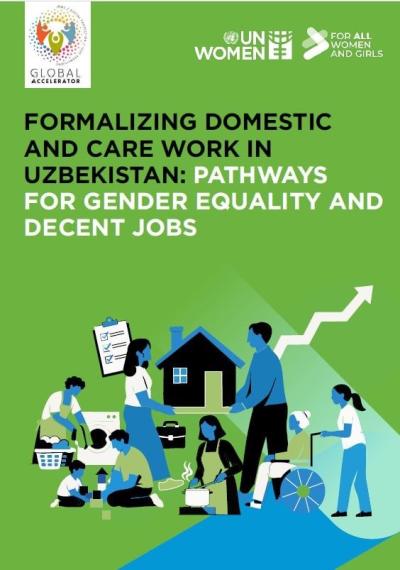
Registration Has Made Uzbekistan’s Domestic Workers Visible—Not Fully Protected
More than 260,000 people have registered as self-employed domestic-service workers in Uzbekistan, and about 91% are women. Legal recognition is important, but self-employment can still leave workers without wages, leave and social protection guaranteed to employees.
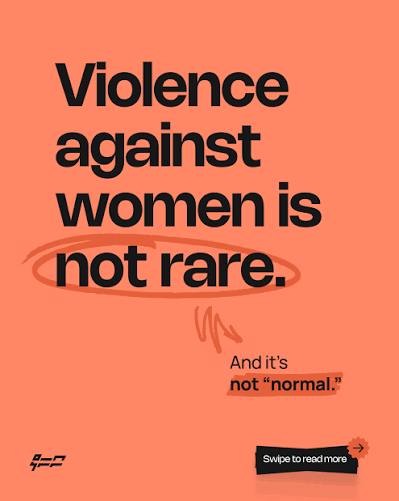
When Women Don’t Control Land, Are They More Vulnerable to Violence?
A new Dhaka discussion has put women’s land rights and violence back in the spotlight. The evidence shows a stark ownership gap: only a small minority of rural women have secure rights over agricultural land. But the relationship between landlessness, economic dependence and violence needs more careful attention than a headline statistic can provide.

Philippines’ IT-BPM Association Names Its First Woman Chief
Celeste Ilagan will lead one of the Philippines’ most economically important industry groups as artificial intelligence transforms outsourcing work. Her appointment turns representation into a substantive labour-policy responsibility.
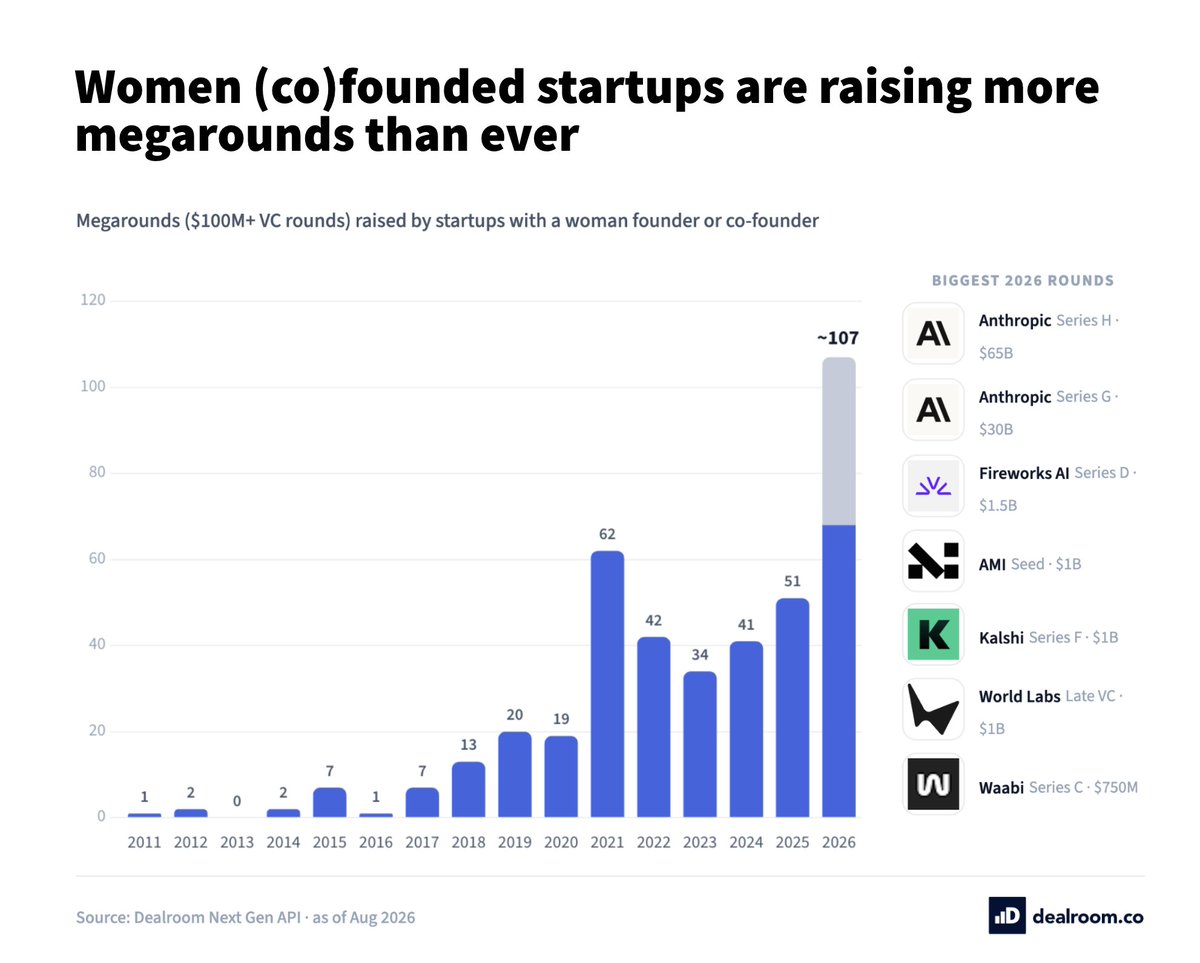
Women-Founded Startups Are Winning More Megarounds—but One Number Can Mislead
Dealroom reports 68 funding rounds of at least $100 million for companies with a woman founder or co-founder in 2026. The milestone needs to be separated from the much smaller amount reaching companies founded solely by women.

London Women Founders Pass £100 Million in Government-Backed Startup Loans
Nearly 10,000 female-founded businesses in London have reportedly received more than 10,800 loans through the British Business Bank programme.
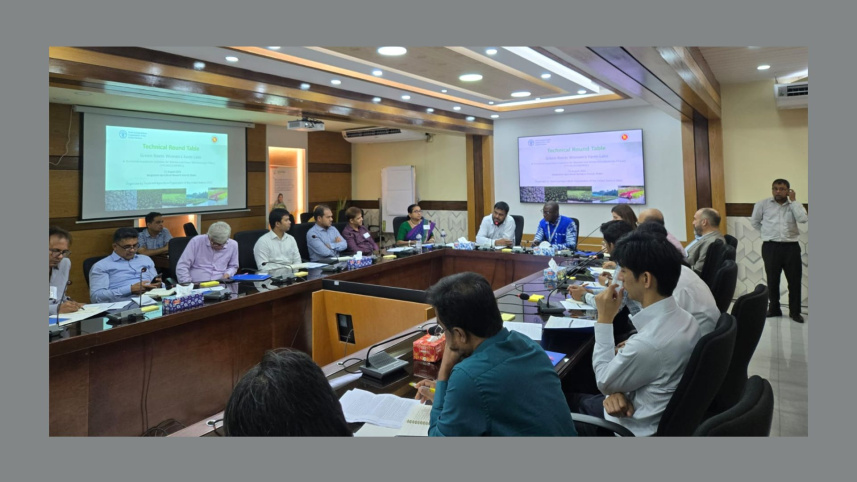
Bangladesh’s Women Grow the Food. Why Can’t They Control the Market?
Rural women are deeply involved in planting, harvesting, livestock and food processing across Bangladesh. But when crops reach the market, men are still more likely to negotiate with buyers, control major investments and decide where the money goes.

Colgate India’s Prabha Narasimhan Moves Into Asia-Pacific Marketing Leadership HOLD — verify the transition through the company’s exchange filing.
Narasimhan is leaving Colgate-Palmolive India’s CEO position for a regional executive role, illustrating both women’s mobility and continuing scarcity in corporate leadership.

US Open Raises Prize Fund to $108 Million as Players Push for Revenue Sharing
Equal prize money remains a cornerstone of Grand Slam tennis, but leading women and men say players should receive a larger share of tournament revenue.