
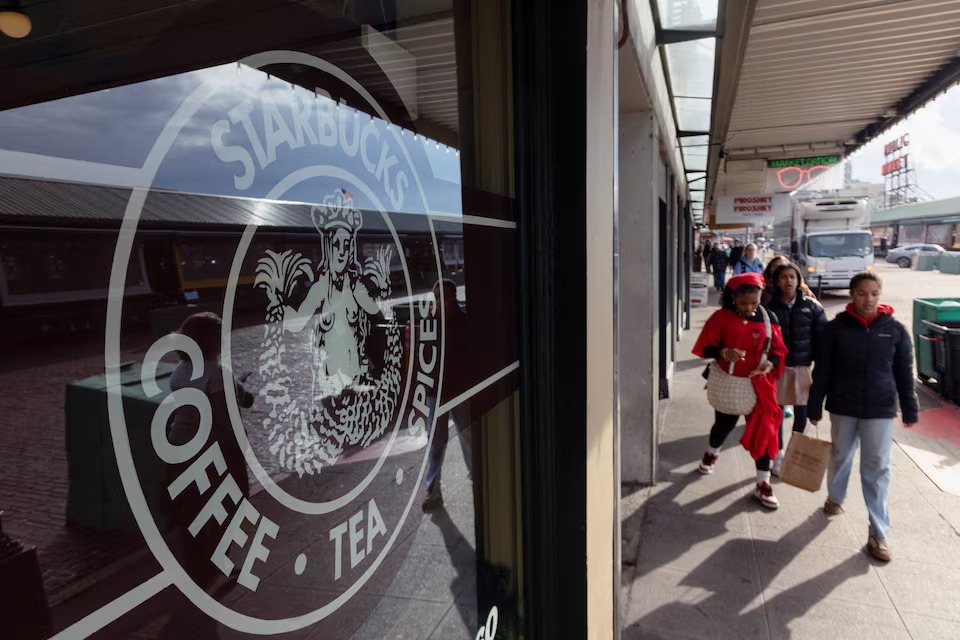
NEW ORLEANS — A federal appeals court has upheld a finding that Starbucks unlawfully threatened to withhold maternity benefits from a pregnant employee if workers unionised, even as it rejected most other allegations arising from the same Kansas organising campaign.
The 5th US Circuit Court of Appeals issued its decision on 4 September in a dispute involving a Wichita store. In a 2–0 ruling, the court declined to enforce National Labor Relations Board findings that managers illegally blamed a hiring pause and reduced hours on union or other protected activity and created an impression of surveillance.
The panel nevertheless enforced the board’s conclusion concerning the pregnant worker. Reuters reported that the manager’s warning linked access to maternity leave with the result of a union vote. Starbucks said it was encouraged by the overall decision and remained committed to employees’ legal rights.
The distinction matters. A court may reject some unfair-labour-practice claims because context or evidence does not meet the legal standard while still finding one threat unlawful. Reporting should not compress a mixed judgment into either “Starbucks cleared” or “Starbucks lost.”
Pregnancy and childbirth benefits carry particular leverage because they are time-sensitive. A worker deciding how to vote cannot simply postpone medical leave, income replacement or recovery until a labour dispute is settled. Even an implied threat can force a choice between protected organising and family security.
The case also demonstrates how benefits function as workplace power. Paid leave, health insurance, scheduling and lactation support are often described as generous extras, but workers organise precisely because management controls their terms. Employers should communicate accurately which benefits are guaranteed by law, policy or collective bargaining and avoid suggesting that lawful organising will make them disappear.
More than 700 Starbucks locations have voted to unionise, according to Reuters, while the company and workers have filed or contested numerous labour complaints. Each case turns on its own record; the number of disputes is context, not proof of an allegation in a particular store.
For employers, the practical safeguard is straightforward: train managers before organising begins, put benefit rules in writing and route questions through staff who understand pregnancy-discrimination and labour law. For workers, documentation of statements, dates and witnesses can be essential when a dispute reaches the board.
The ruling’s surviving finding is narrow but important. Maternity support cannot be used as a bargaining chip against collective action. A pregnant employee’s need for leave should not make her easier to intimidate.



Join the discussion