
Search SheFront
Find stories by keyword, Year, Month, category, Region, Country, contributor, coverage or language.
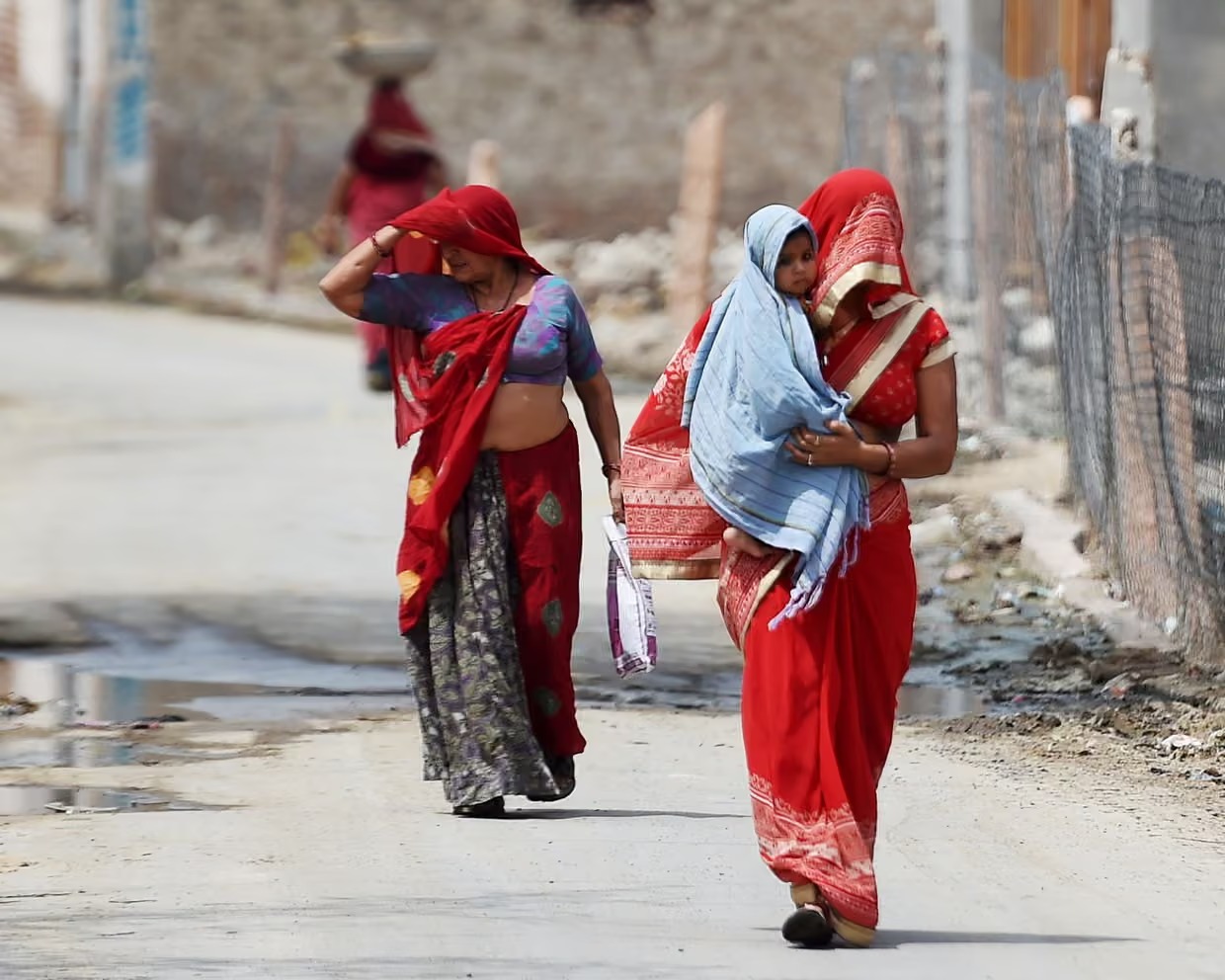
A Child-Marriage Film Project Claims a Big Attitude Shift—Now It Needs Open Evidence
Far Too Young says film-led community work across Bangladesh, India and Nepal changed attitudes toward child marriage and can reach 100 million people. Narrative tools may scale where field budgets are shrinking, but the project’s striking impact claim needs independent publication.
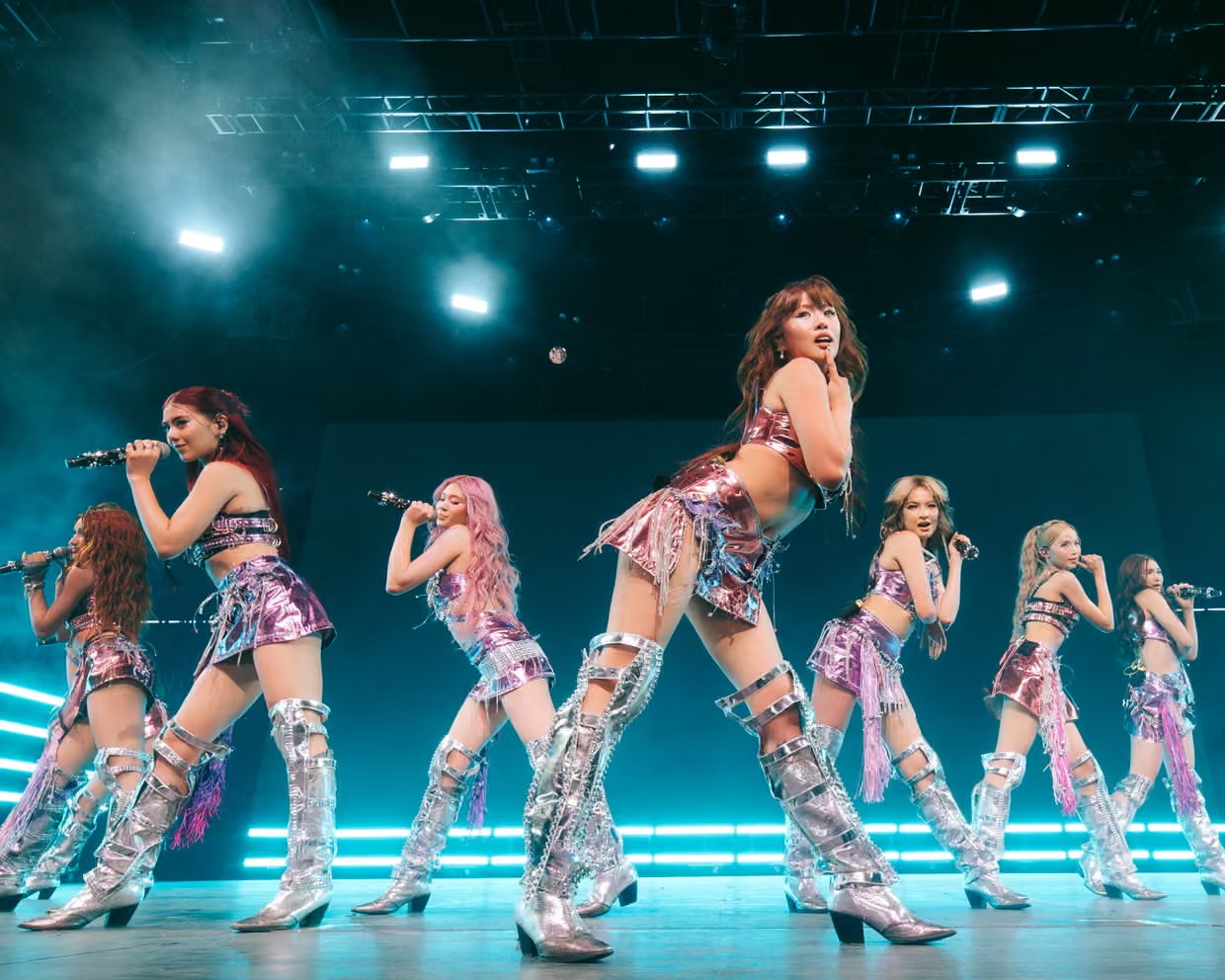
Southeast Asia’s Girl Groups Are Exporting Identity, Not Imitation
BINI, no na, 4EVE and DOLLA are gaining audiences beyond their home markets by combining global pop formats with Filipino, Indonesian, Thai and Malaysian languages and sounds. Their rise challenges an industry that often treats Asian pop as shorthand for only three countries.
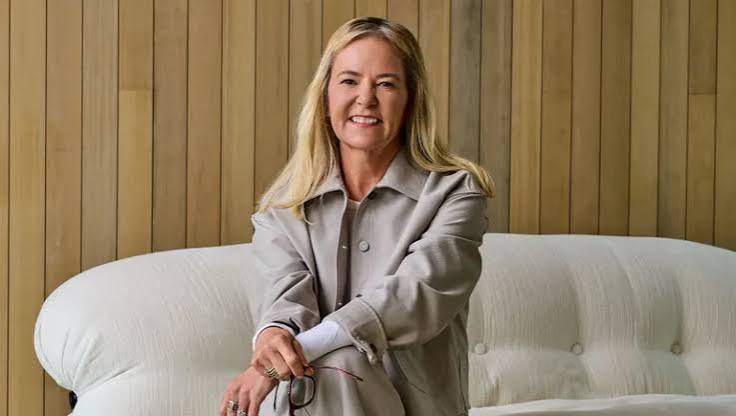
Heidi O’Neill Will Take Over Lululemon With Its Core Women’s Business Sliding
Incoming chief executive Heidi O’Neill starts on 8 September after Lululemon cut its forecast and reported a sharp decline in leggings sales. Her challenge is not symbolic representation but rebuilding product trust without making workers or suppliers absorb the cost.
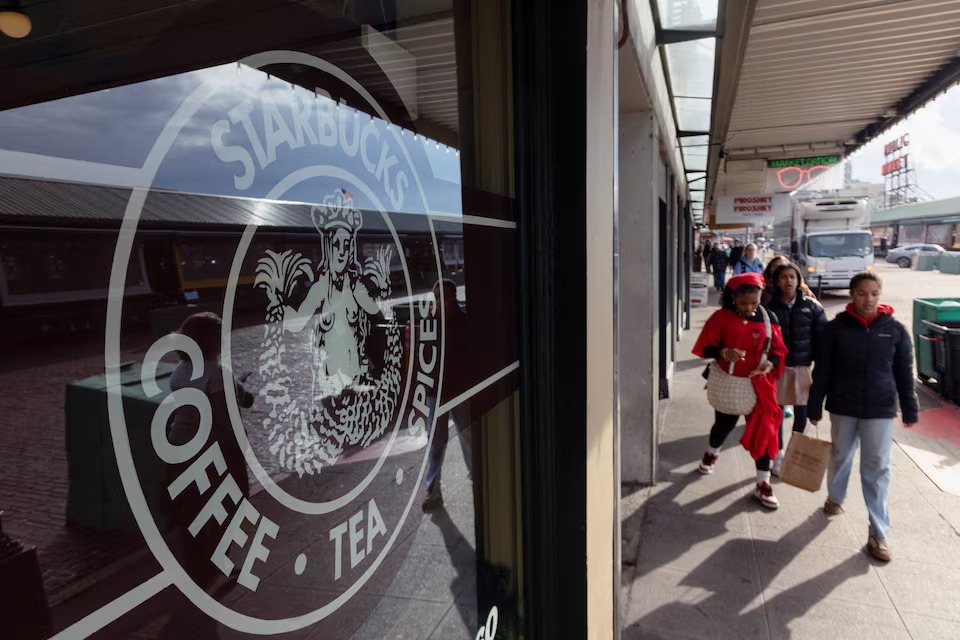
Court Preserves Finding That Starbucks Threatened a Pregnant Worker’s Benefits
A US appeals court rejected most labour-board findings against Starbucks but left intact a finding that a manager unlawfully threatened maternity benefits during a union campaign. The narrow result shows why pregnancy support must never be presented as conditional on workplace silence.
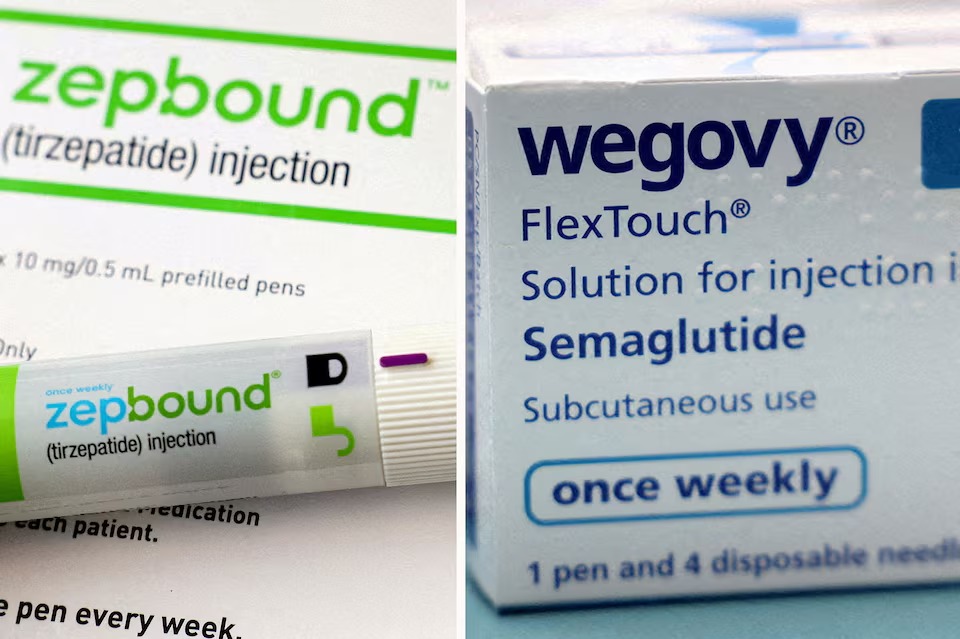
Weight-Loss Prescribing for US Children Under 12 Has Surged—Evidence Must Catch Up
A large health-record study found a steep rise in GLP-1 prescriptions for children aged eight to 11 with obesity, nearly all of them with severe disease. The trend could help girls facing serious complications, but long-term safety, access and sex-specific outcomes remain uncertain.
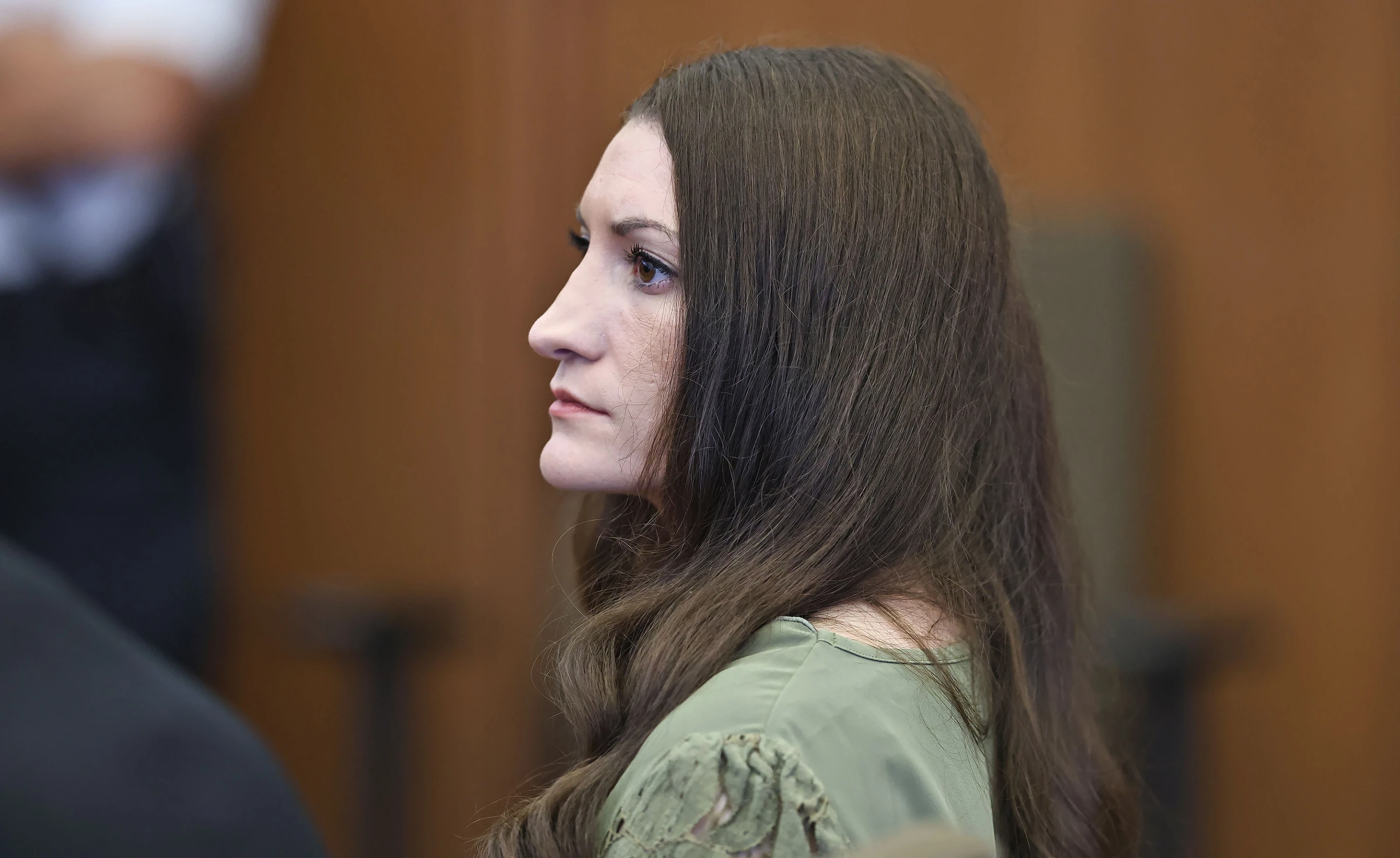
A Deadlocked Trial Exposed the Gaps Around Postpartum Psychosis
A Massachusetts jury could not agree whether Lindsay Clancy was criminally responsible when she killed her three children. The case cannot diagnose other mothers, but it has exposed how little many families and clinicians know about a rare, severe and treatable postpartum emergency.
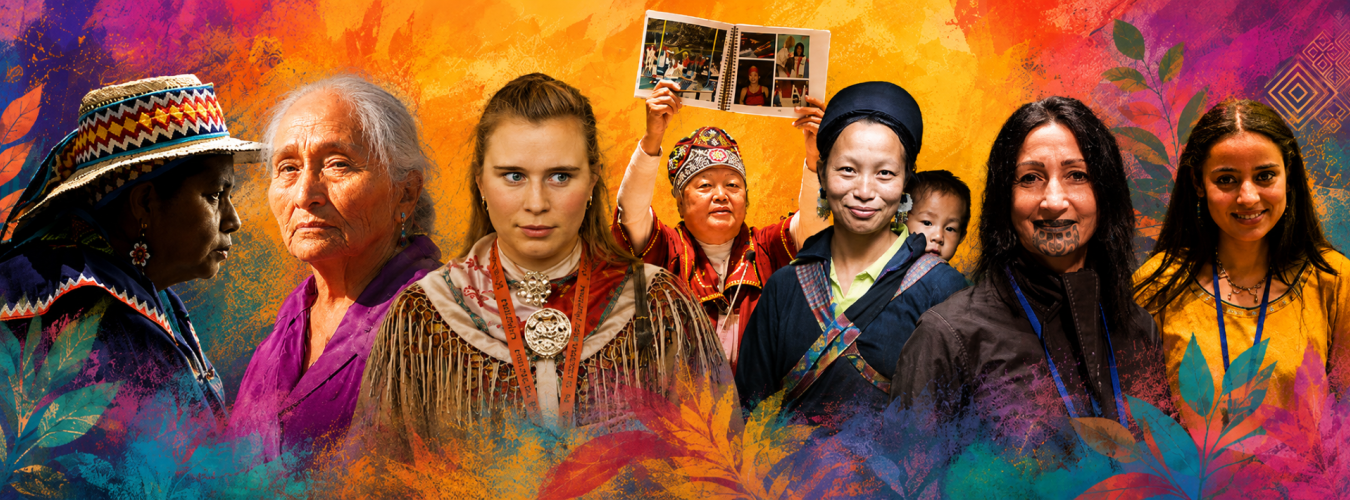
The UN’s First Indigenous Women and Girls Day Must Be More Than Recognition
The United Nations is formally observing 5 September as the International Day of the World’s Indigenous Women and Girls for the first time. Indigenous organisers say the milestone should produce direct funding, decision-making power and implementation of rights already agreed.
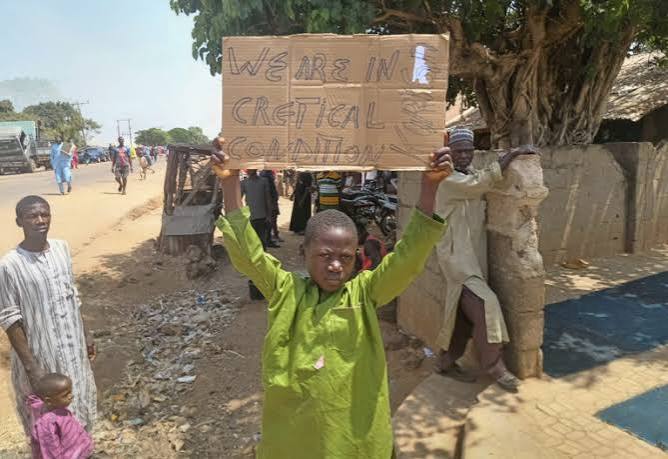
A Mother and Newborn Are Among Hundreds Missing After Nigeria’s Mass Abduction
Families in Niger state say they have received no contact from kidnappers two weeks after a coordinated assault. One woman was taken with a baby she had delivered only a week earlier, exposing the acute danger captivity creates for mothers and infants.

Quechua Women in Cusco Are Turning Literacy Into Local Authority
A mobile community school in rural Peru has helped 200 Quechua-speaking women learn to read and write and at least 100 complete basic education. Its success rests on adapting education to women’s lives and recognising knowledge they already hold.
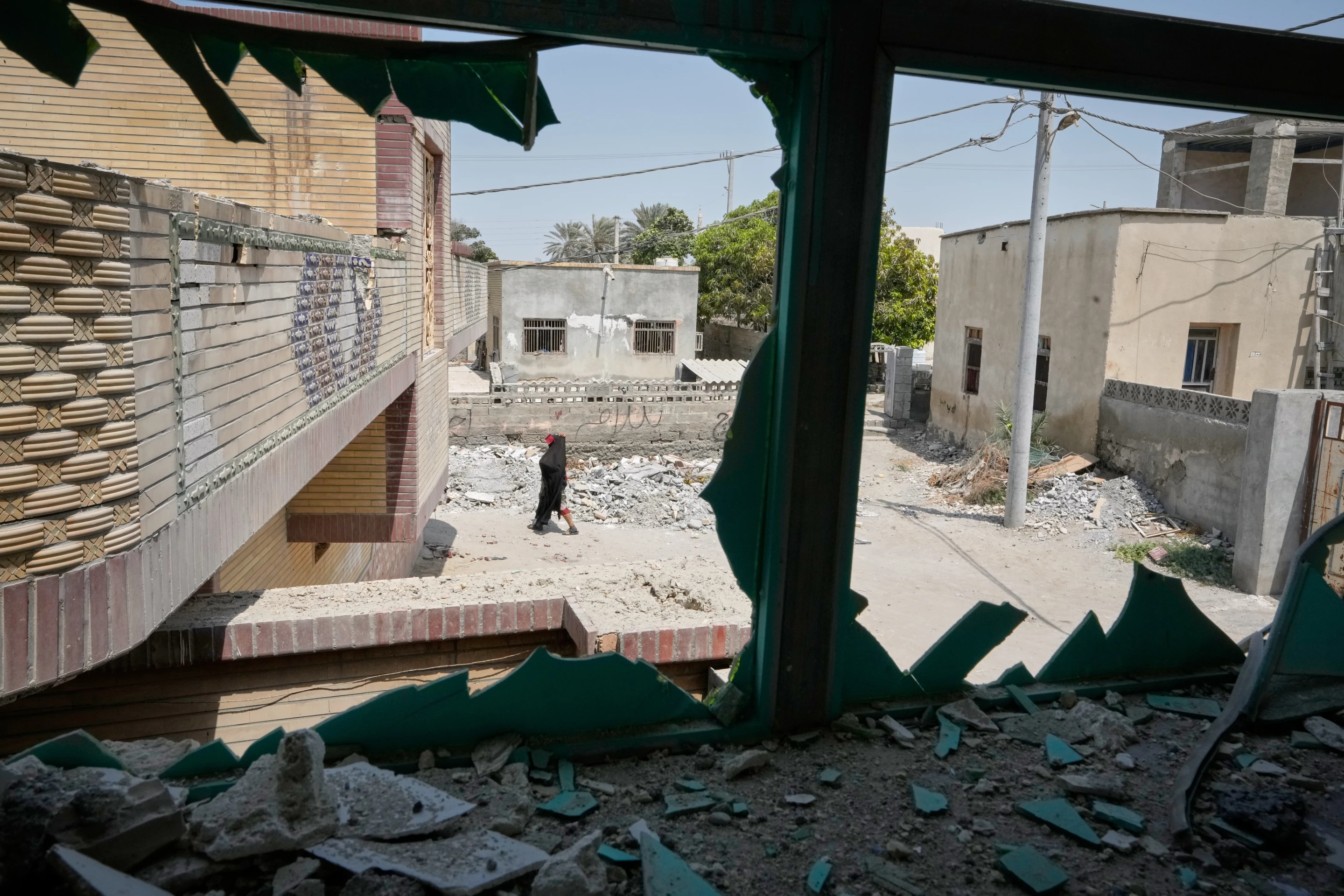
An Iranian Wedding Became a Test of Whether Civilian Harm Will Be Accounted For
Women and children waiting for a wedding celebration in southern Iran were caught in a deadly strike now under US review. Their testimony and the physical evidence make civilian protection—and a transparent investigation—the story, not a footnote to military claims.

Bangladesh Women Face Sri Lanka With a Semifinal Place—and a Bigger Goal—on the Line
Bangladesh’s women face defending champions Sri Lanka tonight knowing a victory could secure their place in the Women’s Asia Cup semifinals. But for Nigar Sultana Joty’s side, the ambition is bigger: after repeatedly reaching the last four, they want to finally return to the final.
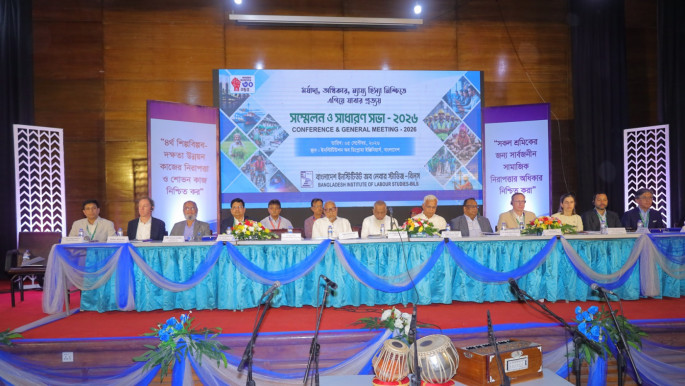
Women Make Up More Than Half of Bangladesh’s Garment Workforce. Why Aren’t More Leading the Unions?
Bangladesh’s labour movement is calling for more women in trade-union leadership. With women making up about 54% of the garment workforce, the question is no longer simply whether women work—it is whether they have an equal voice when wages, safety and workplace rights are negotiated.
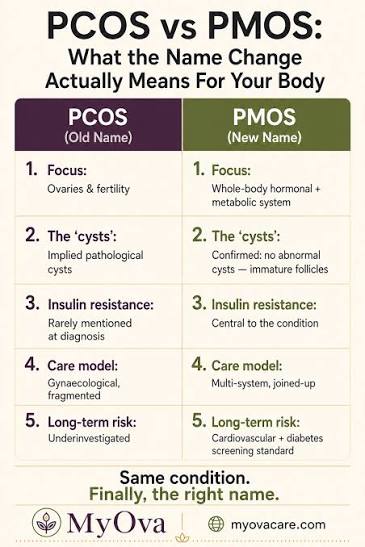
PCOS Has a New Name: What Women Should Know About PMOS
A condition millions of women know as PCOS is now being called Polyendocrine Metabolic Ovarian Syndrome, or PMOS. The new name does not mean your previous diagnosis was wrong—it is intended to better reflect what the condition actually does throughout the body.
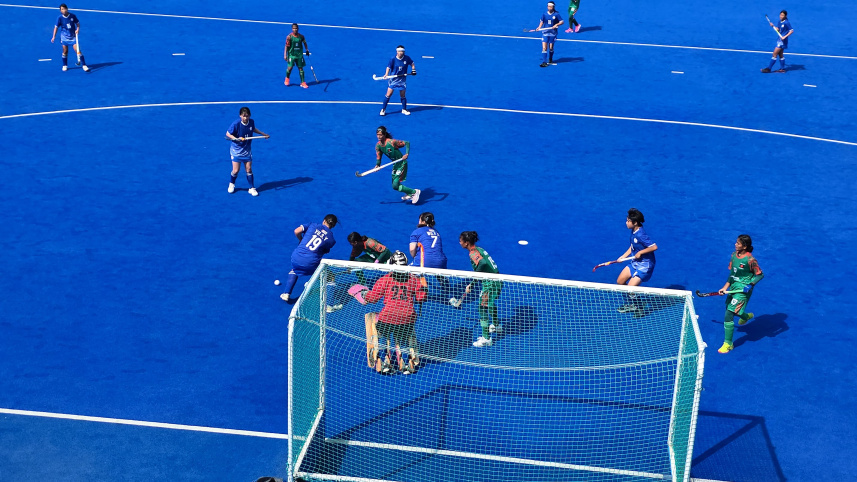
Seven Goals, One Statement: Bangladesh’s Young Women Open Junior Asia Cup in Style
Bangladesh’s U-20 women’s hockey team began its Junior Asia Cup campaign with a commanding 7–0 victory over Chinese Taipei. Beyond the scoreline, the result comes at an important moment for a sport trying to build a stronger pathway for Bangladeshi girls.

When Political Criticism Turns Gendered: Oli Ahmad’s Remarks on Rizwana Hasan Raise a Wider Question
A senior political leader’s derogatory remarks about Syeda Rizwana Hasan went beyond disagreement over politics, targeting her as a woman and questioning her religious beliefs. The episode points to a wider challenge facing women in Bangladesh’s public life.
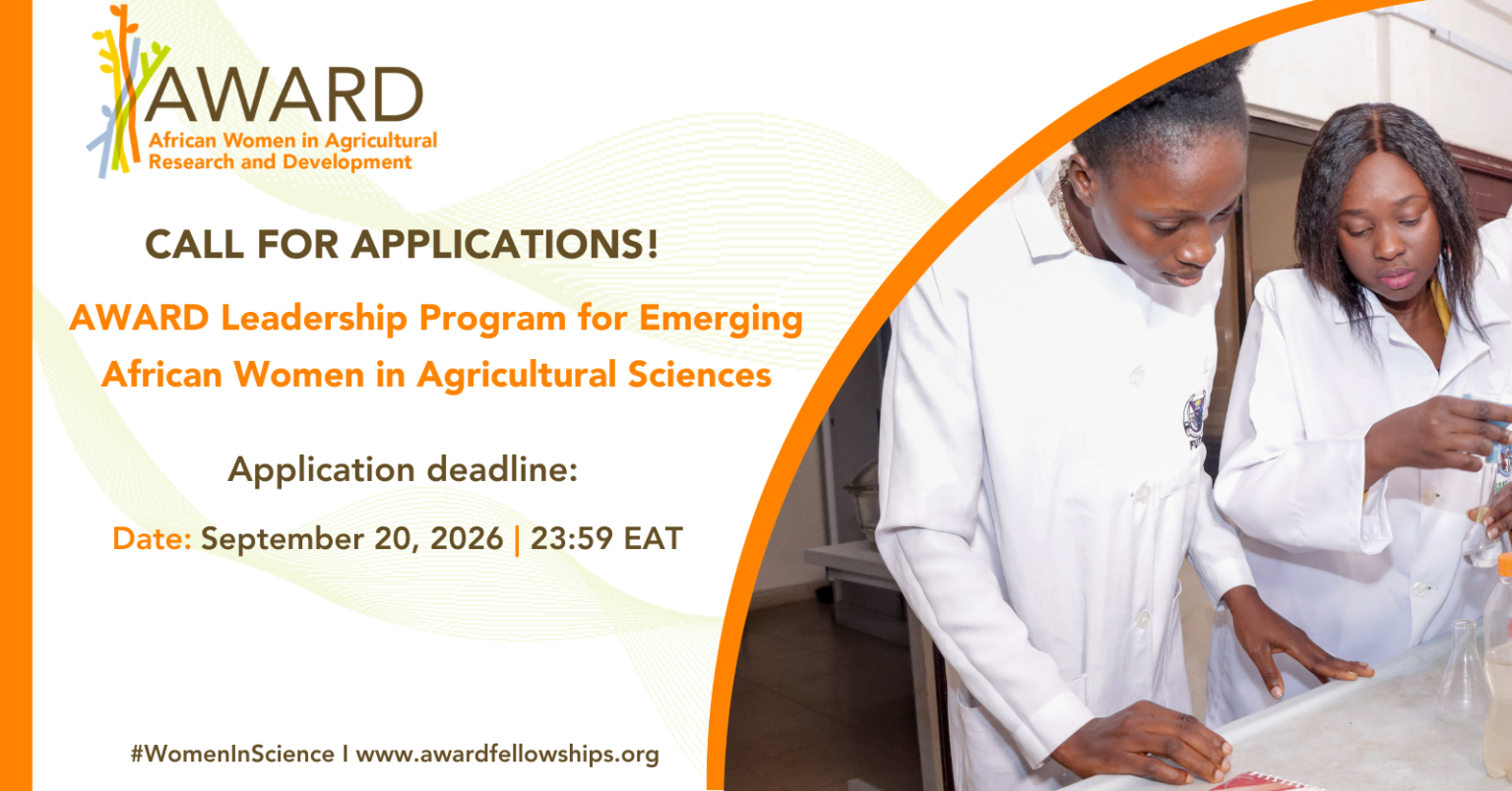
African Women in Agricultural Science Can Apply for a Nine-Month Leadership Programme
AWARD will select up to 40 women under 35 from 11 African countries for training and mentorship. The programme is free but provides no stipend, making the time and cost implications as important as the 20 September deadline.
Four US Women-Owned Businesses Can Apply for $45,000 Each
H&R Block’s Fund Her Future programme is offering four $45,000 grants plus a year of business services. The 22 September deadline is close, and the revenue, ownership, age and location rules should be checked before applicants invest time.
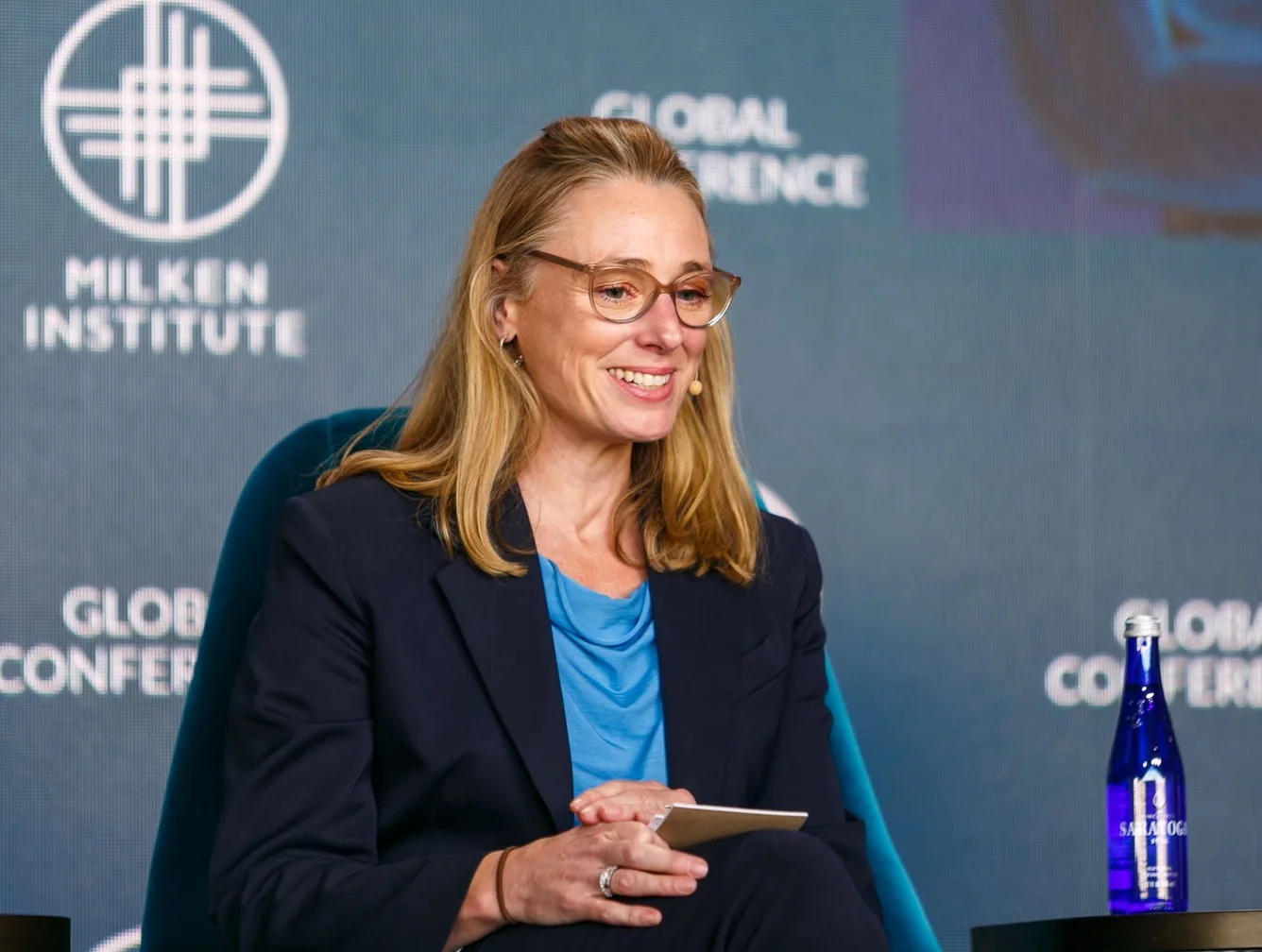
Emma Delaney Becomes OMV’s First Woman CEO—With an Energy Transition to Prove
Emma Delaney has taken over Austria’s OMV after more than three decades at BP. Her historic appointment breaks a leadership barrier, but the substantive measure will be capital allocation across fossil fuels, chemicals and lower-carbon businesses.
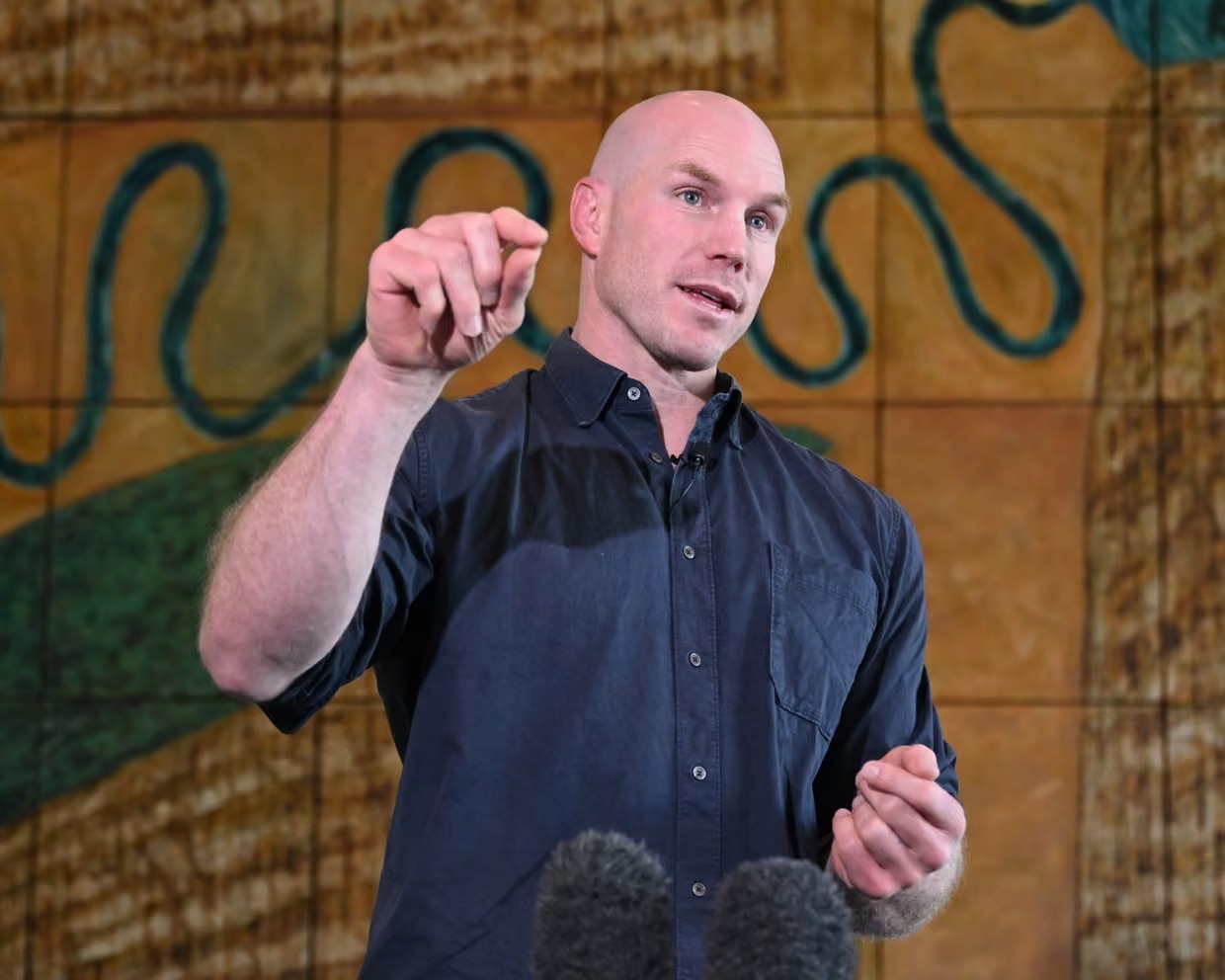
Melissa Donnelly Wants Workers Inside Australia’s AI Decisions
Australia’s new top union official says employees deserve a voice in how and when artificial intelligence enters their workplaces. Her position rejects both a managerial free-for-all and a blanket veto, placing negotiation at the centre of technological change.
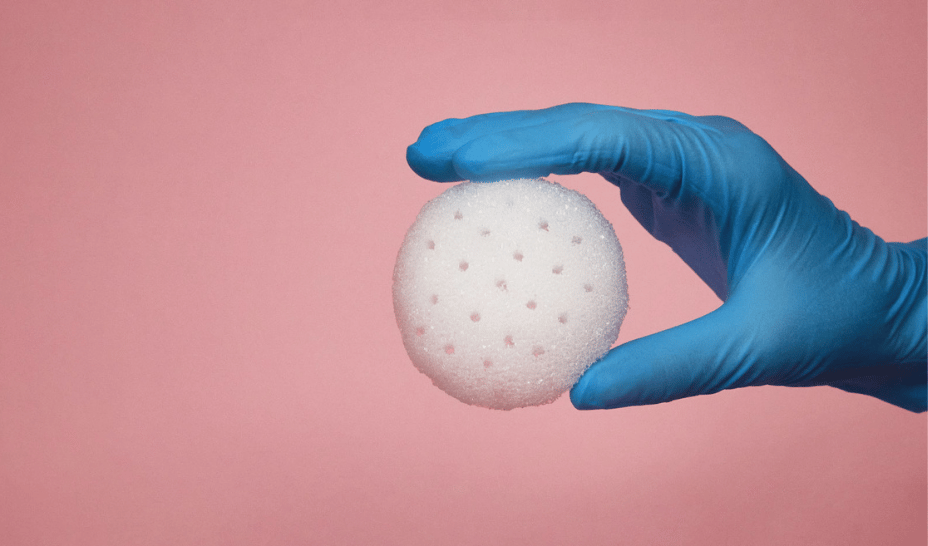
Tensive Secures €20 Million as New Data Supports Its Bioresorbable Breast Implant
The European Investment Bank is backing Tensive’s bioresorbable scaffold for breast reconstruction after lumpectomy. Clinical findings reported by the company and early peer-reviewed evidence offer encouraging signals on patient satisfaction, imaging and radiotherapy, although longer-term pivotal data and regulatory review are still required.
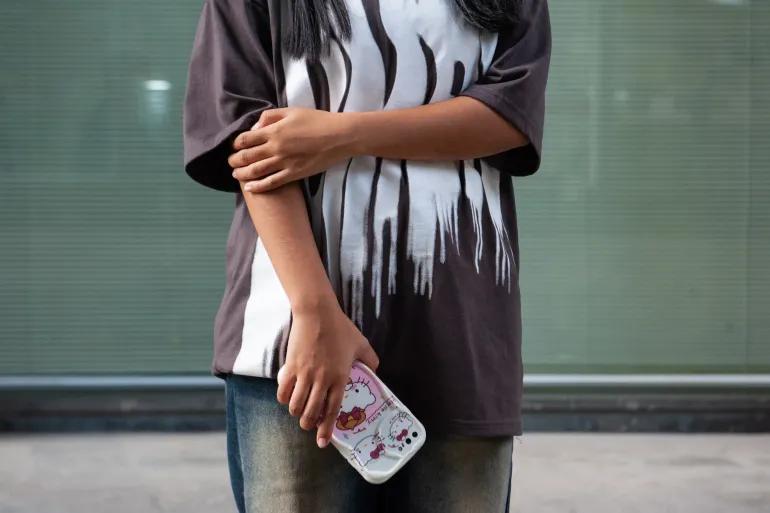
One in Five Connected Children Faced Tech-Facilitated Sexual Abuse
UNICEF estimates that 20 million internet-using children across 21 countries experienced technology-facilitated sexual exploitation or abuse in one year. Girls’ sexualisation and survivor stigma require specific action, but platforms must stop making children responsible for designing their own safety.

Mellody Hobson’s Museum Bet Puts Everyday Images Beside ‘High Art’
The Lucas Museum of Narrative Art opens in Los Angeles on 22 September with Mellody Hobson as co-founder and a collection spanning fine art, comics, film and civic imagery. Its democratic promise is compelling; its curatorial power still deserves scrutiny.
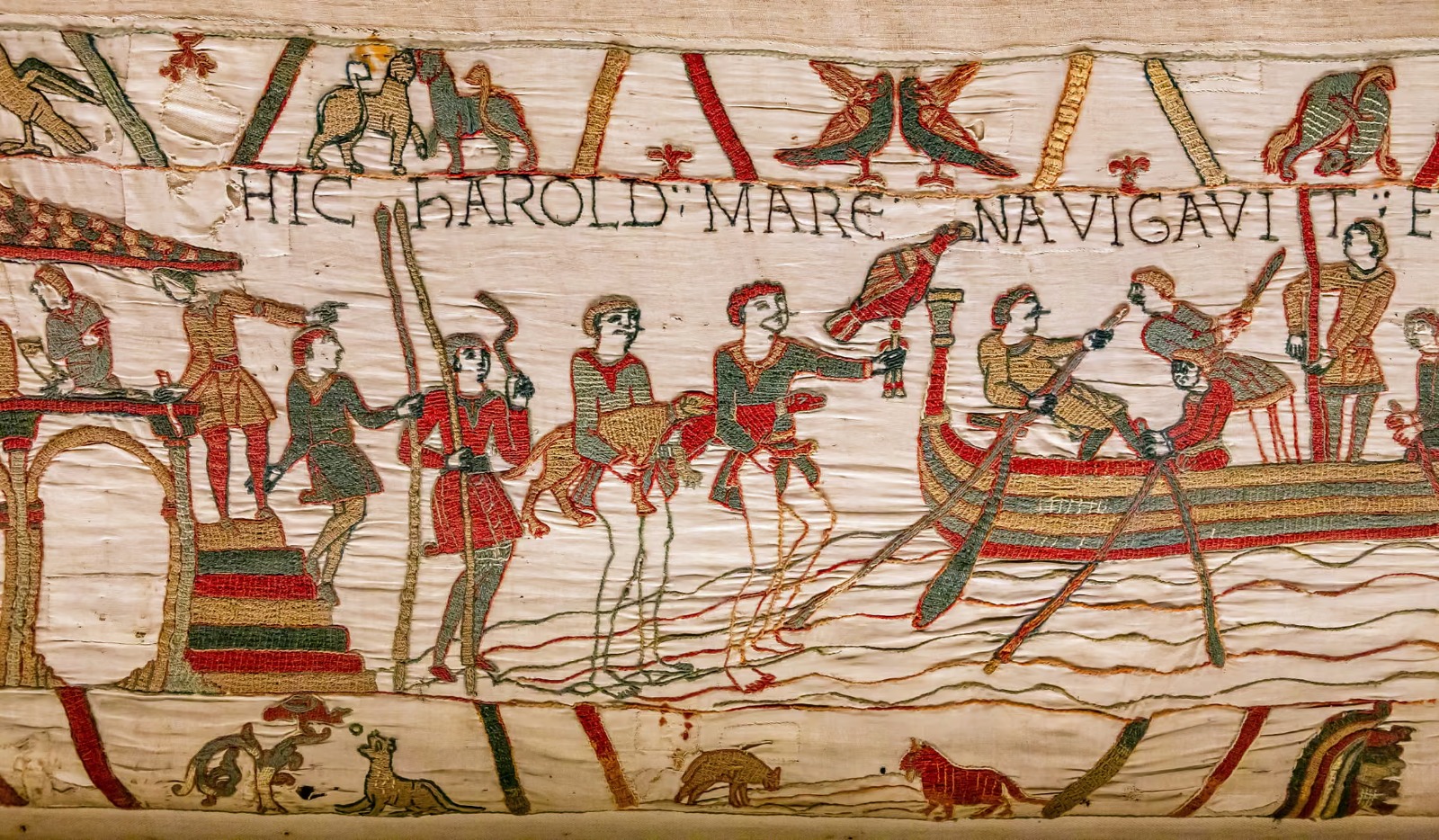
Emma Reyes Enters London’s Canon Without Surrendering Colombia
White Cube has opened the first UK solo presentation of Colombian artist Emma Reyes. The exhibition brings a self-taught woman’s six-decade practice into a major commercial space while asking who gets recognised internationally—and who controls the story after an artist’s death.
America Added 162,000 Jobs, but the Headline Conceals Where Women Work
US hiring rebounded in August and adult women’s unemployment stood at 3.5%. The sector data show gains in restaurants and local education alongside information-industry losses—making job quality and who received the work as important as the total.