
Search SheFront
Find stories by keyword, Year, Month, category, Region, Country, contributor, coverage or language.
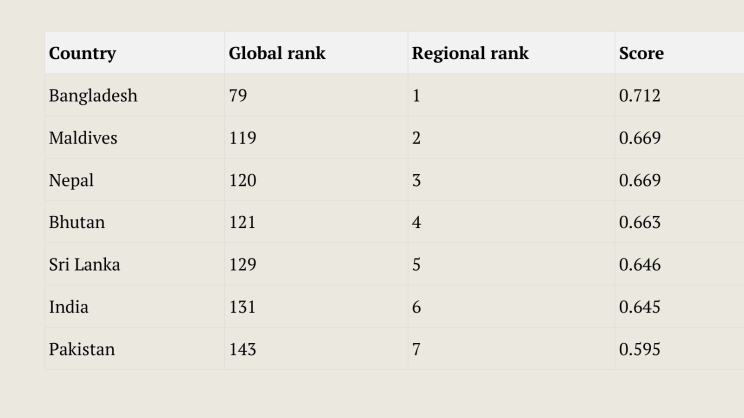
Bangladesh Fell 55 Places in the Global Gender Gap Ranking. What Changed for Women?
Bangladesh has dropped from 24th to 79th in the World Economic Forum’s Global Gender Gap Index in a single year. The headline is dramatic—but the data tell a more complicated story: women’s political representation has fallen sharply, economic participation remains weak, while education continues to move closer to parity.
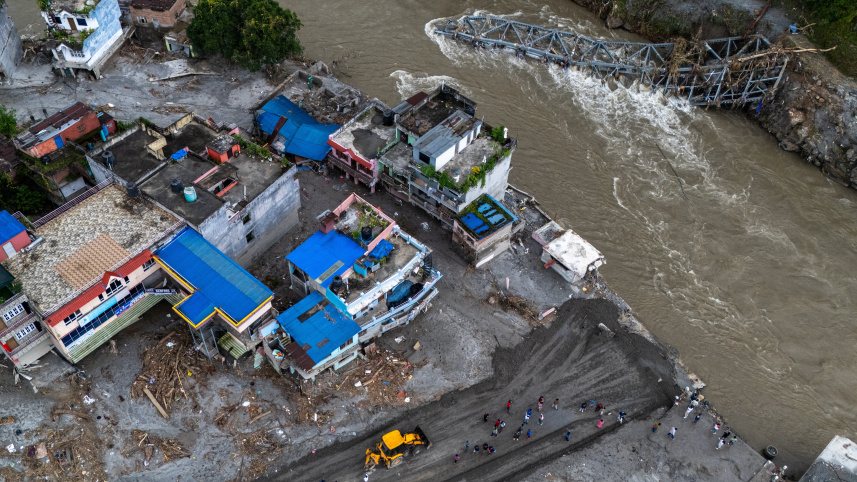
180 Days Later: Which Promises to Bangladesh’s Women and Girls Are Actually Being Delivered?
Six months into Bangladesh’s new government, a coalition of seven rights and development organisations says there has been progress on education, health and social protection—but significant gaps remain on child marriage, violence, healthcare costs, inclusive services and accountability.
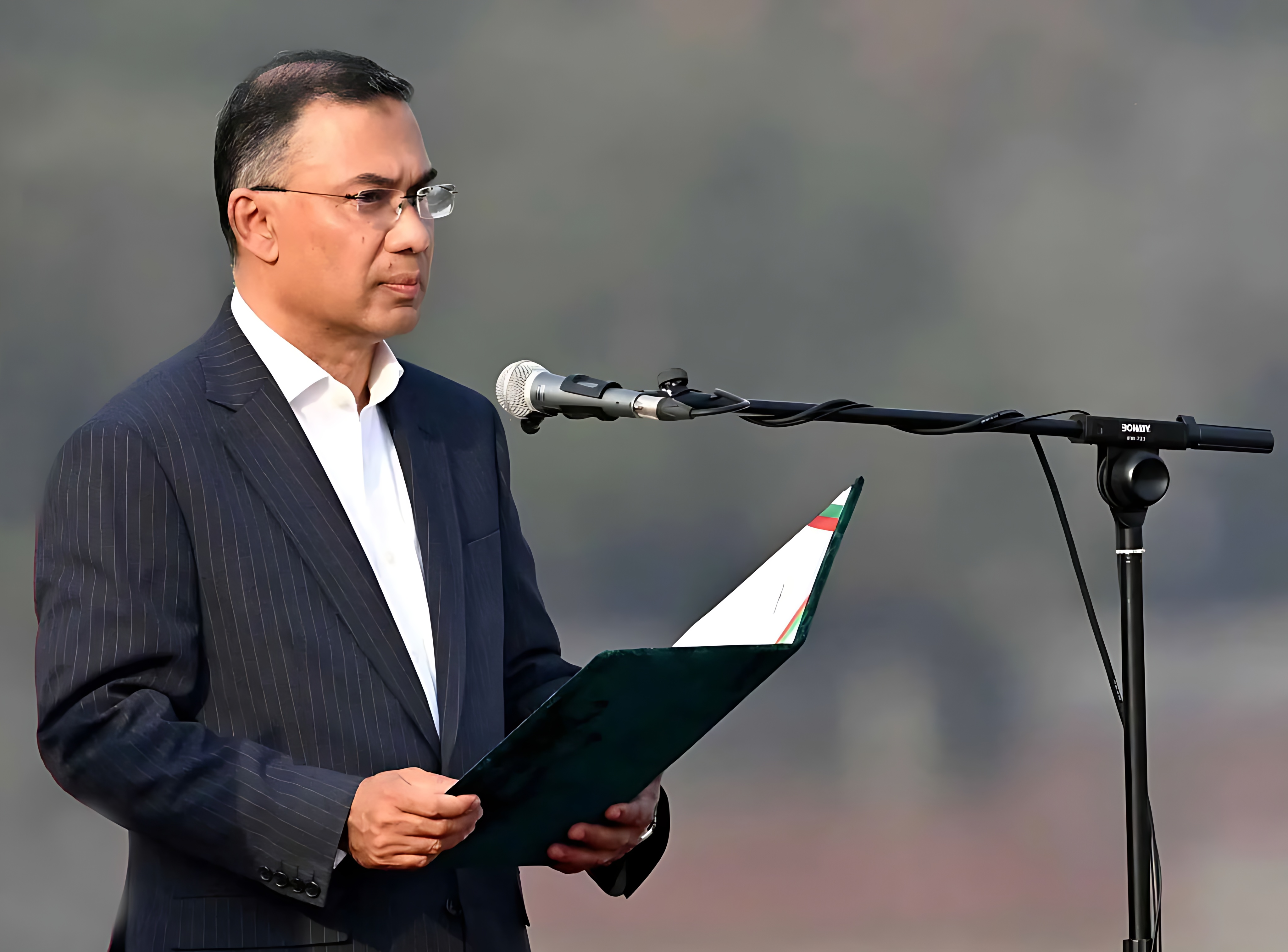
If a Woman Needs to Escape Abuse Tonight, Where Can She Go in Bangladesh?
Bangladesh has laws, helplines, crisis centres and shelters for women escaping violence. But rights advocates say the number of safe places remains far too small—and navigating the system can be difficult precisely when a woman needs help most.
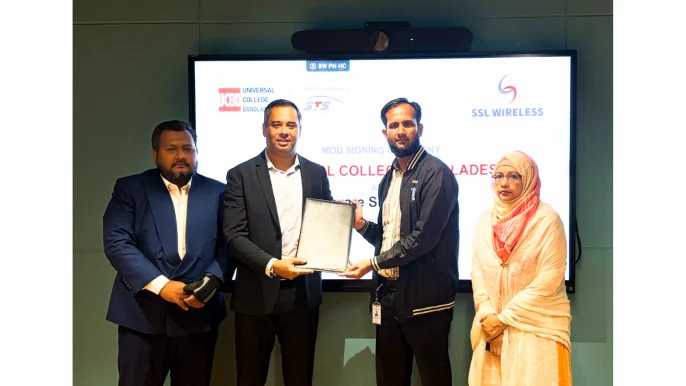
40 Women-Led Businesses Are Coming to One Dhaka Market This Saturday
Dhaka’s W.O.W Market returns on September 19 with around 40 women-led businesses under one roof—giving entrepreneurs something many small businesses struggle to secure: direct access to customers, visibility and new networks.
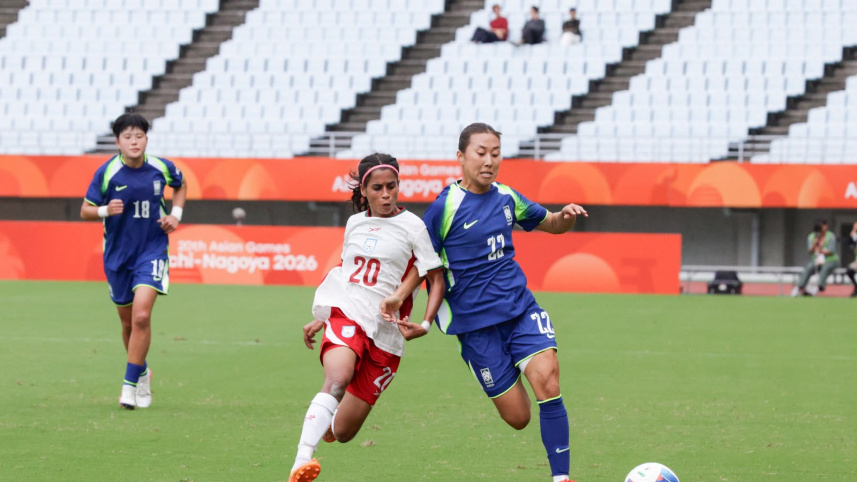
After 10–0, Bangladesh Improved Against South Korea. The Asian Gap Is Still Clear
Bangladesh reduced the damage from their record defeat to North Korea but still lost 6–0 to South Korea at the Asian Games. Two matches against continental heavyweights have exposed a bigger question: what must change for Bangladesh’s regional success to translate to the highest level in Asia?
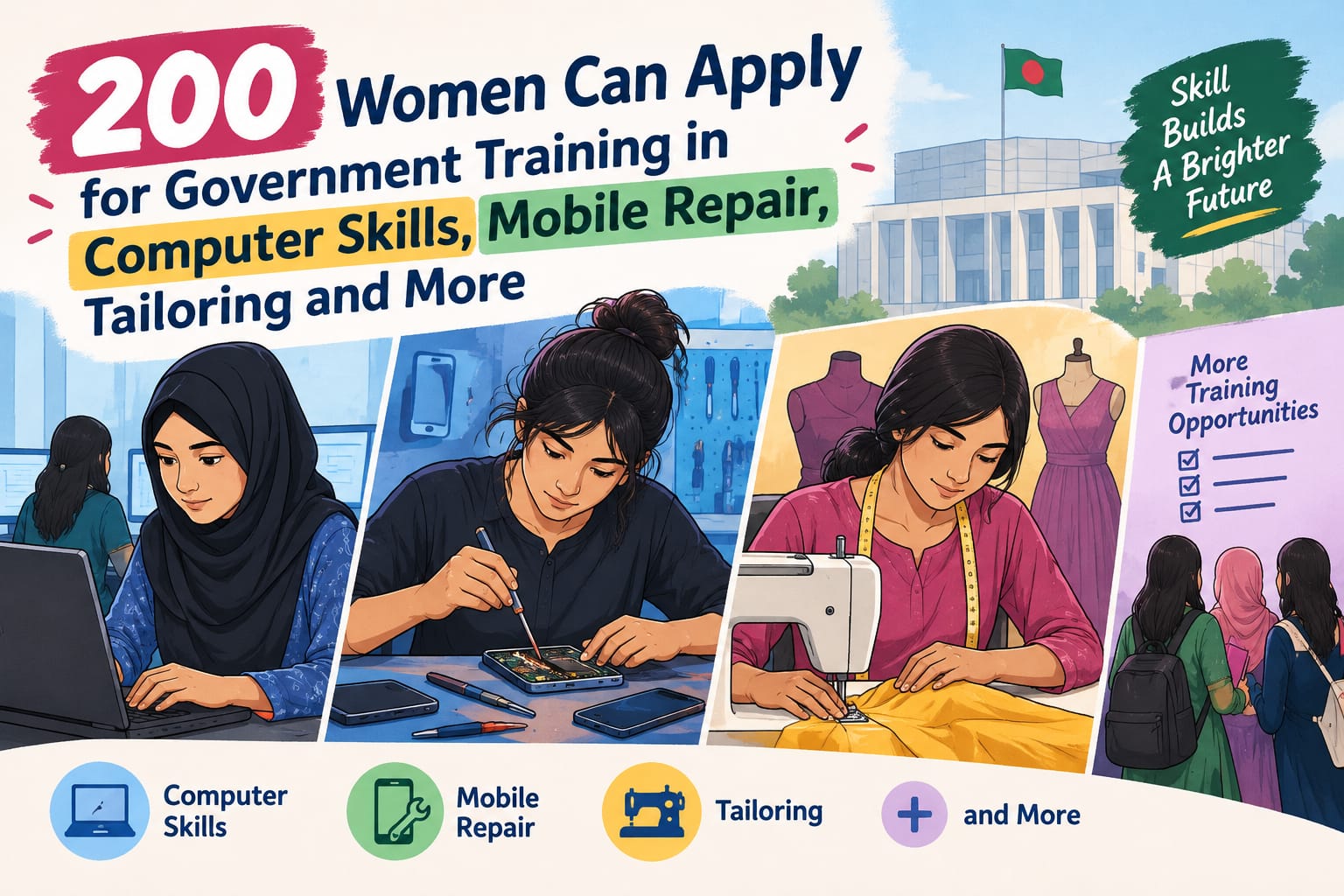
200 Women Can Apply for Government Training in Computer Skills, Mobile Repair, Tailoring and More
A current admission notice for the Women Training Academy in Jirani, Gazipur lists 200 places across five three-month vocational courses, including computer applications and mobile-phone servicing. Applications are scheduled to remain open until 30 September.
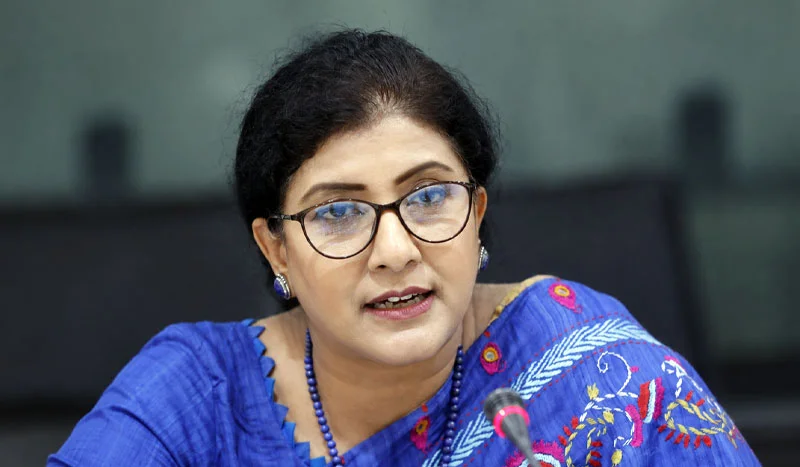
Nazneen Ahmed’s First Weeks at CPD Put Stability, Jobs and Women’s Access to Finance on the Same Agenda
Newly appointed CPD Executive Director Nazneen Ahmed is warning that Bangladesh’s apparent economic stability remains fragile. In fresh policy interventions, she is linking investment, employment and banking reform with a second problem: financial systems that still underserve women and new entrepreneurs.
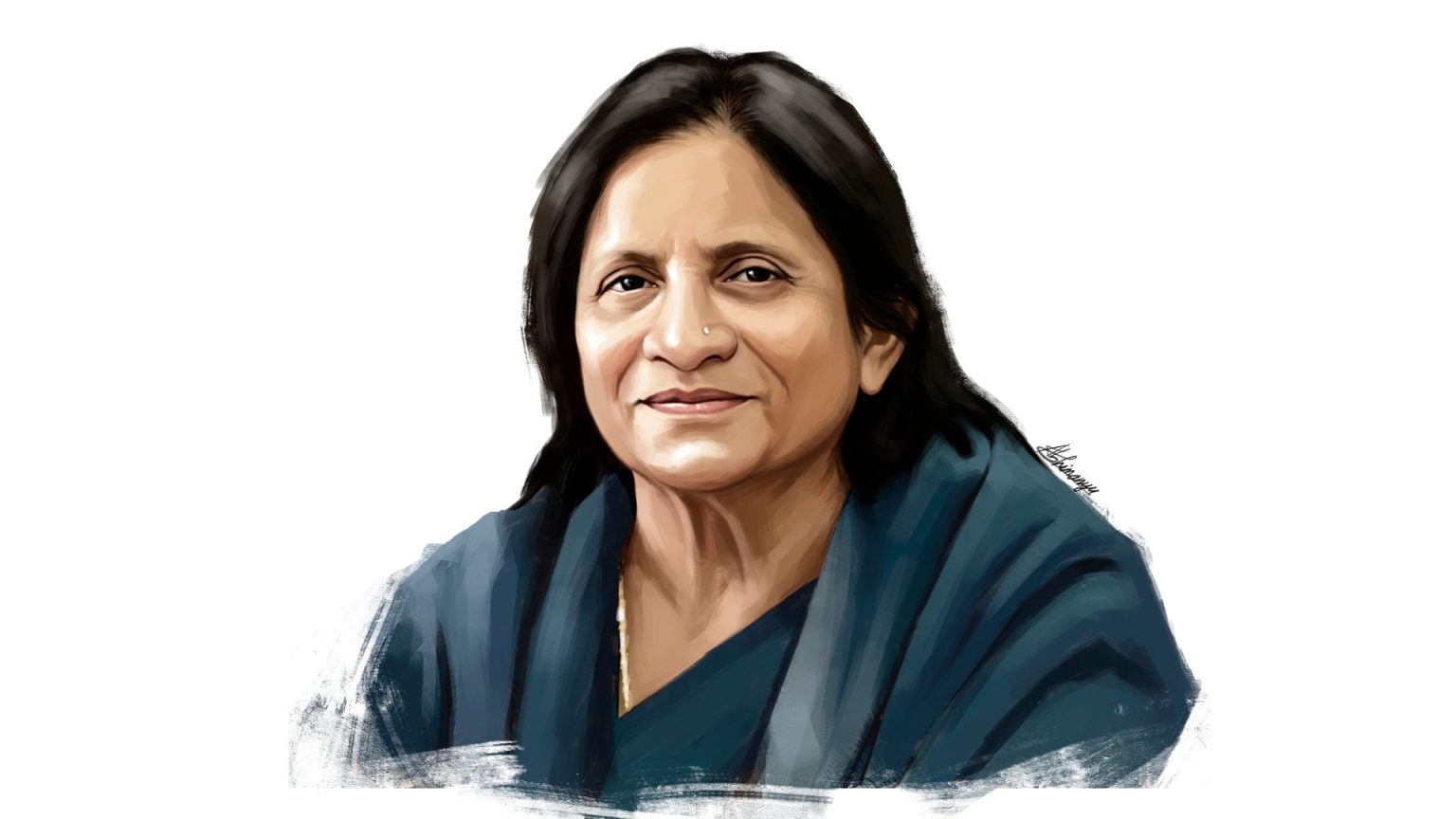
Shaheda Mustafiz Was Coding Before Bangladesh Had a Computer-Science Pipeline for Women
Bangladesh’s first woman programmer entered technology when computer science was barely available as a local academic path. Five decades later, her career in banking automation, software exports and women’s technology training offers a reminder: today’s startup ecosystem was built by people working before there was an ecosystem.
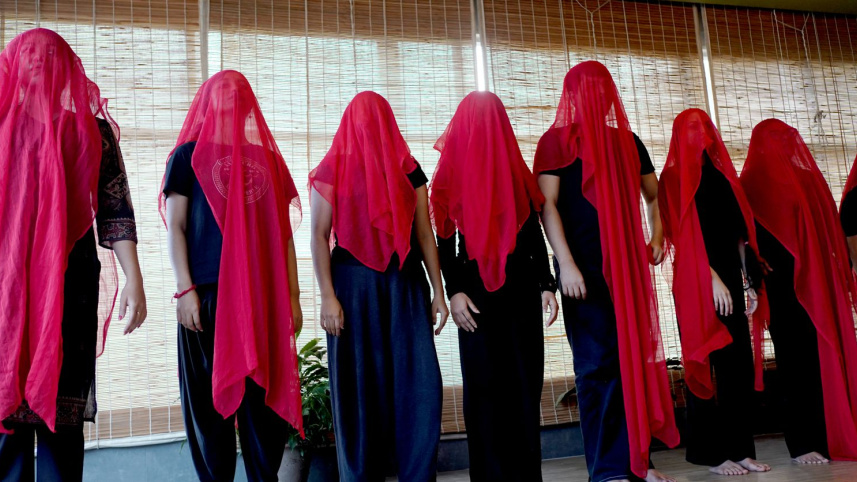
A Dhaka Dance Workshop Treats Women’s Bodies as Archives, Not Objects
A feminist dance-theatre workshop opening in Banani on Thursday will ask performers to explore how women carry memory, labour, faith, regulation, conflict and joy through the body. Its premise shifts the female body from something audiences look at to something that remembers and speaks.
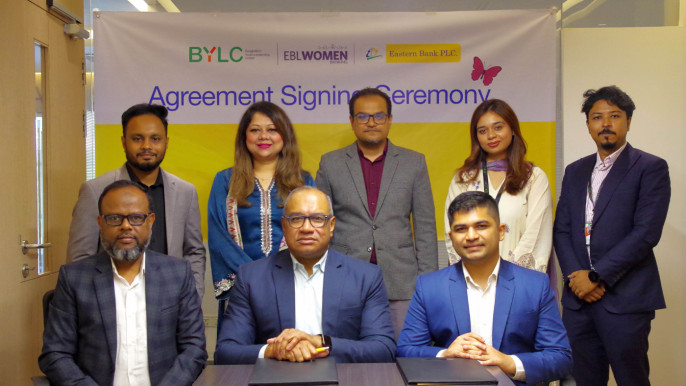
Joyee 2.0 Targets the Gap Between Running a Business and Being ‘Loan-Ready’
Eastern Bank and Bangladesh Youth Leadership Center are putting 40 women entrepreneurs through six months of financial management, mentorship and loan-readiness support. The important measure will be what happens after training: finance obtained, businesses formalised and revenue grown.
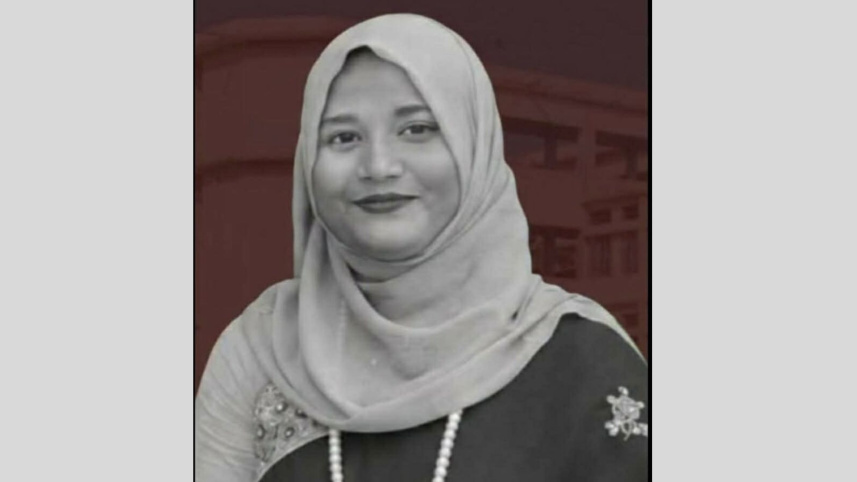
A 22-Year-Old Student Died of Dengue at Nine Months Pregnant. Bangladesh’s Surge Is Now a Maternal-Health Warning Too
Nur Jahan, a Cumilla college student who was nine months pregnant, died of dengue in Dhaka on Wednesday; her unborn child also died. Her death comes as Bangladesh records its highest daily dengue hospitalisations of 2026.
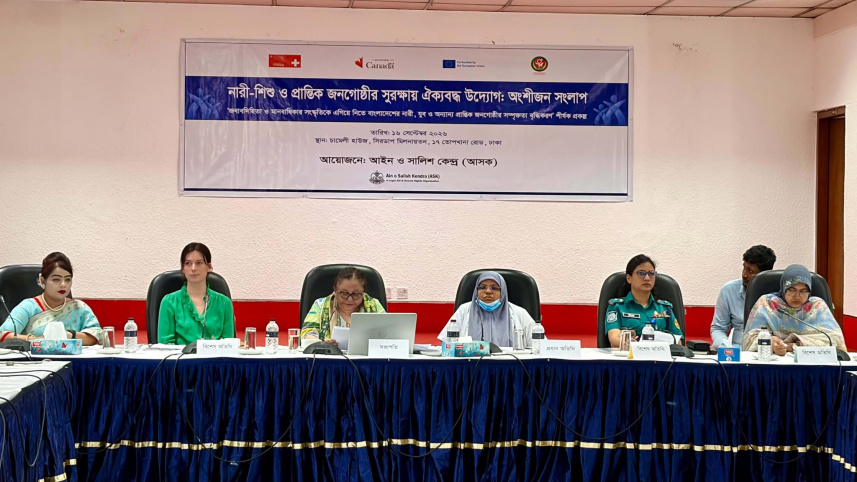
A Survivor Should Not Need a Map of Institutions to Find Safety
Bangladesh has laws, legal aid, police units, crisis centres and shelters for survivors of abuse. Yet a Dhaka dialogue heard that women and children are still being sent from one institution to another—and that shelter capacity remains severely inadequate.

A New Property Route Could Help Parents Give More to Daughters. It Does Not Make Inheritance Equal
Bangladesh’s newly passed property-transfer amendment lets parents give property to specified family members while retaining lifetime use of it. A legal scholar says the mechanism could help families address unequal outcomes for daughters—but it is a lifetime-gift route, not a reform of inheritance shares.
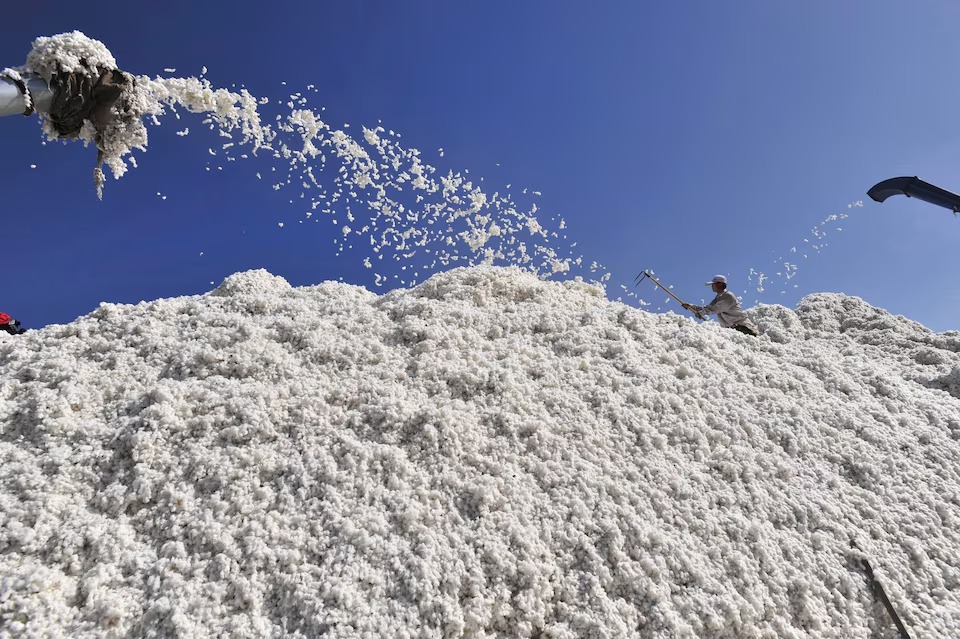
Europe’s Forced-Labour Guidance Needs Workers, Not Audits, at the Centre
New EU implementation guidance prepares companies and authorities for a 2027 ban on products made with forced labour. Human Rights Watch says the framework is a positive step but still needs stronger worker participation, remedy and transparency.

Women’s Monthly Heart-Rate Patterns Are a Research Clue, Not a Diagnosis
An analysis of long-term smartwatch records found multiday heart-rate rhythms in 70% of participants, with monthly patterns more common among women. The finding could guide future research, but it does not prove a menstrual cause or justify treatment based on a wearable graph.
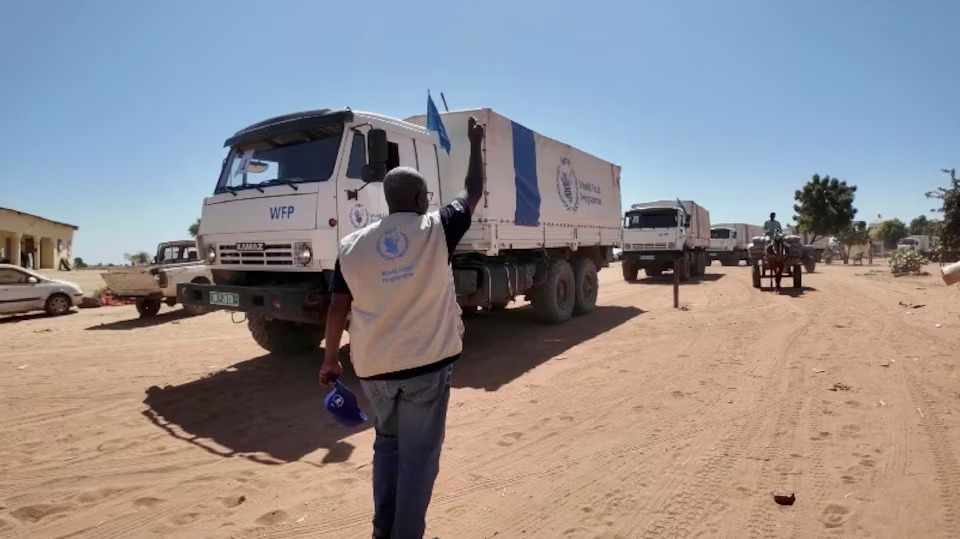
Sudan’s Food Lifeline Has Lost Two-Thirds of Its Funding
The World Food Programme says its Sudan budget has fallen from $645 million last year to about $206 million this year while nearly 20 million people face hunger. Women are absorbing the shortage through reduced meals, unsafe journeys and the collapse of care around pregnancy and displacement
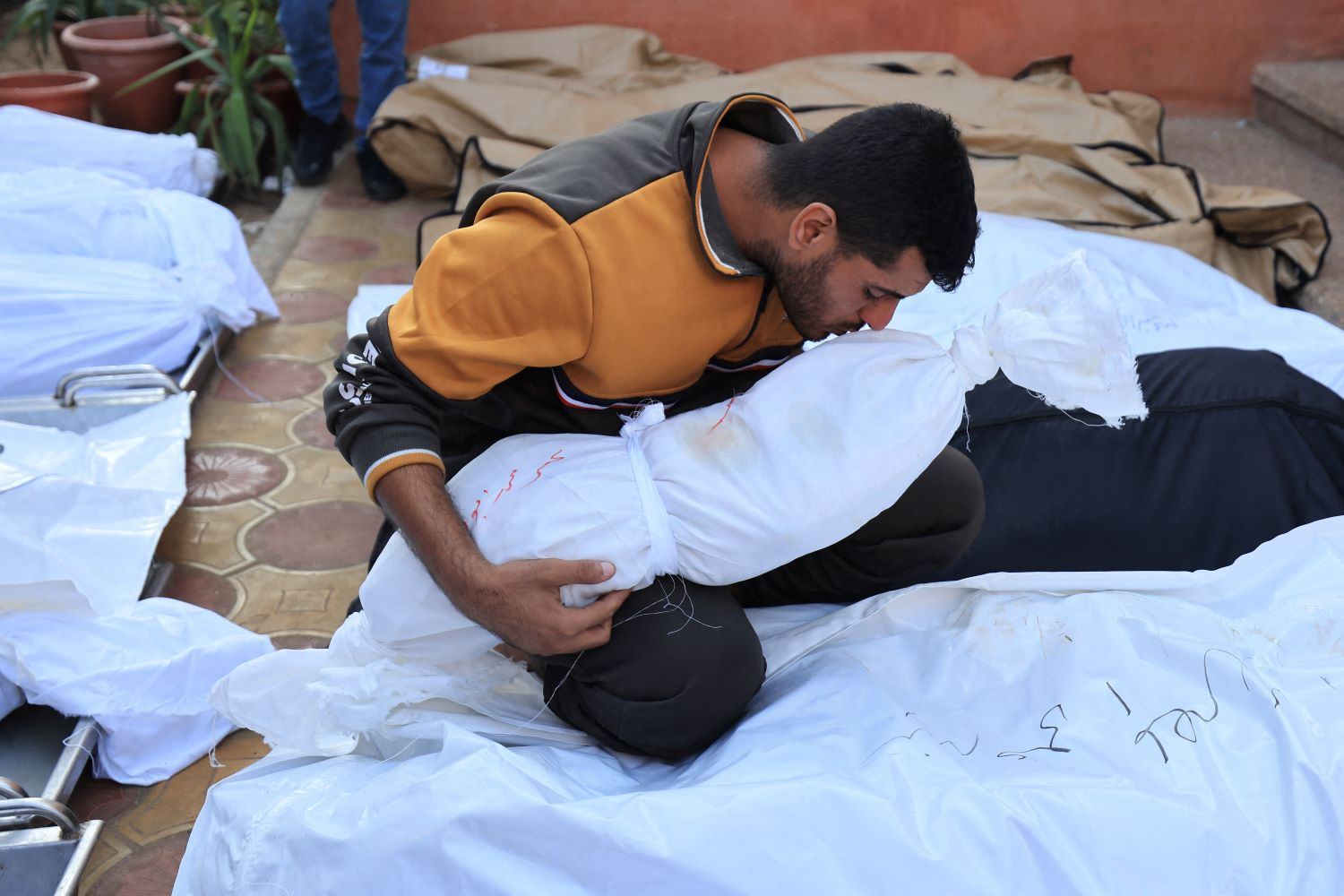
A Pregnant Woman’s Death Shows How Gaza’s Ceasefire Is Failing Civilians
Iman Shalouf and her unborn child died after she was shot inside her family’s tent in southern Gaza, according to Palestinian reporting. The case underlines that a ceasefire has little protective meaning when civilians, hospitals and water systems remain exposed to lethal harm.
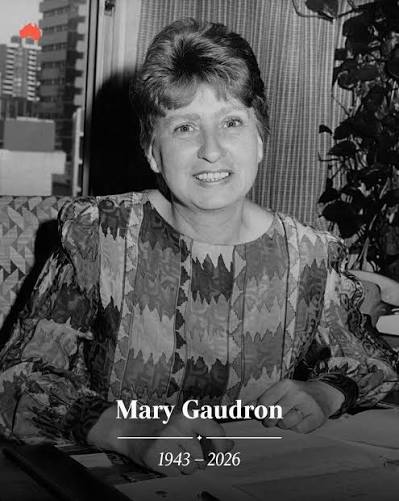
Mary Gaudron Changed Who Could Interpret Australia’s Constitution
Mary Gaudron, the first woman appointed to Australia’s High Court, has died aged 83. Her career linked a breakthrough for women in law with decisions on Indigenous land rights, discrimination and the dignity of work.
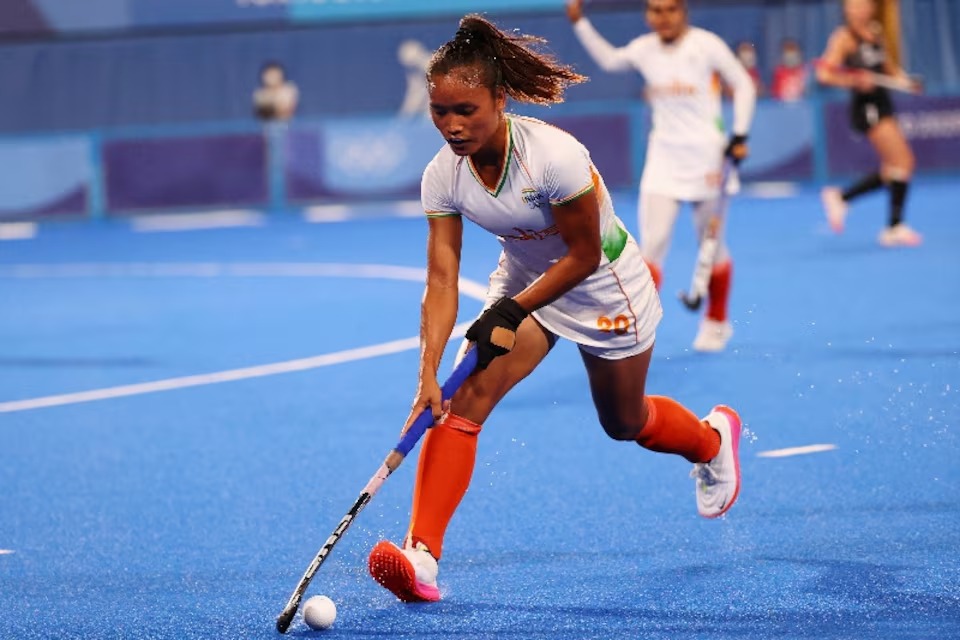
Lalremsiami’s Asian Games Ambition Begins With a Dirt Pitch in Mizoram
India forward Lalremsiami has turned a barefoot childhood route into an international hockey career and a bid for Asian Games gold. Her longer goal—building facilities for girls in Mizoram—shows why a sporting breakthrough matters most when it widens the path behind it.

Bangladeshi Women Founders Have Two Days Left to Compete for Tara’s Circle’s €100,000 Award Pool
Tara’s Circle 2026 is open worldwide to women founders and co-founders leading seed-stage or MVP-stage impact ventures. Fifteen projects will share €100,000 across health, technology, sustainability, social innovation and creative industries. Applications close 17 September at 12:00 CEST.

Nigar Sultana Joty Wants to Leave T20I Captaincy. Stepping Back Can Be a Leadership Decision Too
Bangladesh captain Nigar Sultana Joty has told the BCB she wants to give up T20I leadership after the Asian Games while remaining ODI captain, saying she wants greater focus on her batting. The board has not yet accepted the request. Leadership is not only knowing when to take responsibility—it can also mean deciding when a role should change.
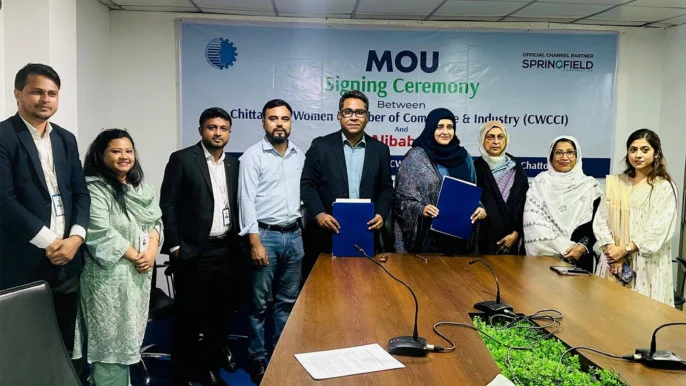
Women Entrepreneurs in Chattogram Get a Route Into Alibaba’s Global Marketplace. Listing Products Is Only the Beginning
Chittagong Women Chamber and Springfield Corporation, Alibaba.com’s Bangladesh channel partner, have signed an agreement to connect women entrepreneurs with international buyers and digital-export tools. The opportunity is real—but exporting requires logistics, compliance, pricing and buyer trust beyond simply opening an online account.

Swagata’s Career Makes a Case Against Telling Women Artists to Pick One Lane
Zinat Sanu Swagata has worked across acting, music, modelling and presenting since childhood. A piece of advice from Abdullah Al Mamun helped shape that path: becoming an actor did not mean abandoning directing or music. Her career shows why women’s creative identities do not have to fit one label.

Swagata’s Career Makes a Case Against Telling Women Artists to Pick One Lane
Zinat Sanu Swagata has worked across acting, music, modelling and presenting since childhood. A piece of advice from Abdullah Al Mamun helped shape that path: becoming an actor did not mean abandoning directing or music. Her career shows why women’s creative identities do not have to fit one label.