

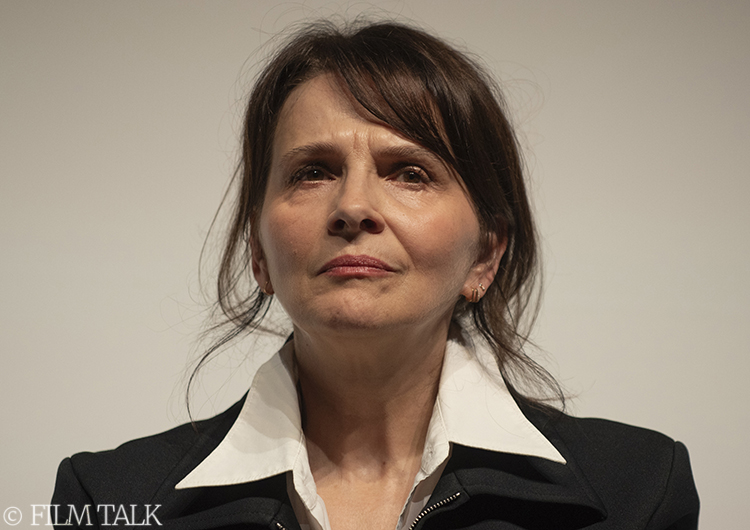
LONDON — UN Special Rapporteur Francesca Albanese has welcomed Britain’s planned restriction on trade with Israeli settlements in the occupied Palestinian territory, while warning that a goods-only measure would fall short of the broader change she believes international law requires.
In an interview published on 7 September, Albanese described the proposal as an important first step. She urged the British government to examine services, arms licensing, intelligence relationships and corporate involvement as well as physical products. She also called for action over the E1 settlement plan, which critics say would further fragment the occupied West Bank.
Albanese is an independent expert appointed by the UN Human Rights Council, not a spokesperson for the UN as a whole. Her statements should be reported as her legal and policy assessment. Israel has repeatedly rejected her conclusions and says international criticism often discounts its security concerns.
The immediate political context is a promised British policy reset. Foreign Secretary Ed Miliband said on 1 September that the government would announce a comprehensive response to Israeli settlement expansion. The details, including scope, enforcement and timing, will determine whether the measure affects meaningful commerce.
The legal backdrop is the International Court of Justice’s July 2024 advisory opinion. The court concluded that Israel’s continued presence in the occupied Palestinian territory is unlawful and said states should not recognize or assist that situation. Advisory opinions are authoritative interpretations but are not judgments ordering a specific state to impose a particular trade regime.
That distinction matters. A settlement ban can be grounded in a duty not to support unlawful territorial change, but implementation still requires definitions, customs codes, supply-chain checks and due process. Services and finance are harder to trace than labelled goods. Companies also need clear guidance on beneficial ownership and activities connected to settlements.
For SheFront readers, Albanese’s voice is significant beyond the diplomatic dispute. Women in Gaza and the West Bank face displacement, care burdens, disrupted maternal services and violence, yet major policy debates often reduce them to statistics. Legal accountability must be connected to the conditions in which families obtain water, healthcare and safety.
Britain’s announcement has altered the direction of debate. Albanese’s challenge is whether officials will measure success by the existence of a ban or by the economic relationships it actually changes.

Join the discussion