
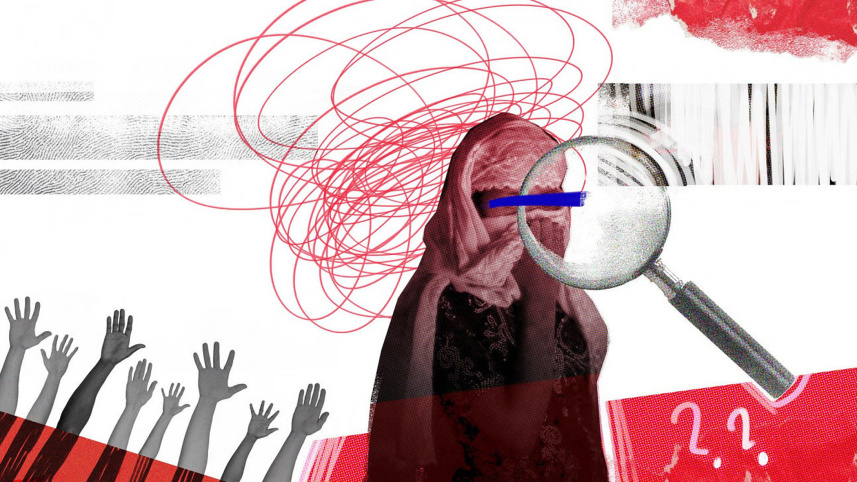
Bangladesh’s conversations about women’s safety often begin with instructions for women.
Do not travel alone. Avoid certain places. Dress carefully. Come home earlier. Share your location. Stay alert.
But these instructions leave an obvious question unanswered: why is the burden of preventing male violence so often placed on potential victims?
A commentary published by The Daily Star on 25 August argues that men need to become far more active participants in preventing violence against women and girls. The argument comes amid continuing concern over gender-based violence in Bangladesh. Police Headquarters recorded 21,939 cases involving violence against women and children in 2025, including 7,068 rape allegations, according to figures cited in the article.
Reported cases represent only part of the problem. Survivors may remain silent because of stigma, fear of retaliation, financial dependence, concerns about family reputation or a lack of confidence that institutions will protect them.
Changing that reality requires law enforcement and functioning courts, but it also requires intervention much earlier.
Children learn ideas about masculinity, authority and gender from the adults and media around them. When boys repeatedly see women being controlled or humiliated, such behaviour can become normalised. Schools and families therefore have an important role in teaching consent, boundaries and respectful relationships before harmful attitudes become entrenched.
Men also have influence in spaces where women may not be present.
A sexist joke among friends, harassment discussed approvingly in a workplace, or a colleague boasting about controlling his wife may seem small compared with physical violence. Yet silence can reinforce the idea that such behaviour is socially acceptable.
Men can challenge those conversations.
They can intervene when they witness harassment, support survivors rather than question their behaviour, and teach younger boys that strength does not mean domination.
Bangladesh also needs safer public transport, workplaces, streets and educational institutions, alongside stronger implementation of laws protecting women and children.
Women have spent decades speaking about violence.
The next stage requires more men to listen—and then to speak to one another.
Ending gender-based violence should not depend on women becoming better at avoiding danger. It should depend on society becoming better at preventing men from creating that danger in the first place.
Source credit: The Daily Star, 25 August 2026.
Read the source




Join the discussion