

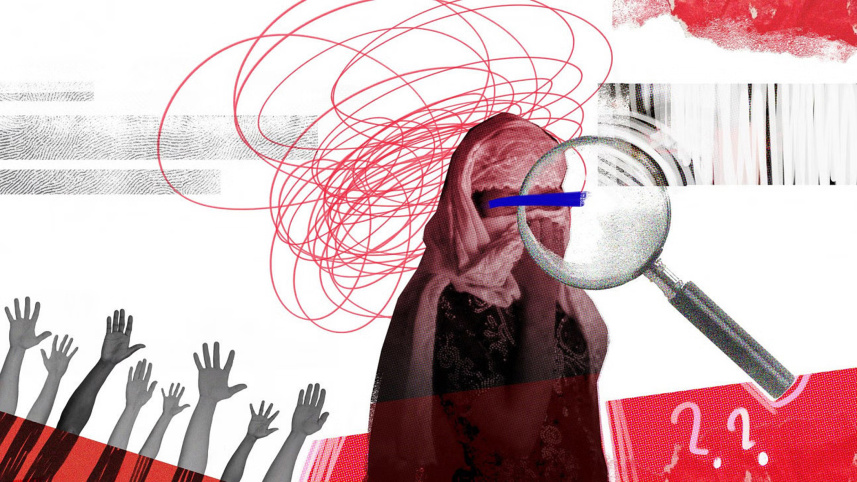
SOWETO, South Africa — Young mothers in Soweto have described motherhood as a continuing process of emotional, economic and personal adjustment—not an identity acquired automatically at childbirth.
A qualitative study published on 31 August in Frontiers in Global Women’s Health followed women participating in the Bukhali health trial between 2023 and 2025.
The broader interview cohort included 60 Black African women aged 22 to 34. Most were single, 51 were already mothers at their first interview, 22 were employed and 46 relied on government grants.
Participation declined over successive interview rounds, leaving 41 women in the fourth wave. Researchers examined 16 cases in depth and used four women’s accounts to illustrate common patterns.
The participants described affection and pride alongside exhaustion, isolation and financial strain. Some spoke about giving up or postponing education, employment and personal plans to meet their children’s needs.
Their testimony challenges two incomplete portrayals of motherhood: the idealised version in which care produces only fulfilment, and the crisis narrative in which low-income mothers are presented primarily through hardship.
The study instead found continual negotiation. Women were learning how to care for children while reconsidering relationships, ambitions and their own understanding of adulthood.
Social support made a substantial difference. Partners, relatives and friends could provide money, childcare or emotional reassurance, but that assistance was not equally available or consistently reliable.
Participants valued health information and clinical access offered through the Bukhali trial. However, none identified support specifically designed to help them navigate the psychological and social transition into motherhood.
That gap matters because maternal services commonly concentrate on measurable physical outcomes: antenatal attendance, delivery, vaccination and infant growth. Those are essential, but they do not capture whether a mother has time to rest, someone she trusts, a route back to employment or space to discuss regret and uncertainty without being judged.
The findings are qualitative and drawn from one urban setting. They cannot establish the prevalence of particular experiences across South Africa, and women remaining in a longitudinal study may differ from those who leave.
Their accounts nevertheless provide evidence that maternal care should not stop at clinical recovery. Peer groups, social-work referrals, childcare information, mental-health services and education or employment pathways can help women retain a life beyond immediate survival.
Motherhood may involve sacrifice, but services should not assume that a woman’s previous identity and ambitions have ceased to matter.
Supporting children means supporting the people caring for them—including the unfinished, changing person each mother remains.


Join the discussion