
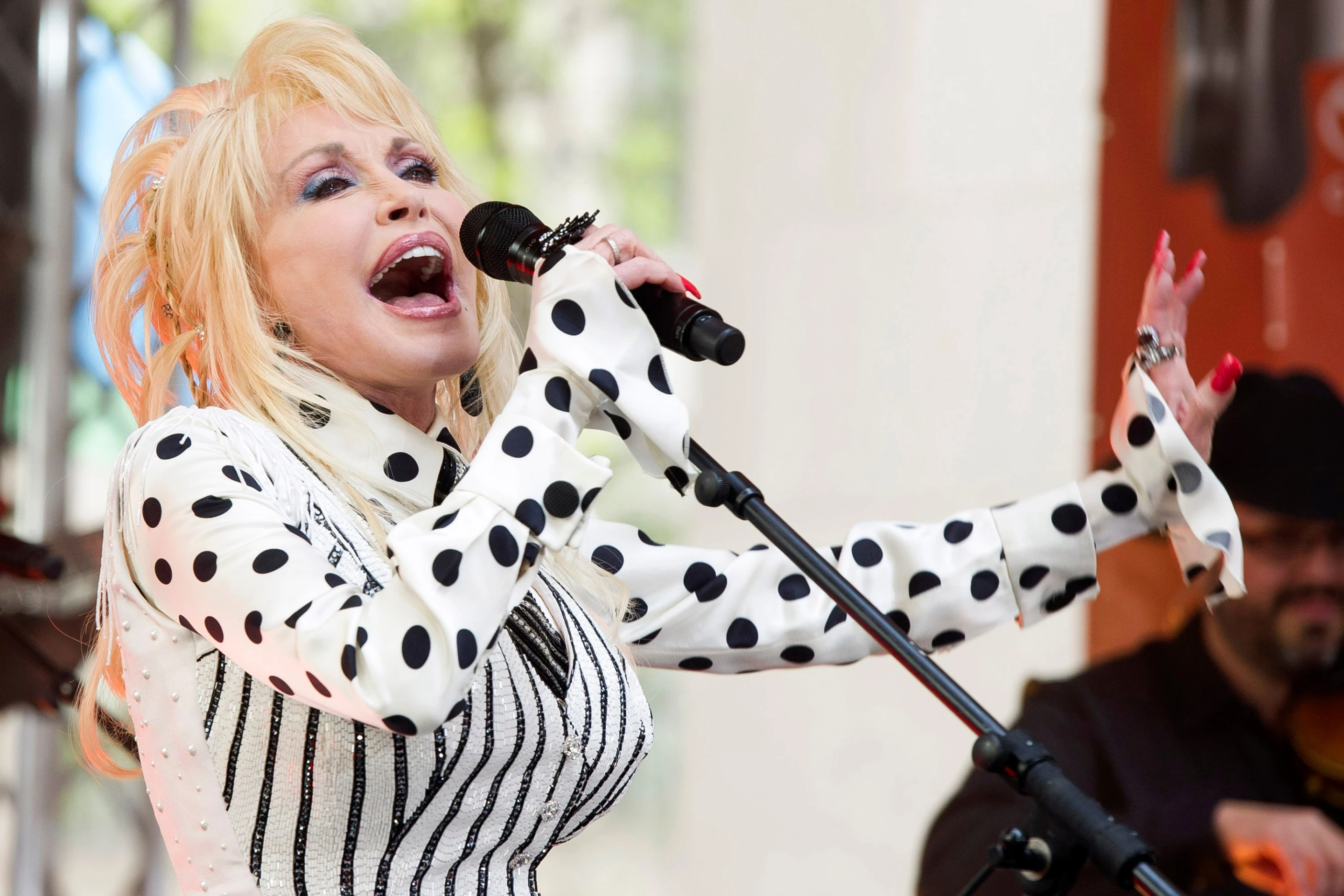
NASHVILLE, Tennessee — Dolly Parton’s death at 80 has prompted tributes to her voice, humour and business career. Another part of her legacy lies in the women whose experiences she made audible.
Parton died on 25 August, according to her representatives. Over six decades, she wrote nearly 3,000 songs, sold more than 100 million records and became one of country music’s most influential performers.
She often avoided defining herself through political labels. Her songs nevertheless addressed problems central to women’s equality: unequal standards for sexual behaviour, economic dependence, workplace harassment, motherhood, romantic control and the desire to leave relationships that had become intolerable.
That perspective emerged from observation rather than manifesto. Parton grew up in a large, low-income family in rural Tennessee and wrote with unusual attention to people whose labour and disappointments popular culture treated as ordinary.
“9 to 5,” written for the 1980 film in which she starred, became an enduring account of clerical workers confronting a workplace that expected loyalty while denying authority and advancement. The song’s continuing relevance reflects how many women still experience low pay, limited promotion and demands to perform emotional as well as administrative labour.
Other compositions examined the different moral standards applied to men and women or treated a woman’s decision to leave as an act of self-preservation. Reporting should discuss those themes without reproducing copyrighted lyrics.
Parton’s public image complicated conventional expectations. She deliberately exaggerated glamour while retaining control over songwriting, publishing and business decisions. Humour allowed her to acknowledge sexist assumptions without surrendering authority to them.
Her philanthropy expanded that influence. The Imagination Library has distributed books to young children in several countries, while her charitable work also supported disaster recovery, education and medical research.
Celebrity philanthropy should not substitute for adequately funded public institutions. Still, Parton built programmes with measurable reach rather than attaching her name only to ceremonial campaigns.
Her death also demonstrates why women’s cultural voices should not be assessed solely through explicit declarations of ideology. A song can carry political meaning because it recognises an experience that listeners have been told is private or unimportant.
Parton’s work did that repeatedly. She gave women room to be funny, angry, ambitious, vulnerable and economically aware within a genre that did not always grant them equal power.
Her legacy belongs partly to those listeners: workers who heard their offices, wives who recognised a double standard and girls who discovered that femininity and business judgment were not opposites.




Join the discussion