
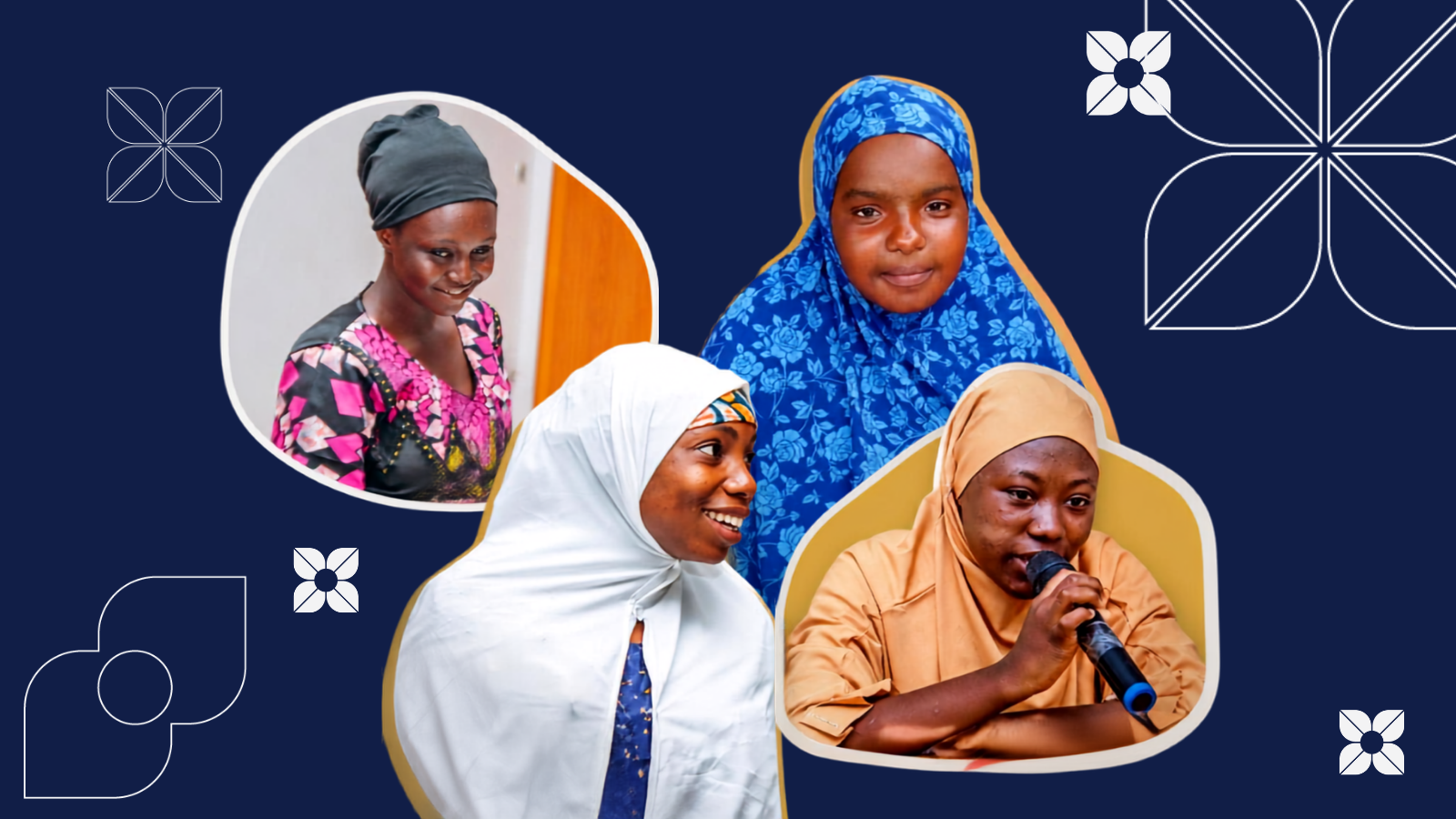
KANO, Nigeria — Girls who married or became mothers during adolescence are pressing for a route back into education in northern Nigeria, challenging the assumption that marriage permanently ends a girl’s place in the classroom.
In a first-person account published by Malala Fund on 27 August, Kiki James and Hassana Shuaibu of ACE Charity recalled a community leader telling them to “forget” girls who had married during the COVID-19 school closures. The remark helped shape their work with married adolescents and adolescent mothers in Kano and Adamawa states.
The authors say these girls are frequently reclassified socially as adult women, even when they remain children under national and international standards. That shift can make them disappear from education data and programmes designed for out-of-school girls.
Malala Fund’s account says 34% of Nigerian girls marry before 18, with rates reaching approximately 50% in the northeast and northwest. Child marriage is associated with interrupted education, economic dependence and increased exposure to early pregnancy and violence, although individual girls’ circumstances differ.
The central evidence is what girls themselves say. Research presented during Kano State’s June launch of school re-entry guidelines found that 99% of married adolescents surveyed wanted to return to education. Respondents identified financial hardship, childcare, transport costs, domestic labour and stigma as leading obstacles.
Nigeria has national guidelines intended to facilitate the return of pregnant and married adolescent girls to school. Kano has now adopted its own evidence-based framework, developed with technical support from ACE Charity and funding from Malala Fund.
A written policy, however, cannot reopen classrooms by itself. Schools need trained staff, confidential enrolment procedures and protection against discrimination. Young mothers may also need childcare, flexible schedules, accelerated learning and financial assistance.
Reporting should avoid portraying marriage or motherhood as a personal failure. Many girls marry under family pressure, economic hardship or social expectations over which they have little control.
Their testimony changes the policy question. Governments are no longer being asked whether married girls want another chance. The evidence suggests that many do. The question is whether education systems are prepared to recognise their ambition and remove the barriers standing in its way.



Join the discussion