
Search SheFront
Find stories by keyword, Year, Month, category, Region, Country, contributor, coverage or language.
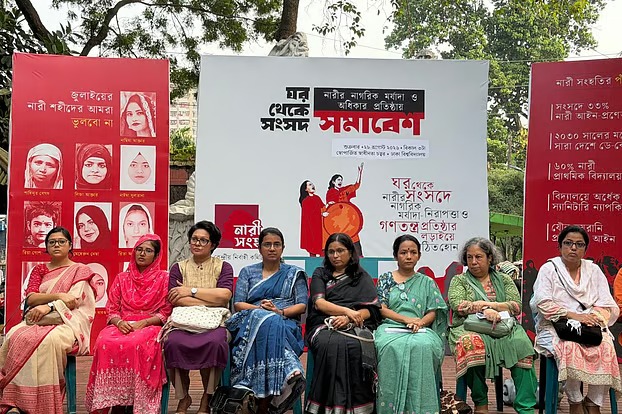
From Parliament to Daycare: Women’s Group Sets Out Five Demands for a More Equal Bangladesh
Women’s rights organisation Nari Samhati has presented a five-point agenda calling for 33% women lawmakers, nationwide daycare expansion, restored recruitment of women primary teachers, affordable menstrual products in schools and swift passage of sexual-harassment legislation.
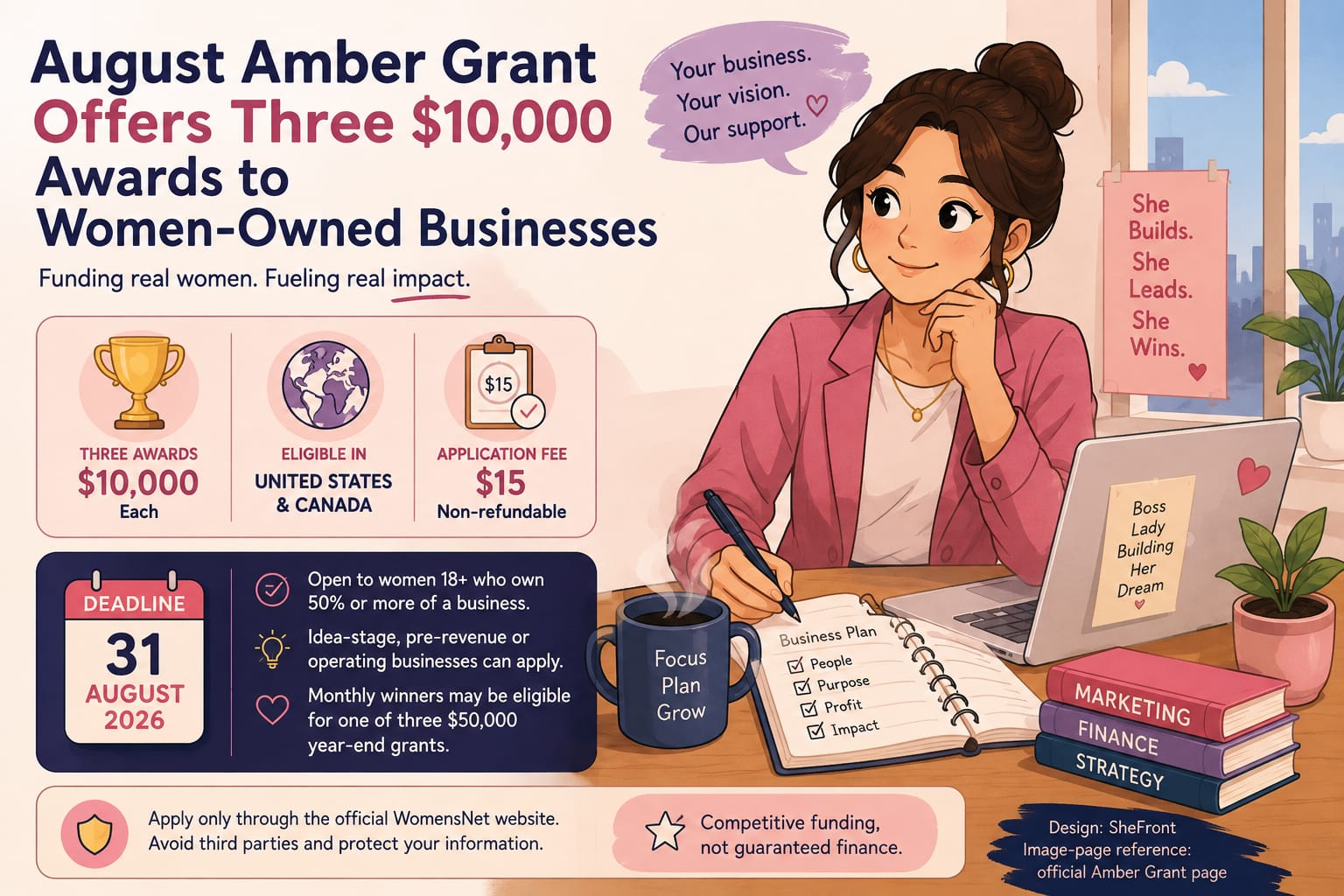
August Amber Grant Offers Three $10,000 Awards to Women-Owned Businesses
Women entrepreneurs in the United States and Canada can apply by 31 August, but the application carries a non-refundable $15 fee. Candidates should read the official rules and treat the programme as competitive funding, not guaranteed finance.

AAUW Opens $20,000 and $25,000 STEM Fellowships for International Women
Women who are not US citizens or permanent residents can apply for postgraduate STEM support for 2027–28. The application closes at 5 p.m. Eastern Time on 17 September.
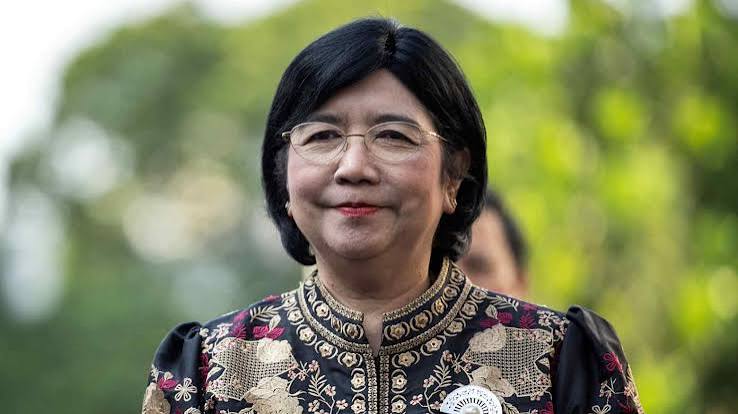
Destry Damayanti Moves Closer to Becoming Bank Indonesia’s First Woman Governor
A parliamentary committee has backed Destry Damayanti to lead Indonesia’s central bank from 2026 to 2031. Her expected elevation is historic, but her real test will be preserving monetary independence under political pressure for faster growth.

Afiza Abdullah Takes Charge of Malaysia’s Deposit-Protection Agency
Afiza Abdullah begins a three-year term leading the institution responsible for protecting depositors and preparing for bank failures. Her appointment places a woman at the centre of financial crisis planning, where authority is rarely visible until something goes wrong.

UAE Accelerator Promises Women-Led Tech Startups Up to $150,000
Standard Chartered’s UAE Women in Tech programme advertises equity-free funding and investment-readiness support for technology-enabled companies. The published eligibility is detailed, but a current application deadline remains unclear.
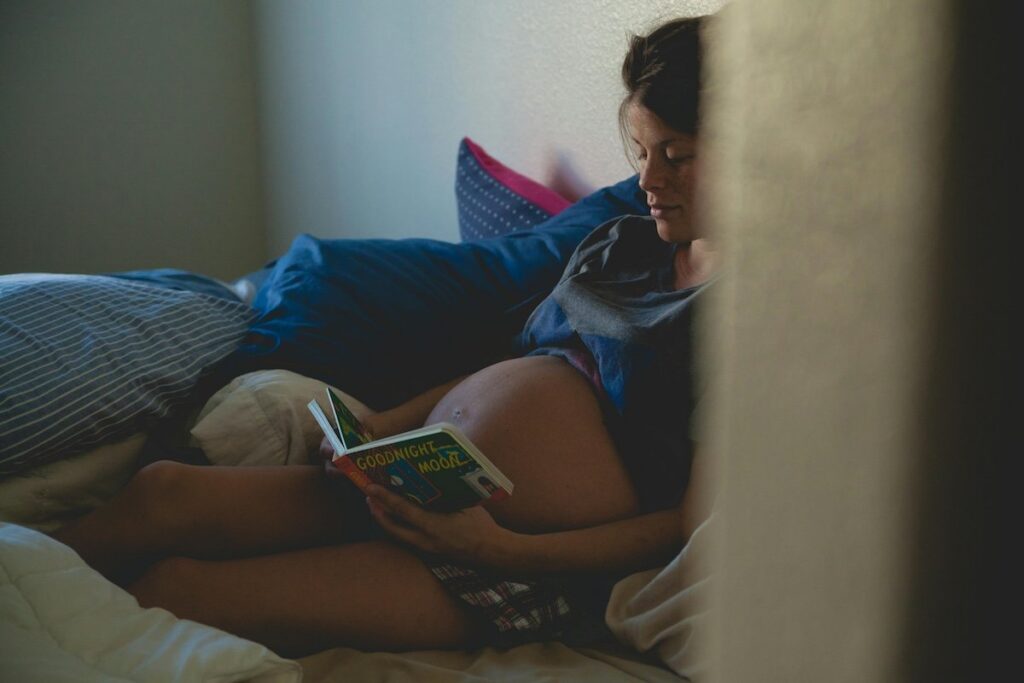
$35 Million Preeclampsia Project Will Use AI to Search the ‘Dark Proteome’
ProFound Therapeutics and the Gates Foundation are funding early-stage discovery of biomarkers and drug targets for a dangerous pregnancy complication. The investment is substantial, but it has not yet produced a diagnostic test or treatment.

Women Headliners Put Bristol’s Clean-Power Festival Infrastructure to the Test
Lorde, Little Simz, Tems and other women artists are performing as Bristol trials renewable temporary power at major cultural events. The project could reduce diesel pollution for audiences and crews if its emissions claims survive independent measurement.
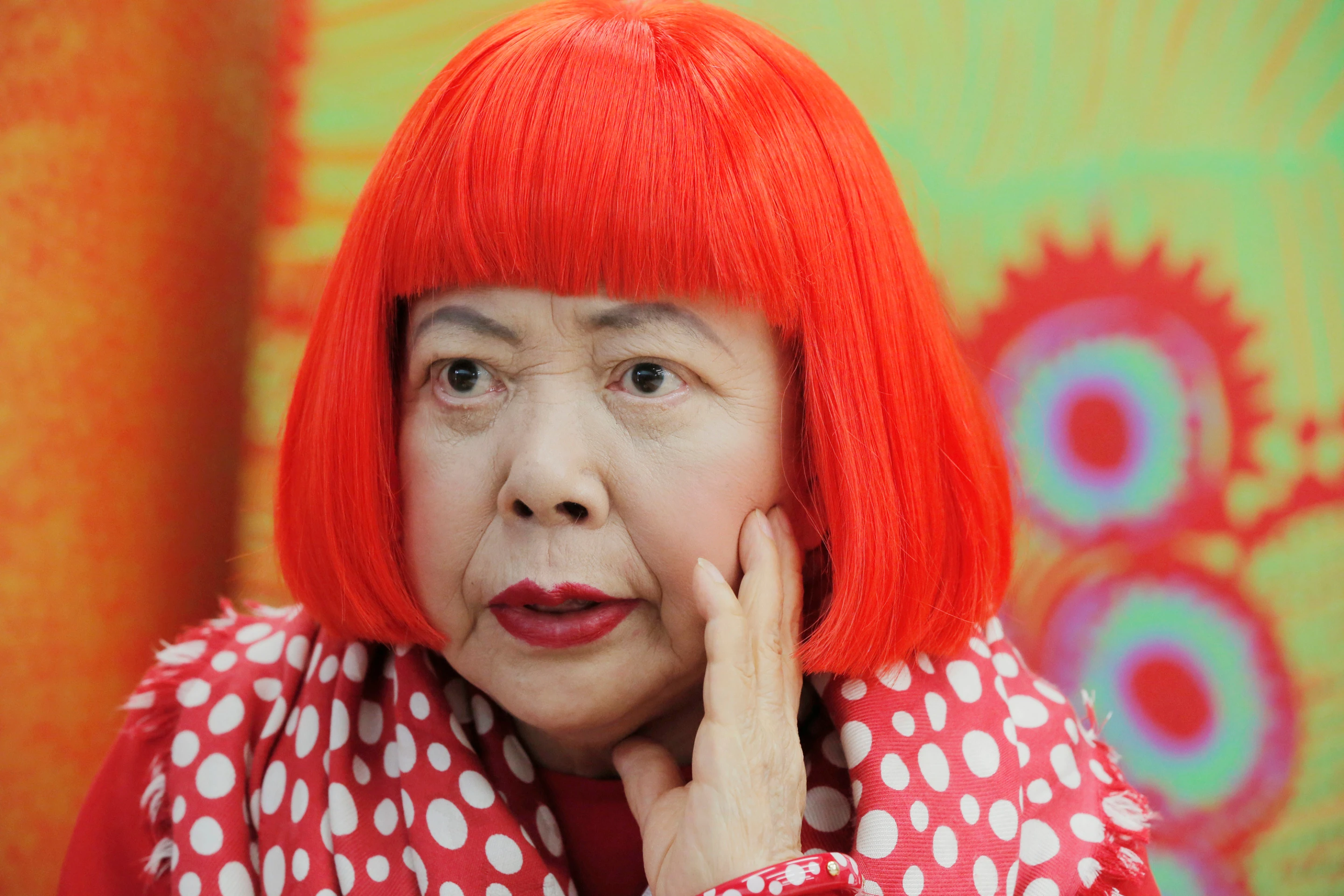
Yayoi Kusama Leaves a Universe Built From Dots, Repetition and Survival
The Japanese artist died at 97 after transforming private visions into globally recognised installations, sculpture and painting. Her legacy should be understood as sustained artistic discipline—not reduced to spectacle or illness.
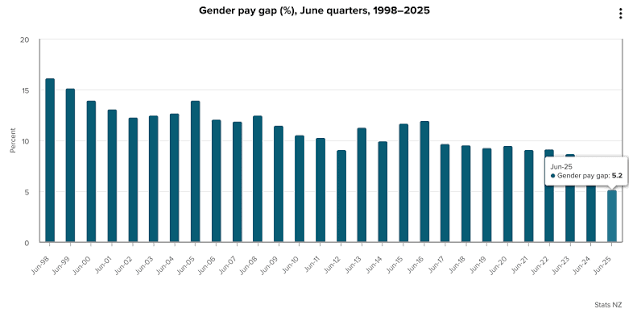
New Zealand’s Gender Pay Gap Edges Up After Last Year’s Record Low
Women’s median hourly earnings were 5.3% below men’s in the June quarter, compared with 5.2% a year earlier. The small change is a reminder that a national average can stall while larger gaps remain hidden by occupation and ethnicity.

Registration Has Made Uzbekistan’s Domestic Workers Visible—Not Fully Protected
More than 260,000 people have registered as self-employed domestic-service workers in Uzbekistan, and about 91% are women. Legal recognition is important, but self-employment can still leave workers without wages, leave and social protection guaranteed to employees.
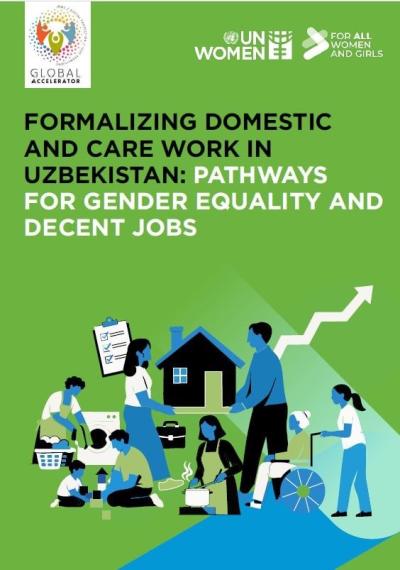
Registration Has Made Uzbekistan’s Domestic Workers Visible—Not Fully Protected
More than 260,000 people have registered as self-employed domestic-service workers in Uzbekistan, and about 91% are women. Legal recognition is important, but self-employment can still leave workers without wages, leave and social protection guaranteed to employees.
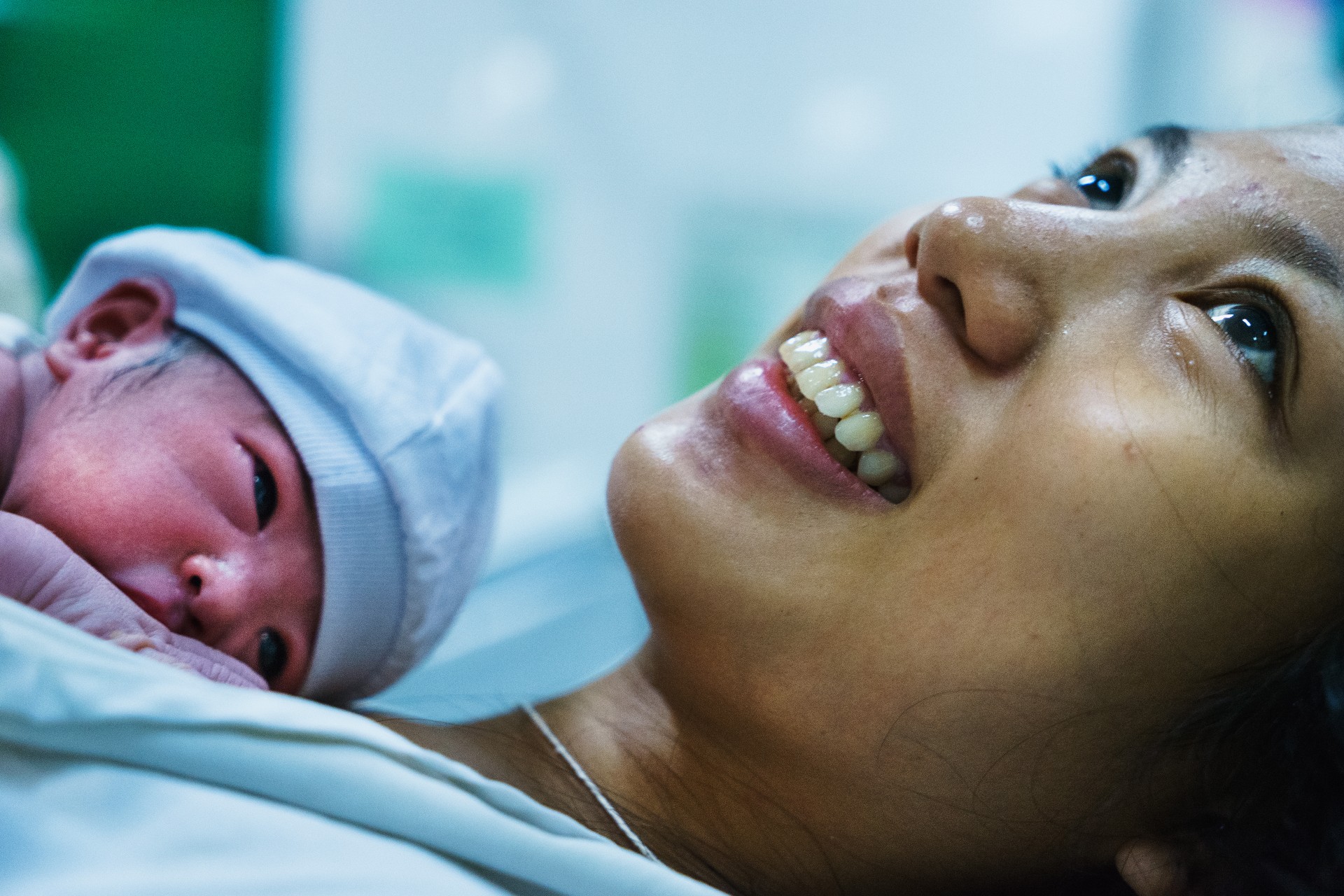
Breastfeeding Study Finds Better Lipid Measures After Gestational Diabetes—But Not Proof of Cause
Japanese researchers found an association between intensive breastfeeding and healthier lipid levels shortly after pregnancies affected by gestational diabetes. The result should support better lactation care, not guilt women who cannot or choose not to breastfeed.
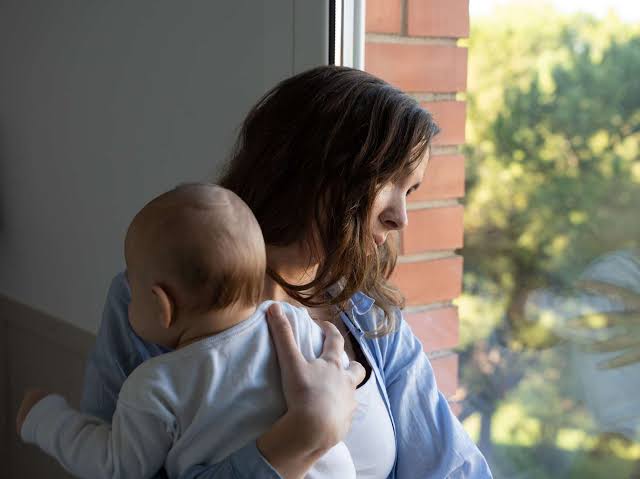
More Than 15,000 UK Mothers May Have Undiagnosed PTSD After Childbirth Each Year
A new evidence review identifies a major gap in postnatal mental healthcare, with childbirth-related PTSD often mistaken for depression. Recognition must lead to trauma-informed treatment, not pressure on women to retell distressing experiences.
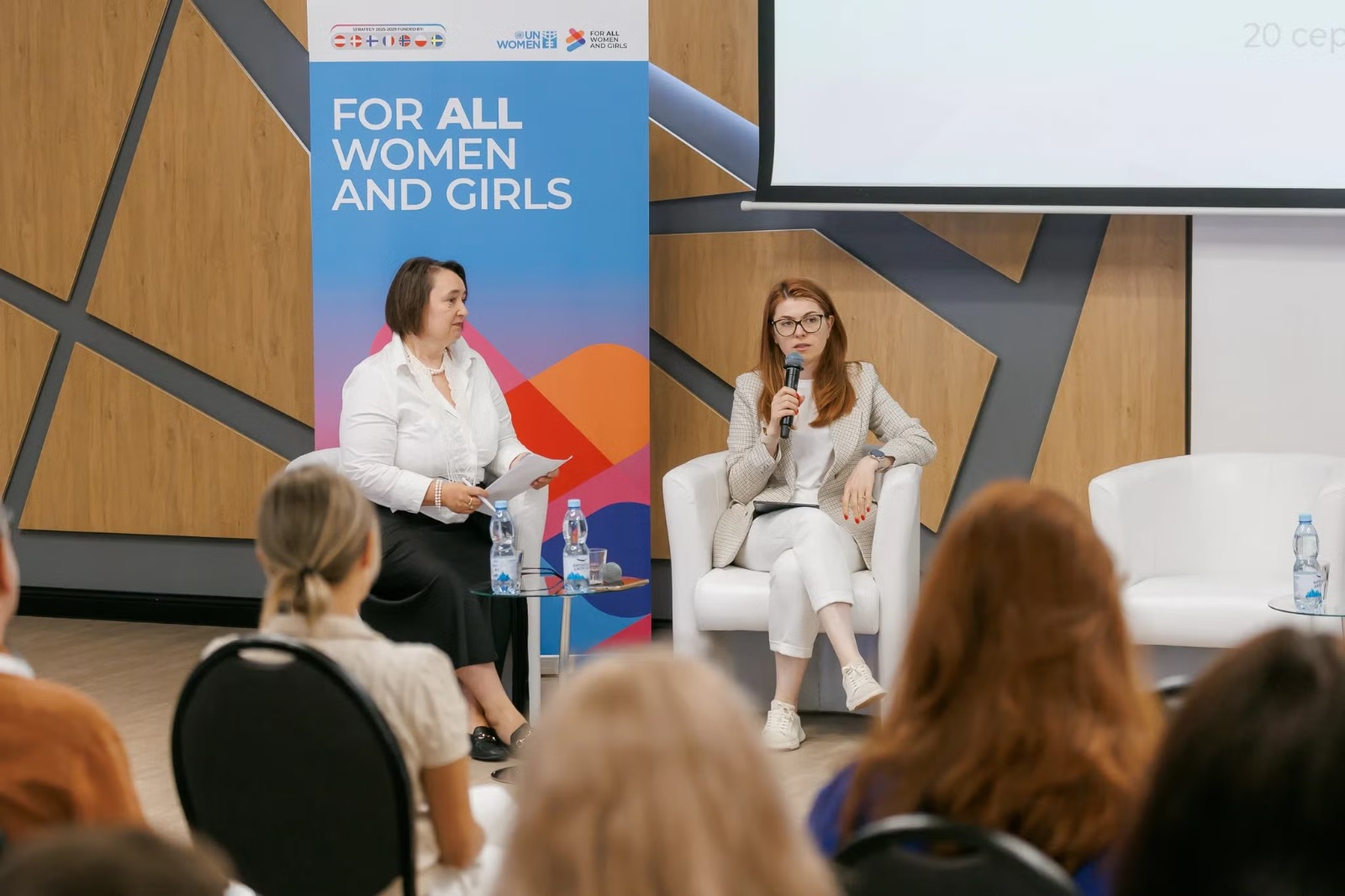
Ukraine’s Next CEDAW Report Must Measure What War Has Changed for Women
Ukraine is preparing its tenth report under the UN women’s-rights convention, covering 2022–2026. The process can create a public record of women’s leadership during the war—but also of violence, displacement and services lost.
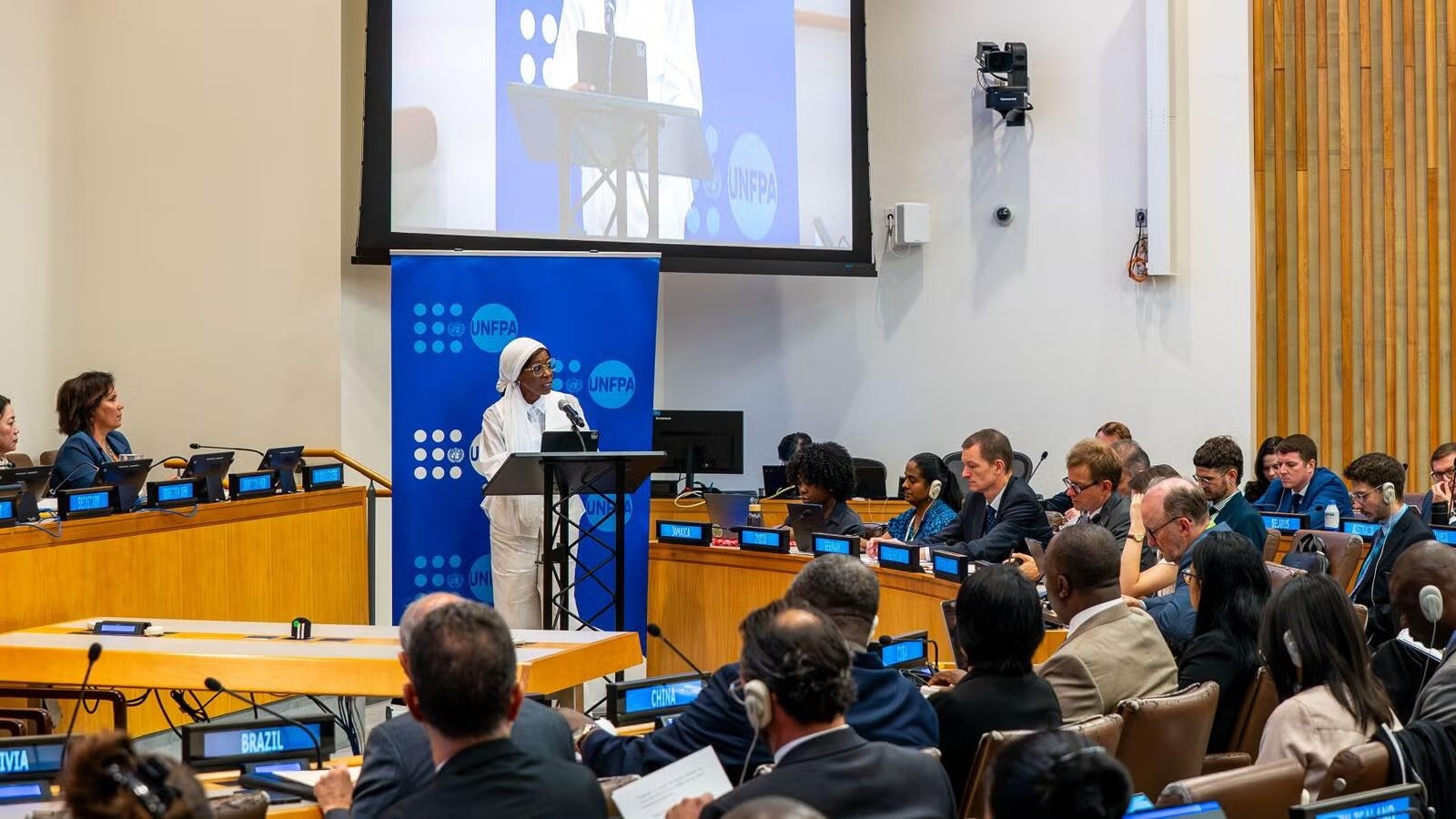
Cameroon’s New UNFPA Programme Puts a $50 Million Promise Against Maternal Death and Violence
A newly approved five-year programme links reproductive healthcare, protection from gender-based violence and women’s participation. Its credibility will depend on financing, regional reach and public outcome data.
Women Athletes Deserve a Better Debate Than Biology Versus Belonging
New sex-eligibility rules have intensified disagreement over transgender and intersex participation in women’s sport. Athletes need policies grounded in evidence, privacy and procedural fairness—not hostility directed at individuals.

Women Athletes Deserve a Better Debate Than Biology Versus Belonging
New sex-eligibility rules have intensified disagreement over transgender and intersex participation in women’s sport. Athletes need policies grounded in evidence, privacy and procedural fairness—not hostility directed at individuals.
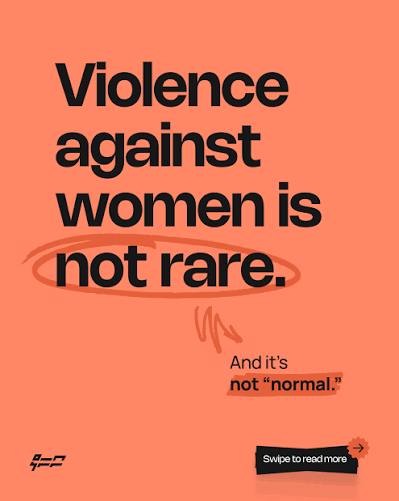
When Women Don’t Control Land, Are They More Vulnerable to Violence?
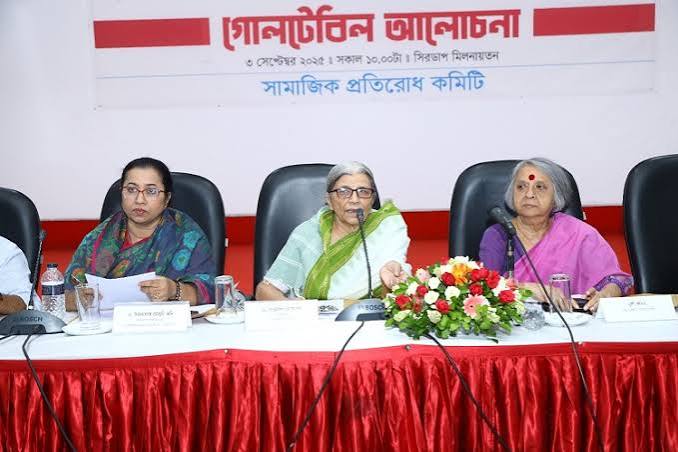
A new Dhaka discussion has put women’s land rights and violence back in the spotlight. The evidence shows a stark ownership gap: only a small minority of rural women have secure rights over agricultural land. But the relationship between landlessness, economic dependence and violence needs more careful attention than a headline statistic can provide.
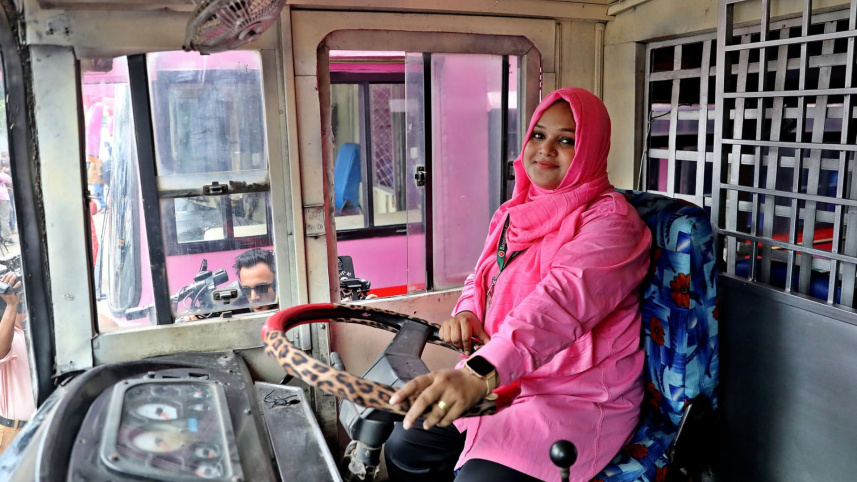
BRTC Is Recruiting Women Drivers for Pink Bus — Here’s Who Can Apply
Women aged 21 to 35 can attend walk-in driving tests in Gazipur from August 30 to September 1. Selected candidates will receive free heavy-vehicle training, with accommodation and meals covered by BRTC.
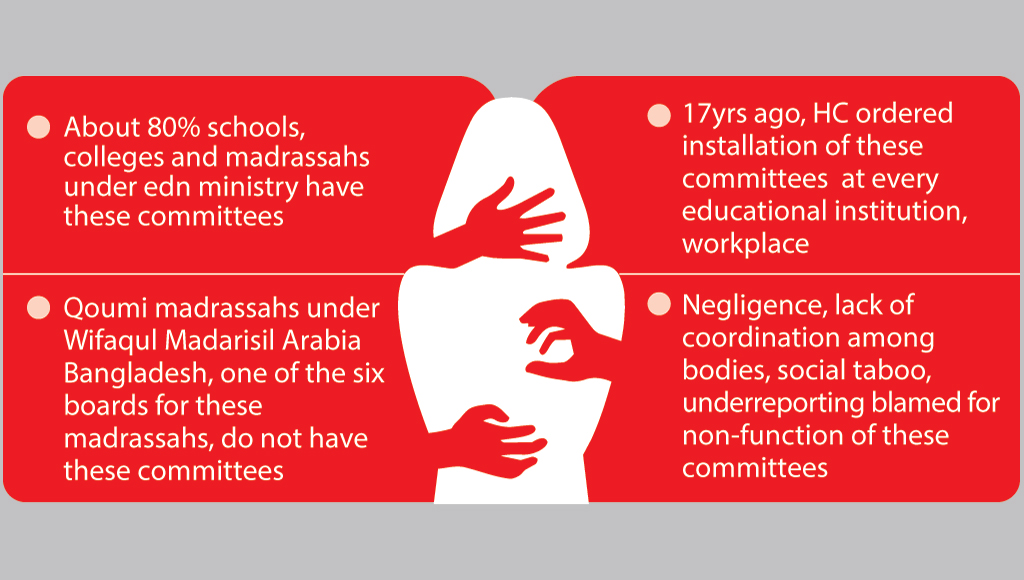
Bangladesh Universities Have Sexual-Harassment Committees. Why Aren’t Many of Them Working?
Seventeen years after the High Court ordered educational institutions to create formal complaint mechanisms, Bangladesh’s university regulator says many campus sexual-harassment committees are still not functioning properly. A new UGC–UN Women initiative is trying to close the gap between having a committee on paper and having a system students can actually trust.

New Social Protection Push Could Matter for Thousands of Bangladesh’s Women Garment Workers
BGMEA has brought more than 50 garment factories into an orientation on unemployment protection and digital labour records, highlighting a system that can provide temporary cash support to workers facing factory closure, accidents or maternity leave—an important safety net in a sector where women make up a large share of the workforce.
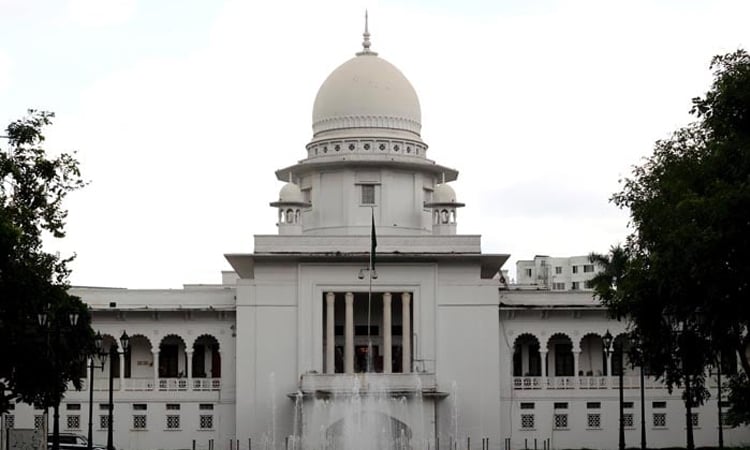
High Court’s Dedicated Bench Delivers 17 Verdicts in Violence Against Women and Children Cases
A specially constituted High Court bench has delivered judgments in 17 cases in about two and a half months while prioritising death references and appeals under Bangladesh’s Women and Children Repression Prevention Act—raising hopes that specialised judicial attention could help reduce delays in some of the country’s most serious violence cases.
Debate Erupts Over Expanding the Role of Bangladesh’s Reserved-Seat Women MPs
A proposed legal amendment that could give reserved-seat women MPs responsibility for overseeing development activities in general constituencies has triggered objections from 67 directly elected lawmakers, reopening a wider debate over the authority, representation and institutional role of women in Bangladesh’s parliament.