
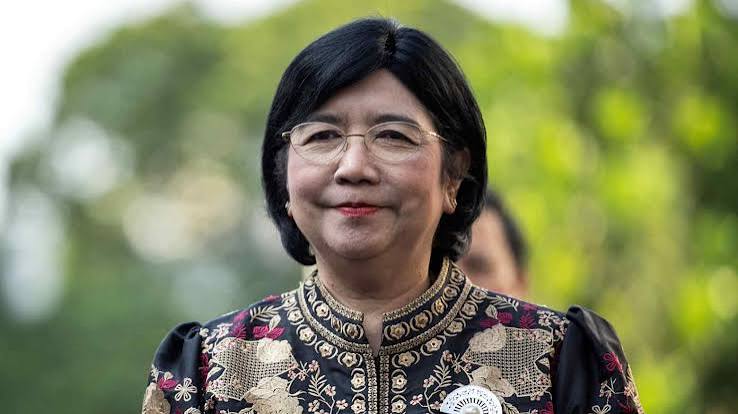
JAKARTA, Indonesia — Indonesia’s parliamentary finance commission has approved Destry Damayanti as its candidate for governor of Bank Indonesia, moving her toward becoming the first woman to lead the central bank.
Commission XI reached its decision by consensus on 27 August following two days of fit-and-proper hearings. It also selected Aida S. Budiman as candidate for senior deputy governor and Solikin M. Juhro as deputy governor.
The commission’s choices are scheduled to go before a full parliamentary session on 1 September. Formal appointment procedures follow that vote, meaning Destry should not yet be described as having taken office.
She has served as Bank Indonesia’s senior deputy governor since 2019 and became acting governor after the previous leadership vacancy. Her long institutional experience may reassure financial markets, but continuity does not remove the need for scrutiny.
During her hearing, lawmakers questioned how she would balance price and currency stability with the government’s target of economic growth reaching 8%. They also raised central-bank intervention in the rupiah, liquidity support and whether monetary accommodation could create inflation or financial risk.
Those are not symbolic questions. Central banks coordinate with elected governments but require operational independence to make decisions that may be politically unpopular. A governor must be able to resist pressure if rapid credit expansion or lower interest rates threaten the currency and purchasing power.
Women’s leadership is particularly significant in finance, where senior authority remains disproportionately male. If confirmed, Destry would lead an institution influencing borrowing costs, inflation, payment systems and access to finance across the world’s fourth-most-populous country.
Her gender should neither shield her from criticism nor produce expectations that she personally resolve every inequality. The relevant standard is whether policy remains transparent, evidence-based and accountable.
Still, leadership can affect whose economic experiences are considered. Inflation in food, housing and transport carries particular consequences for low-income women managing household budgets or operating small enterprises.
The pending appointment also places two women—Destry and Aida—in the central bank’s top leadership structure. That could demonstrate a pipeline rather than a solitary breakthrough.
SheFront should update this story after the plenary decision. History is close, but accuracy requires distinguishing a committee-approved candidate from a formally installed governor.




Join the discussion