South Asia
Women’s stories, reporting, leadership and perspectives connected to South Asia.
Latest from South Asia
100 published stories
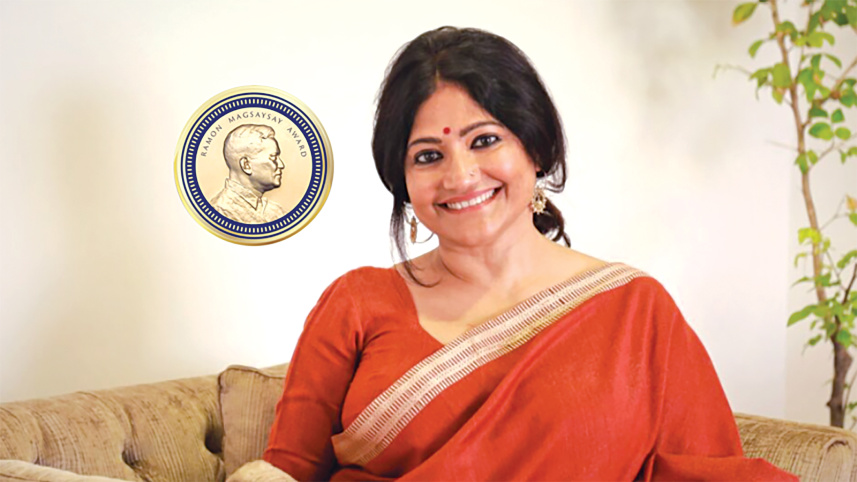
Runa Khan Spent 25 Years Taking Services Where Roads Couldn’t Reach. Asia Just Recognised Her Leadership
Friendship founder and executive director Runa Khan has received the 2026 Ramon Magsaysay Award for building systems that bring healthcare, education, livelihoods and climate resilience to some of Bangladesh’s hardest-to-reach communities.
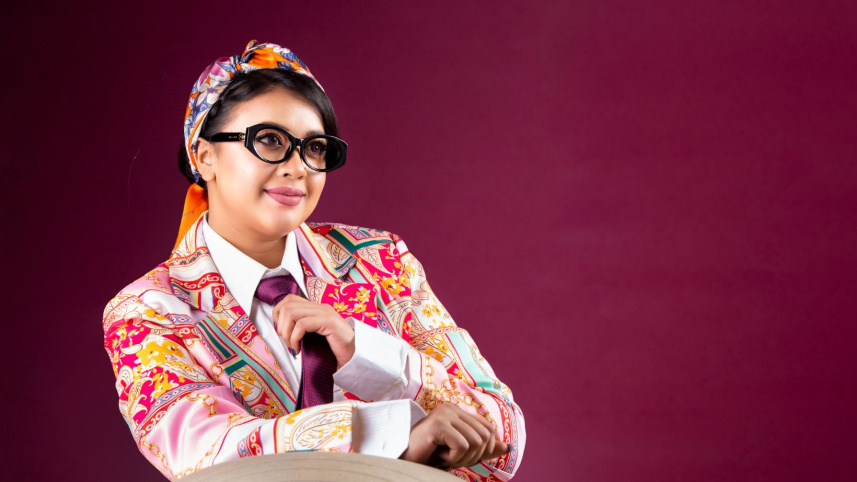
With ‘Noakhailla Maiya’, Oyshee Turns Her Regional Identity Into Pop-Culture Power
National Film Award-winning singer Fatima Tuz Zahra Oyshee’s new song brings Noakhali dialect into a contemporary musical setting while expanding her role from performer to songwriter and composer.
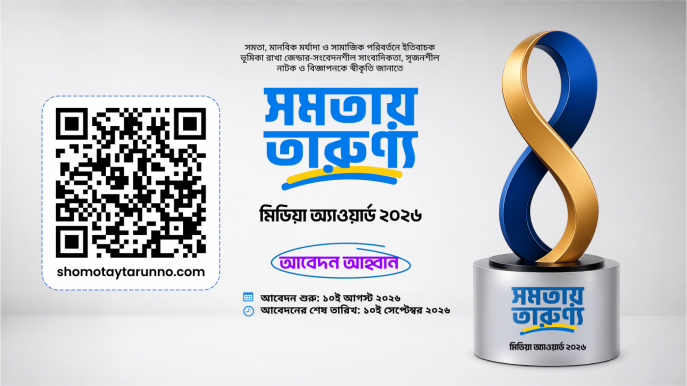
Bangladesh Media Award Is Looking for Journalism and Creative Work That Challenges Gender Stereotypes
Journalists, producers and creative professionals in Bangladesh have until September 10 to submit gender-sensitive reporting, entertainment content, drama and advertising for the Shomotay Tarunno Media Award 2026.
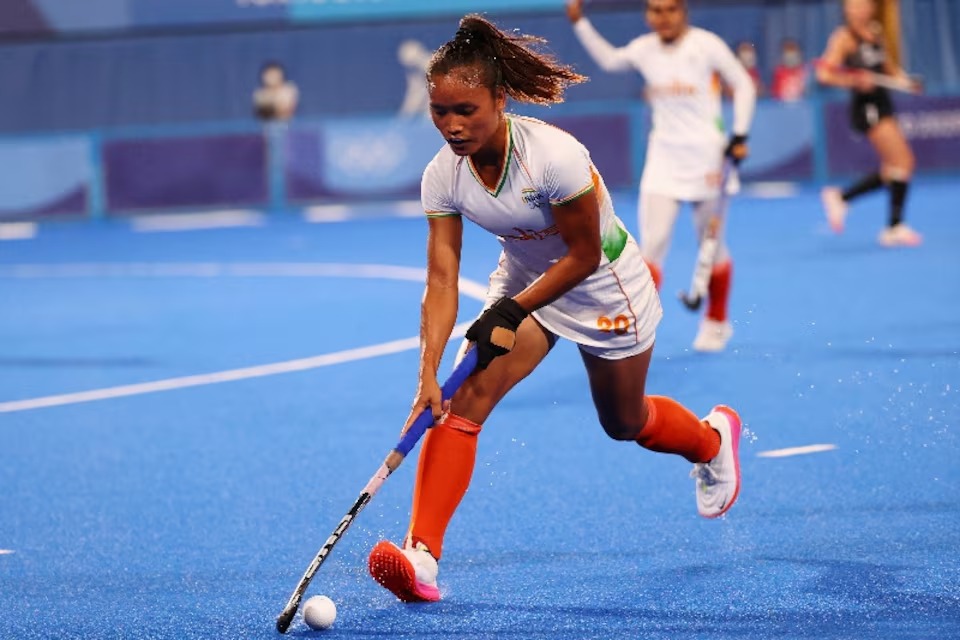
Lalremsiami’s Asian Games Ambition Begins With a Dirt Pitch in Mizoram
India forward Lalremsiami has turned a barefoot childhood route into an international hockey career and a bid for Asian Games gold. Her longer goal—building facilities for girls in Mizoram—shows why a sporting breakthrough matters most when it widens the path behind it.

Bangladeshi Women Founders Have Two Days Left to Compete for Tara’s Circle’s €100,000 Award Pool
Tara’s Circle 2026 is open worldwide to women founders and co-founders leading seed-stage or MVP-stage impact ventures. Fifteen projects will share €100,000 across health, technology, sustainability, social innovation and creative industries. Applications close 17 September at 12:00 CEST.

Nigar Sultana Joty Wants to Leave T20I Captaincy. Stepping Back Can Be a Leadership Decision Too
Bangladesh captain Nigar Sultana Joty has told the BCB she wants to give up T20I leadership after the Asian Games while remaining ODI captain, saying she wants greater focus on her batting. The board has not yet accepted the request. Leadership is not only knowing when to take responsibility—it can also mean deciding when a role should change.
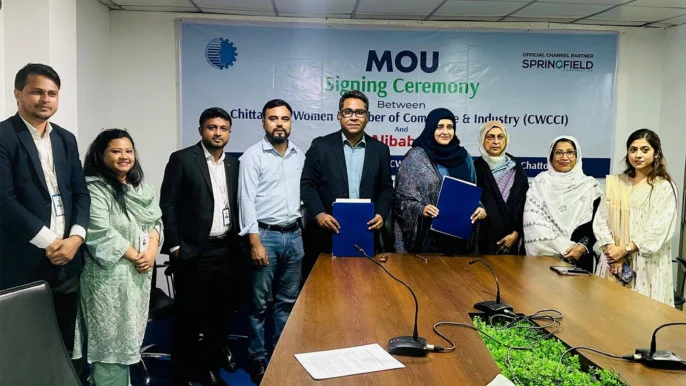
Women Entrepreneurs in Chattogram Get a Route Into Alibaba’s Global Marketplace. Listing Products Is Only the Beginning
Chittagong Women Chamber and Springfield Corporation, Alibaba.com’s Bangladesh channel partner, have signed an agreement to connect women entrepreneurs with international buyers and digital-export tools. The opportunity is real—but exporting requires logistics, compliance, pricing and buyer trust beyond simply opening an online account.
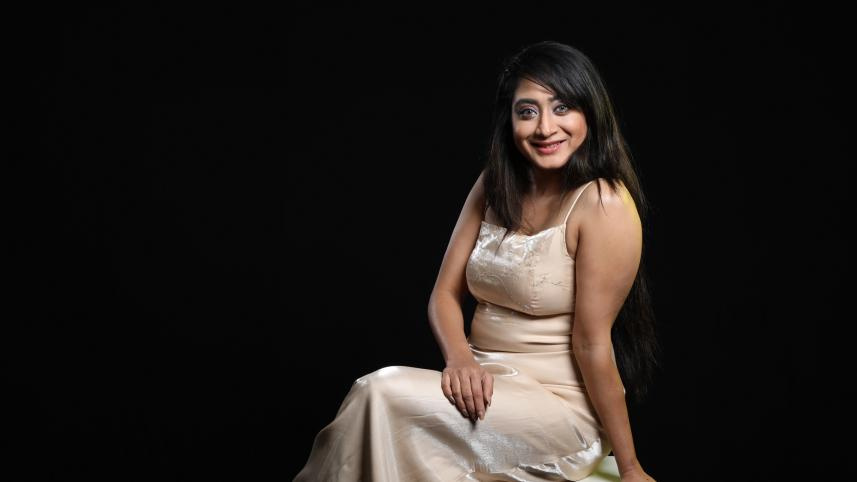
Swagata’s Career Makes a Case Against Telling Women Artists to Pick One Lane
Zinat Sanu Swagata has worked across acting, music, modelling and presenting since childhood. A piece of advice from Abdullah Al Mamun helped shape that path: becoming an actor did not mean abandoning directing or music. Her career shows why women’s creative identities do not have to fit one label.

Swagata’s Career Makes a Case Against Telling Women Artists to Pick One Lane
Zinat Sanu Swagata has worked across acting, music, modelling and presenting since childhood. A piece of advice from Abdullah Al Mamun helped shape that path: becoming an actor did not mean abandoning directing or music. Her career shows why women’s creative identities do not have to fit one label.

Bangladeshi Women Spend 5.9 Hours a Day on Unpaid Care. That Is a Labour-Market Policy Problem
Bangladesh’s Time Use Survey says women spend 5.9 hours daily on unpaid care and household work, compared with 0.8 hours for men. A new Dhaka dialogue is calling for care to be recognised, reduced and redistributed. If Bangladesh wants more women earning, childcare infrastructure is economic infrastructure.
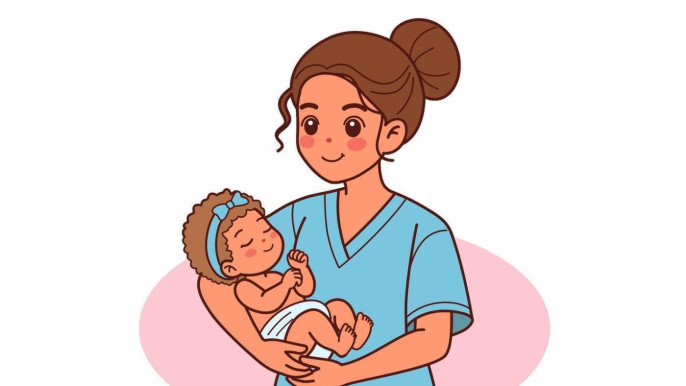
Bangladesh Is Taking Midwifery to the UN. The Promise Now Is 25,000 Professionals Where Women Actually Give Birth
Bangladesh and Sweden will co-host a UN General Assembly event on 24 September focused on integrating midwives into primary healthcare. Bangladesh has committed to train and deploy 25,000 midwives by 2030. The global leadership will matter most if the workforce reaches women outside major hospitals.

National University Says Women Need Safer Campuses. Now Bangladesh Needs to Define What ‘Safe’ Actually Means
National University’s vice-chancellor says child marriage, violence and social barriers are pushing girls out before higher education and has called for safer, more supportive campuses and greater female participation in STEM. The next step is turning “safe campus” from a speech into measurable standards.
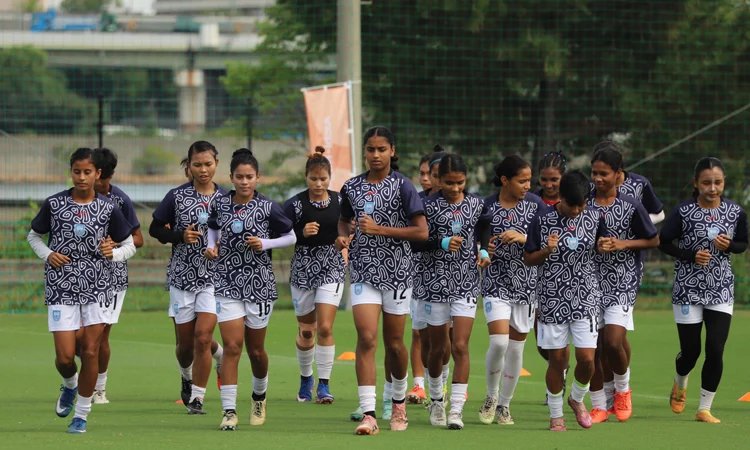
After a 10–0 Defeat, Maria Manda’s Answer Was Not Excuses. It Was: Get Better
Bangladesh opened its Asian Games women’s football campaign with a 10–0 defeat to DPR Korea. Captain Maria Manda’s response was neither denial nor despair: Bangladesh must keep facing stronger teams, work harder and prepare better. That mindset deserves a system capable of matching it.
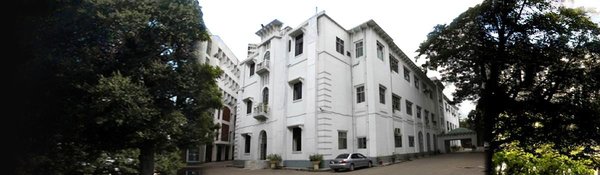
Shanchita Haque Put Bangladesh’s Women-Centred Promises on the UN Record. Now They Need Measurable Delivery
Bangladesh’s Deputy Permanent Representative to the UN has told UN Women that the government is advancing Family Cards in women’s names, free education for girls, reproductive and mental-health services and lifecycle social protection. International commitments matter—but leadership is strongest when the promises can be measured at home.
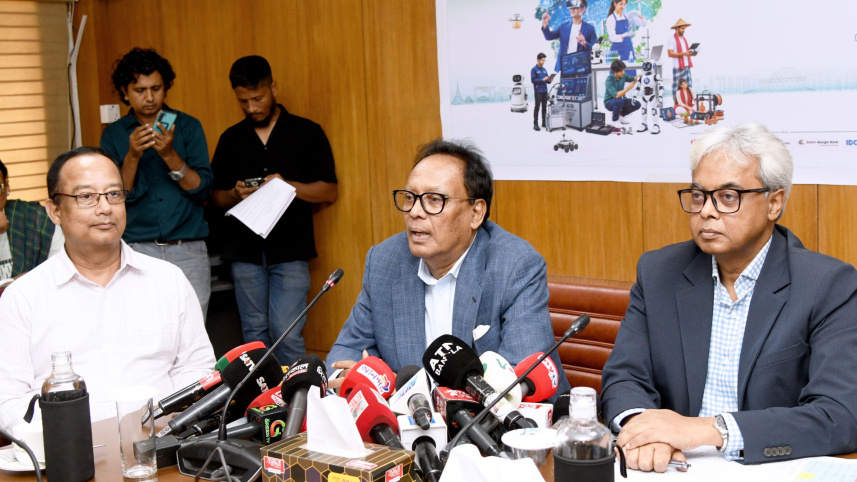
Bangladesh Opens a Fair With 1,000+ Innovations. Women Innovators Should Not Be Invisible in the Numbers
More than 100 innovators and startup founders are showcasing over 1,000 ideas at Bangladesh Innovation Fair 2026, which opened in Dhaka today. The government wants to move inventions from laboratories to markets. One useful measure of that ecosystem will be whether it tracks who gets investment—including women founders and researchers.

Runa Laila Is Alive. The AI Death Hoax Shows How Easily a Cultural Icon Can Be Turned Into Clickbait
AI-generated videos and images falsely claiming that Runa Laila was dying or dead circulated online this week. Her daughter confirmed the singer is healthy and urged followers to report the accounts. The episode raises a cultural question as much as a technology one: who protects an artist’s identity when anyone can manufacture a convincing false version of her life?
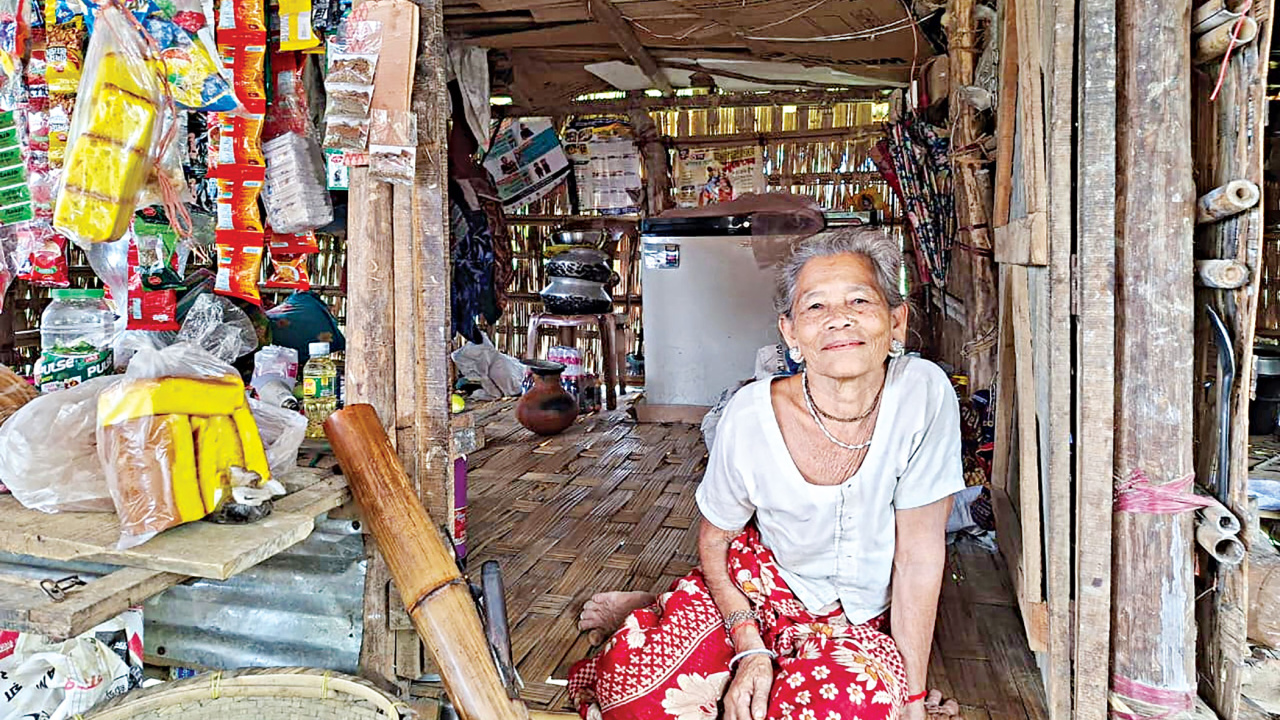
Paisano Marma Started With Tk500. Four Months Later, Her Food Business Had Sold More Than Tk10,000
Indigenous women in Khagrachhari are moving from irregular day labour into small businesses through training, market links and storage facilities. Paisano Marma’s Tk500 start shows why the crucial ingredient is not training alone—it is giving women somewhere to sell afterwards.
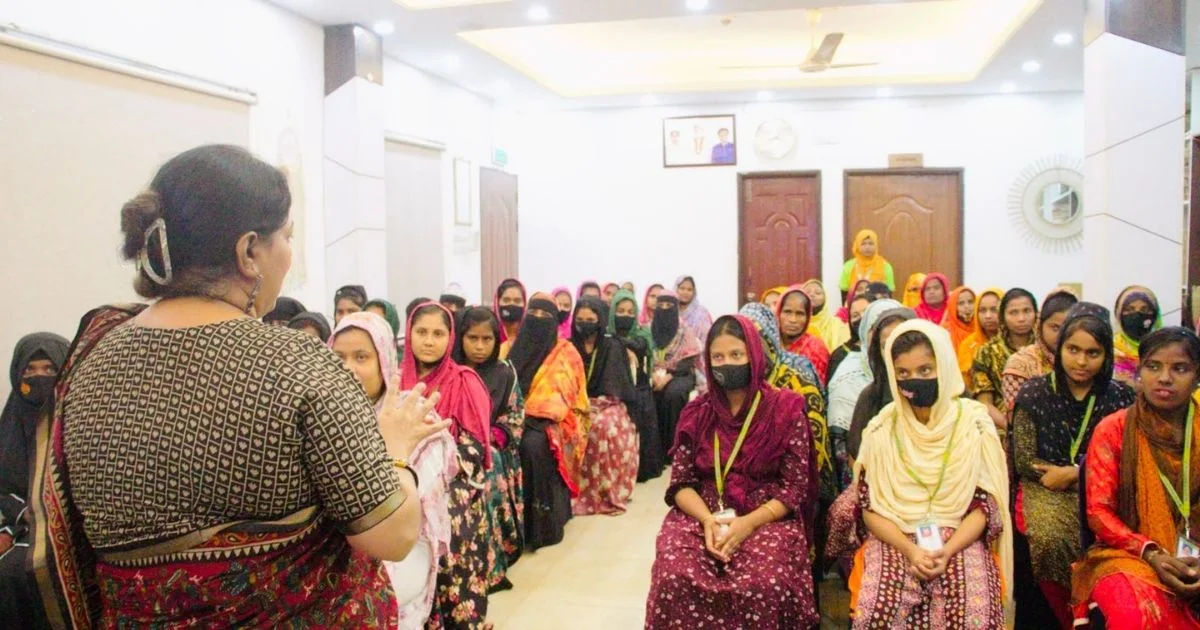
110 Women Factory Workers Joined Mental-Health Sessions. Awareness Should Be the First Layer, Not the Whole Safety Net
Psychologists recently held workplace mental-health sessions for 110 women workers in Pabna and Gazipur. Normalising conversations about stress is valuable, but women working under production pressure also need confidential counselling, referral systems and workplaces that reduce—not simply teach them to cope with—psychological strain.
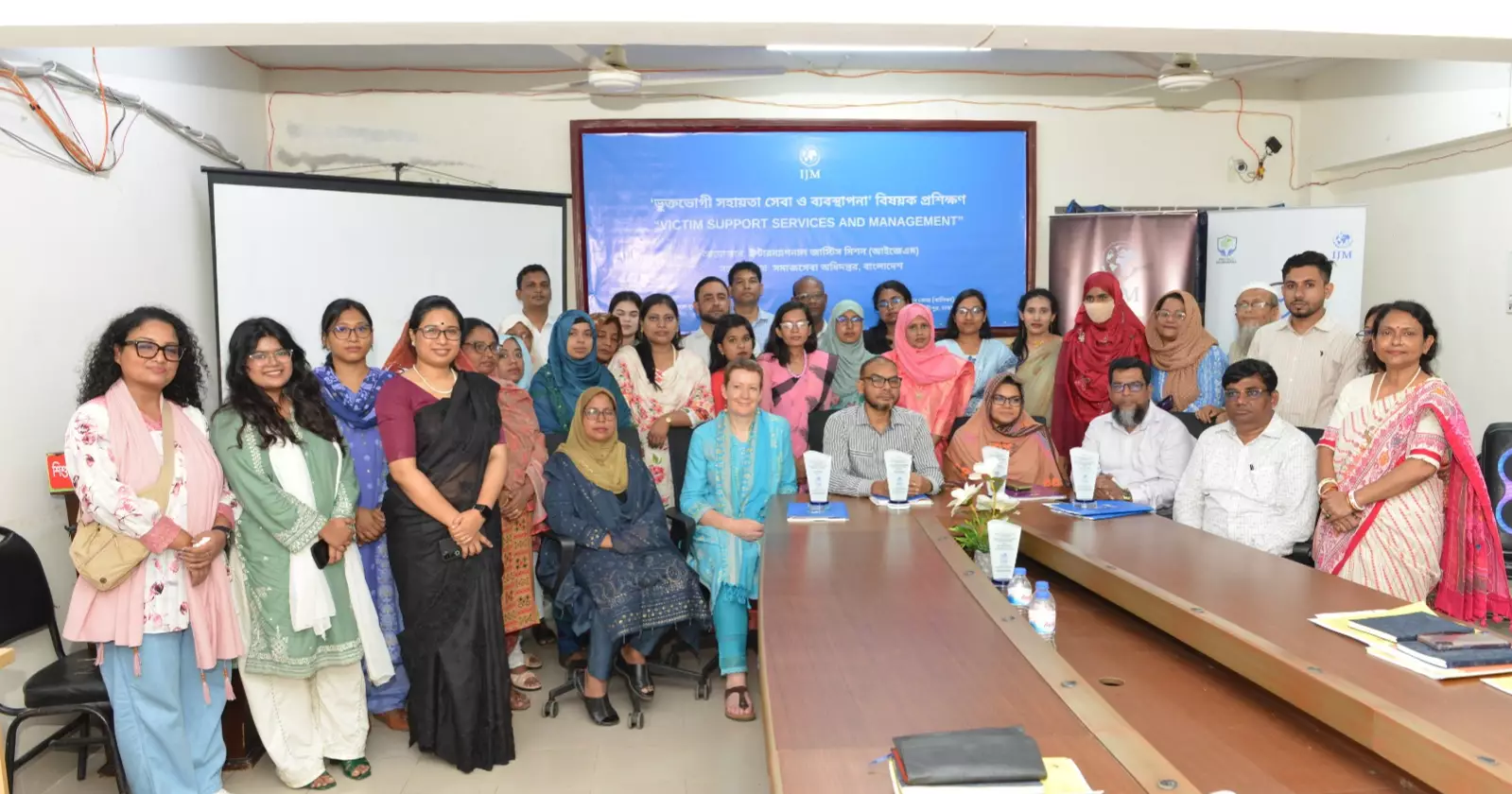
For Girls Rescued From Sexual Exploitation, the Case Does Not End at Rescue
Twenty-five caregivers at Bangladesh’s only government Child Development Centre for girls in Gazipur have received specialised training on supporting children affected by commercial sexual exploitation. That matters because rescue is only the first stage of recovery—and institutions entrusted with girls need to be safe enough to deserve their trust.
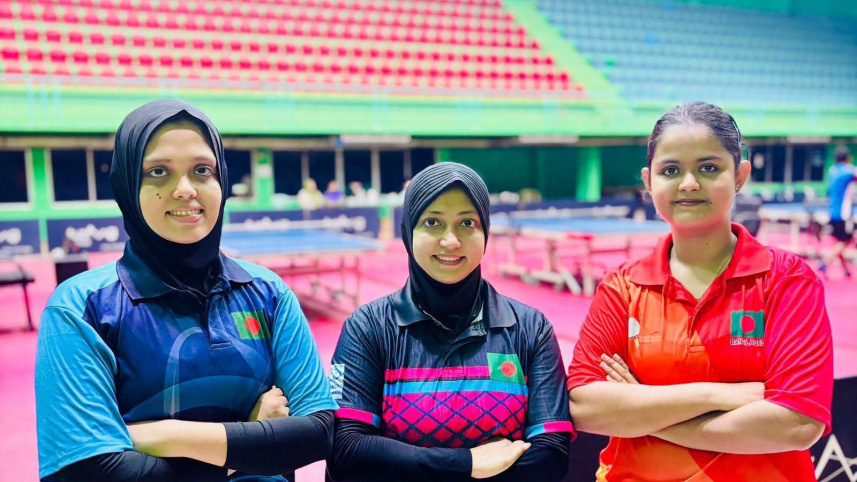
One Narail Family Put Four Women on Bangladesh’s Table Tennis Roster. That Is What a Sports Pipeline Can Look Like
Five-time champion Sonam Sultana Soma, Nowrin Sultana Mahi, Sadia Rahman Mou and Samanta Hossain Tushi come from the same extended family. Their rise from a Narail club to the national team shows how girls progress when family support, coaching, training partners and financial backing exist at the same time.
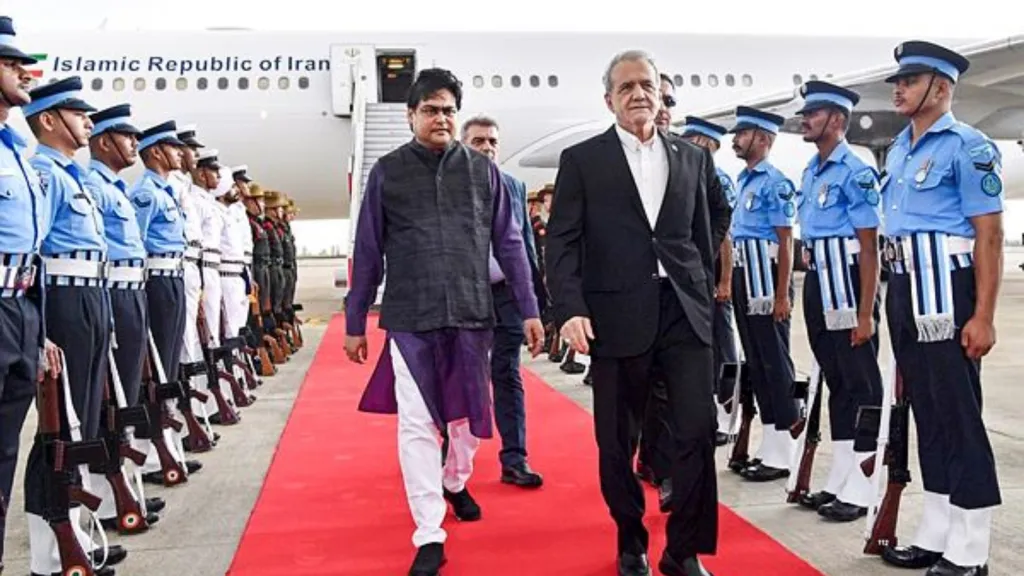
BRICS Women Want Trade Networks That Move Beyond Ceremonial Inclusion
Women business leaders at the BRICS Business Forum called for direct company-to-company links, finance and market access across member states. The practical test is whether summit language produces contracts for women-led firms rather than another parallel network without purchasing power.
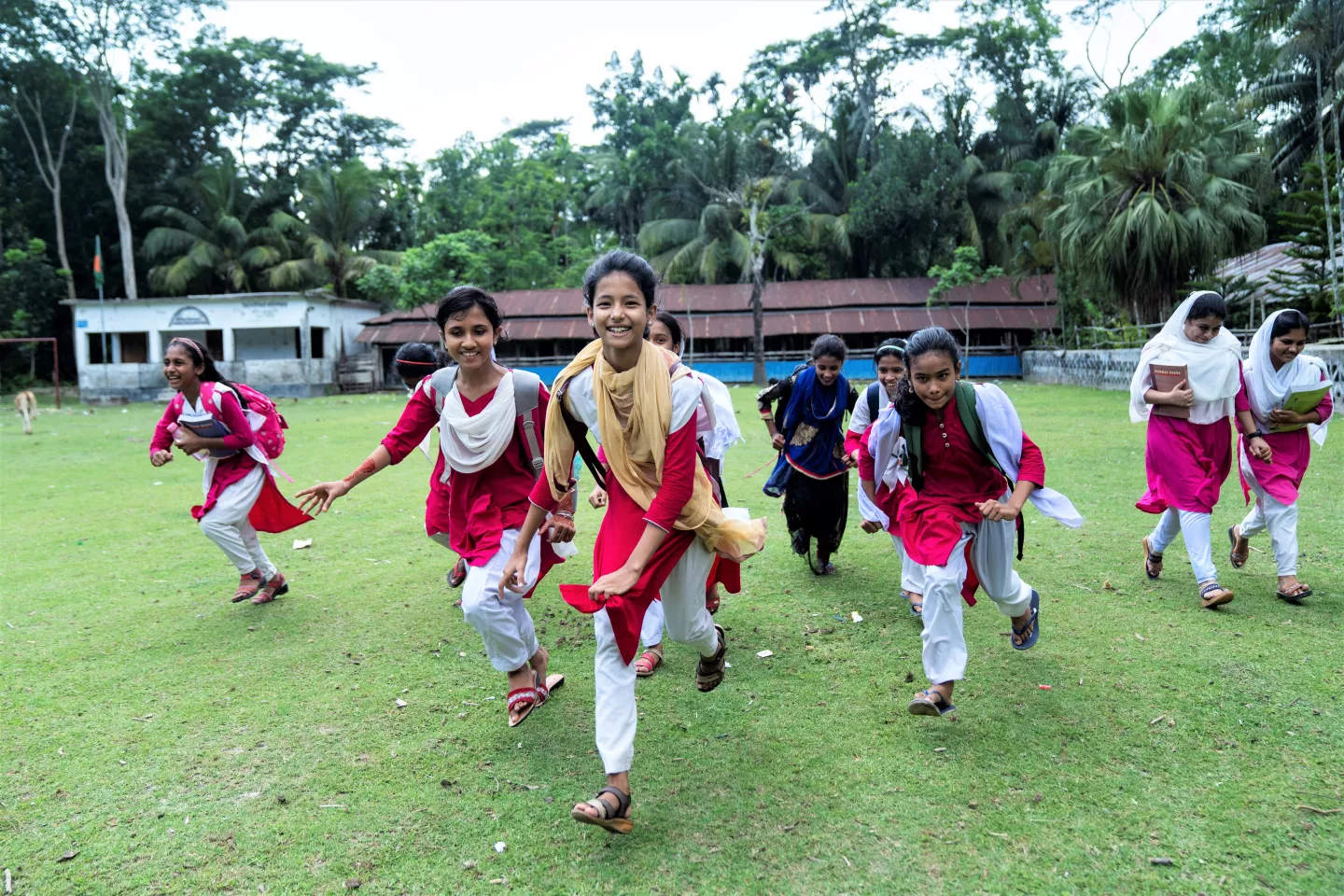
Tarash Is Talking Openly About Periods. Bangladesh Still Needs Affordable Products and Private Facilities
Women and adolescent girls in a Sirajganj community joined an open discussion on menstruation this week and received sanitary pads. Awareness helps dismantle stigma—but Bangladesh’s menstrual-health challenge is also about affordability, school facilities, privacy and reliable access to products.

Bangladesh’s Plan Against Online Abuse of Women Just Got More Concrete: Laws, Platforms and Survivor Support
Bangladesh first announced plans for a global platform against digital harassment earlier this month. A new Dhaka Dialogue has now moved the discussion toward legal reform, AI evidence, platform accountability, synthetic-media labelling and survivor-centred reporting systems.

Bangladesh Reached the Asia Cup Semifinal. The Next Level Is Turning Chances Into Pressure
Before facing India, Sharmin Akhter said aspiring champions have to play the strongest teams. Bangladesh’s 40-run semifinal defeat showed exactly what that next level demands: sharper fielding, more batting pressure and fewer opportunities handed back to elite opponents.
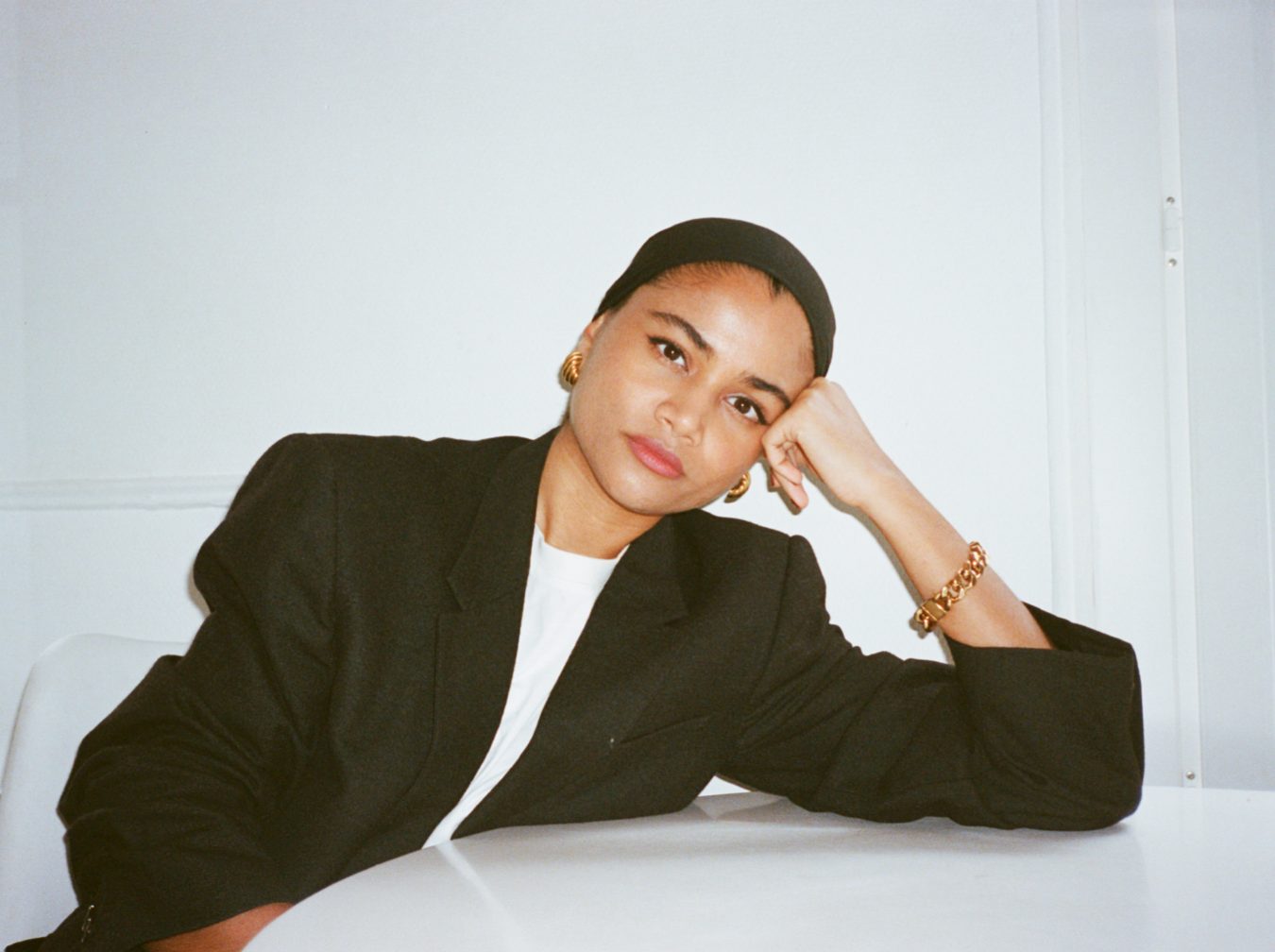
Aydha Mehnaz Is Turning Global Luxury Experience Into a New Advisory Business With a Dhaka Footprint
Bangladeshi-French fashion and brand strategist Aydha Mehnaz has launched Avari, an independent advisory group headquartered in New York with plans to strengthen its presence in Dhaka. It is a reminder that startup ecosystems include businesses built around knowledge, strategy and creative intellectual capital—not only software.
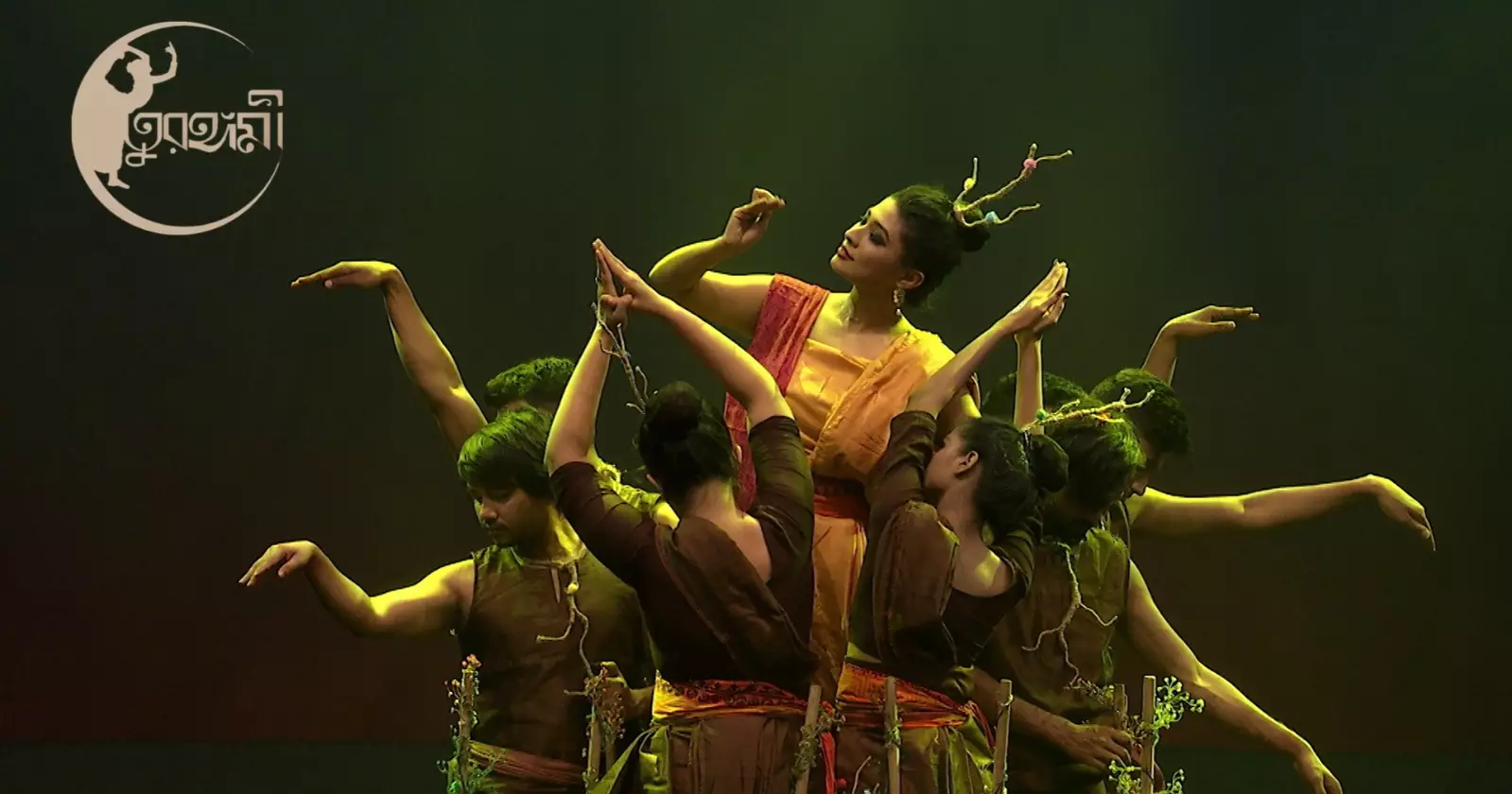
Pooja Sengupta Marks 12 Years of Turongomi by Turning Tagore’s Tree Hymn Into a Climate-Era Dance Work
Turongomi marked 12 years with the fifth staging of Dhora Toru Kabyo – Nature’s Tale, conceptualised and directed by Pooja Sengupta. Inspired by Tagore’s Brikkhobandana, the work uses dance to ask what happens when the human relationship with nature becomes exploitation.
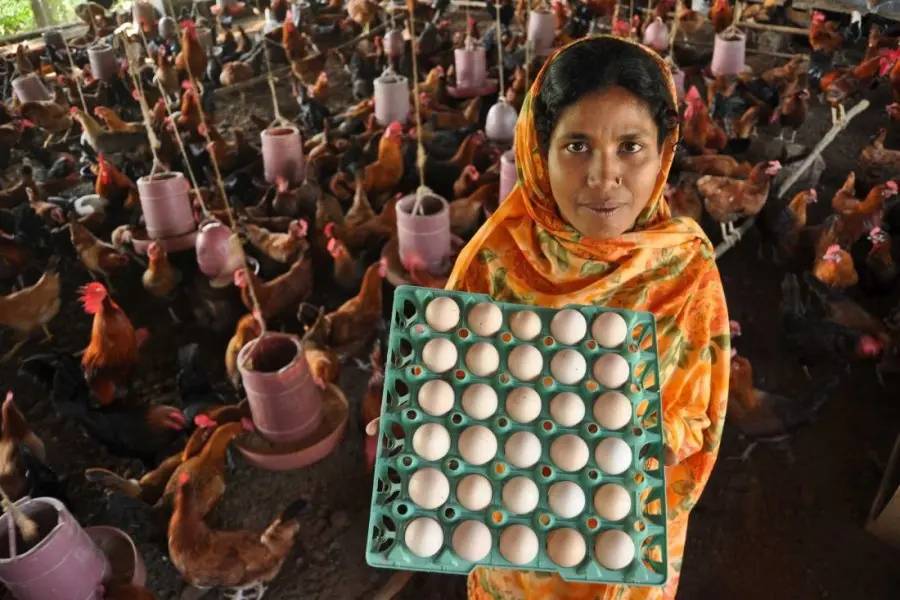
BRDB Approves Tk40.2 Lakh for 23 Rural Women Entrepreneurs. Now the Businesses Need to Grow
A new Bangladesh Rural Development Board approval memo lists 23 women in six upazilas receiving Tk40.2 lakh in entrepreneur loans for activities ranging from livestock to small retail. The important next metric is not money approved—it is businesses surviving and generating income.
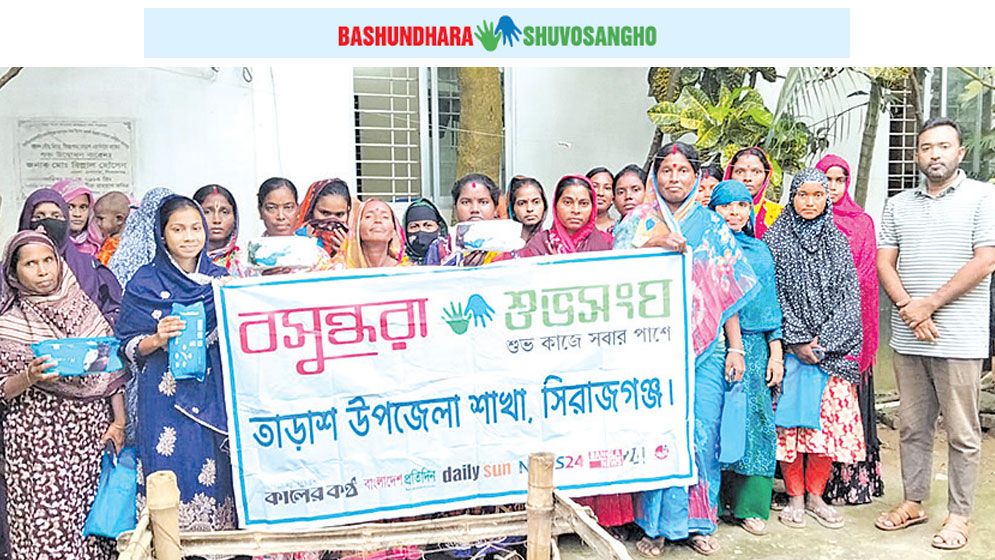
Tarash Is Talking Openly About Periods. Bangladesh Still Needs Affordable Products and Private Facilities
Women and adolescent girls in a Sirajganj community joined an open discussion on menstruation this week and received sanitary pads. Awareness helps dismantle stigma—but Bangladesh’s menstrual-health challenge is also about affordability, school facilities, privacy and reliable access to products.
Bangladesh’s Plan Against Online Abuse of Women Just Got More Concrete: Laws, Platforms and Survivor Support
Bangladesh first announced plans for a global platform against digital harassment earlier this month. A new Dhaka Dialogue has now moved the discussion toward legal reform, AI evidence, platform accountability, synthetic-media labelling and survivor-centred reporting systems.
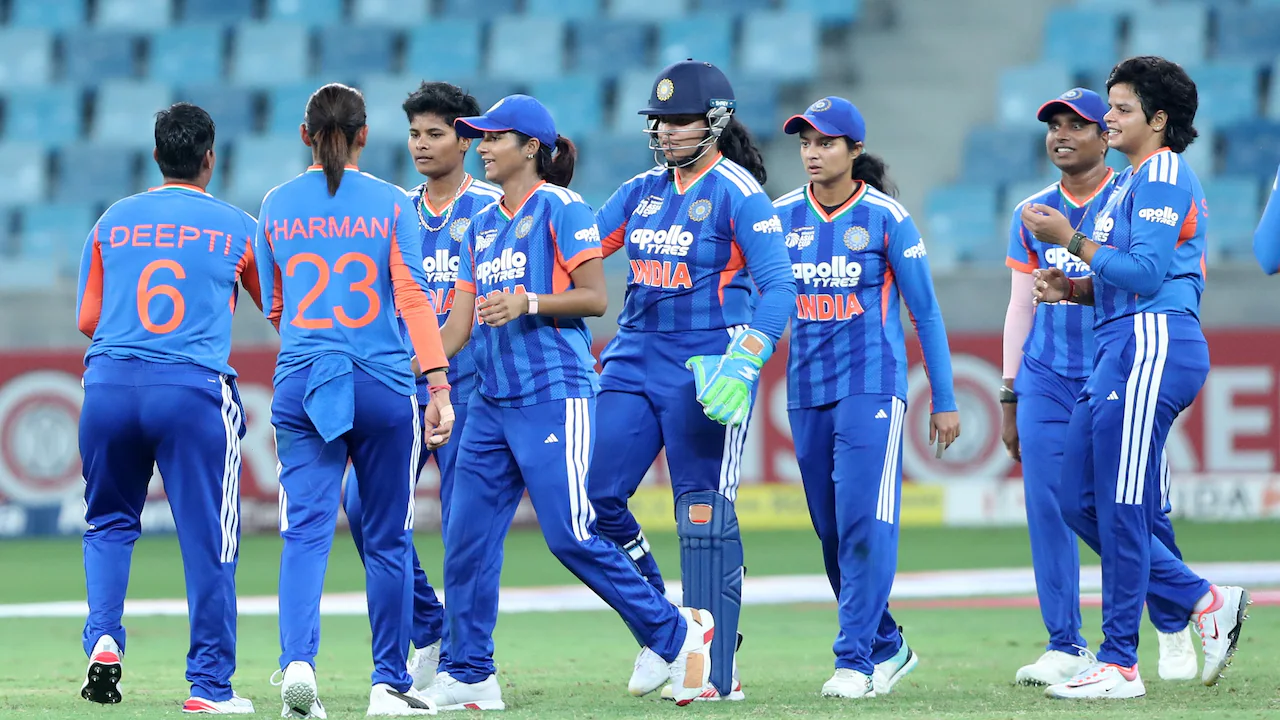
Bangladesh Reached the Asia Cup Semifinal. The Next Level Is Turning Chances Into Pressure
Before facing India, Sharmin Akhter said aspiring champions have to play the strongest teams. Bangladesh’s 40-run semifinal defeat showed exactly what that next level demands: sharper fielding, more batting pressure and fewer opportunities handed back to elite opponents.
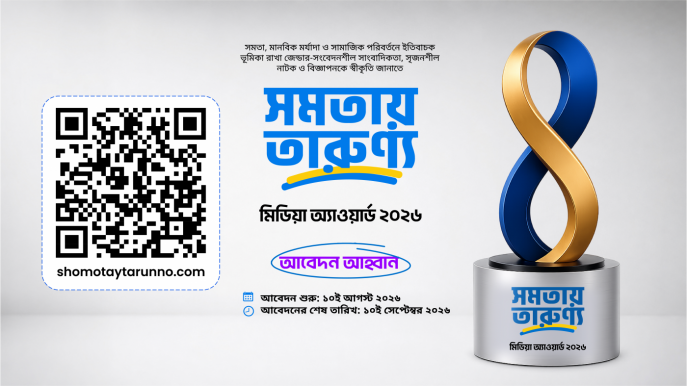
Last Day: Bangladesh’s Gender-Sensitive Media Award Is Accepting Journalism, Drama and Advertising Until September 10
Journalists, producers and creative professionals have until 10 September to submit eligible work for the Shomotay Tarunno Media Award 2026. Eight categories cover print, television, online journalism, entertainment reporting, drama and advertising, with gender-sensitive representation at the centre of judging.

Saima Wazed Resigns From WHO Regional Role After Committee Recommends Her Removal
Saima Wazed has resigned as WHO South-East Asia Regional Director after the regional committee recommended terminating her appointment. WHO has raised misconduct allegations that Wazed denies, while she says the organisation prevented her from performing her duties. For leadership, representation and accountability have to coexist.
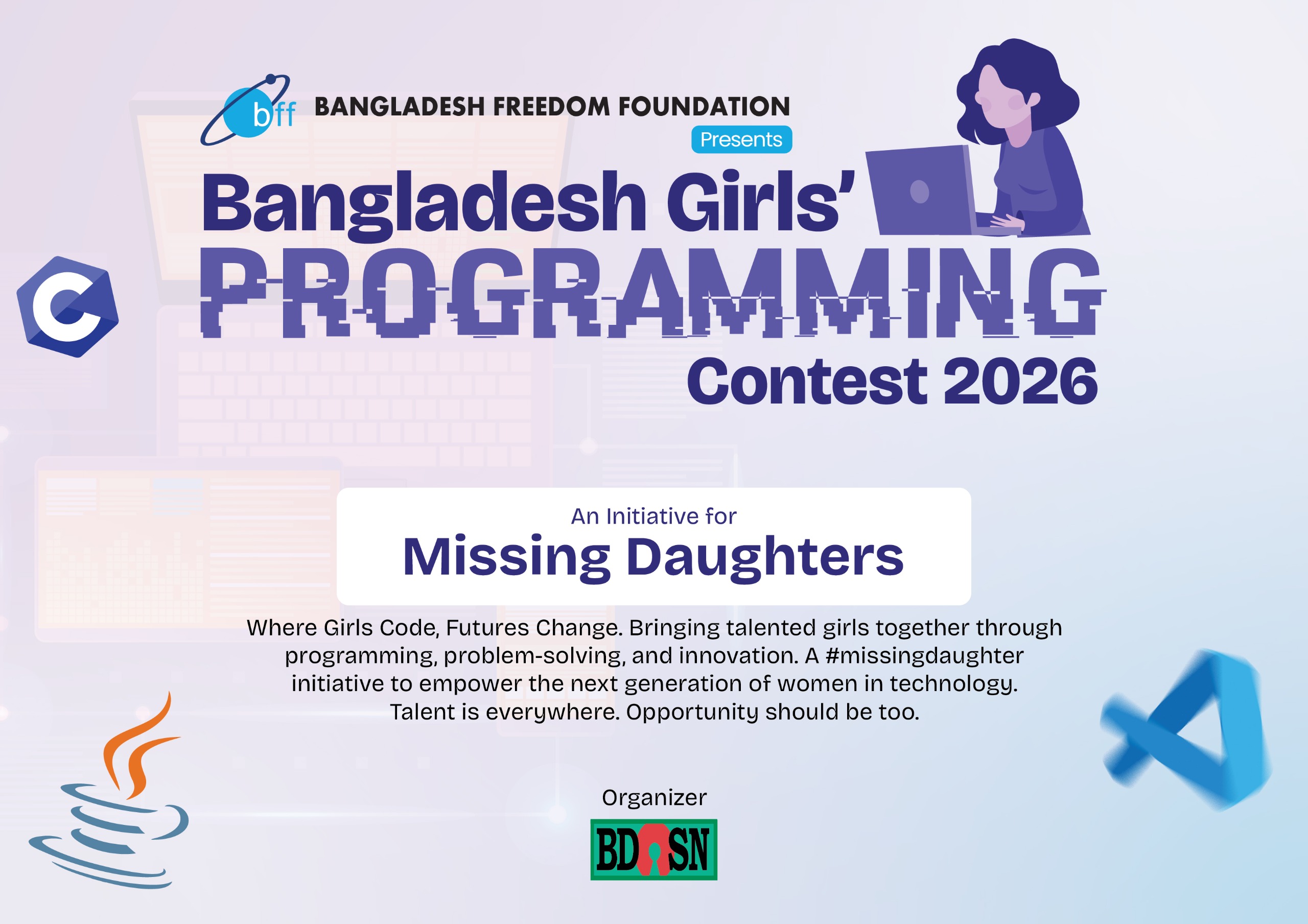
Bangladesh’s ‘Missing Daughter’ Is Back—with a National Programming Contest Built Only for Girls
Bangladesh Open Source Network has revived its Missing Daughter initiative with the Bangladesh Girls Programming Contest 2026, giving school, college, polytechnic and university girls a dedicated route from preliminary rounds to a national final in Dhaka.
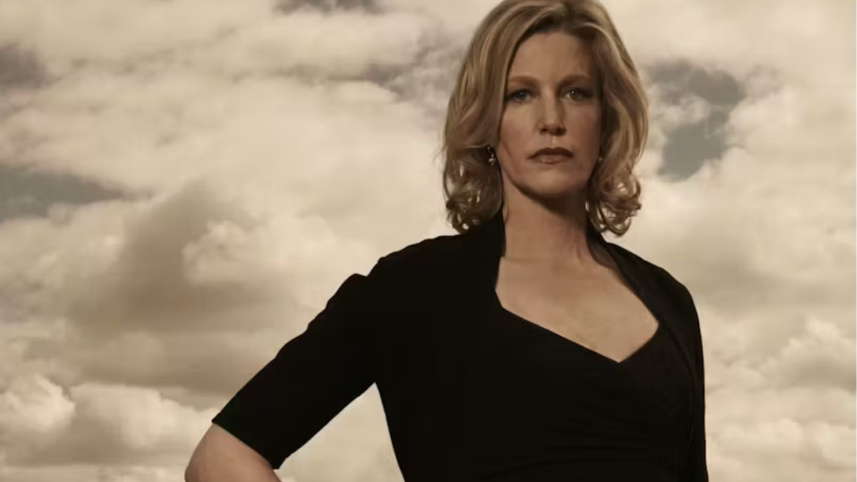
Why Can a Male Character Be Dangerous While a Woman Is Condemned for Being Difficult?
A fresh Bangladeshi pop-culture commentary asks why audiences routinely give morally compromised men narrative complexity while women are punished for being annoying, ambitious or unwilling to please. Bangladesh’s own celebrity culture shows the double standard does not stop with fictional characters.

WHO Says Bangladesh Has Crossed a Maternal-Mortality Milestone. It Is Not the Finish Line
WHO has recognised Bangladesh for bringing maternal mortality below the Ending Preventable Maternal Mortality benchmark of 140 deaths per 100,000 live births. That is substantial progress—but it should not be confused with the global SDG target of fewer than 70.
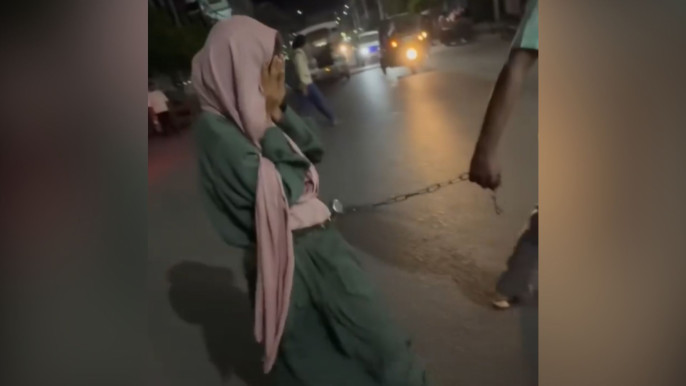
A 16-Year-Old Was Chained and Dragged Over a Theft Allegation. An Accusation Is Not Permission to Punish a Child
Three men have been arrested after a 16-year-old girl was allegedly beaten, chained around the waist and dragged through a Sylhet street over a theft allegation. Bangladesh law allows limited citizen detention in specific circumstances—it does not authorise public punishment.
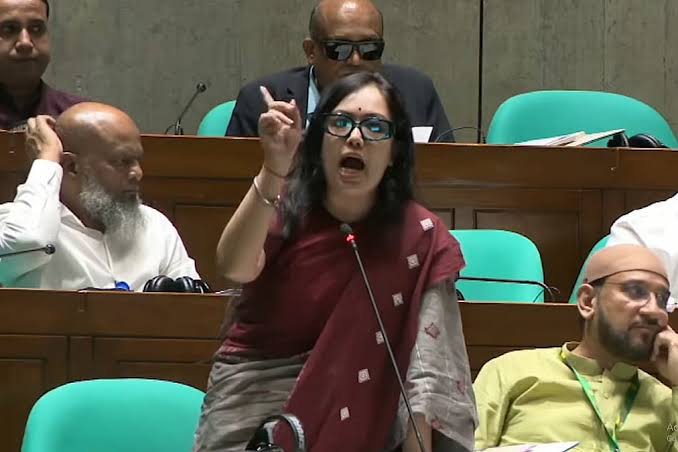
Rumeen Farhana Criticised the Government. Parliament Erupted. Her Right to Be Heard Should Not Depend on Agreement
Independent MP Rumeen Farhana’s criticism of the government over energy shortages, loan defaults and banking policy triggered loud protests from ruling-party lawmakers. In a parliament where only seven women won constituency seats, protecting substantive disagreement matters for women’s political voice as much as representation itself.

Bangladesh’s Banks Are Hiring More Women Again. Why Are So Few Reaching the Top?
Bangladesh’s banks added 910 women employees in the first half of 2026. But women still make up just 16.5% of the banking workforce—and only around one in ten senior-level employees. New central bank data suggest that hiring women is only part of the challenge.

India’s First Endometriosis Genome Study Adds South Asian Data—but No Diagnostic Test
Researchers found 21 suggestive genetic regions in Indian women with surgically confirmed endometriosis. The work starts to correct an ancestry gap in research, but the signals are not ready to diagnose disease or predict any woman’s risk.
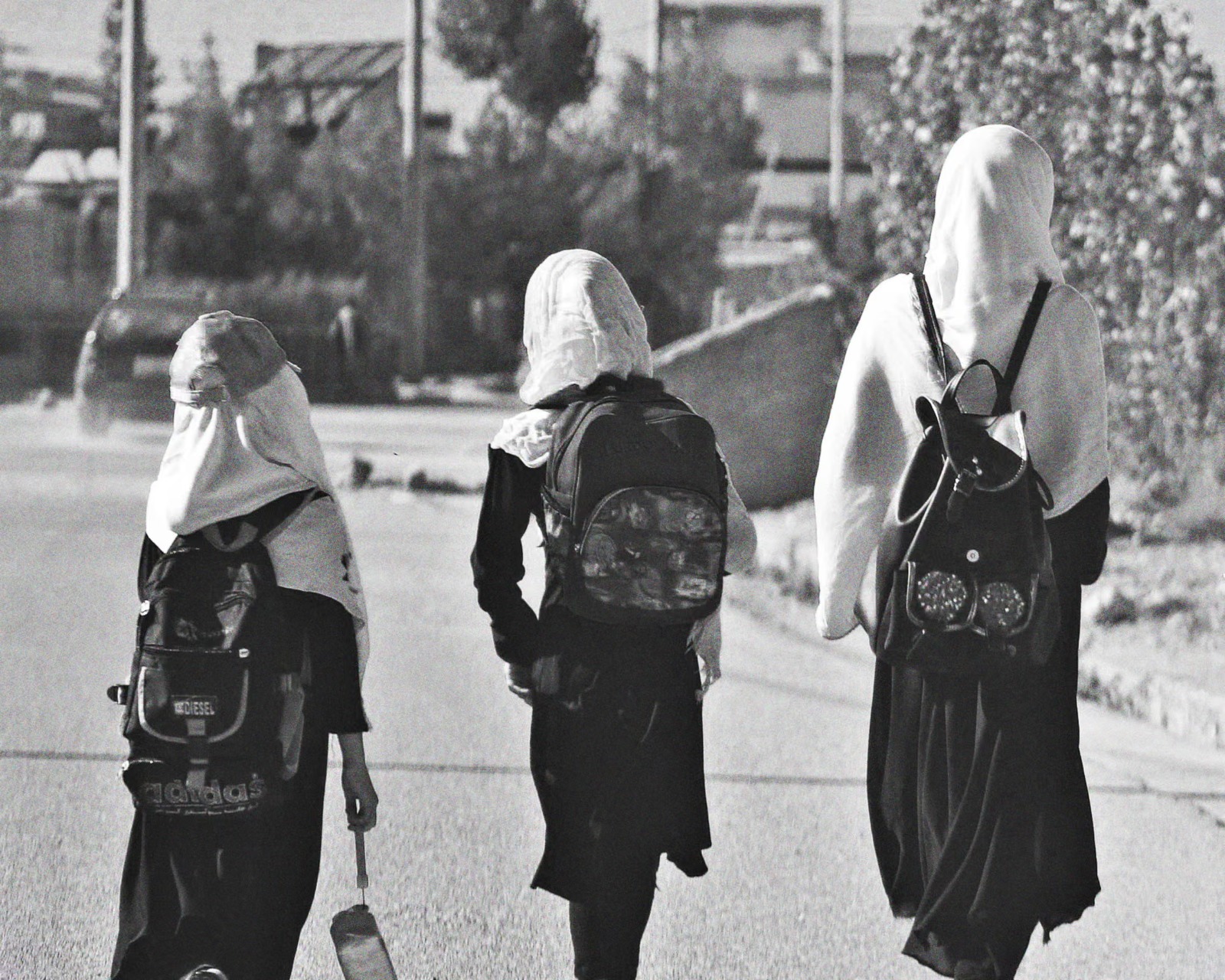
Three Afghan Sisters Keep Studying After Deportation Closed Every Official Door
Maahi, Shallah and Fatimah were expelled from Iran into a country where the Taliban bars girls from secondary school and women from university. Their unofficial lessons in Herat show both the determination of Afghan girls and the cost of policies that refuse to recognise their education.
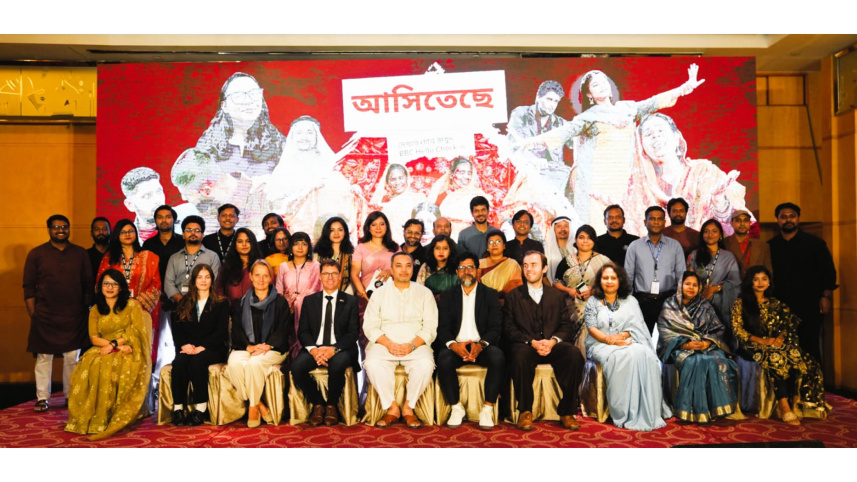
# Stopping One Wedding Isn’t Enough: Why Bangladesh’s Child-Marriage Fight Has to Change What Families Believe
A new Bangladesh campaign is taking aim at something harder to change than the law: the social beliefs that continue to make child and forced marriage seem acceptable, necessary or even protective for girls
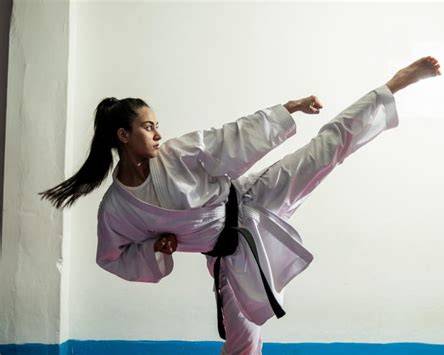
Women Outnumber Men in Bangladesh’s Asian Games Team. So Why Are So Few Coaches and Officials Women?
Bangladesh will send more women than men to the 2026 Asian Games—a striking sign of how far women athletes have progressed. But behind the athletes, the gender balance changes dramatically: just 12 of the contingent’s 73 coaches and officials are women.
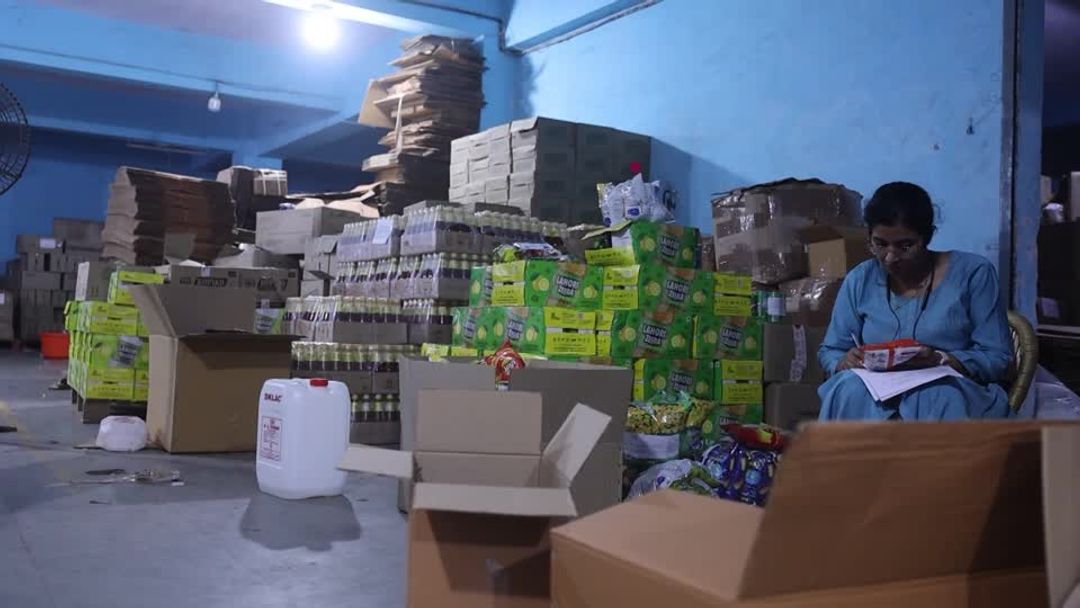
India’s Food-Label Fight Turns on a Two-Nutrient Loophole
: Health advocates have asked India’s Supreme Court to reject warning-label rules that may leave a high-sugar product unmarked unless another nutrient also exceeds limits. The case will test whether front-of-pack labels communicate a real risk or merely the appearance of regulation.
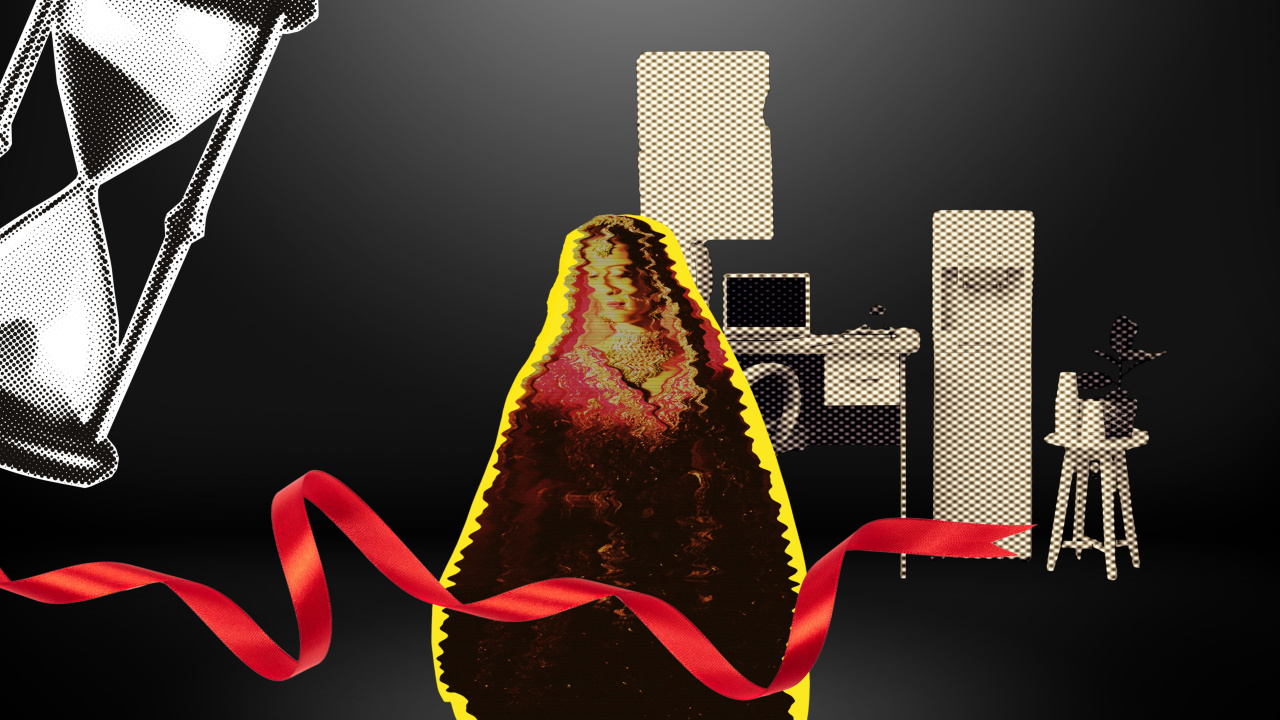
Bangladeshi Women Should Not Need a Deadline for Marriage
A new first-person essay from a Bangladeshi university teacher describes the relentless questions unmarried women face about age, appearance and marriage. The deeper issue is not whether women marry—it is why society continues to treat marriage as a deadline against which a woman’s life is measured.
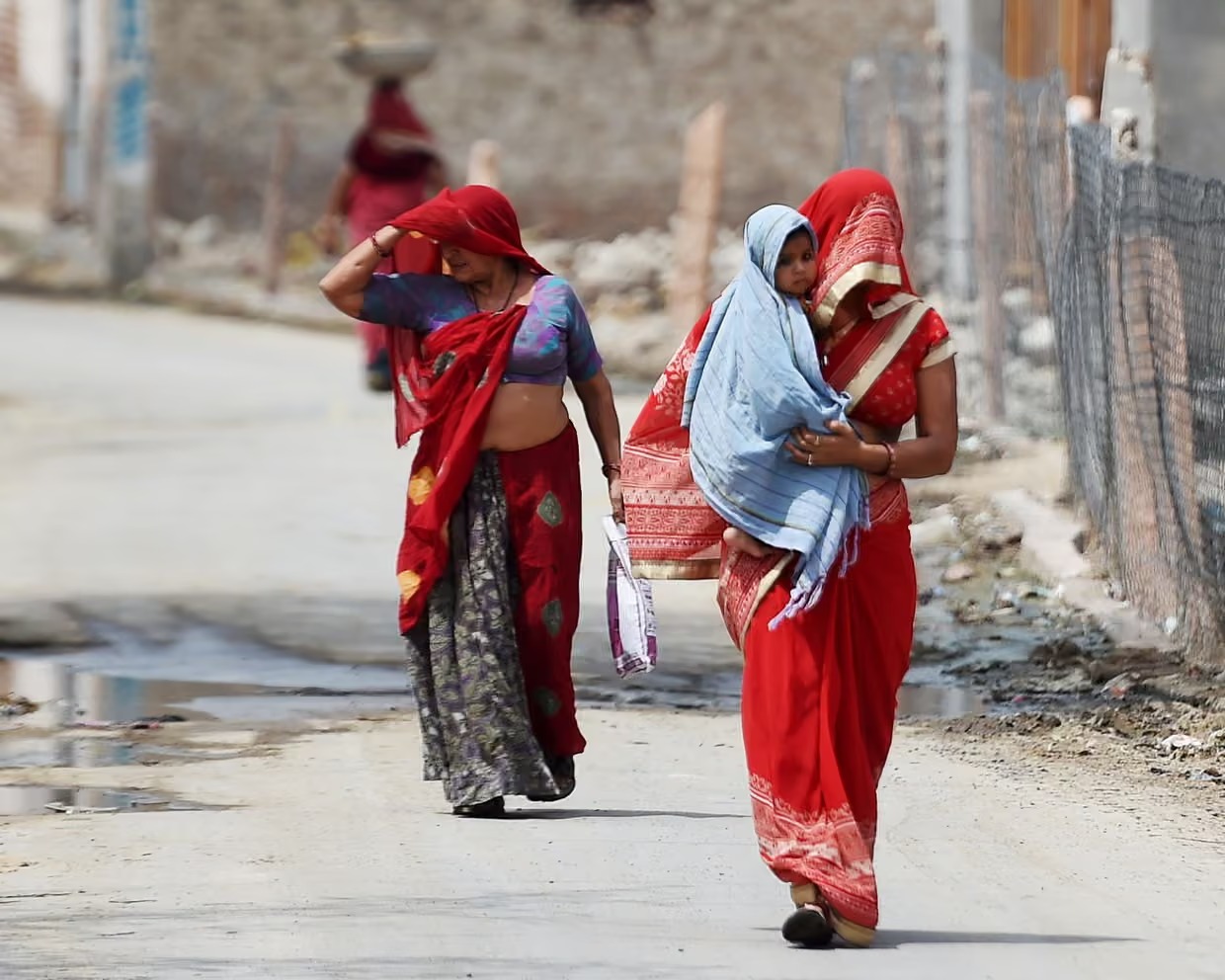
A Child-Marriage Film Project Claims a Big Attitude Shift—Now It Needs Open Evidence
Far Too Young says film-led community work across Bangladesh, India and Nepal changed attitudes toward child marriage and can reach 100 million people. Narrative tools may scale where field budgets are shrinking, but the project’s striking impact claim needs independent publication.

Bangladesh Women Face Sri Lanka With a Semifinal Place—and a Bigger Goal—on the Line
Bangladesh’s women face defending champions Sri Lanka tonight knowing a victory could secure their place in the Women’s Asia Cup semifinals. But for Nigar Sultana Joty’s side, the ambition is bigger: after repeatedly reaching the last four, they want to finally return to the final.
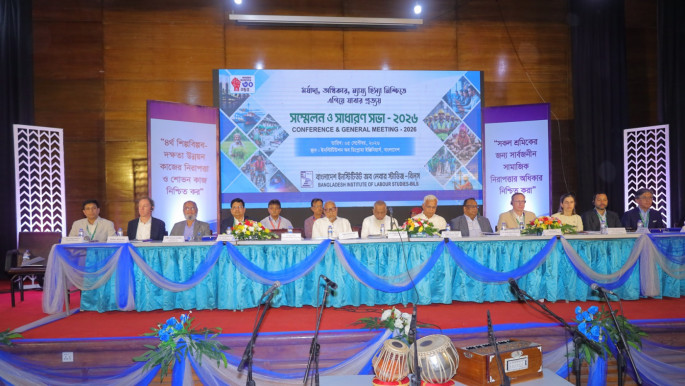
Women Make Up More Than Half of Bangladesh’s Garment Workforce. Why Aren’t More Leading the Unions?
Bangladesh’s labour movement is calling for more women in trade-union leadership. With women making up about 54% of the garment workforce, the question is no longer simply whether women work—it is whether they have an equal voice when wages, safety and workplace rights are negotiated.
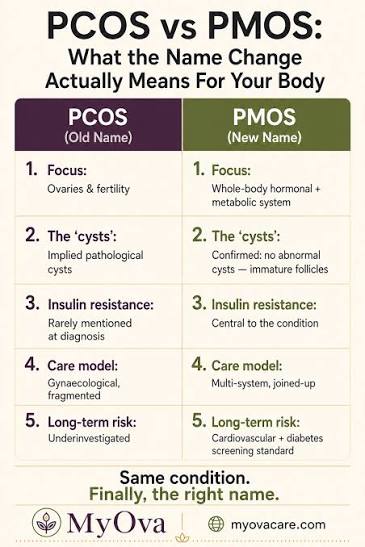
PCOS Has a New Name: What Women Should Know About PMOS
A condition millions of women know as PCOS is now being called Polyendocrine Metabolic Ovarian Syndrome, or PMOS. The new name does not mean your previous diagnosis was wrong—it is intended to better reflect what the condition actually does throughout the body.
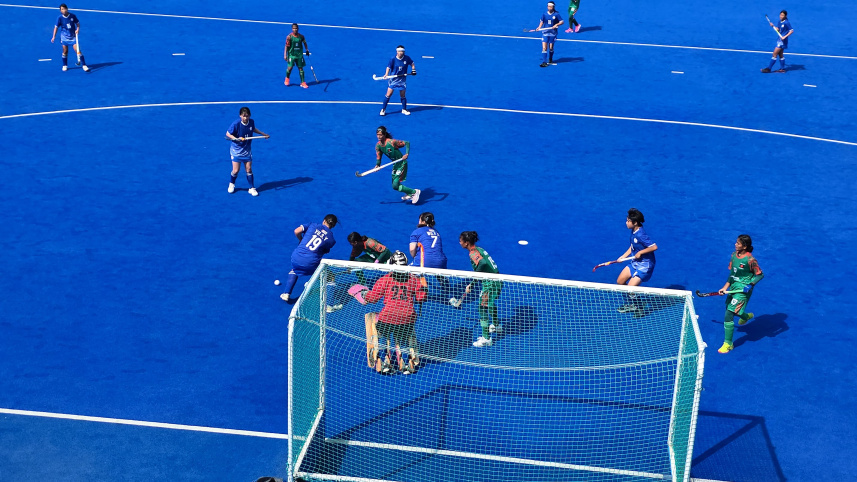
Seven Goals, One Statement: Bangladesh’s Young Women Open Junior Asia Cup in Style
Bangladesh’s U-20 women’s hockey team began its Junior Asia Cup campaign with a commanding 7–0 victory over Chinese Taipei. Beyond the scoreline, the result comes at an important moment for a sport trying to build a stronger pathway for Bangladeshi girls.

When Political Criticism Turns Gendered: Oli Ahmad’s Remarks on Rizwana Hasan Raise a Wider Question
A senior political leader’s derogatory remarks about Syeda Rizwana Hasan went beyond disagreement over politics, targeting her as a woman and questioning her religious beliefs. The episode points to a wider challenge facing women in Bangladesh’s public life.
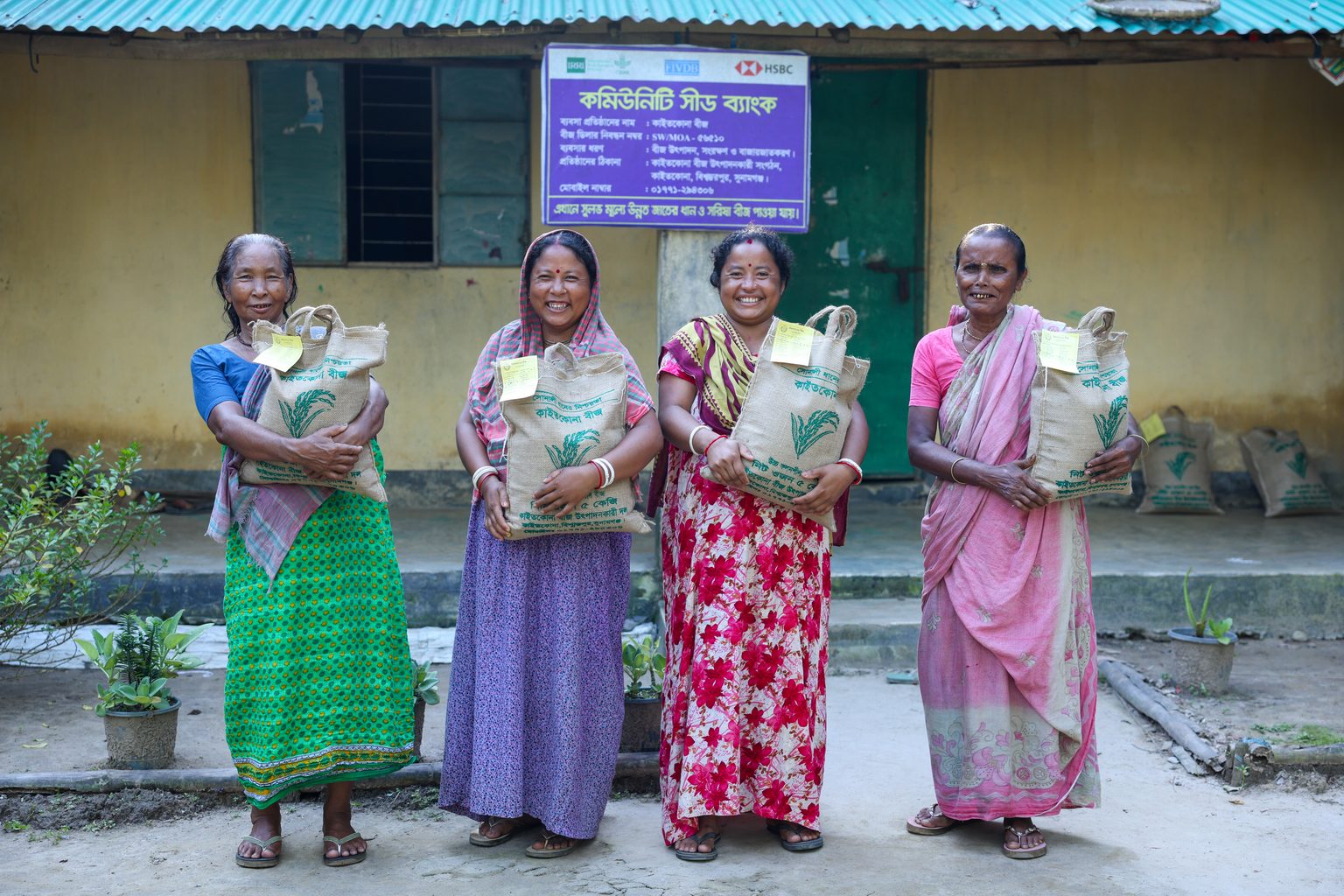
Bangladesh’s Women Have Saved Seeds for Generations. Could Orange Bonds Help Them Build Businesses?
More than 3,000 Bangladeshi women farmers have established community seed enterprises and seed banks through IRRI-supported programmes, but many remain too small to scale. A new analysis asks whether gender-focused Orange Bond financing could help women-led seed businesses access the working capital they need.

Bangladesh Signs a Global Women-in-Sport Commitment. Now Athletes Need to See What Changes
Bangladesh has formally joined the Brighton and Helsinki Declaration on Women and Sport, committing to stronger equality, participation, representation and safety for women in sport. The real test now is whether those principles lead to better facilities, stronger safeguarding, more leadership roles and fairer investment for female athletes.

They Told Fatema Surfing Wasn’t for Girls. At 17, She’s Taking Bangladesh to the Asian Games
Seventeen-year-old surfer Fatema Akter from Cox’s Bazar is heading to the Aichi-Nagoya Asian Games after six years of training through criticism, financial pressure and limited preparation opportunities. Her journey shows both how far Bangladeshi girls can go—and how much more support they still need.

Six-Year-Old Ayesha’s Body Exhumed as Questions Over Her Death Return to Investigators
The body of six-year-old Ayesha Akter has been exhumed in Homna, Cumilla, 17 days after her death, following a court order for a fresh autopsy. Her father has alleged possible sexual assault and murder, but police say the cause of death remains undetermined and must be established through medical evidence and investigation.
249 Women and Children Faced Violence in August. Nearly Six in 10 Reported Rape Victims Were Children
Human Rights Support Society recorded violence against at least 249 women and children across Bangladesh in August, including 79 reported rape victims. Forty-six of those rape victims were children—nearly 58%—according to the organisation’s monthly monitoring.

Final Days: 23 Women Artists Refuse to Let Suffering Define Womanhood in ‘Lobongolotika’
A major group exhibition at Edge Gallery brings together 23 women artists to explore autonomy, imagination, desire, joy and creative power—challenging the idea that women’s strength must always be defined through suffering or sacrifice.
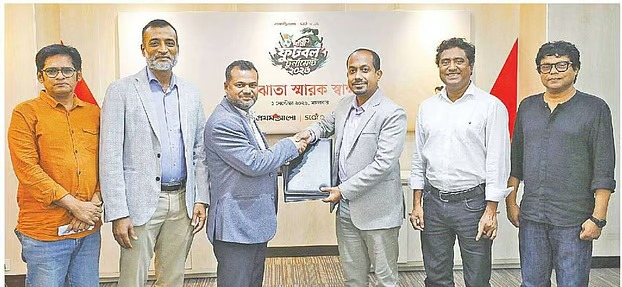
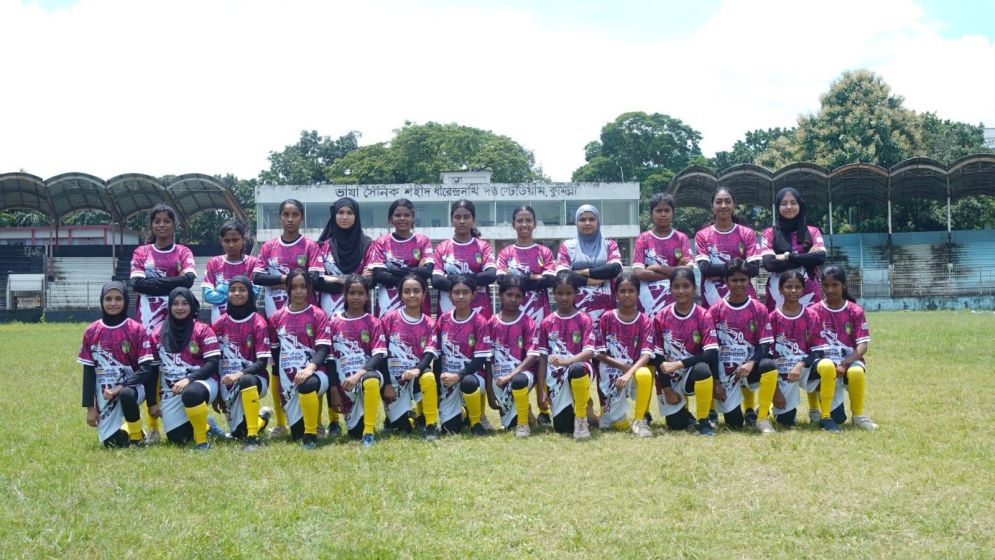
A New Tournament Will Give 37 Grassroots Women’s Football Academies Something They Need: Matches
Thirty-seven women’s football academies from across Bangladesh are set to compete in a new nationwide tournament beginning with regional knockout rounds and ending in Dhaka, creating something grassroots players often lack: regular competitive exposure and a clearer route toward elite football.
Women’s Hockey Drive Opens in Khagrachhari With a Focus on Talent Beyond the Big Cities
A new grassroots women’s hockey development programme has begun in Khagrachhari, with Bangladesh Hockey Federation and BRAC Bank aiming to bring more girls and women—particularly from the hill districts—into organised sport and long-term hockey development.
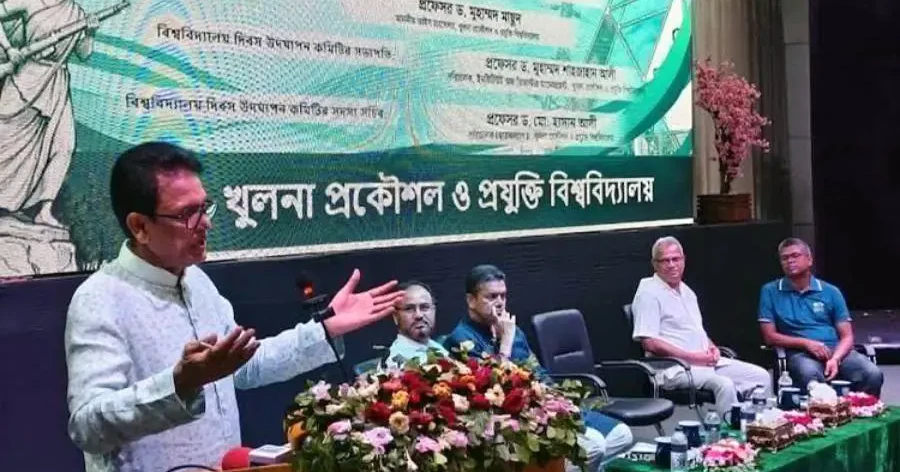
Bangladesh Plans Bicycles for Secondary Schoolgirls. The Next Question Is Who Gets One—and When
Bangladesh’s education minister has announced a plan to distribute bicycles to secondary-school girls nationwide to encourage female education. The proposal could reduce transport barriers for students, but key details—including budget, eligibility, rollout date and total coverage—have not yet been published.
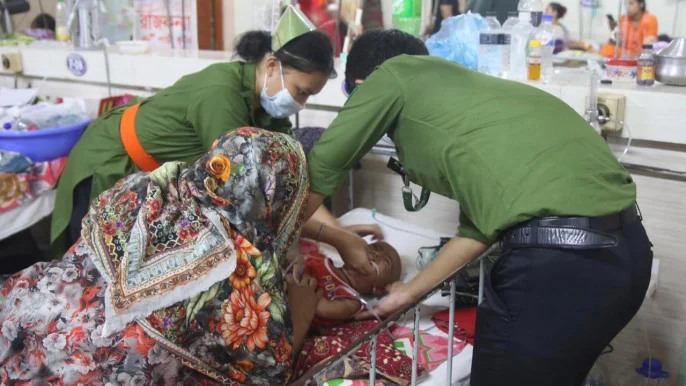
Four More Children Die as Bangladesh’s Measles Crisis Pushes Combined Toll to 983
Four more children have died with measles-like symptoms in Bangladesh, taking the combined number of confirmed and suspected measles-related deaths to 983. Of those deaths, 99 are laboratory-confirmed and 884 remain classified as suspected, according to DGHS data.
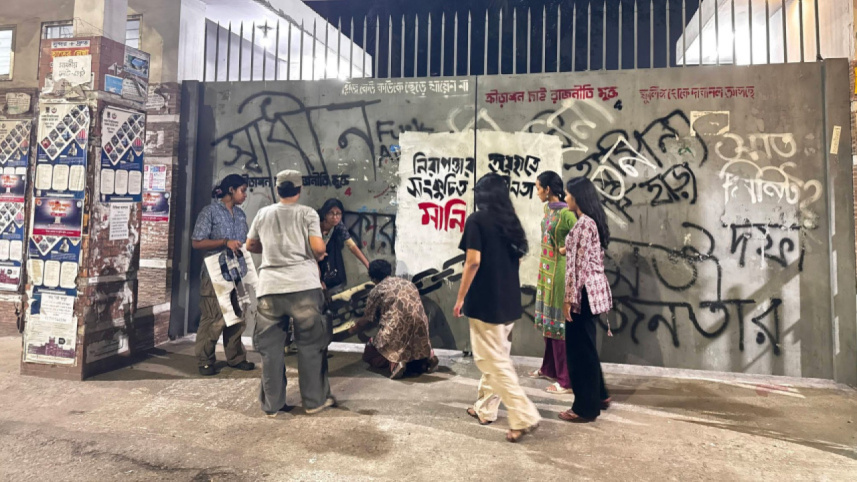
Dhaka University Gives Women One More Hour. Students Are Asking Why They Need a Curfew at All
Dhaka University has extended the closing time of women’s residential halls from 10pm to 11pm after weeks of student protests. But campaigners are still demanding 24-hour access, arguing that women should not have less freedom of movement than male students in the name of safety.
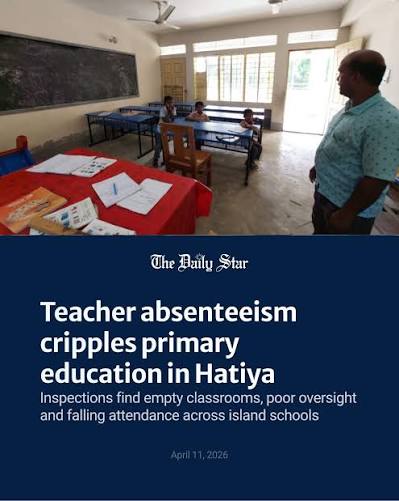
A Fifth-Grader Spoke Up. Now a Rangpur Teacher Is Suspended
An assistant teacher at a government primary school in Gangachara has been suspended after a Class Five student alleged sexually inappropriate behaviour during class. Other female students have since reportedly raised similar concerns, while authorities say a formal investigation is underway.
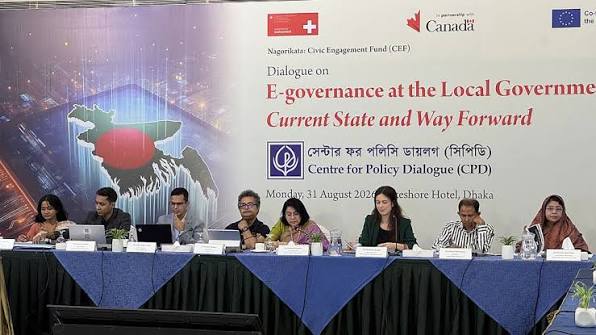
Bangladesh Calls Them E-Services. 68% of Women Still Face an Offline Step
A new Centre for Policy Dialogue study finds that only 31.9% of surveyed women could complete government e-services entirely online. For the remaining 68.1%, at least part of the process still required paperwork or offline interaction—raising questions about whether Bangladesh’s digital public services are truly designed around women’s lives.
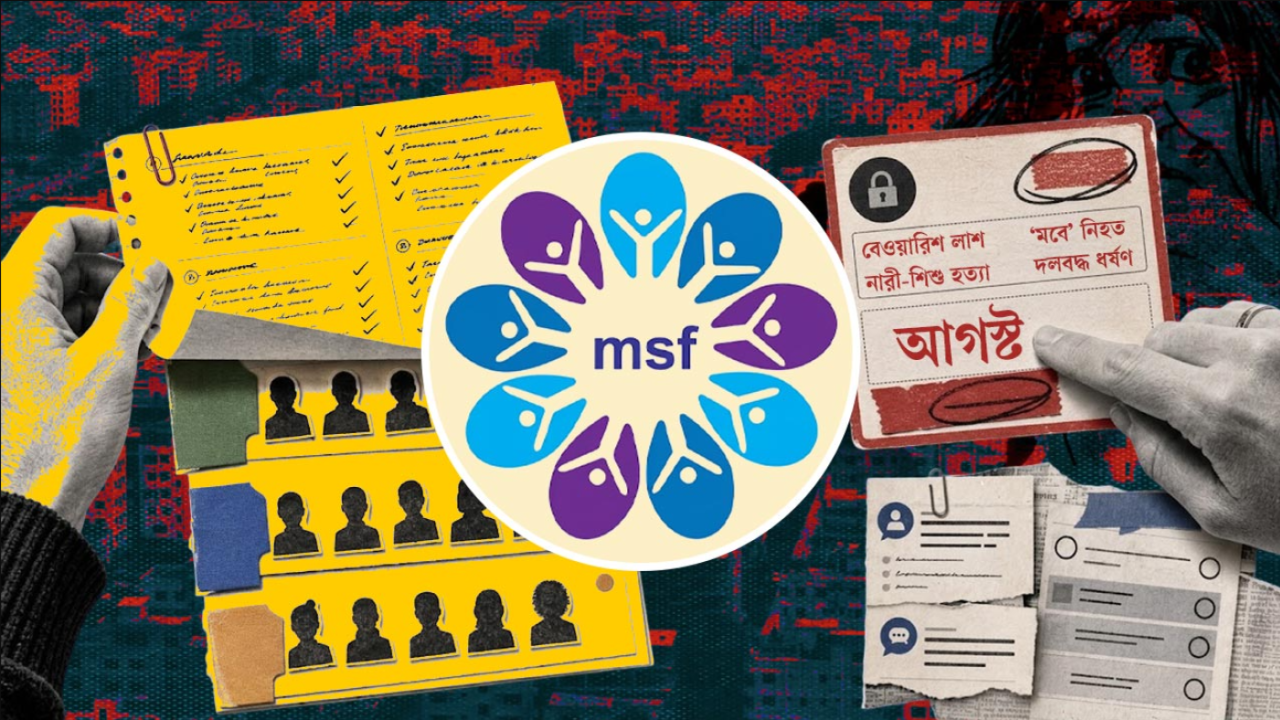
Murders and Gang Rapes of Women and Children Rose in August, Rights Monitor Warns
A human-rights monitor recorded a sharp rise in some of the most severe forms of violence against women and children in Bangladesh in August, including 91 murders and 12 gang rapes. The figures come from rights-group monitoring rather than a complete national crime database, but the month-to-month increase has raised fresh concerns over safety and accountability.
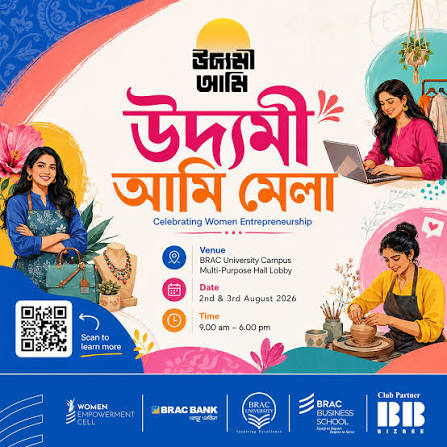
Deadline Tomorrow: BRAC University Programme Offers Women Entrepreneurs Training and Seed-Money Opportunity
Bangladeshi women entrepreneurs have until August 31 to apply for Venture Maestras — Udyomi Ami, a BRAC University programme offering business training, mentoring, an industry visit and a boot camp, with seed-money opportunities of up to Tk100,000 for top participants.
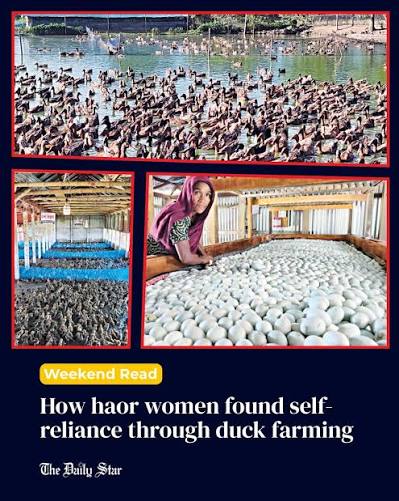
In Jashore, Small Livelihood Grants Put Economic Tools Directly in Women’s Hands
A local support programme in Jashore has provided sewing machines to economically disadvantaged women from ethnic-minority communities, while women entrepreneurs received agricultural processing equipment and students gained scholarships and bicycles—small interventions aimed at expanding both income and education opportunities.
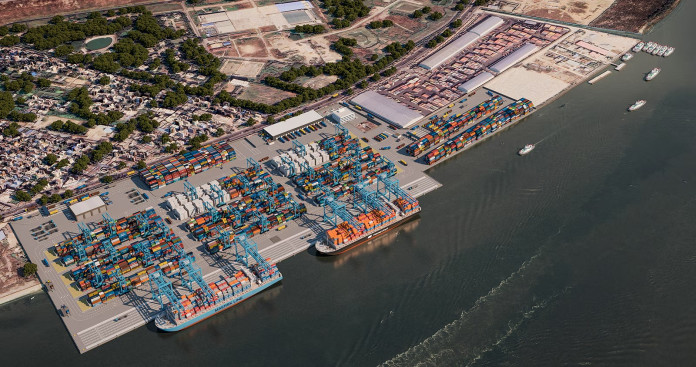
As Laldia Terminal Breaks Ground, Will Bangladesh Deliver on Its Promise of Port Jobs for Women?
Bangladesh’s $550 million Laldia Container Terminal is moving into construction with an earlier government promise to ensure women’s active participation. As one of the country’s biggest new logistics investments takes shape, the question is whether that commitment will translate into measurable jobs, training and career pathways for women.
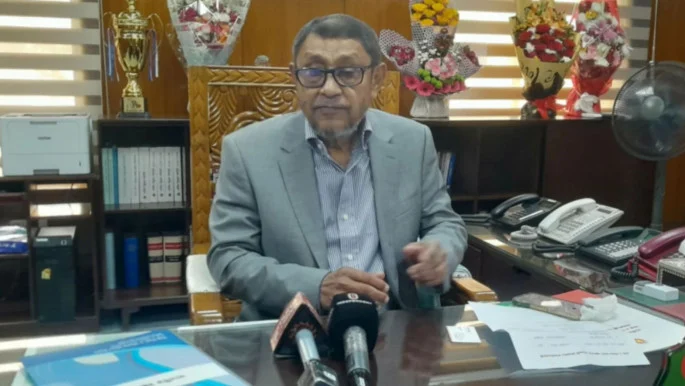
Bangladesh Plans New Measles Vaccination Drive as Parents Are Urged Not to Miss Children’s Doses
Bangladesh is preparing another nationwide measles vaccination campaign within the next three weeks, according to the health minister, as authorities urge parents—especially mothers—to make sure children do not miss routine and campaign doses.

Bangladesh Police Ordered to Speed Up Rape Investigations—Now the Test Is Delivery
Bangladesh’s police chief has instructed officers to accelerate rape investigations, reduce case backlogs and improve conviction rates. For survivors, the real test will be whether those orders lead to faster evidence collection, stronger case supervision and fewer investigations stalled by delay.
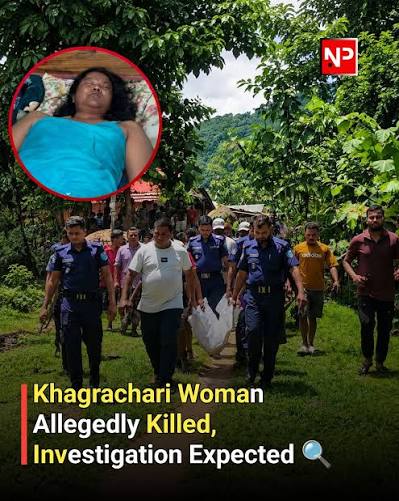
Police Investigate Death of Tripura Woman in Khagrachhari as Family Alleges Sexual Violence
Police are investigating the death of 30-year-old Nika Tripura in Mohalchari, Khagrachhari, after relatives alleged that she had been raped and killed. Authorities say the allegation has not yet been confirmed and that the investigation and autopsy findings will be crucial in establishing what happened.
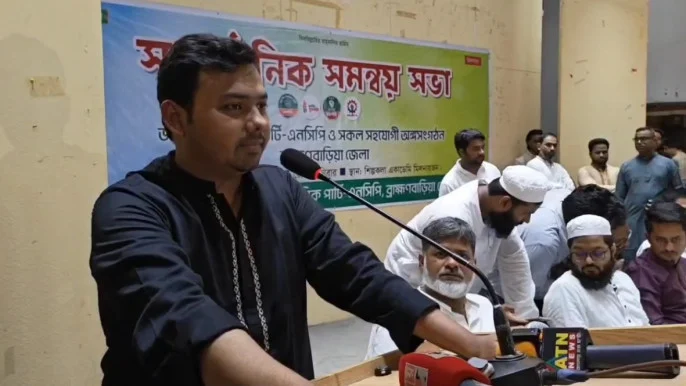
A Warning to Rumeen Farhana Tests the Space for Political Dissent in Bangladesh
An NCP leader has publicly warned independent MP Rumeen Farhana over what he described as her defence of the Awami League, using her election symbol—the duck—as part of a pointed political metaphor. The exchange raises a wider question about how much room elected representatives have to take unpopular positions without facing personalised threats or intimidation.
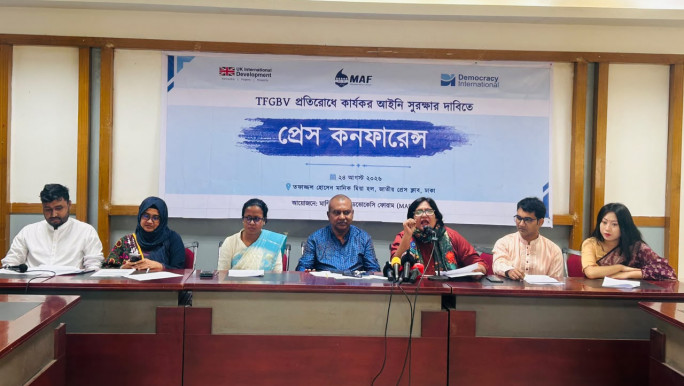
Deepfakes, Sextortion and Doxxing: Why Women’s Digital Safety Is Becoming a Legal Test for Bangladesh
A multiparty advocacy forum wants Bangladesh’s Cyber Security Act amended to explicitly address technology-facilitated gender-based violence, including deepfakes, cyberstalking and sextortion.
More Men Are Getting Dengue, but Women Are Dying at a Higher Rate
Women account for only 38.1% of Bangladesh’s reported dengue cases this year but 58.6% of deaths, according to DGHS data—a gender gap doctors say needs urgent attention even though its exact causes are not yet established.

A Headteacher Left Bogura for Medical Care. A Mugging Near Parliament Cost Her Life
The death of primary-school headteacher Ranjina Parvin after a bag-snatching attempt in central Dhaka raises a wider women’s-safety question: how free is mobility when an ordinary journey can turn deadly?
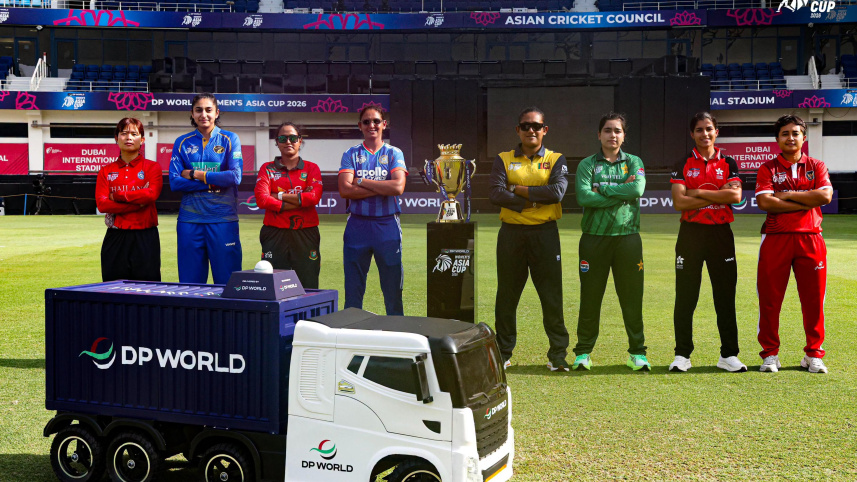
Joty’s Bangladesh Enter Women’s Asia Cup With One Goal: Break the Semifinal Barrier
Bangladesh begin their 2026 Women’s T20 Asia Cup campaign against Indonesia on August 31, with captain Nigar Sultana Joty setting a clear target for the Tigresses: stop settling for semifinal appearances and reach the final.

Period Pain Should Not Be a Test of How Much a Woman Can Endure at Work
A fresh call for menstrual leave in Bangladesh is reopening an uncomfortable workplace question: should women experiencing severe period symptoms have to choose between their health, attendance record and professional reputation?
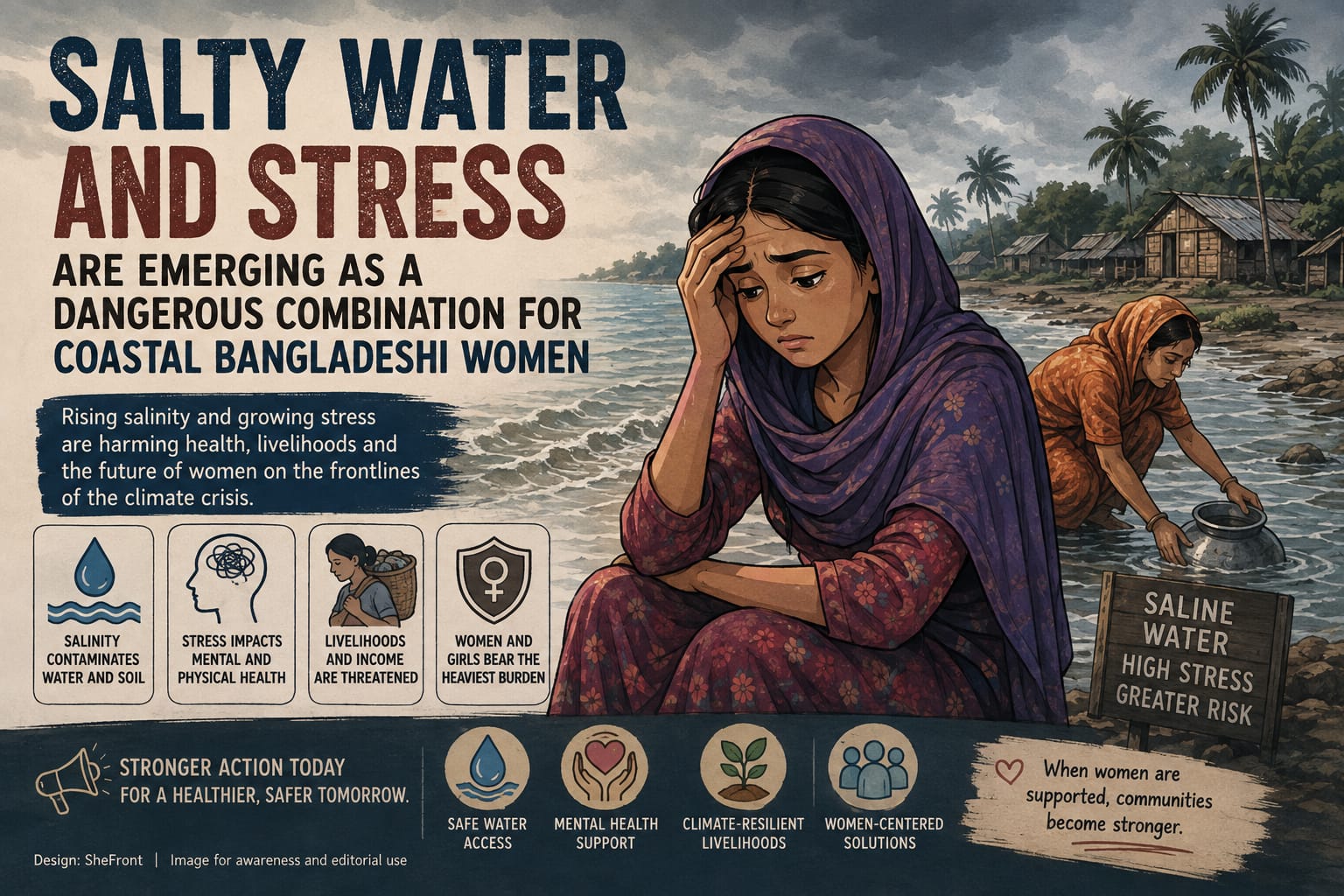
Salty Water and Stress Are Emerging as a Dangerous Combination for Coastal Bangladeshi Women
New research from coastal Bangladesh suggests that women exposed to both highly saline drinking water and severe psychological distress may face substantially higher odds of hypertension, adding to growing evidence that climate change is becoming a direct women’s health issue.
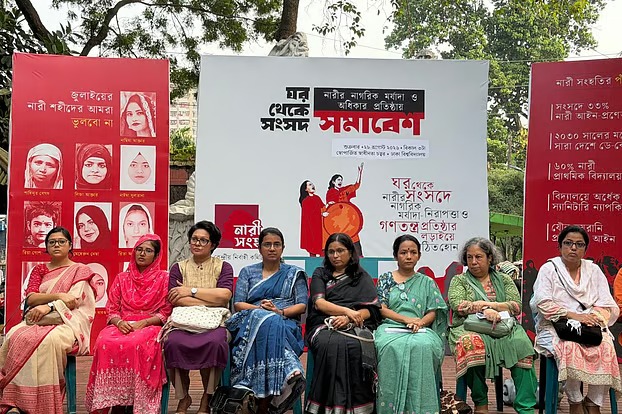
From Parliament to Daycare: Women’s Group Sets Out Five Demands for a More Equal Bangladesh
Women’s rights organisation Nari Samhati has presented a five-point agenda calling for 33% women lawmakers, nationwide daycare expansion, restored recruitment of women primary teachers, affordable menstrual products in schools and swift passage of sexual-harassment legislation.
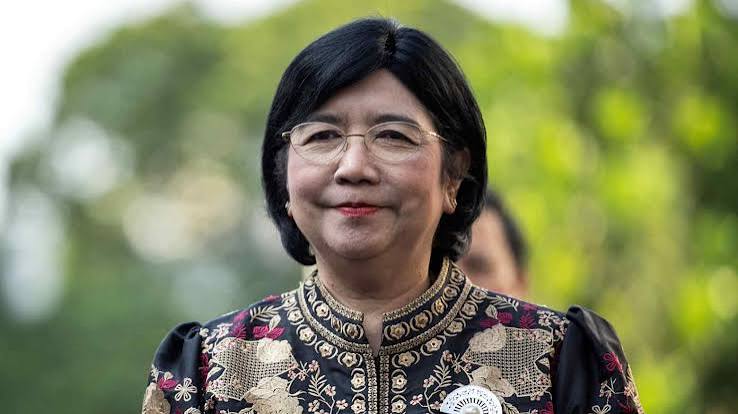
Destry Damayanti Moves Closer to Becoming Bank Indonesia’s First Woman Governor
A parliamentary committee has backed Destry Damayanti to lead Indonesia’s central bank from 2026 to 2031. Her expected elevation is historic, but her real test will be preserving monetary independence under political pressure for faster growth.

Afiza Abdullah Takes Charge of Malaysia’s Deposit-Protection Agency
Afiza Abdullah begins a three-year term leading the institution responsible for protecting depositors and preparing for bank failures. Her appointment places a woman at the centre of financial crisis planning, where authority is rarely visible until something goes wrong.
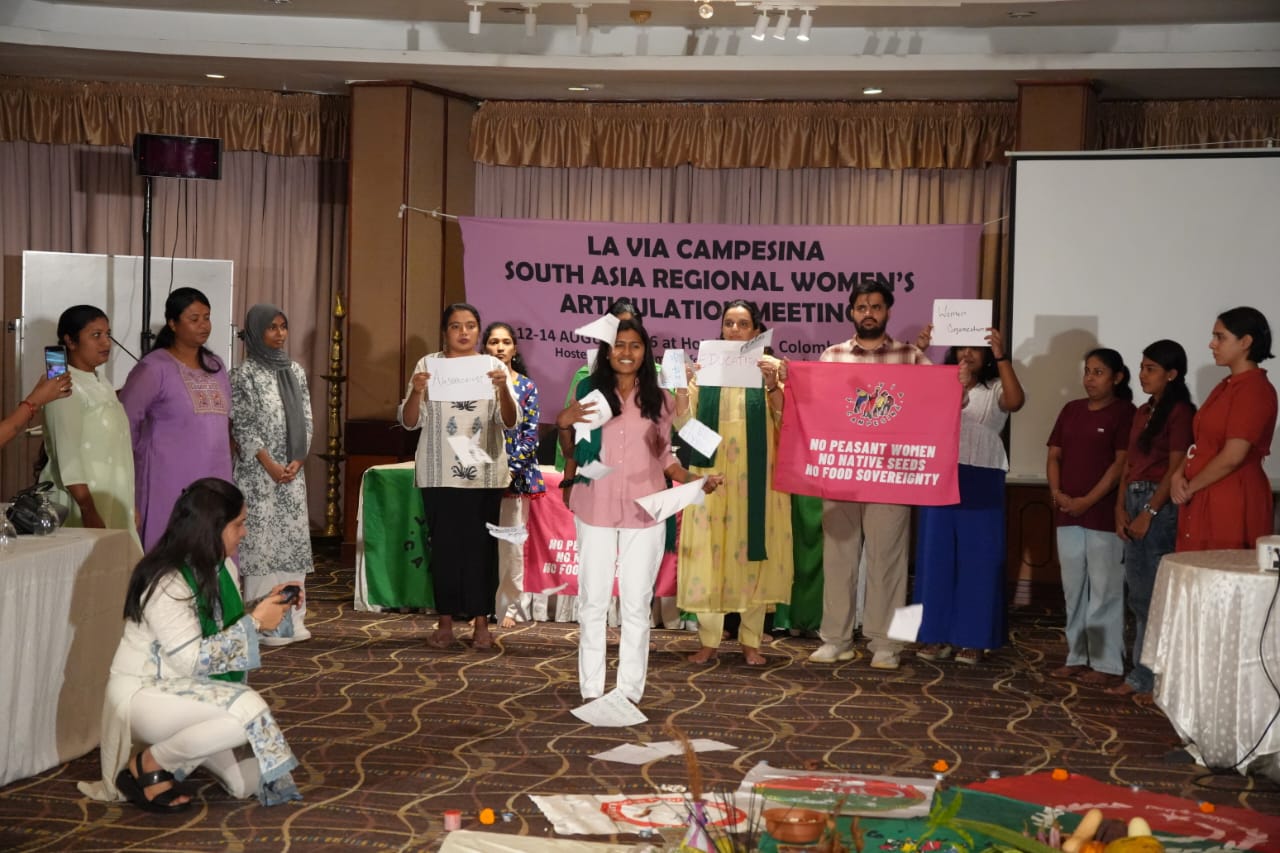
Women Athletes Deserve a Better Debate Than Biology Versus Belonging
New sex-eligibility rules have intensified disagreement over transgender and intersex participation in women’s sport. Athletes need policies grounded in evidence, privacy and procedural fairness—not hostility directed at individuals.
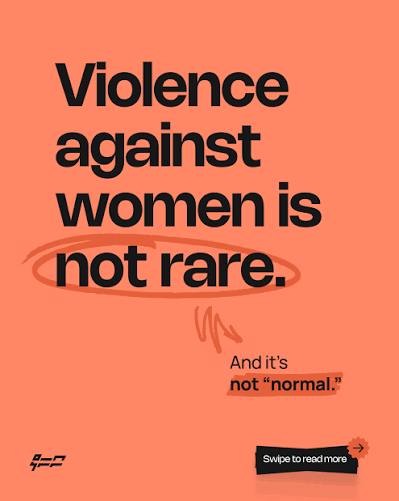
When Women Don’t Control Land, Are They More Vulnerable to Violence?
A new Dhaka discussion has put women’s land rights and violence back in the spotlight. The evidence shows a stark ownership gap: only a small minority of rural women have secure rights over agricultural land. But the relationship between landlessness, economic dependence and violence needs more careful attention than a headline statistic can provide.
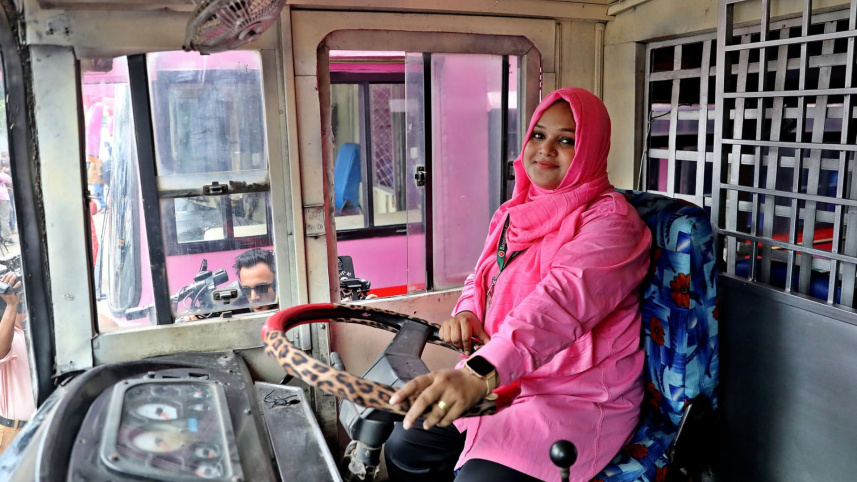
BRTC Is Recruiting Women Drivers for Pink Bus — Here’s Who Can Apply
Women aged 21 to 35 can attend walk-in driving tests in Gazipur from August 30 to September 1. Selected candidates will receive free heavy-vehicle training, with accommodation and meals covered by BRTC.
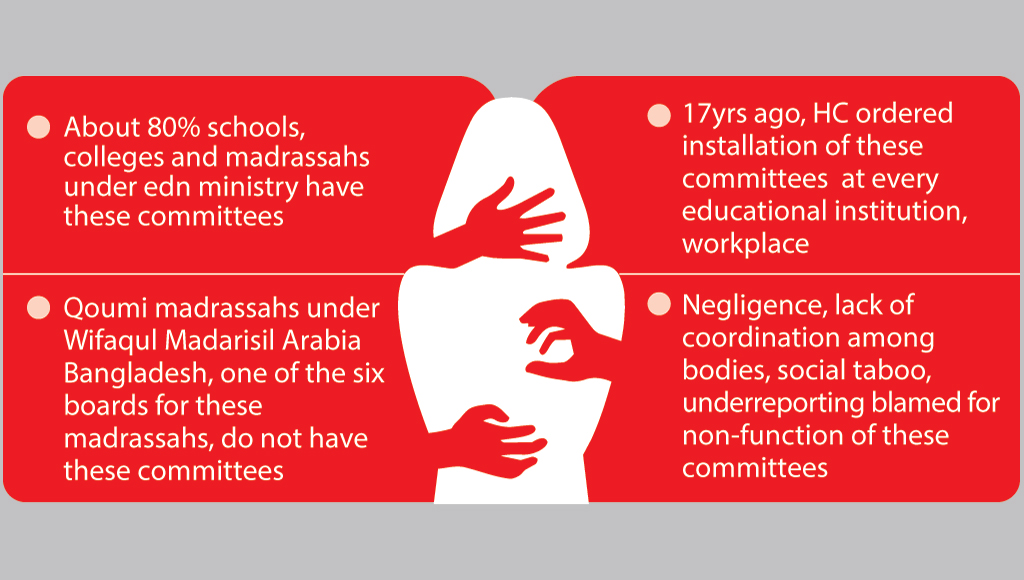
Bangladesh Universities Have Sexual-Harassment Committees. Why Aren’t Many of Them Working?
Seventeen years after the High Court ordered educational institutions to create formal complaint mechanisms, Bangladesh’s university regulator says many campus sexual-harassment committees are still not functioning properly. A new UGC–UN Women initiative is trying to close the gap between having a committee on paper and having a system students can actually trust.

New Social Protection Push Could Matter for Thousands of Bangladesh’s Women Garment Workers
BGMEA has brought more than 50 garment factories into an orientation on unemployment protection and digital labour records, highlighting a system that can provide temporary cash support to workers facing factory closure, accidents or maternity leave—an important safety net in a sector where women make up a large share of the workforce.
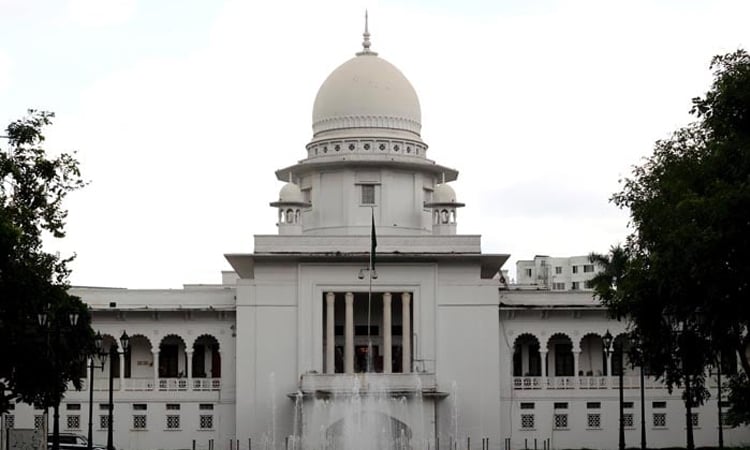
High Court’s Dedicated Bench Delivers 17 Verdicts in Violence Against Women and Children Cases
A specially constituted High Court bench has delivered judgments in 17 cases in about two and a half months while prioritising death references and appeals under Bangladesh’s Women and Children Repression Prevention Act—raising hopes that specialised judicial attention could help reduce delays in some of the country’s most serious violence cases.
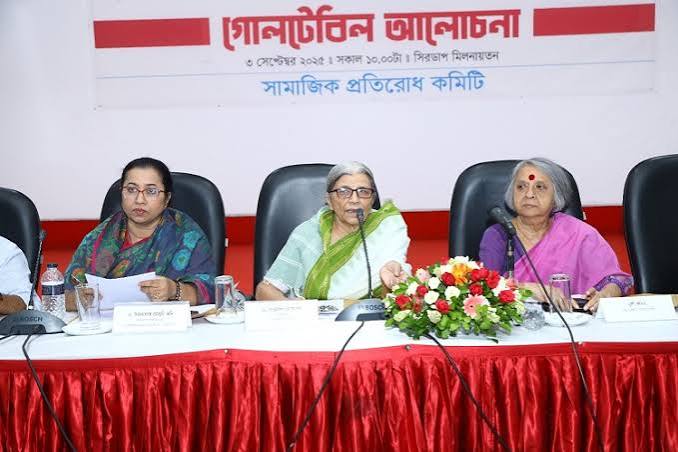
Debate Erupts Over Expanding the Role of Bangladesh’s Reserved-Seat Women MPs
A proposed legal amendment that could give reserved-seat women MPs responsibility for overseeing development activities in general constituencies has triggered objections from 67 directly elected lawmakers, reopening a wider debate over the authority, representation and institutional role of women in Bangladesh’s parliament.
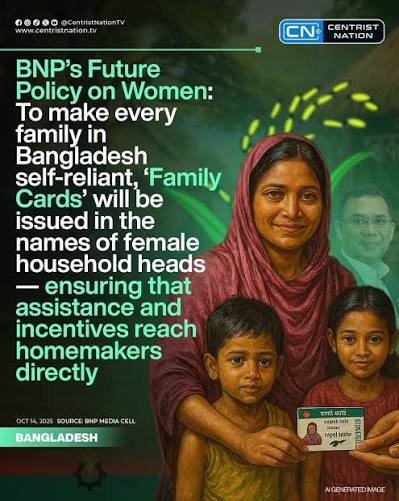
Bangladesh Is Putting Family Support in Women’s Names
Bangladesh’s Family Card Programme sends household support through women and female heads of families. A new government policy note sees major potential for women’s empowerment — but early evidence raises a harder question: who actually controls the money after it arrives?

Bangladesh Wants to Train 50,100 Caregivers for Jobs at Home and Abroad
A proposed Tk 834 crore government programme aims to train thousands of young people for the growing care economy in Japan, South Korea, Europe, the Middle East and Bangladesh. For women, it could turn work that is often unpaid and invisible into a recognised profession — but training will need to lead to safe, fairly paid jobs.
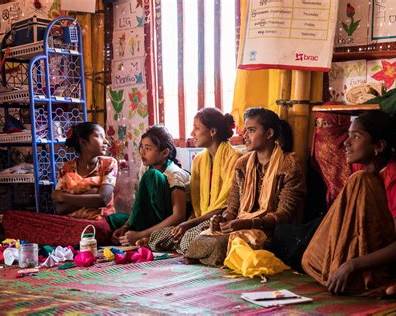
As Aid Shrinks, the Safe Spaces Protecting Rohingya Women Are Being Hollowed Out
In Cox’s Bazar, women-only centres have spent years helping Rohingya women report violence, access healthcare, receive counselling and simply find somewhere they feel safe. A new investigation warns that funding cuts are stripping away the prevention work that made those spaces effective — just as reported gender-based violence is rising.

Shevolution 2026 to Bring More Than 500 Women Together for Bangladesh’s National Debate Tournament
More than 500 women from across Bangladesh are expected to gather at Independent University, Bangladesh from August 28–30 for Shevolution 2026, an all-women national debate tournament designed not only for women to compete, but to lead every part of the event.
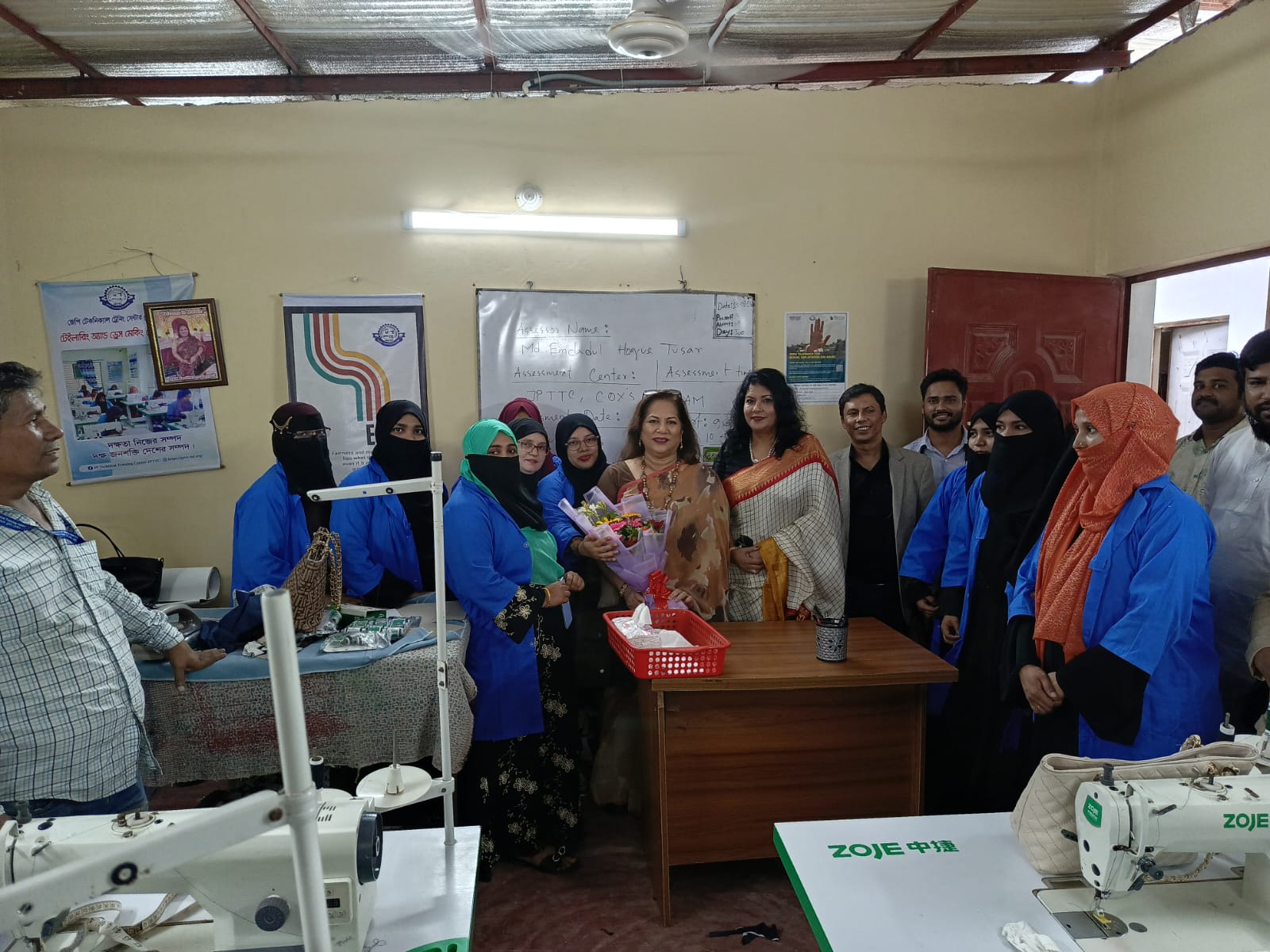
Women’s Chamber Takes Skills and Employment Support to Trainees in Cox’s Bazar
Bangladesh Women Chamber of Commerce and Industry leaders have visited technical training centres in Cox’s Bazar as part of efforts to connect skills development with jobs, entrepreneurship and stronger support for women outside Dhaka.
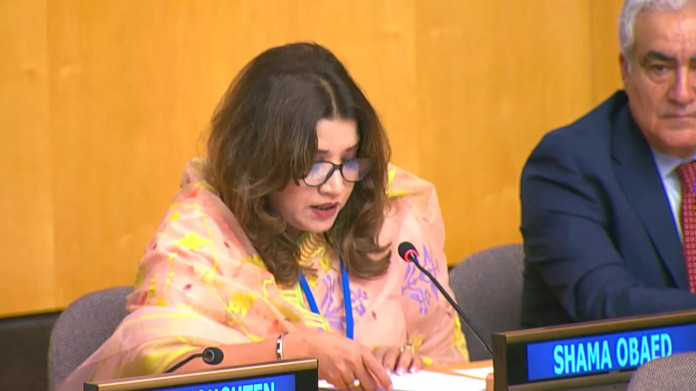
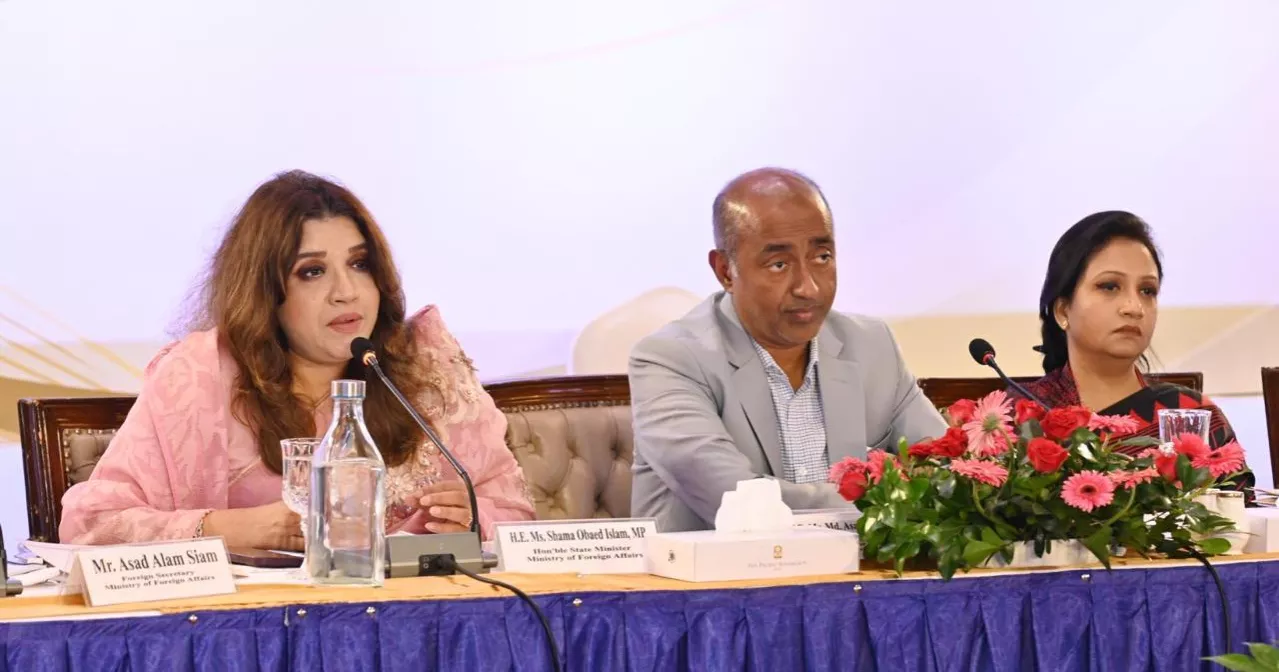
Shama Obaed Says Human Rights Must Apply Even to Political Opponents
Bangladesh’s State Minister for Foreign Affairs says the government must protect citizens from politically motivated detention regardless of party identity, placing due process at the centre of her latest public remarks.
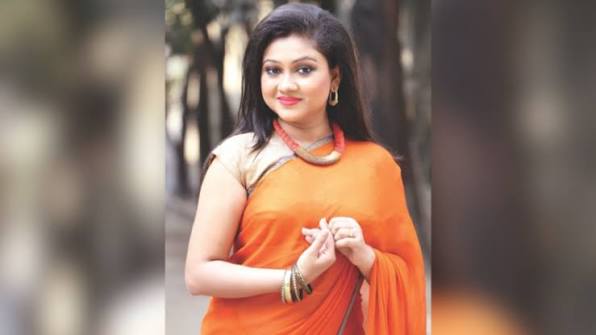
Shabreen Shaka Meem Finds a New Stage in Helping Marginalised Children
Former actor Shabreen Shaka Meem has spent more than a decade away from television, redirecting her public profile toward education and support for marginalised children.
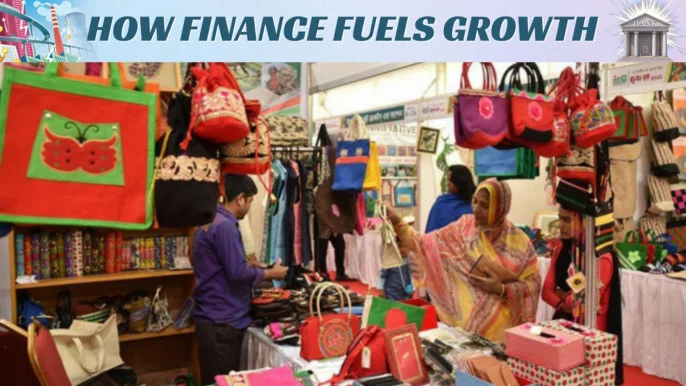
Women Entrepreneurs Are Still Receiving Too Little of Bangladesh’s SME Financing
A Tangail entrepreneur’s struggle to finance new machinery illustrates a much larger problem: women now receive only 7.28% of Bangladesh’s SME lending despite a policy target of 15%.
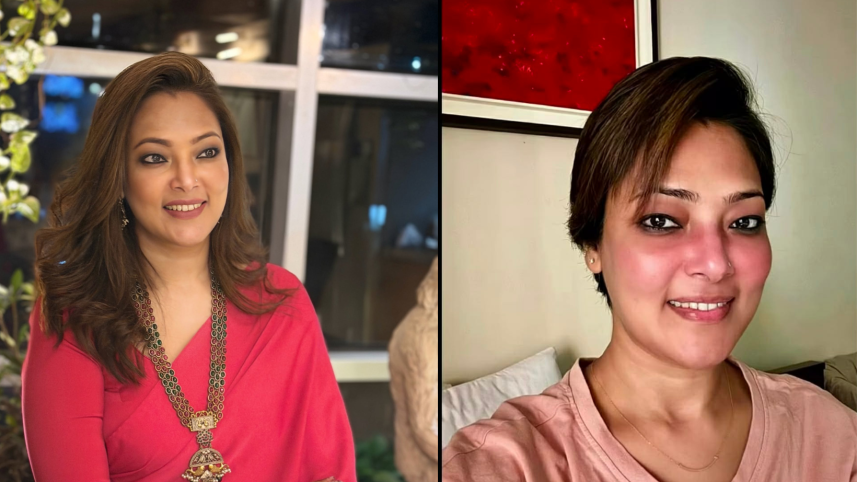
Samia Afreen’s Second Cancer Diagnosis Highlights the Reality of Cancer Recurrence
Bangladeshi television presenter Samia Afreen has revealed that she has been diagnosed with a malignant tumour for a second time, bringing renewed attention to the emotional and medical realities faced by people living beyond an initial cancer diagnosis.
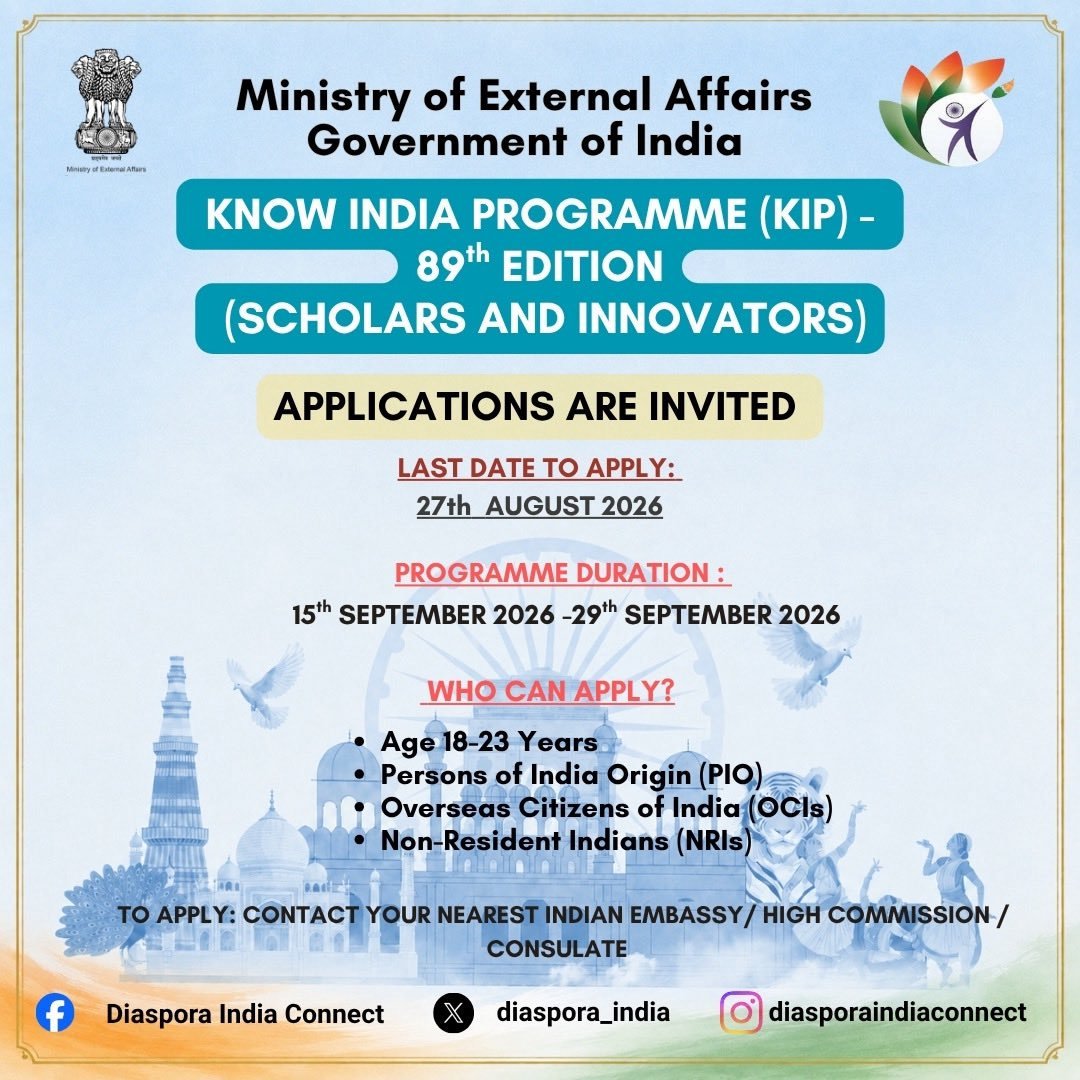
Consulate General of India, Birmingham, 25 August 2026; official application portal and deadline confirmation pending.
India has opened applications for a two-week programme connecting diaspora scholars and innovators with institutions in the country.
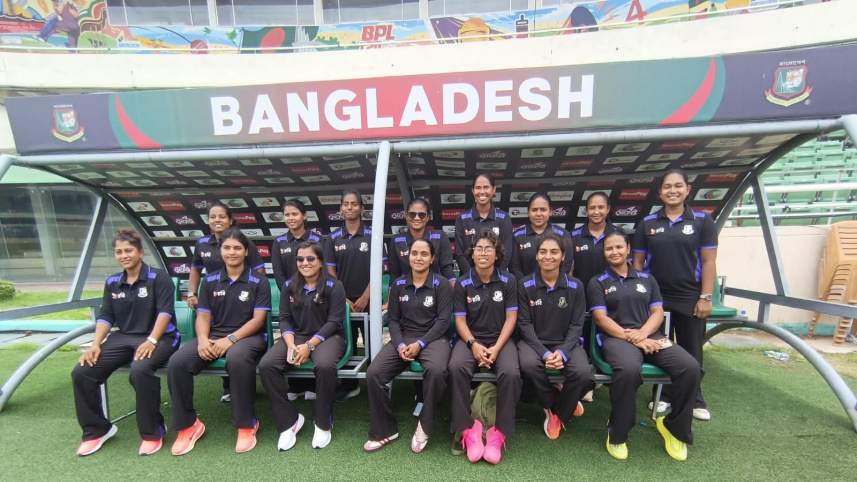
Nigar Sultana Joty Sets Bangladesh a Bigger Goal: Reach the Asia Cup Final
Bangladesh captain Nigar Sultana Joty says her team wants to break its recurring semifinal barrier at the Women’s T20 Asia Cup before pursuing an Asian Games medal.
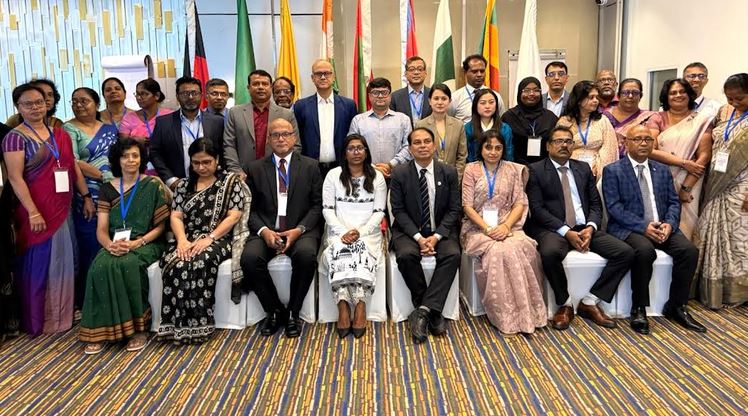
South Asian Initiative Looks to AgriTech and Digital Markets to Grow Women-Led Rural Businesses
A SAARC workshop involving Bangladesh-based organisations is exploring how technology, finance and organised markets can help women turn agriculture and livestock activities into scalable businesses.
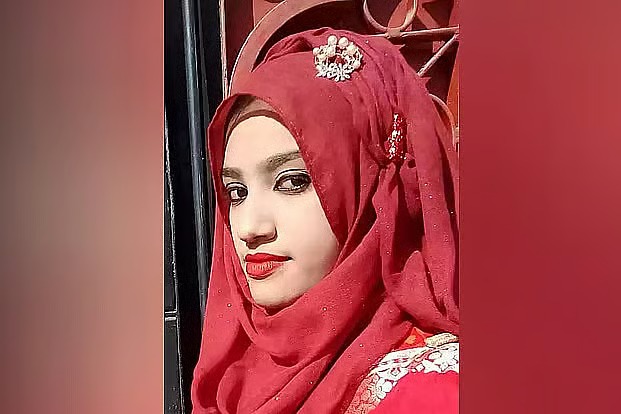
Nusrat Jahan Rafi Case: High Court Upholds Two Death Sentences, Acquits 10
Seven years after Nusrat Jahan Rafi was set on fire after reporting sexual harassment, Bangladesh’s High Court has substantially revised the trial court verdict in the case that became a national symbol of violence against women.