
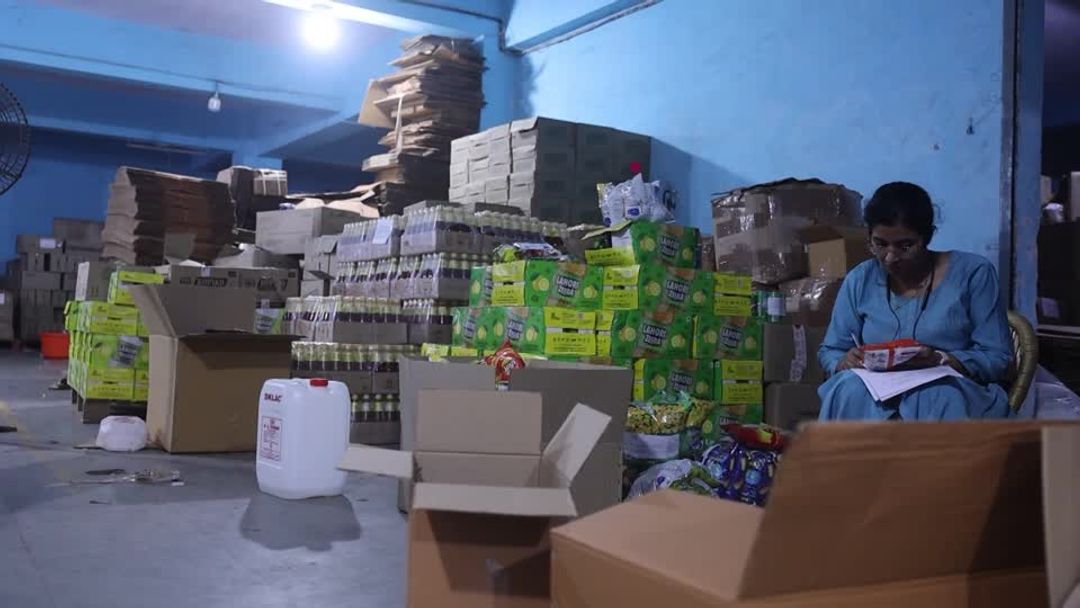
NEW DELHI — Indian health advocates have challenged a proposed front-of-pack warning system that would require a red label only when at least two of three nutrients—added sugar, salt and saturated fat—exceed set thresholds.
The nonprofit 3S And Our Health filed its objections with the Supreme Court before a hearing scheduled for 10 September, Reuters reported on Monday. The group argues that a product extremely high in one nutrient could escape the warning if the other two remain below their limits.
That design question is not technical trivia. A shopper has seconds to interpret a package, often while managing a household budget or feeding children. A warning symbol works only if its rule matches the ordinary meaning of the warning: that the product contains a potentially harmful level of something important.
The Food Safety and Standards Authority of India has told the court that it plans a phased approach. Officials say later rules would trigger warnings for a single excessive nutrient, but a timeline for that second stage has not been fixed. Industry groups, meanwhile, argue that labels covering a large share of packaged foods could unfairly stigmatise products and reduce sales.
India’s obesity burden makes delay consequential. Figures cited by Reuters from The Lancet project that the number of adults who are overweight or obese could rise from about 180 million in 2021 to 450 million in 2050. Diet is only one factor; income, urban design, work, marketing and access to fresh food also shape health.
Women experience the policy from several directions. They are frequently expected to make household food decisions while having less time and income, and they face pregnancy-related and later-life risks associated with diabetes and cardiovascular disease. Labels should support informed choice without suggesting that women alone are responsible for a family’s health.
The court should ask for the evidence behind each threshold, exemptions and the two-nutrient trigger. FSSAI should also publish consumer-testing results in multiple languages and formats, including how people with limited literacy interpret the symbol.
A label cannot replace restrictions on misleading marketing, school-food standards or affordable healthy options. It can, however, make hidden composition visible. India’s proposal will succeed only if the front of a package tells shoppers what matters at the moment they decide—not what a compromise allows them to overlook.



Join the discussion