
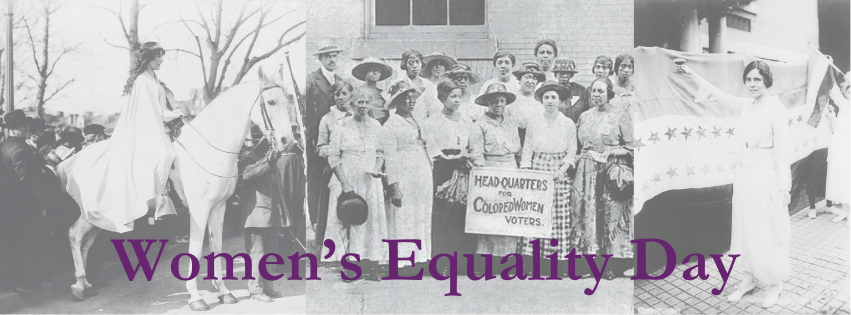
UNITED STATES — Women’s Equality Day is being observed across the United States on 26 August, marking the 1920 certification of the Nineteenth Amendment.
The amendment prohibited federal and state governments from denying voting rights on the basis of sex. It was a foundational constitutional change produced by generations of women’s organising.
Yet the familiar claim that American women universally “won the vote” in 1920 obscures a more complicated history.
Black women continued to confront poll taxes, literacy tests, intimidation and racist violence, particularly in southern states. Many Native American women were not recognised as US citizens until 1924, and discriminatory state practices continued afterwards. Citizenship restrictions also excluded many Asian immigrant women.
The Voting Rights Act of 1965 became another essential legal turning point by strengthening federal protection against racial discrimination in voting. Barriers have nevertheless persisted through registration rules, polling-place access, disenfranchisement and unequal representation.
Michigan Governor Gretchen Whitmer issued a 2026 proclamation recognising the suffrage movement and continuing work to expand equal rights. Such commemorations are most useful when they connect historical achievement to measurable contemporary action.
Voting equality requires more than formal eligibility. Women need safe access to polling places, accessible information, protection from intimidation and the practical ability to vote while managing work and caregiving.
Women also remain underrepresented in many elected institutions. Participation as voters does not automatically create equal access to campaign finance, party nominations or political leadership.
Women’s Equality Day should therefore be neither dismissed nor treated as evidence that the work is complete. It is an opportunity to recognise organisers while telling a history broad enough to include women whose exclusion continued after the constitutional amendment.
Equality becomes meaningful when every woman can exercise rights in practice—not merely find them written in law.


Join the discussion