
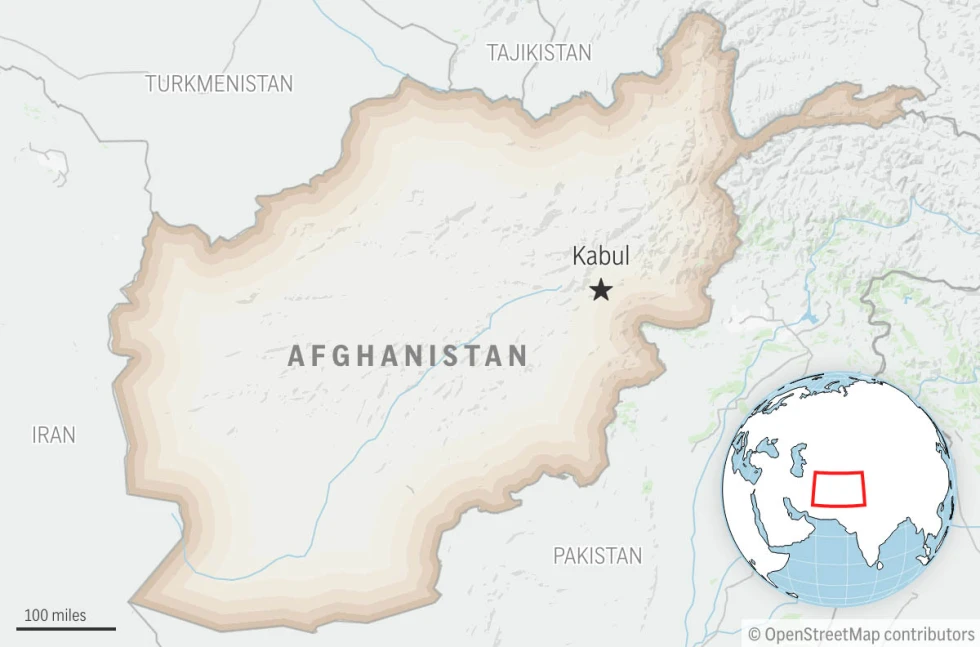
KABUL, Afghanistan — Afghanistan’s Taliban authorities have released two United Nations staff members after detaining them for more than two months, according to the Associated Press.
The release removes one immediate source of concern for the UN, but it does not resolve the increasingly restrictive environment faced by humanitarian workers—or the wider exclusion of Afghan women and girls.
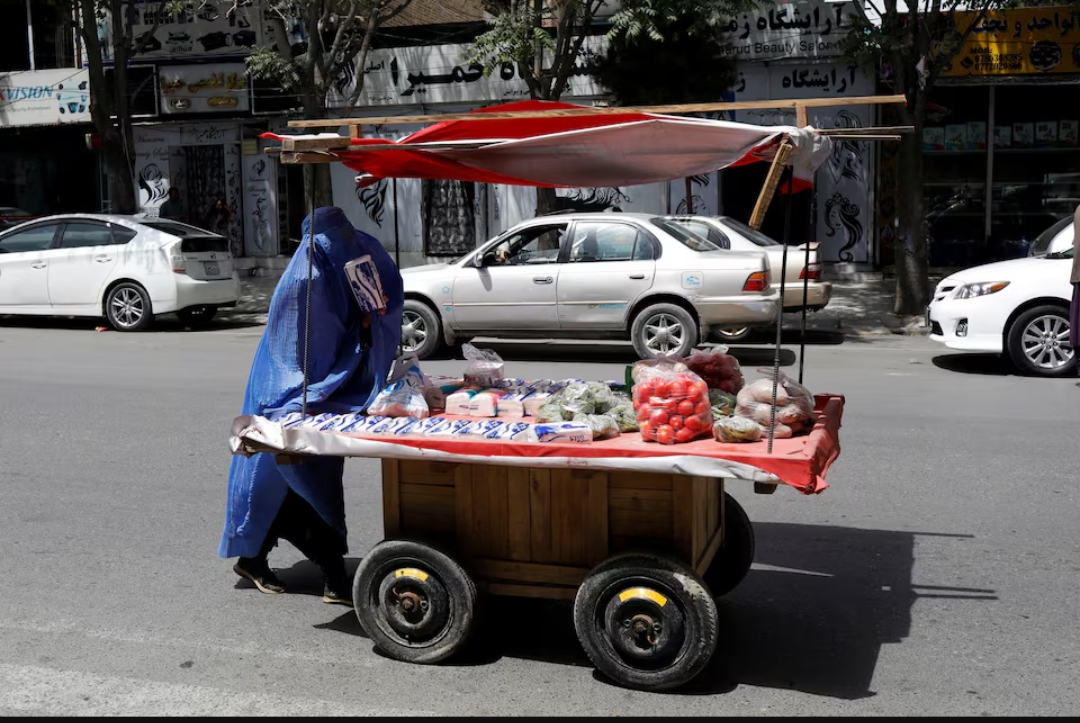
Since returning to power in August 2021, Taliban authorities have barred girls from secondary schools and universities and restricted women from most employment. Women face extensive limits on movement, public participation and access to services.
Those rules also weaken humanitarian operations. Female aid workers are essential in communities where social norms often prevent women from meeting unrelated men. When women are excluded from aid delivery, other women may be unable to receive health information, nutrition assistance or protection services.
The detention of UN personnel adds another layer of uncertainty. Humanitarian agencies must negotiate access while trying to uphold principles of neutrality and non-discrimination. Staff arrests can disrupt programmes and create a chilling effect even after detainees are freed.
Afghanistan’s economic and humanitarian crises make this especially dangerous. Women-led households, displaced families, children and people with disabilities are among those most exposed when assistance is delayed or narrowed.
The international response has struggled to balance engagement with accountability. Isolation can reduce humanitarian access, while unconditioned engagement risks normalising a system that has removed women from public life.
The release should therefore be understood as a welcome but limited development. The larger measure of progress will be whether Afghan women can study, work, travel, receive care and participate in the institutions governing their lives.

Join the discussion