
CAIRO, Egypt — Sudanese women and girls who fled one of the world’s largest displacement crises are describing a second emergency in Egypt: survival without reliable income, legal protection or enough humanitarian assistance.
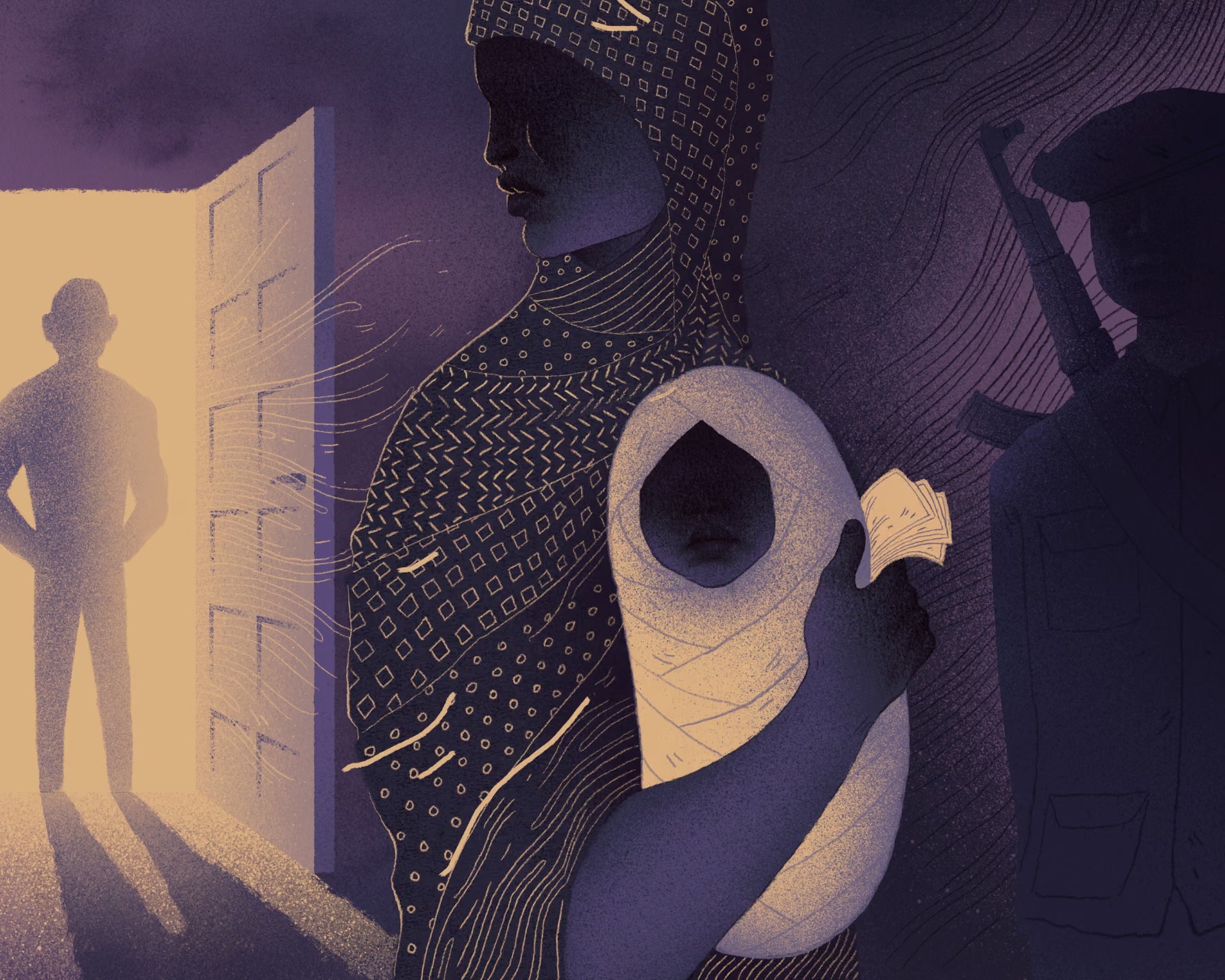
Reporting published by The Guardian on 7 September documented women pushed into transactional sex or sexually coercive work after savings ran out. Some were widowed or supporting children alone. Others could not obtain formal employment or recognition for qualifications earned in Sudan. SheFront is not naming individual survivors because disclosure can expose refugees to stigma, retaliation and legal risk.
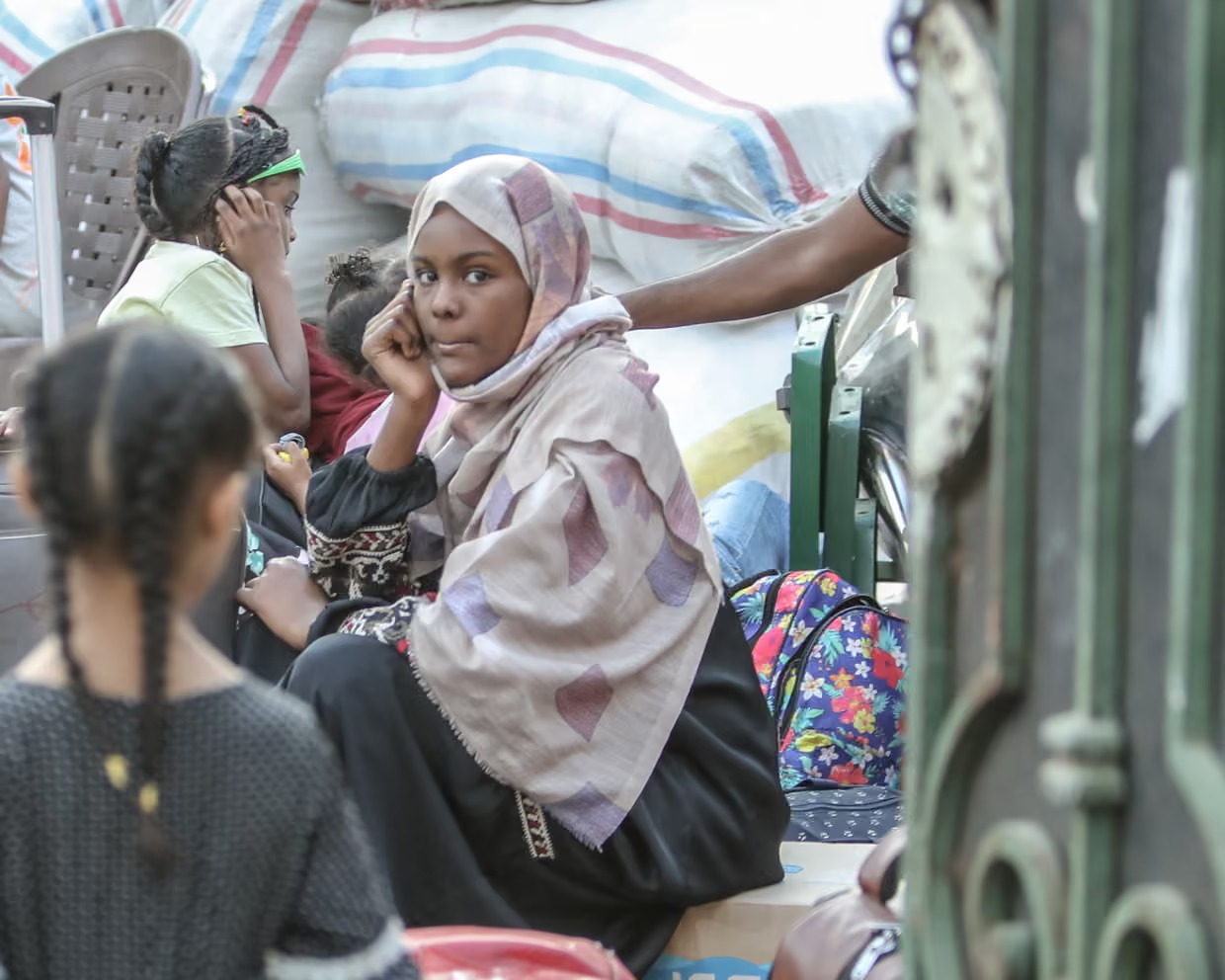
The accounts are consistent with wider warnings. UNHCR’s June 2026 Egypt fact sheet says its protection work includes responses to violence against women and girls, sexual exploitation and trafficking. UN experts reported in March that more than one million refugees and asylum seekers were registered in Egypt by the end of 2025, including over 834,000 Sudanese.
Those totals do not capture everyone who crossed the border, and registration is not the same as security. A document may help a person reach services, but it does not create an affordable home, a lawful job or enough cash to feed a family. When aid is rationed and informal employers know a worker has few alternatives, the balance of power becomes dangerous.
Sexual exploitation should not be described as an individual moral choice. It is produced by overlapping constraints: displacement, restrictive employment, unaffordable rent, care responsibilities, racism, gender discrimination and inadequate aid. Women who exchange sex to meet basic needs remain entitled to healthcare, protection and justice without punishment.
The policy response must therefore extend beyond rescue operations. Egypt and international donors should expand safe registration, work access, cash assistance and confidential reproductive and mental-health care. Service providers need referral pathways that do not require survivors to report to police before receiving treatment, especially where women fear detention or deportation.
Funding matters. UNHCR’s Egypt appeal listed needs of $133.5 million for 2026 as of 31 July. When donors reduce support, the resulting gap is not abstract: it appears in missed rent, unsafe work and dependence on people who can demand sex in return.
The women’s testimony carries a clear lesson. Crossing out of Sudan may end immediate exposure to fighting, but refuge becomes meaningful only when women can live, work and seek care without being exploited for the necessities of life.
Join the discussion