
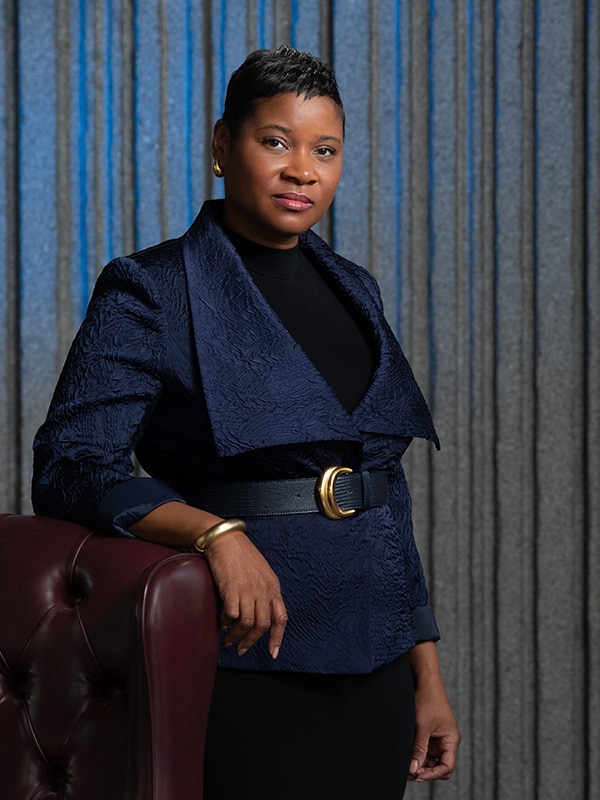
PITTSBURGH, United States — United Steelworkers president Roxanne Brown has secured 30-day contract extensions with U.S. Steel and Cleveland-Cliffs, avoiding an immediate strike or lockout as negotiations continue.
The existing agreements were due to expire at 12:01 a.m. Eastern Time on 1 September. Employees will remain at work under their current terms while the union and companies negotiate wages, healthcare, job security, safety and investment.
The contracts cover tens of thousands of workers. Approximately 11,000 union employees are covered by the U.S. Steel agreement alone, according to independent industry reporting.
Brown became the union’s tenth international president on 1 March and the first woman and first Black person to lead it since its establishment in 1942. The USW represents about 850,000 workers in the United States and Canada across metals, mining, energy, manufacturing and service industries.
Her first major steel negotiations carry unusual corporate and political complexity. U.S. Steel is now owned by Japan’s Nippon Steel following a contested acquisition accompanied by commitments concerning investment and domestic operations.
A contract extension is not a settlement. It prevents an immediate work stoppage and creates room for bargaining, but workers still need details about progress and what happens when the 30 days end.
Brown’s leadership should be assessed through the agreement ultimately reached: real wages, affordable healthcare, enforceable safety rules, capital investment and protections against closure or contracting out.
Women remain a minority in much of heavy industry and can face inadequate protective equipment, facilities and promotion pathways. Negotiations framed around the “average worker” should include those conditions explicitly.
Union democracy is equally important. Members need timely information, opportunities to question bargaining priorities and a meaningful vote on any proposed agreement. Symbolic trust in a historic leader cannot replace transparent representation.
The companies also have legitimate interests in competitiveness and investment flexibility. Those claims need supporting numbers, particularly when workers are asked to exchange security for promises about future plants or production.
Brown’s appointment broke a leadership barrier in an institution built around traditionally male industries. The bargaining table now reveals what that representation can accomplish under pressure.
The extension’s value is time. Whether it becomes progress will depend on how Brown uses that time—and whether workers recognise their priorities in the contract placed before them.



Join the discussion