
UNITED STATES — WNBA players are calling for tougher safety measures after another sex toy was thrown onto a basketball court during a game.
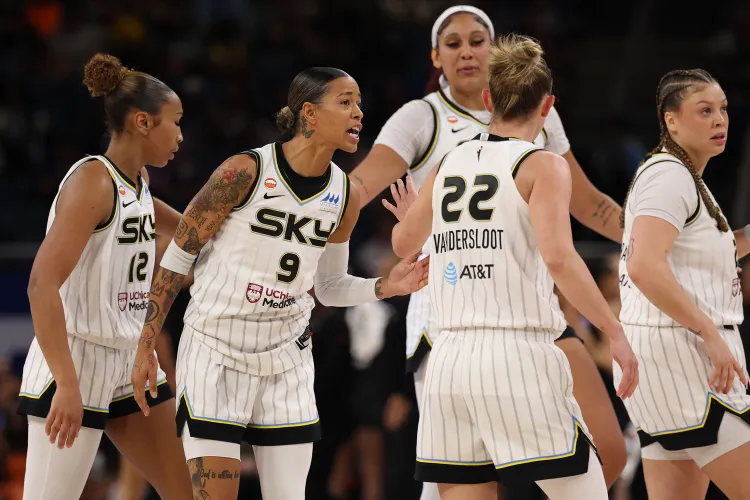
The latest reported incident occurred during the Chicago Sky’s 73–70 victory over the Golden State Valkyries on 21 August. Similar disruptions have affected other games since 2025.
New York Liberty guard Natasha Cloud described the conduct as an attack on women and LGBTQ+ people. Atlanta Dream forward Angel Reese reportedly helped identify a suspected thrower during another game; that person was subsequently arrested and banned from NBA- and WNBA-affiliated events.
The incidents are sometimes presented online as jokes. In a live sporting environment, however, any object thrown toward athletes or officials can cause injury, interrupt competition and create fear.
The sexual nature of the objects adds a gendered dimension. Women athletes already contend with harassment that reduces their professional performance to sexual spectacle. Repeating such stunts can normalise the idea that women’s sporting spaces do not deserve the same respect as men’s competitions.
Leagues and arenas should combine bans and prosecution where appropriate with improved detection, reporting and removal procedures. Security responses must be consistent and should not place the burden on athletes to identify offenders while competing.
Media coverage also matters. Headlines that focus on shock value can reward perpetrators with attention. Reporting should centre athlete safety, league policy and accountability.
The WNBA’s growing crowds and commercial reach make this a test of institutional readiness. Expansion cannot be measured only in attendance and broadcast agreements; players must also receive a workplace free from foreseeable harassment.




Join the discussion