
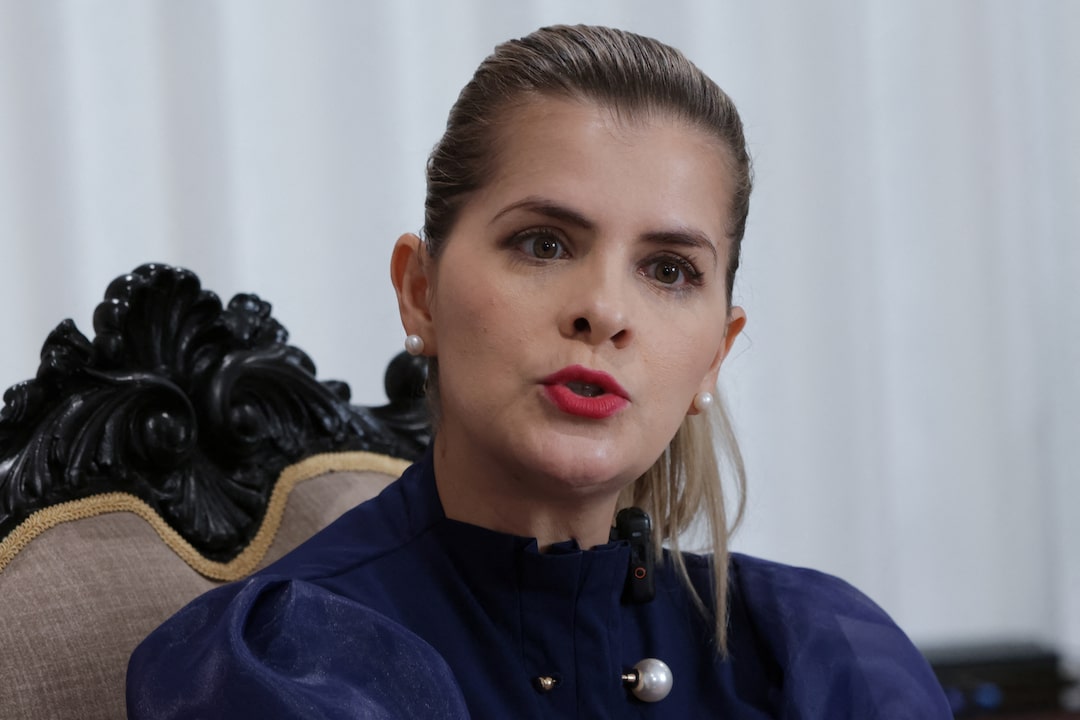
SAN JOSÉ, Costa Rica — President Laura Fernández has said US ground operations could benefit Costa Rica’s security, introducing a politically consequential possibility in a country that abolished its army nearly eight decades ago.
Fernández made the comments in a Reuters interview published on 4 September. She said no concrete deployment plan exists and acknowledged that foreign forces would require approval by the Legislative Assembly. Costa Rica already cooperates with the United States on maritime interdiction and other efforts against drug trafficking.
The president took office in May after campaigning on a tough response to organised crime. Costa Rica’s homicide rate rose sharply as the country became more important to regional cocaine trafficking, although official figures cited by Reuters showed killings fell 14% in the first half of 2026.
That improvement should make evidence, not symbolism, the starting point. Before seeking any foreign ground presence, the government would need to define the mission, legal authority, duration, rules on weapons and detention, oversight and exit conditions. Legislators and the public should know what problem local police cannot address and how success would be measured.
Costa Rica abolished its armed forces in 1948 and invested its national identity in civilian institutions. Foreign security cooperation is not automatically inconsistent with that choice, but ground operations would carry a different political and operational weight from training or joint patrols.
Fernández’s leadership is also a reminder that representation does not predict policy. She is Costa Rica’s second woman president, but women leaders can advance expansive security powers as readily as men. Equality means judging her agenda by rights, effectiveness and accountability rather than assuming that female leadership is inherently conciliatory.
Women may experience the security crisis and its response differently. Organised crime can increase trafficking, sexual violence and coercion, while aggressive policing can expose migrants, young people and poor communities to abuse. Consultation should include women’s organisations, local leaders and victims’ groups, not only police and foreign partners.
Fernández has also clashed with the judiciary and supported changes to justice governance, making institutional safeguards especially important. Security policy should strengthen courts and investigations, not concentrate power because public fear is high.
For now, the president has opened a debate rather than announced an operation. Her responsibility is to keep that distinction clear. A serious leader must show not only that she is prepared to act, but that any action remains lawful, limited and demonstrably safer than the alternatives.



Join the discussion