
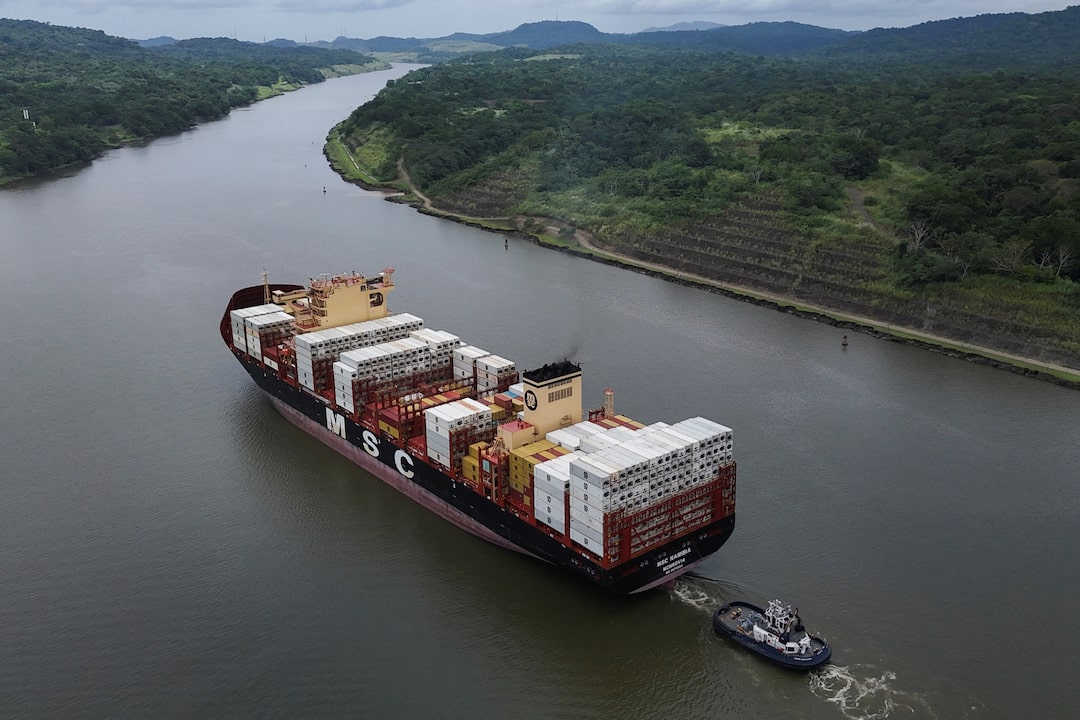
PANAMA CITY — Ilya Espino de Marotta took office on 7 September as the first woman to lead the Panama Canal Authority, moving from the engineering front line of its expansion to responsibility for one of global trade’s most important routes.
Espino de Marotta joined the canal organisation in 1985 as the only female marine engineer in its shipyard. She later directed engineering for the $5 billion expansion that opened a third set of locks in 2016 and became deputy administrator in 2020. Her new term runs to 2033.
The appointment is a representation milestone in an industry where senior technical and maritime roles remain male-dominated. Its meaning will depend on more than the first-woman label. Espino de Marotta now controls decisions affecting canal workers, communities, national revenue and shipping costs far beyond Panama.
Her immediate challenge is water. Canal locks depend on freshwater also used by a large share of Panama’s population. Drought has forced transit restrictions in recent years, exposing climate risk in a route carrying roughly 3% of world maritime trade, according to the Associated Press.
The authority’s principal long-term answer is a reservoir on the Río Indio, estimated at about $1.5 billion and expected around 2031 or 2032. Espino de Marotta told Reuters that the project should prevent drought-driven restrictions once operating, while warning that low rainfall could require additional limits before then.
Engineering does not settle the project’s social questions. Families in the reservoir area may need to move, and water systems affect land, livelihoods and ecosystems. The authority must publish compensation standards, consultation records and environmental monitoring in forms communities can understand and challenge.
Geopolitical pressure adds another layer. US officials have criticised alleged Chinese influence around the canal, while Panama insists the waterway is sovereign and neutral. The administrator’s mandate is operational, but transparency over contracts, port access and security will shape international confidence.
Espino de Marotta’s career offers deep institutional knowledge. It can also make independent scrutiny more important: long service should not place past choices beyond review.
Her leadership will be measured by reliable transits, safe work and a credible water settlement—not by the colour of a hard hat or the novelty of her appointment. A woman now holds the canal’s highest technical office; the substantive milestone will be whether she governs its competing obligations openly.



Join the discussion