
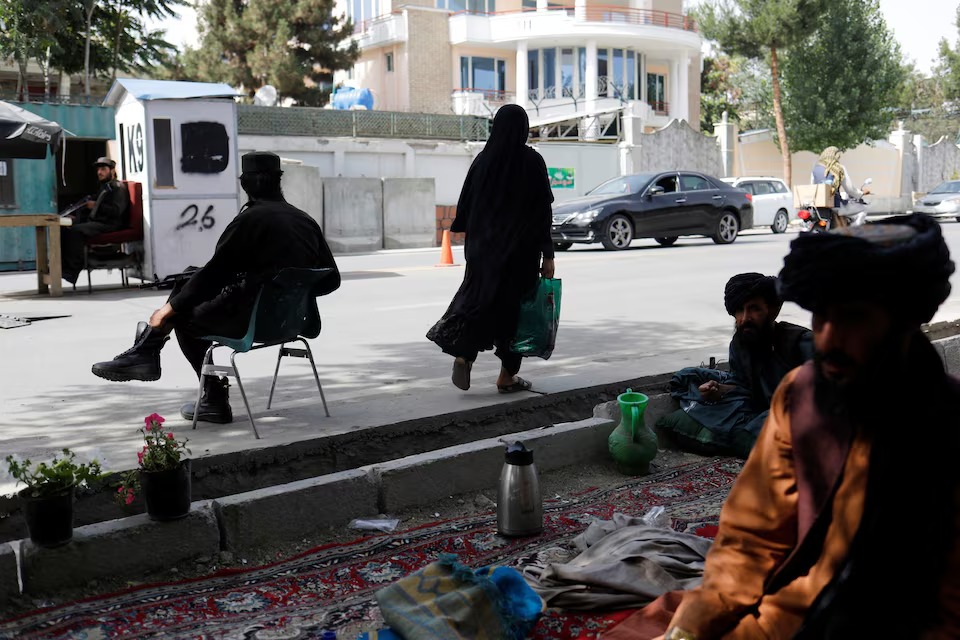
GENEVA — More than half of Afghan women surveyed by UN Women said they leave their homes no more than once or twice a month, illustrating the extraordinary reach of restrictions imposed under Taliban rule.
Reuters reported the findings as Afghanistan marked five years since the Taliban returned to power. Seven in 10 surveyed women rated their mental health as bad or very bad.
Women and girls are excluded from secondary and university education, while employment restrictions and rules governing movement, clothing and public behaviour have steadily narrowed their participation in society.
The impact goes beyond the formal prohibitions. A woman may technically be permitted to visit a market or health facility, but fear of punishment, the need for a male guardian, transport limitations and a lack of money can make that journey practically impossible.
Confinement also affects access to information, friendship and community support. Women who rarely leave home may have fewer opportunities to seek medical care, disclose violence or maintain professional relationships.
Isolation creates a self-reinforcing cycle. When women disappear from streets, universities and workplaces, their absence can begin to look normal. Institutions stop being designed around their needs, and younger girls grow up without visible examples of female independence.
Humanitarian programmes can provide some home-based services, but these should not become a permanent substitute for freedom. Delivering assistance to women behind closed doors may reduce immediate harm while leaving the structure of exclusion untouched.
The international community should support Afghan women-led organisations, safe communications and livelihood programmes while continuing to demand the restoration of education, employment and movement rights.
The figures describe more than reduced mobility. They reveal the disappearance of millions of women from Afghanistan’s shared public life.

Join the discussion