
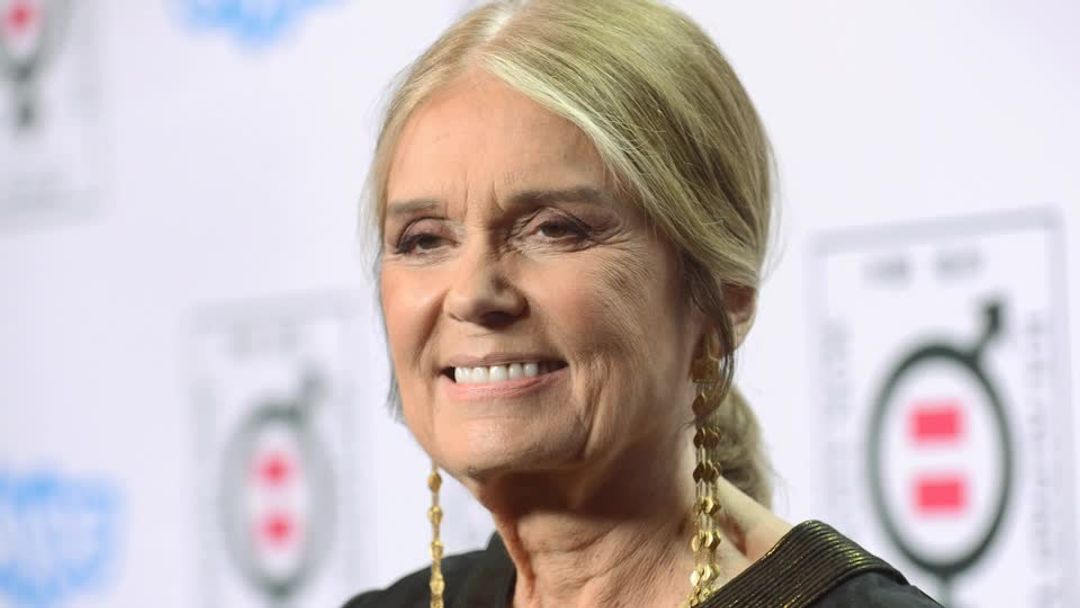
NEW YORK — Gloria Steinem, the writer and organiser who helped make feminism a mainstream political force in the United States, died at her home in New York on 2 September. She was 92.
Steinem’s public life joined journalism to movement-building. Her 1963 undercover account of working in a Playboy Club exposed low pay and sexualised labour conditions. Later reporting and essays addressed abortion, workplace discrimination and the political authority of women’s testimony.
Her influence grew through institutions rather than writing alone. She co-founded Ms. magazine, whose first stand-alone issue appeared in 1972, and helped establish organisations including the National Women’s Political Caucus, the Ms. Foundation for Women and the Women’s Media Center.
Those projects made an argument about voice: stories usually treated as personal—an illegal abortion, domestic violence, unequal housework or harassment—could reveal systems requiring public action. A magazine could connect readers who had been told that each problem was theirs to solve alone.
Steinem was often presented as the singular leader of US second-wave feminism, a description she resisted and that can obscure the Black, Indigenous, labour and lesbian organisers who shaped the movement. She repeatedly credited Black women with teaching her about feminism and worked alongside leaders including Dorothy Pitman Hughes and Shirley Chisholm.
Her record also included controversy. Comments during the 2016 Democratic primary appeared to dismiss younger women supporting Bernie Sanders; she apologised. Feminists have debated her positions, celebrity and the disproportionate attention given to a conventionally attractive white spokesperson.
That scrutiny belongs in a serious account of her life. Feminist history is not strengthened by replacing one great-man narrative with a single great-woman narrative.
Steinem’s own most durable method was collective. She used visibility to gather people, raise money and build platforms where other women could speak. In 2013, President Barack Obama awarded her the Presidential Medal of Freedom.
Her death arrives while abortion access, equal pay and freedom from sexual violence remain contested. The unfinished nature of those campaigns does not diminish her work; it shows why movements cannot depend on one generation or personality.
Steinem became famous for insisting that women’s lives contained political knowledge. Her legacy now belongs not only to archives and memorials, but to every newsroom and organisation willing to listen—and to distribute authority after listening.




Join the discussion