
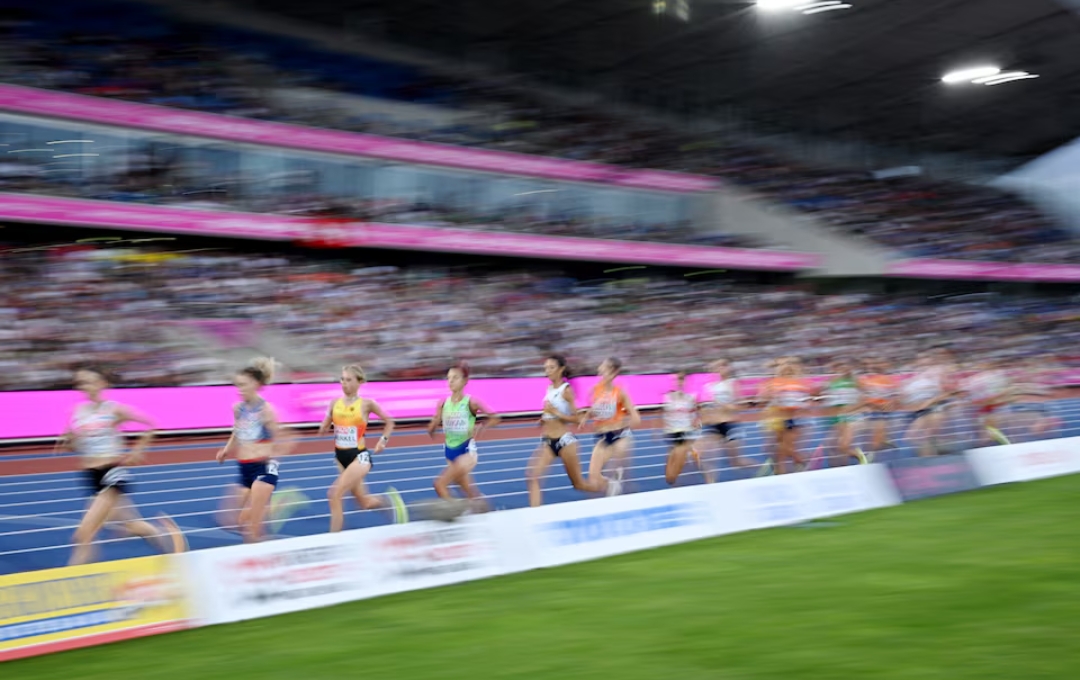
Female-Athlete Health Alliance Expands Across Nine Countries
Editor’s summary: A growing international partnership aims to close research and practice gaps in women’s sports health, including the higher burden of ACL injuries.
CANBERRA, Australia — Five countries have joined an international alliance dedicated to improving health and performance outcomes for female athletes, expanding the initiative’s full membership from four nations to nine.
Canada, France, Germany, Japan and Switzerland have joined founding members Australia, New Zealand, the United Kingdom and the United States. Ireland and Belgium have also entered as supporting partners.
The Global Alliance for Female Athletes connects national sports and research institutions so that evidence can be shared across borders. Its work includes identifying research gaps, translating findings into practical guidance and improving collaboration among clinicians, coaches and athletes.
The initiative reflects a longstanding imbalance in sports science. Many training standards and medical protocols were historically developed from research dominated by male participants, even where sex-related physiological differences could influence injury risk, recovery, nutrition or performance.
Anterior cruciate ligament injuries are a prominent example. Female athletes experience a substantially higher risk in several comparable sports, yet prevention programmes and access to specialised care remain inconsistent.
Other priorities may include menstrual health, relative energy deficiency in sport, pregnancy and postpartum return, pelvic-floor health and the effects of hormonal changes. These issues have too often been treated as private concerns instead of core performance and safety matters.
International cooperation could help smaller sporting systems adopt evidence-based practice without duplicating expensive research. Its real value, however, will depend on whether knowledge reaches athletes outside elite programmes, including adolescents, para-athletes and competitors in lower-income countries.
The alliance should also involve athletes directly in setting research priorities. Women’s bodies must not merely become new datasets; athletes should help define which questions are studied and how findings are communicated.

Join the discussion