
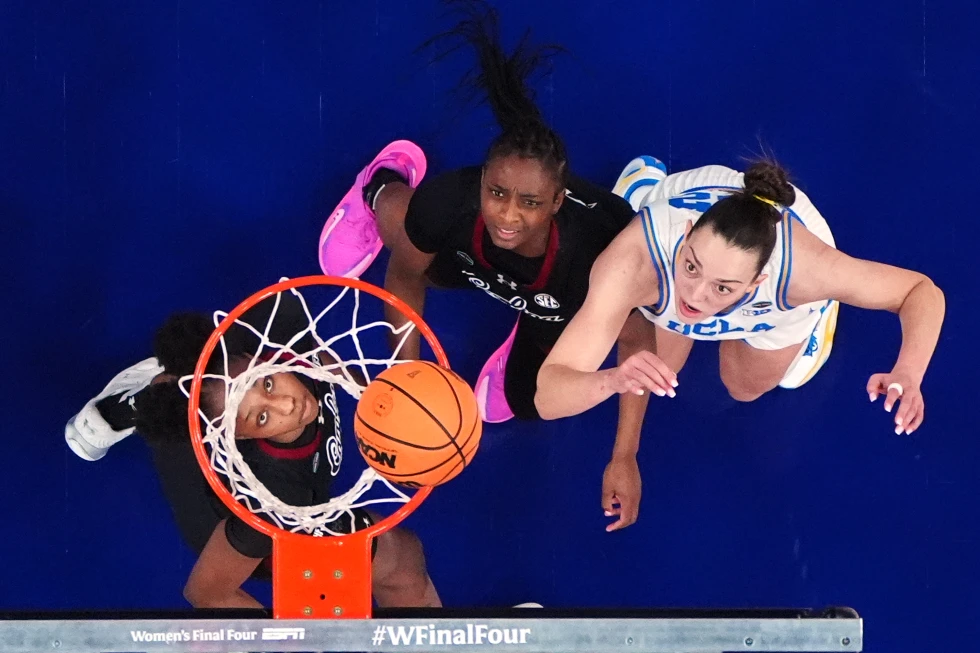
UNITED STATES — Women’s college-sports advocates are seeking greater philanthropic support as new commercial pressures reshape university athletics and threaten programmes that generate less direct revenue.
The Associated Press reports that administrators and supporters are exploring donor-backed models to buffer women’s teams and Olympic sports from a rapidly changing financial environment.
US college athletics has entered a new era in which athletes can earn money from their name, image and likeness, while institutions face expanding compensation and revenue-sharing obligations. These reforms can improve athletes’ economic rights, but they also encourage universities to concentrate resources on sports with the largest broadcast and sponsorship income.
Football and men’s basketball dominate that market. Women’s teams may attract strong audiences and deliver significant institutional value, but their revenue is often measured through systems built around historically unequal investment and media exposure.
Philanthropy can preserve scholarships, coaching, travel and facilities during periods of budget pressure. It can also support sports that form important pathways to the Olympics.
However, donor funding should not become an excuse for institutions to retreat from their equality obligations. Title IX prohibits sex discrimination in federally funded US education, and universities remain responsible for equitable athletic opportunity.
A sustainable strategy would combine institutional funding, better media distribution, transparent budgeting, sponsorship development and athlete-centred philanthropy. Universities should also disclose how commercial decisions affect women’s participation and resources.
The debate is larger than individual teams. College sport is one of the most important development systems for women athletes globally. Decisions made during this financial transition could expand professional opportunity—or reverse decades of progress.




Join the discussion