
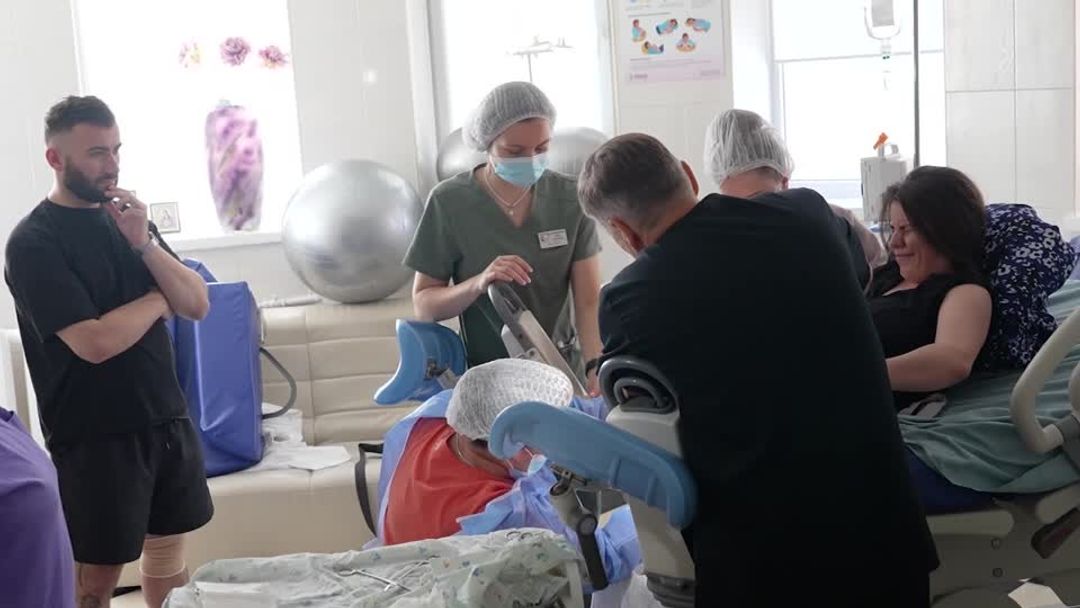
KYIV, Ukraine — Women are giving birth in Kyiv while air-raid alerts interrupt hospital routines and Russian drone attacks threaten the electricity, heat and water on which maternity care depends.
Reuters reported on 7 September from Kyiv City Maternity Hospital No. 2, where clinicians sometimes continue a delivery in place because moving a patient in advanced labour may be more dangerous than remaining upstairs. Other patients and newborns can be transferred to protected areas when alarms sound.
The decisions are clinical, immediate and shaped by the building. A shelter that is difficult to reach with a bed, anaesthesia equipment or neonatal support cannot protect every patient equally. Hospitals need redundant electricity, water storage, protected operating space and rehearsed routes for women at different stages of labour.
Kyiv city authorities said in August that 86,526 children had been born in municipal facilities since Russia’s full-scale invasion began. They also reported four births in shelters during attacks on 27 August. Those figures show continuity of care, but they should not be used to romanticise danger.
Stress is not the only health risk. Damage to transport and infrastructure can delay arrival, interrupt temperature control for medicines, limit infection prevention and separate families. Winter attacks on the energy system could make all of those pressures worse. Newborn intensive care is particularly dependent on stable power and heat.
The international legal principle is clear: medical facilities, patients and health workers are protected in armed conflict. In practice, healthcare across Ukraine has repeatedly operated under attack. Accountability needs verified incident documentation, preservation of evidence and support for local systems while investigations proceed.
Maternal-health aid should be planned as essential infrastructure. Donors can finance generators, batteries, neonatal equipment, blood supplies, protected transport and mental-health support. They should also support staff retention; a fortified room cannot provide care without midwives, obstetricians, nurses and technicians.
Women interviewed by Reuters expressed worries about their babies’ futures as well as the immediate delivery. That uncertainty belongs in the health story. Pregnancy does not pause political violence, and a safe birth is more than surviving the hours of labour.
Kyiv’s maternity teams are adapting with discipline, but adaptation has limits. Their work is evidence of professional commitment under threat—not proof that hospitals can indefinitely absorb attacks without additional protection and resources.




Join the discussion