
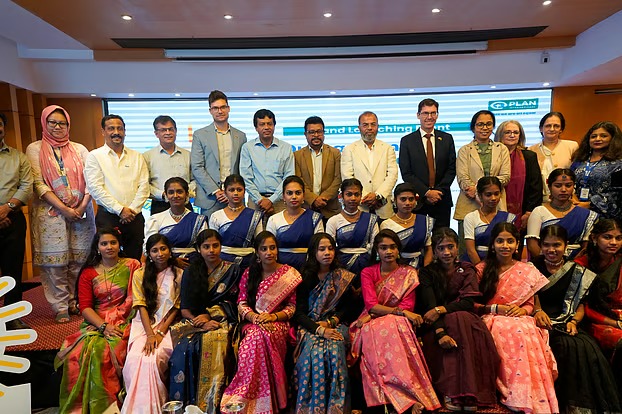
Climate change affects everyone in Bangladesh, but its consequences are not gender-neutral.
Girls living in flood-prone, coastal and disaster-affected communities may face interrupted schooling, greater household responsibilities, limited mobility and heightened protection risks after emergencies.
A new initiative from Plan International Bangladesh is attempting to address that imbalance by putting adolescent girls and young women directly into climate leadership.
The Durbar Konnya Programme Model has been designed to strengthen girls’ agency, climate resilience and participation in community decision-making. The initiative aligns with Bangladesh’s National Adaptation Plan 2023–2050 and combines climate adaptation, disaster-risk reduction, leadership development, health and rights awareness, digital skills and economic empowerment.
An important element of the programme is its effort to connect girls with existing local governance and disaster-management structures.
That matters because young women are often discussed during climate planning without having meaningful influence over the decisions that affect them.
A community may build a cyclone shelter, for example, but girls can identify whether toilets offer sufficient privacy, whether routes to the shelter feel safe, or whether emergency information actually reaches adolescent girls who spend much of their time inside the home.
Those details can determine whether infrastructure works equally well for everyone.
Plan International Bangladesh Country Director Kabita Bose said investment in adolescent girls should recognise them as agents of change rather than treating them solely as vulnerable beneficiaries. Government and development representatives at the programme launch also stressed locally led adaptation and youth participation.
The model includes adolescent climate ambassadors from climate-vulnerable communities, giving young women opportunities to lead awareness activities, contribute to preparedness and advocate around local climate priorities.
This approach could become increasingly important as Bangladesh faces more frequent climate-related displacement and livelihood disruption.
Girls are often among those whose education and future opportunities are quietly altered after a disaster.
Giving them knowledge, leadership skills and formal entry points into decision-making cannot eliminate climate risk. But it can reduce another problem: having decisions made about girls without girls being present.
Bangladesh’s future climate leaders will not all come from ministries, universities or environmental organisations.
Some may be teenage girls living in the communities already experiencing climate change most intensely.
The challenge is to make sure they are given the authority to lead before the next emergency arrives.


Join the discussion