
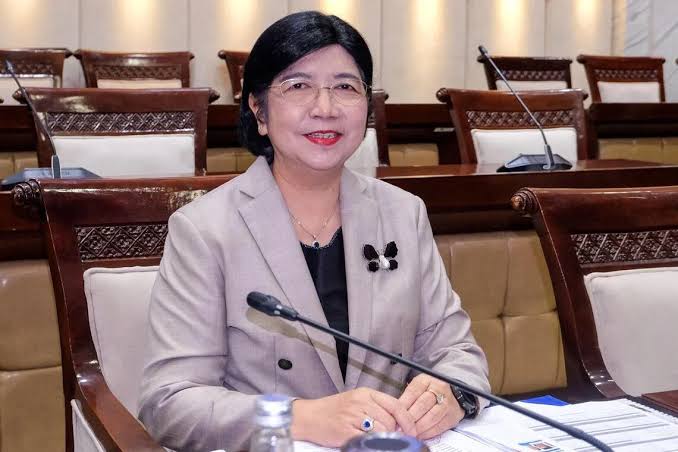
JAKARTA, Indonesia — Indonesia’s parliament voted on 1 September to appoint Destry Damayanti as the first woman to govern Bank Indonesia.
Destry, 62, is scheduled to be sworn in at the Supreme Court on 2 September. She has served as the central bank’s senior deputy governor since 2019 and was the sole nominee after Perry Warjiyo resigned midway through his second term.
The completed parliamentary vote turns a representation milestone into an immediate test of economic authority. Bank Indonesia is responsible for price and currency stability while also supporting sustainable growth and overseeing major elements of the payment system.
Destry announced a 2027 growth forecast of 5.2% to 6%, slightly above the previous range at its upper limit. Six per cent growth would be Indonesia’s fastest since 2012 but remains below President Prabowo Subianto’s longer-term ambition of 8%.
She takes office after the central bank raised interest rates by a combined 100 basis points during May and June to defend the rupiah. The currency was trading near 17,700 to the US dollar on Tuesday and has been among emerging Asia’s weakest performers.
Destry has said stability will remain her priority while the bank provides sufficient liquidity for growth. The challenge is that those objectives can conflict: looser financial conditions may support investment while increasing pressure on prices or the currency.
Investors are also watching Bank Indonesia’s independence. Parliament is controlled by Prabowo’s coalition, the president’s nephew is a deputy governor and lawmakers have strengthened the bank’s responsibility to support economic expansion.
Cooperation between a central bank and elected government is normal. Independence is tested when officials disagree—particularly over interest rates, exchange-rate intervention or financing public priorities.
Destry’s appointment widens the image of who may lead monetary policy in Southeast Asia’s largest economy. Women remain underrepresented in central banks and finance ministries even though inflation, credit and payment access shape women’s businesses and household decisions.
Representation does not answer questions about policy. Destry should publish the evidence behind major decisions, defend the bank’s mandate publicly and disclose how coordination with the government operates.
Her historic status should be recognised without becoming a shield from scrutiny. The achievement is that a woman has reached an office long closed to women. The leadership test begins with what she does there—and whether the institution remains able to say no.




Join the discussion